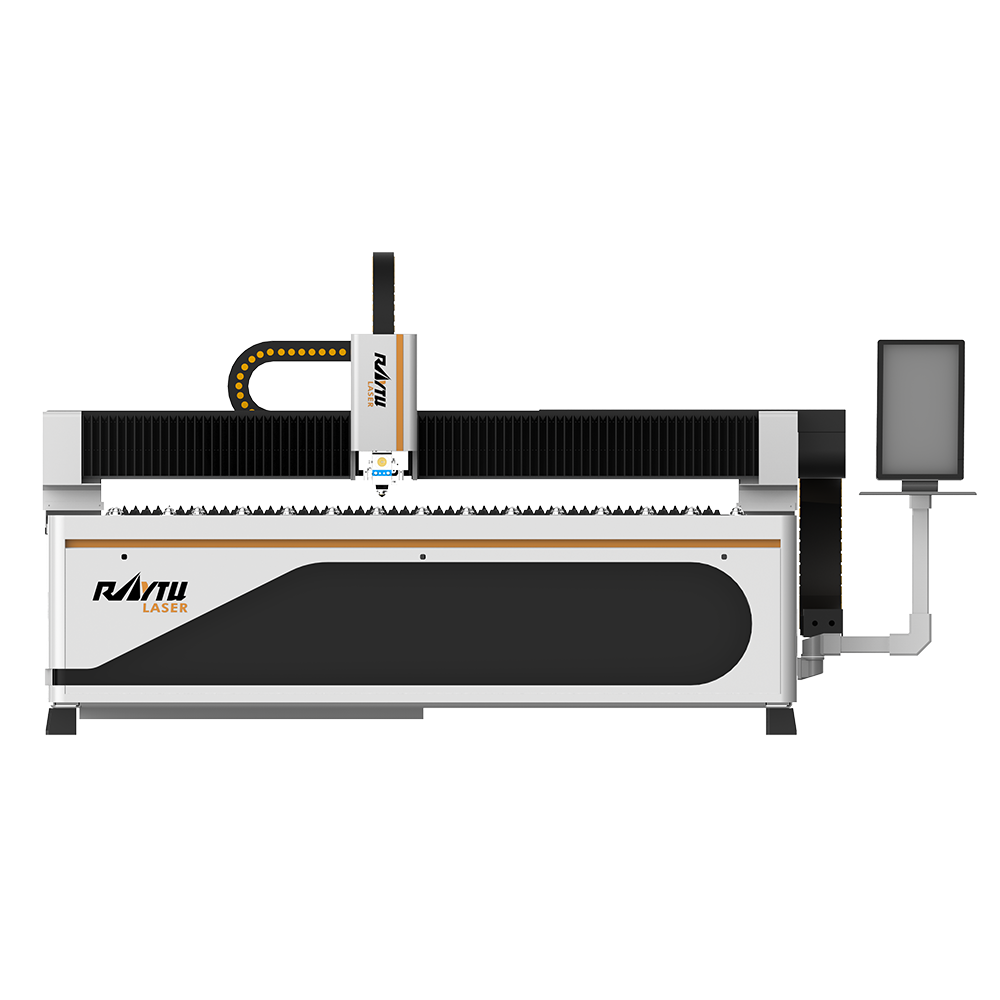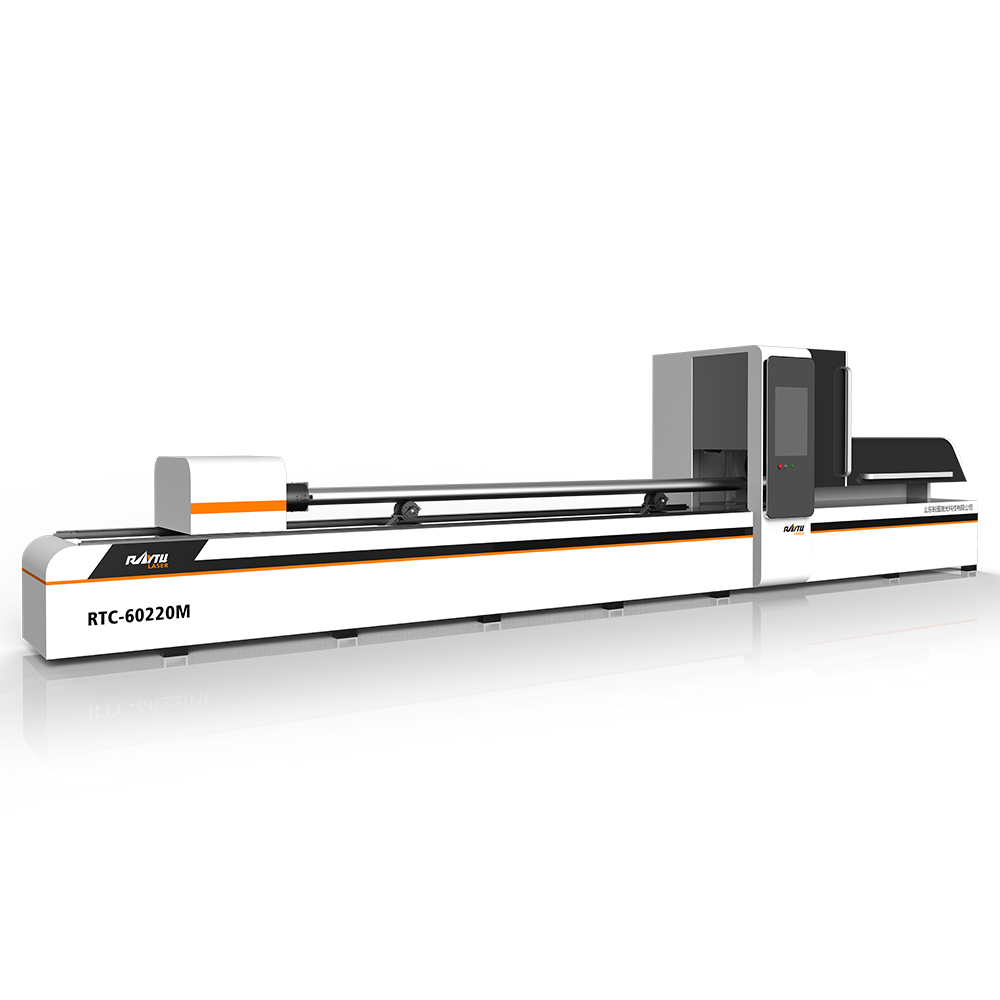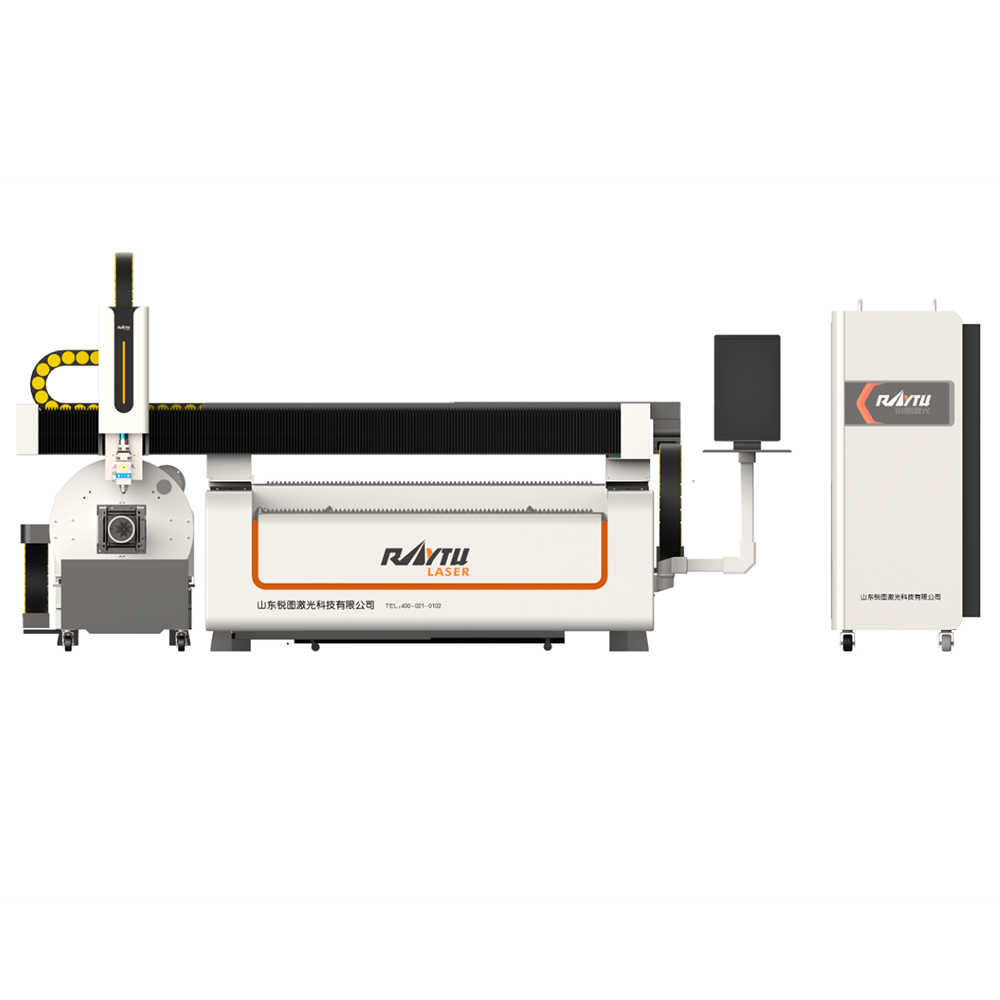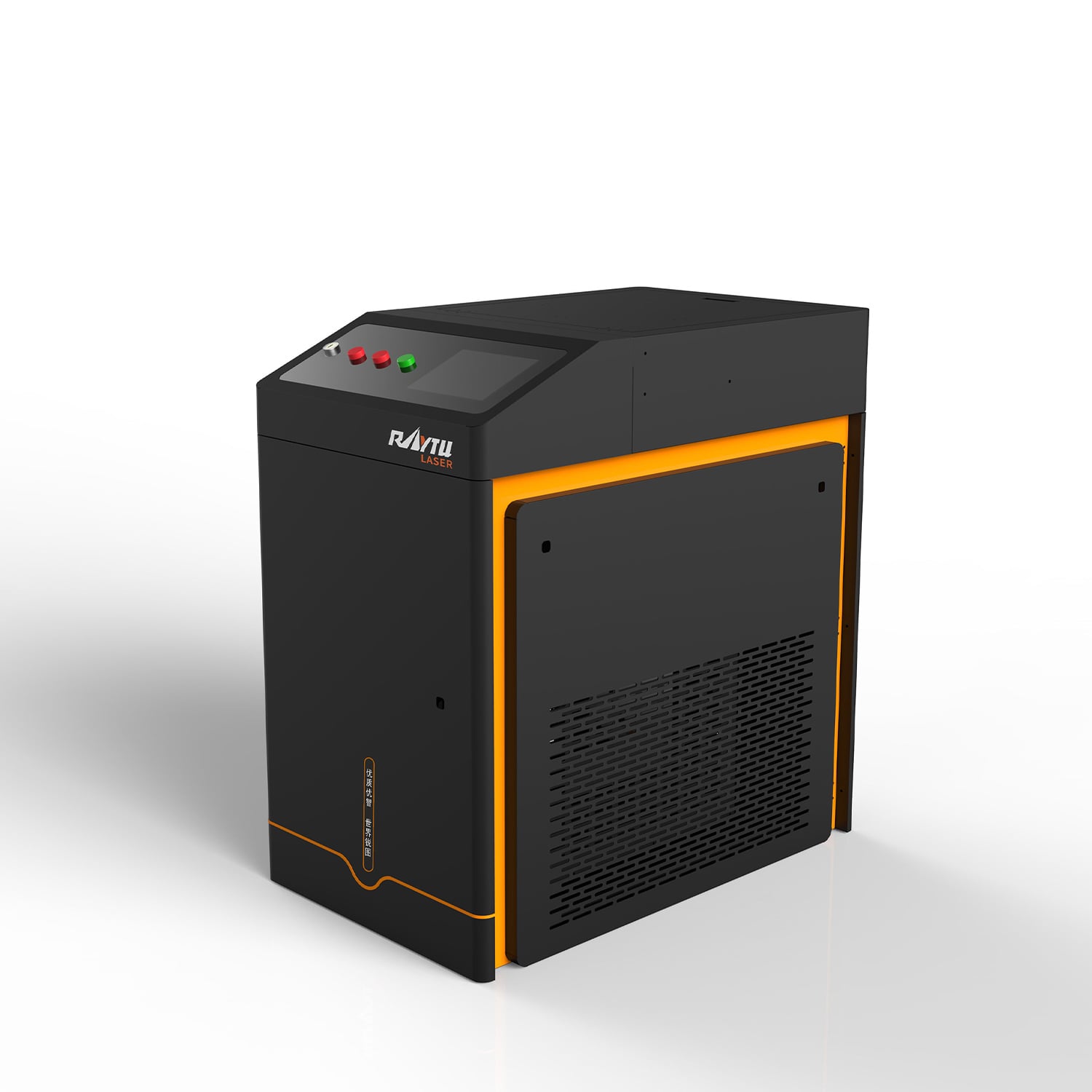
Біз жұмсалатын бұйымдар туралы сөйлескенде, біз олардың тез тозатынын, қысқа қызмет ету мерзімі барын және тұрақты түрде ауыстырылуы керек екенін – мысалы, соплар, керамикалық сақиналар және қорғаныс линзаларын – көрсетеміз. Осы жұмсалатын бұйымдарды, олардың рөлдерін және оларды тиімді басқаруды түсіну лазерлі кесу операцияларыңыздың өнімділігі мен құн тиімділігін сақтау үшін өте маңызды.
Металл өңдеу кезінде қорғаныс линзалары кесу кезінде пайда болатын тозаң, шашырау және басқа қиратушы заттардан фокустау линзалары тобын және коллумациялау линзалары тобын қорғауда маңызды рөл атқарады. Әдетте, талшықты лазерлі кескішке жоғарғы және төменгі қорғаныс линзалары орнатылады, ал төменгі линза ластануға әлдеқайда бейім. Егер қорғаныс линзасы зақымданса, лазерлі басы жарық шығармауы, қорғаныс линзасы қойылған қапшығының зақымдануы немесе тіпті фокустау линзасының зақымдануы мүмкін.
Сіз жоғары сапалы қорғаныс линзаларын қалай таңдай аласыз? Алдымен линзаның өлшемдері сіздің машинаңызға сәйкес келетініне көз жеткізіңіз. Содан кейін өзіңіздің нақты кесу ортасыңыз бен лазер қуатыңызға сәйкес линза материалы мен антиқұйылу қабатының параметрлерін таңдаңыз. Оптималды жұмыс істеу мен қауіпсіздікті қамтамасыз ету үшін жарық өткізуі жоғары, жоғары қысымға төзімді және дәл жасалған линзаларды таңдау ұсынылады.
Керамикалық сақина лазерлік басының шашыратқышынан электрлік сигналдарды беру мен жинау үшін маңызды. Ол бірнеше мақсатқа ие: мысалы, лазерлік кесу басын соққыдан және ластанудан тиімді қорғау, жылу шашырауын қамтамасыз ету және тұрақты жұмыс істеуді қамтамасыз ету. Егер керамикалық сақина зақымданса, сигналдардың берілуінде тұрақсыздық туындайды, бұл кесу басы мен металл парағы арасындағы қашықтықты дәл анықтауды қиындатады және кесу басының өңделетін бұйымға соғылу қаупін арттырады. Керамикалық сақинаны таңдаған кезде оның сигналдарды тұрақты беруге қабілетті, жоғары сезімталдыққа ие болуы, сондай-ақ жылуға төзімділігі мен жоғары температурада желімнің тұрақтылығы маңызды.
Қиылу басына орнатылған сопло көмекші газ ағысын бағыттауда маңызды рөл атқарады. Ол лазер сәулесінің фокустық орнын реттеу және қиылу кезінде пайда болатын балқыған материал сияқты қалдықтардың қиылу басына шағылысуын және фокустаушы линзаның зақымдануын болдырмау сияқты әртүрлі маңызды функцияларды орындайды. Әртүрлі материалдар мен қалыңдықтарды қиған кезде қиылу сапасын сақтау үшін соплоның тиісті диаметрін таңдау өте маңызды. Егер сопло тесігінің диаметрі өте үлкен болса, қиылу кезінде шашыраған балқыған материал сопло арқылы өтіп кетуі мүмкін, нәтижесінде линза ластануы мүмкін. Бұл линзаның зақымдану қаупін көтереді, линзаны қорғау деңгейін төмендетеді және оның қызмет ету мерзімін қысқартады. Сондықтан дұрыс сопло өлшемін таңдау қиылу сапасы мен жабдықтың қызмет ету мерзімі үшін де өте маңызды.
Суықтатқыш және лазерлік көз үшін сүзгілер мен суытқыш сұйықтығы — негізгі тұтынуға жататын заттар. Сүзгілер су ыдысындағы қоспаларды алып тастауға және иондар деңгейін реттеуге маңызды үлес қосады, бұл лазерлік көздің тұрақты жұмыс істеуін қамтамасыз етеді. Жоғары сапалы сүзгілер лазерлік сәулеленудің әлсіреуін азайтады және лазерлік көздің қызмет ету мерзімін ұзартады. Суытқыш сұйықтығы лазерлік көз бен кесу басының температурасын тұрақты ұстап тұру үшін қолданылады, ол құрылғының тиімділігі мен қызмет ету мерзімін қамтамасыз етеді. Жоғары сапалы сүзгілер мен суытқыш сұйықтығына инвестициялар салу CNC талшықты лазерлік кесу станогыңыздың тиімділігі мен тұрақтылығын қатты арттырады.
Көмекші газдар лазерлік кескіштер үшін маңызды болып табылады және негізінен екі топқа бөлінеді. Бірінші топқа кесу басына берілетін кесу газдары, мысалы, таза, құрғақ сығылған ауа, жоғары тазалықтағы оттегі және жоғары тазалықтағы азот кіреді. Екінші топқа цилиндрлерде бекіту үшін қолданылатын көмекші газдар жатады. Әртүрлі материалдар мен металл парақтарының әртүрлі қалыңдықтарын кескен кезде сәйкес көмекші газды таңдау өте маңызды. Оттегі негізінен көміртекті болатты кесуге қолданылады; азот негізінен коррозияға төзімді және қоспалы болаттарды кесуге ең жарамды, ал сығылған ауа жоғары сапалы кесу шетінің қажеттілігі төмен болған кезде жұқа парақтарды кесуге идеалды. Жабдықтың ақауға ұшырауын және мүмкін болатын қауіпсіздік қаупін болдырмау үшін өндірушінің көрсеткен тазалық деңгейлеріне қатаң бағыну қажет. Газдар су мен май сияқты қоспалардан бос болуы керек, сонымен қатар жұмыс істеу кезінде газ қысымын үнемі бақылау керек, осылайша оптималды жұмыс істеу мен қауіпсіздікті қамтамасыз етуге болады.
Майлағыштар механикалық бөлшектерде үйкелісті және тозуды азайту үшін қолданылады. Машинаңыздың салыстырмалы түрде тегіс жұмыс істеуін қамтамасыз ету үшін, сондай-ақ тісті берілістер, роликті тірек және сызықтық бағыттаушылар сияқты бөлшектердің қызмет ету мерзімін ұзарту үшін ретті майлау мен майлағыштарды алмастыру қажет.
 Қызығушылық тудыратын жаңалықтар
2026-09-08
2025-09-11
2025-08-25
2025-08-04
RT Laser - лазерлік жабдықтарды зерттеу, әзірлеу, өндіру және сату бойынша маманданған ұлттық деңгейде танылған жоғары технологиялық кәсіпорын. Біздің негізгі өнімдерімізге талшықты лазерлік кесу машиналары, қолмен лазерлік дәнекерлеу машиналары және иілу машиналары кіреді.
No.6-8, Binhe industrial park, Jiyang district, Jinan city, Shandong province, China.
Copyright © 2025 by RAYTU LASER Technology Co.,Ltd. ЖЕКЕ МӘЛІМЕТТЕРДІ ҚОРҒАУ САЯСАТЫ
 EN
EN