
 EN
EN
Precision and Accuracy in Construction Projects
How Fiber Laser Technology Enhances Cutting Precision
Fiber lasers have become essential for achieving precise cuts in construction work. The way these systems work is pretty straightforward really they focus laser energy so tightly that the beam doesn't spread out much, which means incredible precision when cutting materials. Metal fabricators who switch to fiber laser cutting equipment notice明显 better accuracy than what traditional methods can offer. Industry insiders point out that one major advantage comes from narrower kerf widths produced by fiber lasers, leading to smoother surfaces on finished products. Stiaan Jordaan from TW Tube Laser and Processing puts it plainly: "Our clients see real differences with fiber tech. We get cleaner cuts with less material waste, and our surface finishes meet higher standards consistently." This makes fiber laser technology indispensable for structural steelwork and other demanding construction applications where exact measurements matter most.
CNC-Controlled Operations for Architectural Components
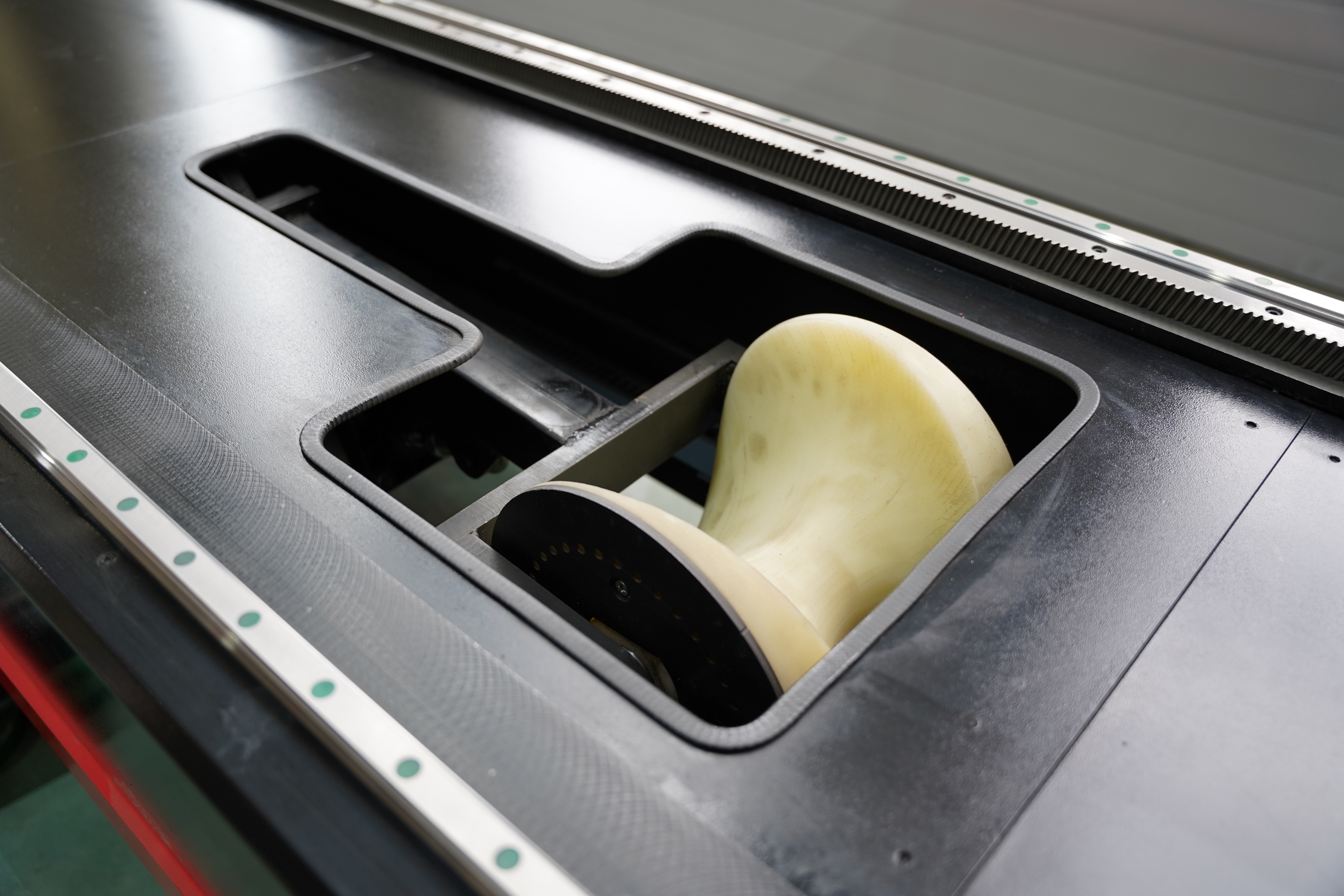
Bringing CNC (Computer Numerical Control) tech into cutting operations has really changed how precisely and efficiently we make architectural components. These machines handle all sorts of intricate cuts that would be nearly impossible manually, and they do it with far fewer mistakes than traditional methods. The biggest plus? Time saved across the board. Architects can get exact copies of their components without waiting around for human errors to slow things down. When paired with CAD software, the whole process becomes much smoother too. Designs move directly from computer screens to actual materials through CNC laser cutters, which helps maintain that critical level of detail needed in architecture. Studies show that switching to CNC controlled processes doesn't just speed things up; it actually makes the final products better quality overall. For anyone working on serious architectural projects, these machines have become pretty much essential nowadays.
Enhanced Efficiency and Productivity on Job Sites
Rapid Processing Speeds for Tight Construction Deadlines
Laser cutting machines really stand out because they process materials so fast, something that's making waves across construction sites everywhere. These machines slash processing time, letting crews finish jobs way ahead of schedule. Take tube laser cutting specifically it can crank out metal parts at incredible speed. We've seen this in action on several big projects recently where what would normally take months got done in just a few weeks instead. Industry pros keep pointing out how this speed isn't just good for meeting deadlines but actually makes the whole worksite run better too. A contractor I spoke with last month put it simply: "When our laser cutter is running full tilt, we don't get stuck waiting for parts anymore. Everything flows smoother and gets completed on time, sometimes even earlier than planned."
Automated Loading Systems for Continuous Operation
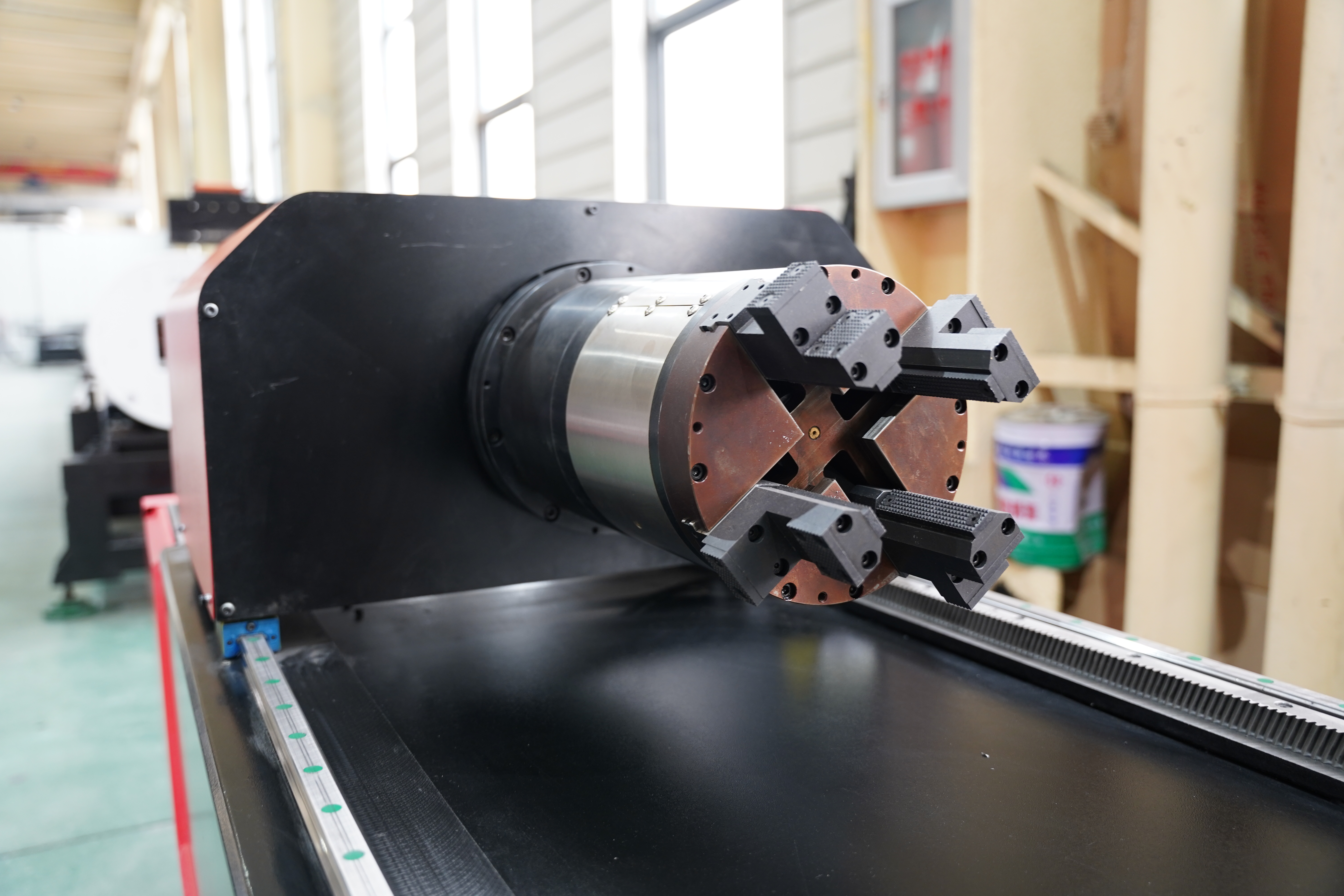
Loading systems that automate themselves help cut down on those frustrating pauses between cuts in manufacturing processes. For shops wanting to keep their production lines running hot, these automated setups make all the difference since they eliminate those awkward transitions when operators have to step in manually. Some factories report getting anywhere from 15% to 30% more operating time simply because workers aren't fumbling around with materials anymore. When companies start adding robots to handle the heavy lifting during material transfers, things get even better. Not only does everything move faster, but there's also less chance of someone getting hurt while grabbing parts or adjusting loads. Factories dealing specifically with sheet metal cutting see particularly good results here too. The whole system just keeps humming along without constant supervision, which means projects don't stall out waiting for human intervention and everyone finishes jobs ahead of schedule most of the time.
Versatility for Diverse Construction Needs
Adapting to Multiple Materials: From Structural Steel to Plumbing Pipes
Laser cutting machines are really versatile when it comes to working with different materials, everything from heavy duty structural steel right down to those small plumbing pipes we see everywhere. What makes them so good at this is their advanced tech setup which lets them cut through all sorts of metals with varying thicknesses. Take fiber laser cutting machines for example they switch back and forth between big structural parts like building frames and much smaller, detailed work needed for plumbing systems without missing a beat. The numbers don't lie either these modern machines beat traditional cutting methods hands down in terms of what they can handle and how fast they get the job done. We've seen them used on massive support beams in construction projects one day and then fine piping arrangements in residential plumbing jobs the next, proving just how adaptable they truly are.
Handling Complex Geometries in Building Designs
Laser cutting machines really excel when dealing with complicated shapes in today's buildings. Architects and engineers love them because they let folks create all sorts of intricate designs that would be tough or impossible with old school methods. Take tube laser cutters for instance these can slice through metal with pinpoint accuracy for those fancy geometric forms that define modern architecture. What makes this work so well? Better software programs now that actually understand how to translate wild ideas into something real on the factory floor. Beyond just looking good, being able to manage these complex shapes means stronger structures too. That's why laser cutting has become pretty much essential for anyone working on cutting edge construction projects nowadays.
Cost-Effectiveness and Reduced Labor Requirements
Minimizing Material Waste in Large-Scale Projects
Laser cutting cuts down on wasted materials because it's so precise, which helps out a lot in big construction jobs. Traditional cutting methods leave behind quite a bit of scrap material, but laser cutters, especially those designed for tubes, get the job done with amazing accuracy that just doesn't happen with older techniques. Some studies show that laser cutting can actually reduce waste by around 30 percent when compared to what we used to do before. And this matters for two reasons really. First, it saves money on the bottom line since less material gets thrown away. Second, it helps the environment too by cutting down on all that extra stuff ending up in landfills and creating less carbon emissions from manufacturing processes. Construction companies looking to save cash without sacrificing quality find these machines indispensable nowadays, particularly as green building regulations become stricter across the industry.
Lower Operational Costs Through Automated Precision
Laser cutting machines with automation features cut labor costs and make construction operations run smoother overall. These machines handle complex and repetitive cutting jobs without needing so many workers, which obviously brings down expenses. Many businesses that bought into laser cutting tech tell us they start seeing their money back within just a couple of years because everything runs cheaper and the cuts are much more accurate. The numbers back this up too something around 20% less spent on operations when compared to old school manual methods. Contractors who've switched over love how much money stays in their pockets while projects finish quicker than before. They can now throw their resources where they're needed most instead of wasting time on tedious cutting work.
Applications in Modern Construction Projects
Fabricating HVAC System Components
Getting things right matters a lot when making parts for HVAC systems since they need to fit into complicated building designs without problems. Laser cutting makes this possible because it creates pieces that match specifications exactly with clean edges. This means less air leaks and better performance across the whole system. We've seen this work well in practice too. Contractors report fewer issues with parts not fitting properly after switching to laser cutting methods. What's really helpful is how flexible laser cutting can be. Designers can tweak sizes and shapes according to what each job actually needs, which makes HVAC systems much easier to adapt for different kinds of buildings and spaces throughout construction projects.
Creating Custom Structural Steel Connections
For anyone working on custom structural steel connections, getting things right matters a lot when it comes to both accuracy and following safety rules. Metal laser cutters really shine here because they help ensure every joint meets those tough industry standards. We've seen this tech at work in all sorts of big projects lately, especially in tall buildings and bridge construction where old school methods just don't cut it anymore. What makes these custom solutions so valuable is their flexibility for adapting to whatever strange structural issues come up during construction. Engineers love being able to tackle those tricky cuts for complicated shapes without having to worry about safety risks or functional problems down the road. Sure, there are still some limitations, but overall the precision offered by modern laser systems opens up whole new possibilities for creative engineering solutions.
Precision Cutting for Architectural Metalwork
Getting architectural metalwork right takes a lot of precision work if it needs to function properly while still looking good. CNC laser cutters give designers the fine detail they need for complicated shapes, which really makes the finished product stand out visually. We've seen this tech used in all sorts of buildings worldwide, from concert halls to office towers, where the metal parts add both strength and style. Looking ahead, there seems to be a growing interest in creating more complicated forms and incorporating green materials into these metal components. Architects who want their buildings to be both environmentally responsible and visually striking find these laser cutting systems absolutely essential for bringing their ideas to life.