
 EN
EN

Cost-Effective Production for Small Factories
Reducing Material Waste with Narrow Kerf Technology
For small manufacturing shops trying to cut down on wasted materials and get more value from their raw stock, narrow kerf tech represents something truly valuable. The approach works by focusing the laser beam into a much thinner cut than standard equipment allows, which means less material gets lost in the cutting process itself. Research indicates that companies adopting this method often see around a 20% drop in scrap materials, translating directly into better bottom line results. What makes this particularly appealing is how it addresses both environmental concerns and financial realities at once. When production runs become more efficient, smaller operations stand a better chance against bigger competitors who might otherwise dominate market share through sheer volume alone.
Lower Energy Consumption Compared to Traditional Lasers
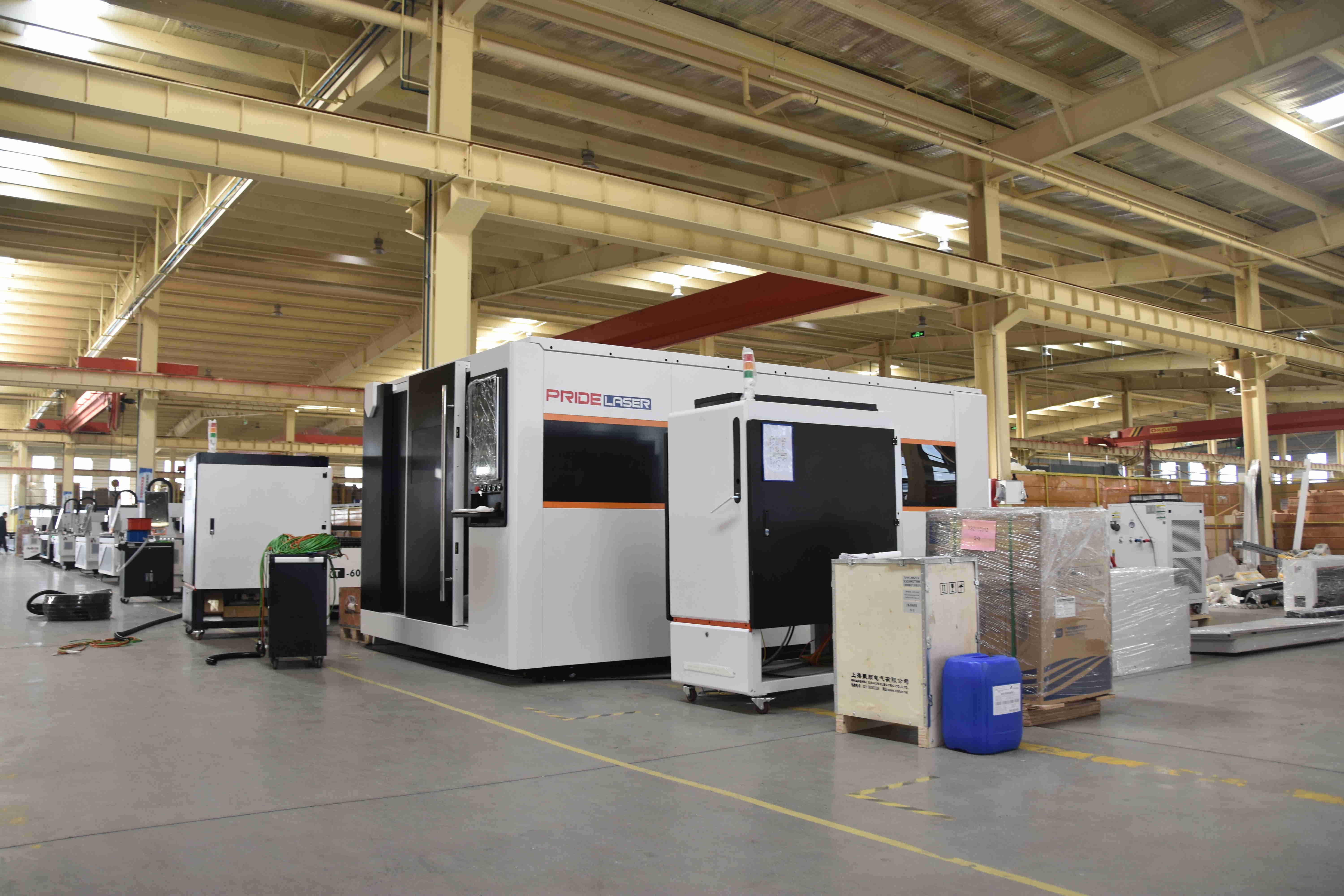
Fiber laser cutting machines use far less power than old school CO2 lasers, saving money on those electric bills month after month. Energy audits show these newer systems cut power usage around half sometimes, making them a real godsend for smaller manufacturing shops trying to keep expenses down. With better efficiency comes extra cash flow that factory owners can put into things they really need like hiring more skilled workers or getting new equipment for their production lines. Beyond just saving dollars, this efficiency actually makes operations run smoother too, giving small manufacturers a fighting chance against bigger competitors who might otherwise eat their lunch in the marketplace.
Minimal Maintenance and Long-Term Savings
Small manufacturing shops working with tight budgets really benefit from fiber lasers since they need so little maintenance thanks to their simple construction with few moving parts. The machines just don't wear out as fast, which means mechanics spend less time fixing them and factories spend less cash on repairs. A recent industry study found that businesses switching to fiber laser cutters typically save around $5,000 to $10,000 annually on maintenance alone. For shop owners looking at both today's needs and tomorrow's possibilities, these lasers offer good value right now while setting up better financial prospects down the road. When repair bills shrink, owners have more breathing room to invest in new equipment or hire extra staff rather than constantly patching old machinery, which helps these smaller operations grow steadily over years instead of just surviving month to month.
Precision and Quality for Complex Designs
High Accuracy in Cutting Reflective Metals
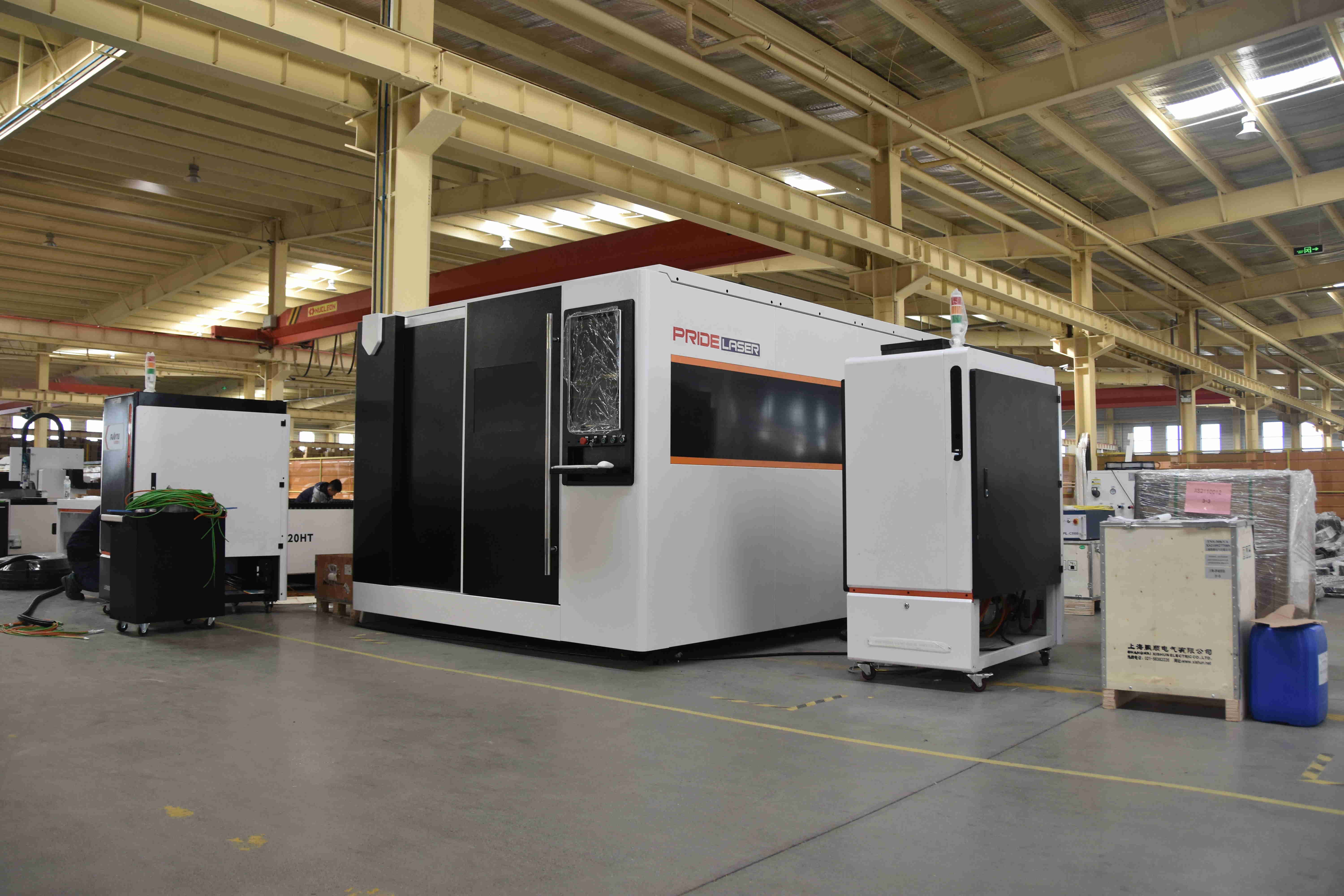
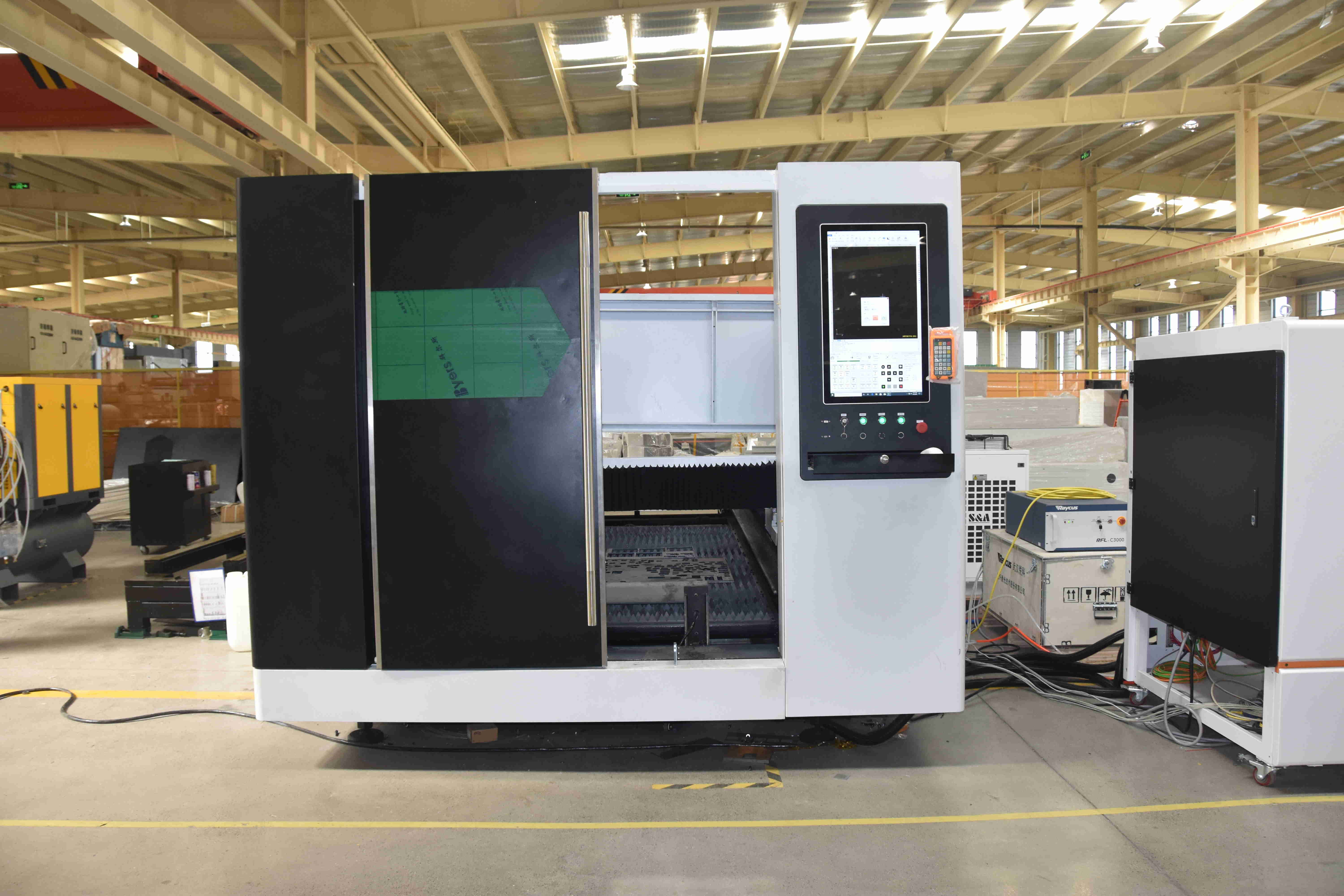
Fiber laser cutting machines do a great job at making those super accurate cuts on reflective metals something that matters a lot for industries where specs need to be spot on. Materials such as aluminum and copper give traditional methods real headaches because of how they reflect light back at the equipment. But fiber lasers? They've changed the game completely. These systems can hold tolerances down to around 0.1 mm either way, which means parts come out looking pretty much perfect every time. What makes them work so well is their ability to handle those pesky reflections without damaging themselves or losing track of where they're cutting. For sectors like aerospace engineering or car manufacturing where even tiny flaws won't cut it, this kind of precision isn't just nice to have it's practically indispensable.
Clean Edges Eliminating Secondary Processing
Fiber laser cutting machines have one major benefit they create really clean edges that don't need any extra work like grinding or polishing afterward. This makes things much simpler on the shop floor because workers spend less time dealing with cleanup tasks, so overall production takes less time and money. The clean cut quality also helps keep production areas organized since there's not so much leftover material to deal with. Some shops report savings around 30% when it comes to those extra finishing expenses. When manufacturers cut down on these additional steps, their bottom line improves significantly. They can then pass these savings along to customers through better prices without sacrificing quality standards. Better pricing combined with consistent quality tends to build stronger relationships with clients who appreciate getting good value for what they pay.
Handling Intricate Patterns for Custom Orders
Fiber lasers really shine when it comes to working on detailed patterns, which helps satisfy those tricky custom order requests and keeps customers happy. What makes these lasers so valuable is their flexibility allowing manufacturers to tweak designs on the fly, making quick prototypes and getting products out faster than ever before. This kind of adaptability means companies can take on all sorts of special requests without breaking a sweat, opening up whole new markets they might not have considered before. Take industries like consumer electronics manufacturing or bespoke metal fabrication shops for instance. These businesses need both creative freedom and rock solid accuracy at the same time. Fiber lasers deliver exactly that combination, hitting each tiny design element just right while still moving at production speeds.
Speed and Efficiency in High-Volume Manufacturing
Faster Cutting Speeds for Tight Deadlines
Fiber laser cutting machines really boost things up compared to old school cutting techniques because they run so much faster. For smaller shops trying to hit those tough deadline targets, this makes all the difference. Some models can slice through materials at over 20 meters per minute which means manufacturers can crank out products quicker without breaking a sweat. When companies need to produce large quantities fast, these machines help them keep up. And let's face it, in today's cutthroat market environment, being able to deliver on time often means the difference between making money and losing customers to competitors who simply get their work done faster.
CNC Automation for Consistent Output
CNC automation really makes a difference when it comes to keeping things consistent and up to standard during mass production runs. The machines just don't make those little mistakes humans sometimes do, so every product coming off the line looks pretty much the same. Manufacturers love being able to watch what's happening on the shop floor without having to constantly check manually. They get instant feedback if something starts going wrong mid-production. Most modern CNC setups come equipped with smart controls that automatically tweak settings when conditions change slightly during operation. This means fewer rejected parts and less material wasted overall, which adds up to big savings over time for any factory floor manager worth their salt.
Scalability for Growing Production Demands
Fiber laser cutters give small manufacturing shops the ability to handle bigger orders when business picks up, all while keeping expenses under control. When companies invest in equipment that scales well, they actually grow their capacity to meet whatever comes next in the marketplace. Think about it this way: when customer demands shift overnight, these shops aren't stuck scrambling to find alternatives. The whole point is being able to ride out the ups and downs of manufacturing without breaking the bank on new machinery every time things change direction. For many factory owners, having scalable technology means the difference between surviving tough markets and getting left behind altogether.
The speed and efficiency delivered by fiber laser cutting machines underline their significance in modern manufacturing processes. This technology ensures manufacturers not only meet current demands but are also well-equipped for future expansions, all while maintaining high standards of production quality.
Versatility Across Materials and Industries
Cutting Stainless Steel, Aluminum, and Copper
Fiber lasers cut through all sorts of stuff really well stainless steel, aluminum, copper the works. That's why they show up everywhere from automotive shops to aerospace manufacturing facilities. What makes these lasers stand out is how they focus the beam so tightly that it creates clean cuts even when working with tricky materials that would give old school cutting methods fits. One thing people love about fiber lasers is how easy they are to switch between different materials without spending ages on setup adjustments. This saves plenty of time on the shop floor and keeps production moving smoothly without those annoying downtimes we all hate.
Adapting to Thin Sheets and Thick Plates
What makes fiber laser cutting machines so special? They handle everything from super thin metal sheets right up to heavy duty thick plates with equal ease. For smaller manufacturing shops, this kind of versatility is gold dust. No need to invest in multiple machines just to switch between different materials or thicknesses when orders come in. The real magic happens when dealing with mixed batches where some parts are thin and others are chunkier. These lasers adjust on the fly, maintaining clean cuts throughout without anyone having to babysit the machine constantly. Shops that have made the switch report being able to take on more varied work while keeping production times down.
Applications in Automotive, Electronics, and Fabrication
Fiber laser cutting machines work wonders in lots of different fields including cars and electronics because they cut so precisely and quickly. Take the auto industry for instance these machines make parts that need to be just right for keeping people safe inside vehicles. When it comes to electronics stuff gets really tight since tiny mistakes can cause big problems down the line. That's where fiber lasers shine they handle those super detailed pieces without messing things up. Fabrication shops have caught on too using these machines to churn out complex parts faster than ever before. No wonder manufacturers consider them pretty much indispensable nowadays when talking about efficient production methods.
Overcoming Challenges in Small-Scale Operations
Affordable Entry-Level CNC Laser Machines
CNC laser machines that don't cost an arm and a leg are opening doors for small shops to get their hands on serious tech. The fact that these machines have dropped in price means factory owners can finally afford decent quality gear without breaking the bank. Small manufacturing outfits are now able to step up their game against bigger competitors who once had all the advantages. What we're seeing is a real change in the marketplace where mom and pop operations can actually compete with major players by using the same kind of cutting edge equipment that used to be way out of reach for anyone but the largest corporations.
User-Friendly Software for Limited Technical Expertise
Fiber laser cutting machines nowadays come with software that's much easier to use than older models, which is great news for shops that don't have lots of tech experts on hand. The new interfaces make running these machines straightforward stuff, so there's no need to spend weeks getting everyone trained up. For small businesses struggling with tight budgets, this means regular employees can pick things up fast and start working on projects right away. A local fabrication shop in our area was able to cut down their setup time by half after switching to one of these systems, all while keeping their existing crew intact instead of hiring expensive specialists.
Quick ROI Through Reduced Operational Costs
Small factories that switch to fiber laser cutting tech usually get their money back pretty fast. Most report seeing real cash savings within just one year after installation. Looking at what makes this happen, industry reports keep pointing to lower material waste and fewer labor hours as big reasons behind the quick payback. Take XYZ Manufacturing for example they cut their electricity bills by almost 30% while also slashing production times. When companies integrate these systems properly, they don't just save money they actually become more competitive in their markets. The bottom line is clearer profits and better chances to grow without breaking the bank.
Table of Contents
-
Cost-Effective Production for Small Factories
- Reducing Material Waste with Narrow Kerf Technology
- Lower Energy Consumption Compared to Traditional Lasers
- Minimal Maintenance and Long-Term Savings
- Precision and Quality for Complex Designs
- High Accuracy in Cutting Reflective Metals
- Clean Edges Eliminating Secondary Processing
- Handling Intricate Patterns for Custom Orders
- Speed and Efficiency in High-Volume Manufacturing
- Faster Cutting Speeds for Tight Deadlines
- CNC Automation for Consistent Output
- Scalability for Growing Production Demands
- Versatility Across Materials and Industries
- Cutting Stainless Steel, Aluminum, and Copper
- Adapting to Thin Sheets and Thick Plates
- Applications in Automotive, Electronics, and Fabrication
- Overcoming Challenges in Small-Scale Operations
- Affordable Entry-Level CNC Laser Machines
- User-Friendly Software for Limited Technical Expertise
- Quick ROI Through Reduced Operational Costs