
 EN
EN
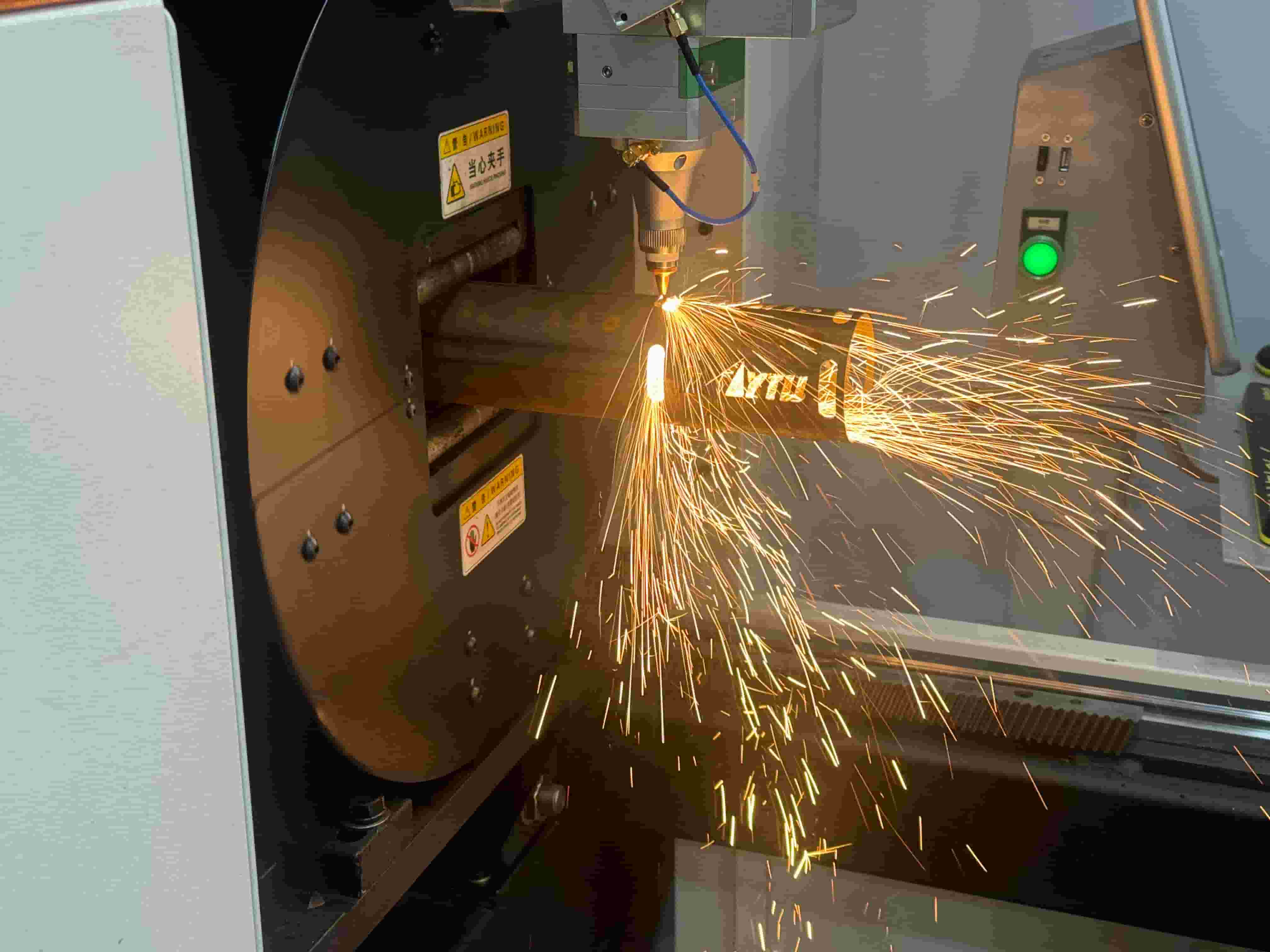
How Laser Welding Machines Work
Key Principles of Laser Welding Technology
Laser welding works by focusing intense beams of light onto materials to melt them together with minimal warping. Basically, the process directs a super concentrated light beam at whatever needs joining, melting the surfaces so they bond seamlessly when cooled down. What makes this technique stand out is how clean the results are most of the time, often requiring little extra cleanup after the fact. Getting good results depends heavily on how the laser interacts with different materials. Things like the color of light used (wavelength) and how tightly focused the beam is can make all the difference between a perfect weld and one that fails under stress. Adjusting settings like power levels and speed isn't just technical fine tuning it's practically everything for shops that need consistently strong connections. That's why we see laser welding everywhere now from building jet engines to crafting tiny parts inside pacemakers.
Continuous Wave vs. Pulsed Laser Systems
Laser systems basically fall into two main categories: continuous wave (CW) lasers and pulsed lasers, both offering distinct benefits depending on what needs to get done. The CW lasers give off constant power, so they work great for welding thick stuff and doing fast operations without stopping. Their consistent heat makes them good choice for getting deep penetration welds. Pulsed lasers work differently though. They release energy in short bursts, giving much better control over how much heat goes into the material. This helps reduce warping and makes them perfect for delicate work where we don't want too much heat damage. When deciding between these options, shop owners need to think about things like what kind of material they're working with, how quickly they need results, and exactly what kind of job requirements there are. For instance, many factories rely on CW lasers for their high speed capabilities, but when someone needs to do fine detail work on sensitive components, pulsed lasers tend to be the way to go. Getting this distinction right means manufacturers can pick the right tool for the job across all sorts of different production environments.
Productivity Benefits of Laser Welding
High-Speed Welding with Minimal Heat Input
Laser welding stands out because it works much faster than old school methods and puts less heat into what's being welded. Production gets a real jumpstart when switching to this technology since jobs finish quicker and factories can handle more work overall. What makes laser welding special is how accurately it creates complex shapes without overheating parts that might get damaged otherwise. Some studies show that going with high speed laser options boosts productivity around 40% better than regular welding approaches. Beyond just making things go faster on the factory floor, these lasers actually protect fragile materials during the process too.
Reduced Post-Processing and Material Waste
Laser welding stands out because it cuts down on all that extra work after the initial process, like grinding and machining parts. The precision of this method saves both time and money compared to old school finishing techniques, which makes production lines run smoother overall. Since lasers deliver energy so focused, there's just not much material wasted during manufacturing while still keeping tight tolerances. Some factories report around 30% less scrap when they switch to laser welding systems. Less waste means saving materials and money, something manufacturers love since it fits right into their green initiatives without sacrificing quality or efficiency.
Energy Efficiency and Cost Savings
Laser welding systems tend to be way more energy efficient compared to old school welding techniques, which can lead to real money savings for manufacturers. These systems use less electricity during operation, cutting down on those monthly utility bills that eat into profits. Plus, laser equipment generally lasts longer before needing repairs or replacement parts, so there's less downtime and maintenance spending over time. Many manufacturing firms have seen their energy costs drop around 20-25% after switching to laser tech, according to industry reports from several major players in metal fabrication. Beyond just saving cash, this efficiency gives companies a competitive edge while helping them manage resources better in the long run, something that matters increasingly as environmental regulations tighten across different markets.
Laser Welding vs. Traditional Welding Methods
Precision Comparison: TIG and MIG vs. Laser
When it comes to precision work, laser welding really stands out compared to older techniques like TIG and MIG welding. The way laser beams concentrate their energy allows for much narrower welds, something that makes all the difference when working on intricate components. Take medical device manufacturing for example, where tolerances down to about 0.1 mm are possible. That kind of accuracy means better products overall and fewer times when parts need fixing or replacing. Industries dealing with aerospace components or microelectronics especially benefit from this capability since even tiny deviations can cause major problems downstream. Manufacturers who switch to laser systems often find themselves saving money in the long run while still meeting those strict quality standards.
Handheld Laser Welding for Flexible Operations
Handheld laser welding machines have changed how people approach welding jobs when mobility matters most. Workers can tweak settings while moving around job sites, which makes all the difference for fixing equipment or making last minute changes at construction sites. According to industry reports, these portable units cut down setup times by roughly 40% over conventional welding gear. The ability to adjust on the fly speeds up projects significantly, especially in situations where conditions keep changing throughout the day. That's why many professionals now reach for handheld lasers whenever they need to get quality welds done fast without dragging heavy equipment across multiple locations.
Applications in High-Output Industries
Automotive Manufacturing and Sheet Metal Fabrication
The automotive world is seeing big changes thanks to laser welding tech that's making assembly lines run faster than ever before. Car manufacturers can now weld together really complicated sheet metal parts with amazing accuracy and strength, cutting down on production time noticeably across the board. What's interesting is how this laser tech fits right into what the auto industry has been working toward for years now – lighter weight but stronger materials that help cars burn less fuel and put out fewer emissions. These laser systems give just enough control and automation power to handle tricky combinations like aluminum mixed with high strength steel, something that makes today's vehicles much safer while still holding up against all sorts of road conditions and accidents.
Aerospace Components and Medical Device Production
Laser welding plays a critical role in aerospace manufacturing where they need to build strong yet light components for aircraft construction. The precision this technique delivers helps keep aerospace parts intact even when exposed to intense heat, vibration, and pressure during flight operations. When it comes to medical devices, manufacturers depend on laser welding techniques to meet strict standards for sterility and exact measurements in operating rooms. Hospitals require their surgical instruments and implantable devices to be free from contamination risks while maintaining structural soundness. Industry reports show that facilities adopting laser welding technologies have seen better product consistency rates across both sectors. As aerospace companies push for lighter materials and medical manufacturers face stricter regulations, we're seeing increased investment in advanced laser systems that can handle these demanding requirements.
Integrating Fiber Laser Cutting with Welding Systems
Putting fiber laser cutting together with welding systems represents a smart move for manufacturers looking to cut down on wasted time during production. When these two processes work hand in hand, there's less need to move parts around between stages, which saves both time and money. Factories that have adopted this combined approach often see their output jump by around 20% or more. The real benefit comes from how much faster everything goes when cutting and welding happen in one continuous flow rather than separate steps. What's interesting is that beyond just saving time, this integration actually leads to better end results too. Parts tend to be more accurate and consistent since there are fewer opportunities for errors during handling. For businesses in sectors where volume matters most, like automotive or appliance manufacturing, this kind of system makes all the difference in staying competitive while keeping costs under control.
Automation and Future Trends
Cobot-Assisted Laser Welding Systems
Manufacturing is seeing a big shift thanks to collaborative robots, commonly called cobots, that work right beside laser welding machines to boost both efficiency and workplace safety. These robots handle all the boring repeat tasks, letting experienced welders focus their skills on solving tricky problems instead of getting bogged down in routine work. More and more factories are looking for ways to automate, and we expect to see around 30% growth in cobot assisted systems over the next ten years give or take. Take IPG Photonics for instance they've got their LightWELD laser tech working with cobots now, something they'll show off at FABTECH 2024. What makes these setups so good? They actually help skilled workers do better work faster because of those preset configurations that cut down on setup time and consistently deliver quality results without all the guesswork.
Smart Manufacturing and IoT Integration
Bringing together IoT tech with laser welding is really changing how factories operate these days, especially when it comes to keeping machines running smoothly before they break down. The real magic happens through instant data analysis during welding operations, letting technicians spot issues early and tweak settings on the fly to maintain product quality. Factories adopting this approach often see around 25 percent less time wasted waiting for repairs, according to recent studies from several major manufacturers. Industry experts predict that as more companies integrate IoT into their laser welding setups, we'll start seeing smoother production lines across various sectors. While no one can say exactly how fast this shift will happen, what's clear is that laser welding equipped with smart sensors is rapidly becoming essential for any factory looking to stay competitive in today's market.