
 EN
EN
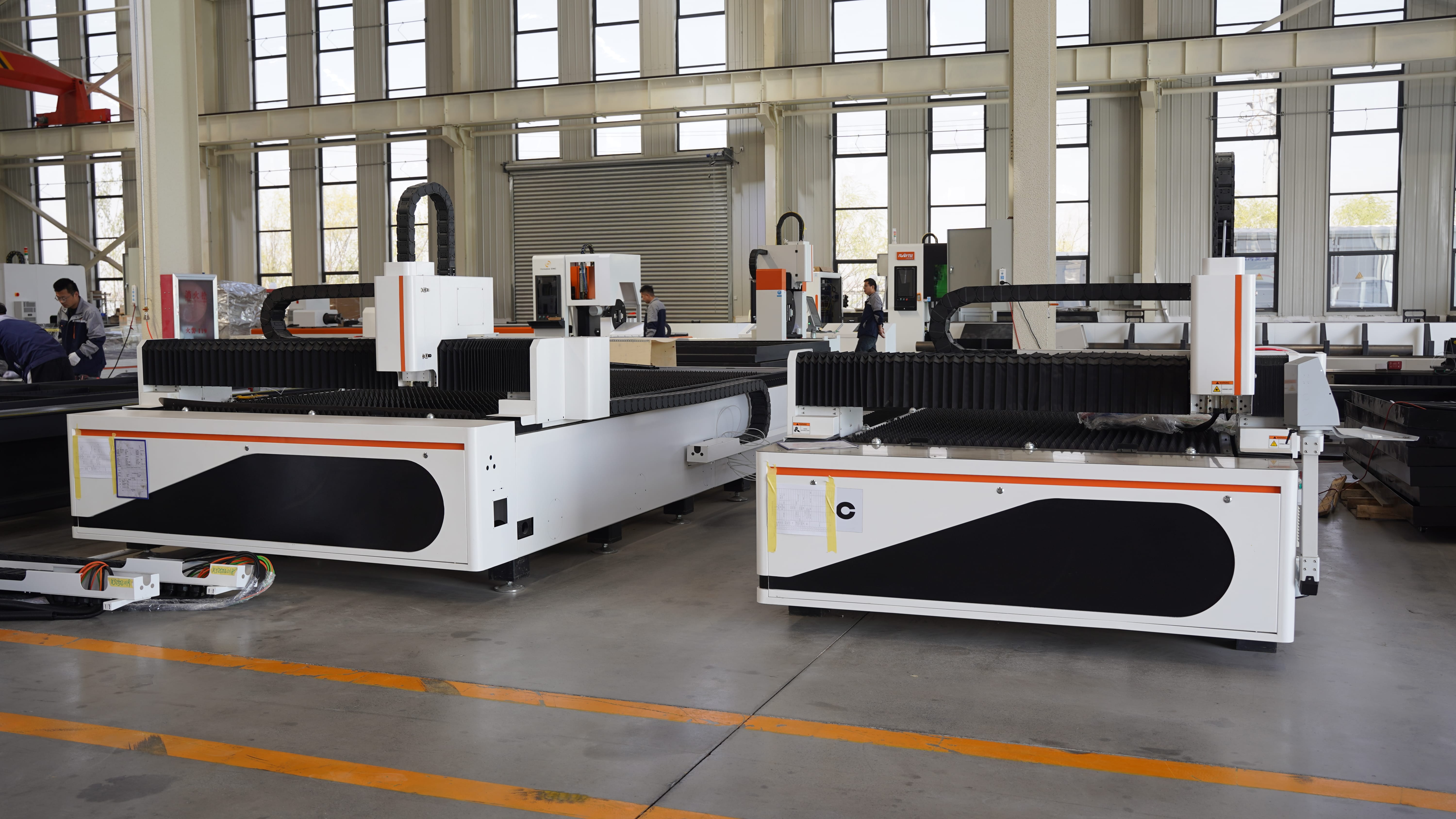
Advantages of Fiber Laser Cutters for Metal Precision
Superior Cutting Accuracy in Thin and Thick Metals
Fiber laser cutters stand out because of their excellent beam quality, which allows for a much finer focus point and narrower kerf width. This means they deliver really precise cuts whether working on thin sheet metal or thicker materials. The machines typically hold tolerances around plus or minus 0.1mm, something that makes these systems perfect for jobs where exact measurements matter a lot, especially in sectors like aerospace manufacturing and car part production. Better edge quality from fiber lasers also means less finishing work afterward since there's not so much burring or rough edges to deal with. Major manufacturers including Bystronic and Trumpf have developed fiber laser systems that businesses rely on for their sharp cutting capabilities and efficient operation. What all this boils down to is that good beam quality remains critical when it comes to getting those clean, accurate cuts that many industrial applications demand.
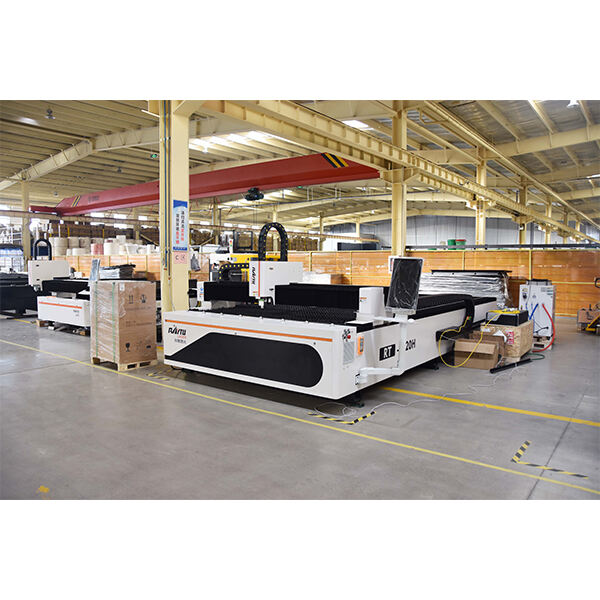
Reduced Heat-Affected Zones for Cleaner Edges
Fiber lasers generate much less heat than those old school CO2 models, which means they create a smaller heat affected area around the cut. The lower heat translates into nicer looking cuts overall while putting less strain on whatever material gets sliced through, so the stuff stays strong after processing. Research shows components made with minimal HAZ actually last longer under pressure, something manufacturers really care about when building things meant to handle serious stress, think cars and airplanes mostly. Companies such as Mazak Optonics have developed ways to fine tune this heat impact zone, making their fiber laser systems stand out for producing sharp clean edges and parts that hold up better over time without breaking down unexpectedly.
Energy Efficiency Compared to CO2 Laser Systems
Fiber laser cutters typically use around half the power compared to older CO2 systems, which really cuts down on running costs. The way these lasers work means they get absorbed much better by metal materials, making them run faster while spending less money overall. Big names in the field such as IPG Photonics have been pushing hard for these energy saving alternatives because besides saving cash on electricity, they actually help cut down emissions from factories too. Most companies going green tend to go with fiber lasers instead of traditional methods when looking at their bottom line and environmental impact side by side.
Critical Applications of Fiber Laser Cutting Machines
Automotive Component Fabrication
Fiber laser cutting machines play a really important role in making auto parts these days, allowing manufacturers to create highly accurate components much faster than traditional methods. We see them used all over cars actually - from exhaust systems down to the frame pieces and even body panels. The fact that one machine can handle so many different jobs just shows how versatile this tech has become for car makers. Automotive companies that adopted fiber lasers report significant savings on both material costs and time spent producing parts. Industry reports suggest that shops using this technology typically cut down on expenses while still maintaining quality standards. Plus, the speed boost means products get to market quicker, which gives manufacturers an edge against competitors who haven't made the switch yet.
Aerospace-Grade Sheet Metal Processing
Fiber lasers have become a must-have tool in aerospace manufacturing when it comes to working with sheet metal accurately and consistently, especially for parts such as aircraft skins and engine mounting brackets. What makes these laser systems so valuable is their ability to cut through complicated shapes and detailed patterns, which leads to real weight reductions across many aircraft components. According to what we've seen in the field over recent years, companies adopting fiber laser tech report faster production times without compromising on those tough industry specs they need to meet. Beyond just better accuracy, this kind of laser tech actually fits right into what the aerospace world requires from day one safety checks all the way through long term reliability testing, helping push forward the development of next generation aerospace equipment.
High-Volume Industrial Manufacturing
In large scale manufacturing operations, fiber laser cutters deliver exceptional speed and consistency that just keeps up with fast paced production needs. These machines handle all sorts of materials from stainless steel to aluminum sheets without breaking stride, which is why they're so popular across construction sites and machine shops everywhere. The numbers tell the story too many factories report around 30% boost in parts per hour when switching to fiber lasers compared to older methods. What really matters though is how this translates into actual shop floor results more products rolling off the line while still maintaining tight tolerances on every piece. That kind of performance makes these systems indispensable for companies running multiple shifts trying to hit daily quotas without compromising on part quality.
Optimizing Fiber Laser Machine Performance
Material Preparation Best Practices
Getting materials ready properly makes all the difference when it comes to how well fiber laser machines perform and last over time. Before starting any cuts, operators need to clean surfaces thoroughly and make sure everything stays put during operation. A common mistake happens when workpieces aren't completely flat on the table, so taking extra care here prevents wasted material and bad cuts. Most shops find that measuring thickness accurately with good quality calipers helps avoid problems down the line. Companies that take a methodical approach to handling their materials typically see better results from their lasers while keeping workplace accidents at bay something especially important in facilities where precision matters most.
Dynamic Beam Modulation Techniques
Getting the most out of different materials and thicknesses during cutting really depends on how well we modulate the beam dynamically. When operators tweak things like intensity levels and where the beam focuses, they see better results in terms of how fast cuts happen and how clean those edges look. Most experienced technicians will tell anyone who asks that changing these settings regularly makes all the difference when switching between materials. The whole point of this flexible method is it lets us create intricate designs and complicated shapes that just weren't possible before. Fiber lasers have proven themselves time and again across industries from automotive parts to medical devices, handling everything from thin sheet metal to thick steel plates with surprising versatility.
Assist Gas Selection for Different Metals
Choosing the right assist gas for fiber laser cutting matters a lot when it comes to getting good results. Oxygen and nitrogen work differently depending on what material we're dealing with. Pick the wrong one and problems start showing up fast excessive oxidation happens or edges get contaminated, which ruins the final product quality. Knowing how different materials react helps us make better choices about which gas to use. Clean cuts are essential for things like car parts and airplane components where precision just cant be compromised. Most shops learn this through trial and error over time rather than relying solely on textbook knowledge.
Fiber vs. Traditional Metal Cutting Methods
Speed and Precision Comparison with Plasma Cutting
When it comes to cutting through materials, fiber lasers beat plasma cutting hands down in terms of both speed and accuracy, especially for complex shapes and fine details. Some shops report cutting times drop nearly half when switching from old school plasma systems to fiber lasers. The secret lies in those super concentrated beams that deliver just the right amount of heat exactly where needed, which means parts get cut faster without all the mess and waste associated with other methods. Shops across different industries have noticed this trend firsthand, seeing their production numbers go up while maintaining tight tolerances. For metal fabricators trying to keep up with customer demands without sacrificing quality, fiber laser technology has become something of a game changer in recent years.
Cost-Effectiveness Against Mechanical Punching
Looking at both initial expenses and ongoing costs, fiber laser tech stands out compared to old school mechanical punch presses. Since there are no moving parts involved with fiber lasers, maintenance bills drop dramatically and machines stay running longer without breakdowns. Factory owners who switch over typically see their money back pretty quickly, sometimes within just a few months depending on production volume. The main reasons? Fiber lasers guzzle way less electricity than those heavy duty punch machines, plus they need almost no regular servicing. For shops trying to cut costs while keeping quality high, making the jump to fiber lasers makes all sorts of financial sense when we look at long term savings across multiple production cycles.
Quality Advantages Over Waterjet Systems
When it comes to cut edge quality, fiber lasers really stand out compared to waterjet cutting methods. Fiber laser systems produce much finer cuts with significantly reduced kerf width, meaning manufacturers end up wasting far less material during production runs. The improved edge finish does more than just look better on finished parts it actually makes subsequent operations like welding go smoother without all those rough edges to deal with. Most shops we talk to have run comparative tests between these technologies, and almost universally they find fiber lasers to be the better option when precision matters most and material costs need to stay under control. For metal fabricators working on tight tolerances or high volume production, this difference can translate into real savings over time.
Implementing Fiber Laser Technology Strategically
Calculating Tube Laser Cutting Machine ROI
Figuring out the return on investment for tube laser cutting machines means looking at what these systems cost upfront versus what they save down the road. Companies need to factor in things like lower labor expenses, less wasted materials, and faster production times. All these elements really affect whether investing makes financial sense. According to actual shop floor experiences across different industries, most manufacturers start seeing their money back within about a year or so after switching to laser cutting tech. When we look at the bigger picture though, those ongoing savings plus better output rates make this kind of equipment purchase worth considering seriously for any manufacturer wanting to stay competitive while keeping costs under control.
Integration with CNC Automation Systems
When fiber laser systems get paired with CNC automation, it really boosts both production speed and accuracy on the shop floor. The system makes real time tweaks possible, which means parts stay precise even when conditions change during manufacturing. Industry reports show these automated setups cut down cycle times by around 30% in many cases, and they definitely crank up how much gets produced each day. Manufacturers who combine the rock solid accuracy of fiber lasers with the smart controls of CNC machines find their production lines run smoother with fewer mistakes from workers getting tired or distracted. This combo creates a factory environment where changes happen faster and adapting to new product requirements becomes almost second nature for plant managers.
Maintenance Protocols for Long-Term Accuracy
If companies want their fiber laser cutting machines to keep performing accurately over years of operation, they need solid maintenance routines in place. Checking things like machine alignment, coolant system condition, and optical components regularly makes all the difference in keeping everything running smoothly. Most manufacturers suggest doing thorough maintenance checks somewhere between three and six months apart to catch problems before they cause real headaches down the line. When businesses stick with these regular maintenance practices, they typically see much longer life spans from their expensive laser equipment while maintaining high quality output throughout. The payoff comes in several ways actually. Well maintained machines don't break down as often, which means fewer production stoppages and better overall efficiency across the manufacturing floor.