
 EN
EN
Understanding Metal Laser Cutting Machine Types
Metal laser cutting machines are fundamental tools in manufacturing, each offering unique advantages tailored to specific applications.
Fiber Laser Cutting Machines: Speed and Precision for Industrial Use
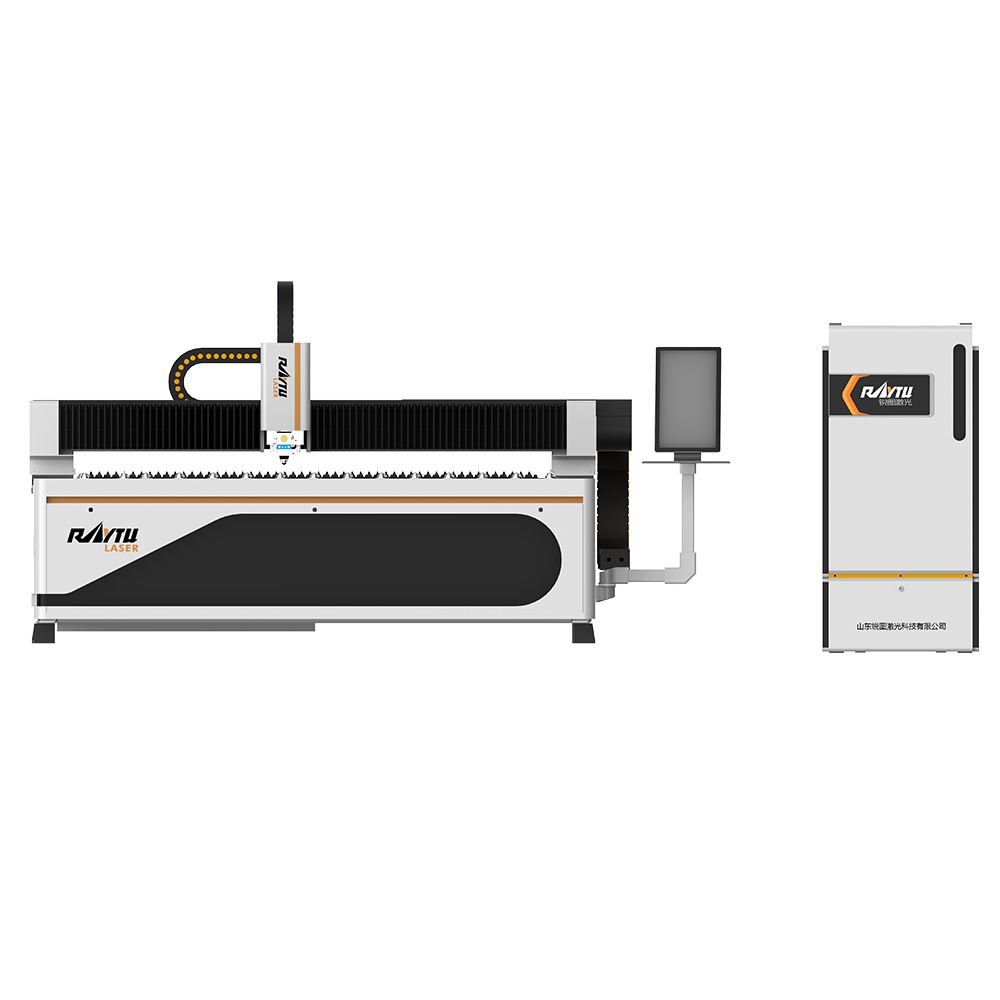
Fiber laser cutting machines work with solid state lasers that cut through metal at amazing speeds while being incredibly efficient, particularly important for heavy industry work. What makes these machines stand out is their ability to handle detailed work with pinpoint accuracy, something manufacturers need when creating complex parts for cars or aircraft components where even small errors matter. Another big plus point for fiber lasers is how they save energy during operation, meaning lower electricity bills and fewer production stoppages compared to older laser tech. Some tests show these machines can slice materials at around 300 inches per minute, way faster than conventional CO2 systems manage. Anyone interested in learning more about what fiber laser cutting can do would find plenty of information available online about this game changing technology.
CO2 Laser Cutters: Versatility for Diverse Metal Applications
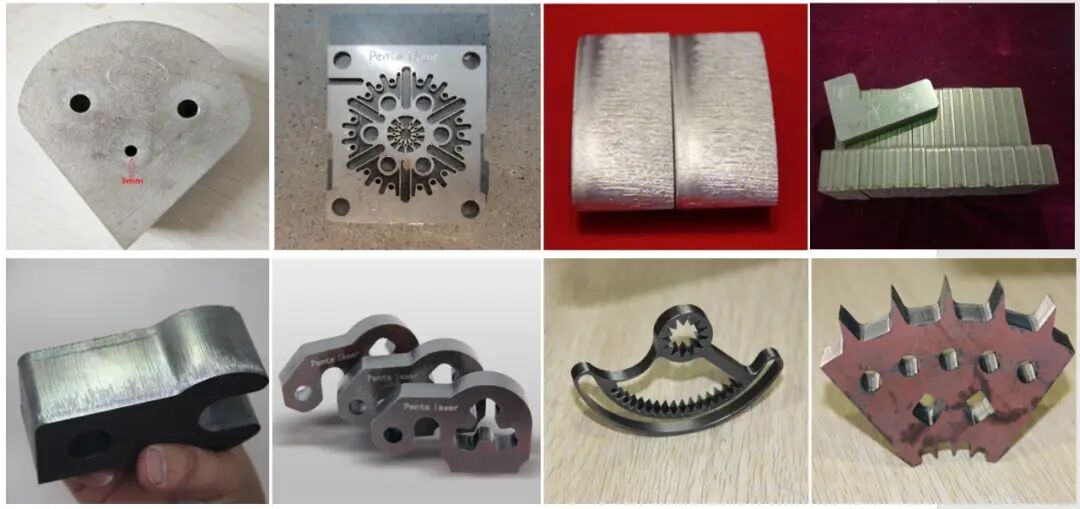
CO2 laser cutters work with gas technology and can cut through all sorts of stuff from metals to plastics and other non-metal materials. These machines really shine when dealing with thinner materials, which explains why they're so commonly used in things like custom signs, intricate metal decorations, and similar projects. What makes these lasers stand out is how versatile they actually are. Most shops don't need separate equipment for different jobs because one CO2 laser can handle so many different tasks. The standard models can tackle materials around half an inch thick, which works great for smaller batch productions or mid-sized manufacturing needs. Because they adapt so well to various applications, many fabrication shops have made CO2 lasers a staple part of their workshop setup. For anyone interested in learning more about this technology, check out our guide on [CO2 laser cutter](insert_product_link_here).
Integrating these machines into your manufacturing processes can significantly enhance productivity and precision, allowing for optimal performance in cutting applications.
Key Features to Evaluate in CNC Laser Cutting Machines
Laser Power Requirements for Different Material Thicknesses
Getting the right laser power sorted out matters a lot when working with CNC laser cutting machines. Thicker materials need higher wattage to cut through properly, while thin stuff works fine with lower power settings. The power level impacts everything from how fast things get cut to the final quality of the work. Take aluminum as an example. A 1000W machine handles sheets up to about 1/4 inch thickness just fine, but if someone needs to work with something thicker, they'll want to look at 4000W systems which tackle those jobs without breaking a sweat. Looking at what power levels are actually available in today's market helps manufacturers match their equipment to what they really need on the shop floor. Picking the correct power rating makes all the difference between getting good results and wasting time or money on the wrong setup.
Cutting Bed Size and Workspace Considerations
When looking at CNC laser cutting machines, the size of the cutting bed matters a lot because it determines what kind of work the machine can actually do. Bigger beds make sense when dealing with those big sheets of metal, so planning out where the machine will go in the shop is really important. Getting the right fit means smoother operations all around. Most shops tend to go with standard sizes like 4 by 8 foot beds or sometimes even bigger ones at 5 by 10 feet. These dimensions cover pretty much everything from quick jobs to major production runs. Shops that organize their space properly while matching bed size to actual needs see better results from their laser cutting equipment over time.
Automation Capabilities in Modern CNC Systems
The world of CNC laser cutting is changing fast thanks to automation technology that makes things run smoother and requires less hands-on work from operators. When companies install automated systems for loading and unloading parts along with smart nesting software, they get better material utilization rates which cuts down on how long operations take overall. For shops running at full capacity all day long, this kind of improvement really matters. Industry insiders who've been watching this space closely estimate that factories implementing these automated solutions typically see around a 25% boost in their output levels. And when talking specifically about sheet metal cutting applications, bringing automation into play does more than just speed things up. It actually helps reduce waste materials too, making the whole process greener in the long run while still keeping costs under control.
Material Compatibility: Matching Machines to Your Work
Optimizing for Sheet Metal Laser Cutting Efficiency
Choosing the correct laser cutting machine makes all the difference when working with sheet metal, especially when speed and accuracy matter most. Different materials demand different approaches from the equipment. Stainless steel, aluminum, and carbon steel each behave differently under laser beams, so operators need to adjust settings and power levels accordingly. Take aluminum for instance it typically requires lower wattage than what would be needed for thick carbon steel sheets. Getting familiar with these material-specific requirements helps shops run smoother and get better results from their cutting processes without wasting time or resources on trial and error.
Good material handling systems really matter when paired with laser cutting machines. When these two elements work together properly, shops see much smoother operations overall. Think about it this way: without proper handling, parts just sit around waiting for processing instead of moving through the system efficiently. The result? Less downtime between jobs and higher production numbers across the board. For sheet metal fabricators trying to stay ahead in today's market, getting these systems right isn't just nice to have it's absolutely necessary for keeping up with customer demands and industry standards.
Handling Specialty Metals and High-Reflectivity Materials
Copper and brass belong to the category of specialty metals that come with their own set of challenges when it comes to laser cutting. What makes them so tricky? Well, they reflect light really well and conduct heat at an impressive rate. This combination creates all sorts of problems during standard cutting processes. For best results with these materials, most shops turn to fiber laser cutting machines instead of traditional options. The fiber lasers handle those reflective surfaces much better, making the whole operation smoother and producing cleaner cuts without all the headaches that come with regular equipment.
Working with highly reflective materials creates some real headaches when it comes to cutting operations. The wrong approach often leads to problems, which is why many shops turn to specialized equipment such as industrial grade laser cutters designed specifically for this type of work. Shops that have been around awhile know what works based on trial and error over years of experience. They've learned tricks to avoid common issues like warping or poor edge finish. When manufacturers take time to understand these practical aspects, they end up getting better results overall without compromising the material properties during processing.
Budget Considerations for Laser Cutting Equipment
New vs. Used CNC Laser Cutting Machines for Sale
The choice between brand new and secondhand CNC laser cutters involves weighing multiple considerations. New machines offer all sorts of perks including access to cutting edge tech, decent warranty coverage, and generally fewer headaches from previous owner mishaps. But let's face it, these shiny new toys cost a pretty penny upfront which can really pinch a business wallet. Industry data shows something interesting though - around two thirds of manufacturers actually look at purchasing pre-owned CNC gear when trying to keep costs down while still getting the job done right. Makes sense when looking at bottom line numbers over time.
Calculating Total Cost of Ownership and ROI
Getting a handle on total cost of ownership or TCO matters a lot for anyone thinking about buying laser cutting gear. The TCO isn't just about what the machine costs upfront. It covers all those hidden expenses too like day to day running costs, regular maintenance bills, and how much value the machine loses year after year. Looking at ROI is pretty important stuff as well. Companies want to know when exactly their money starts coming back from that expensive laser cutter they bought. When doing these calculations, throw in estimates about how many parts will actually get cut through each month along with all those electricity and labor numbers. That gives a much clearer picture than just staring at sticker prices.
Integration With Existing Manufacturing Workflows
Complementary Technologies: From Handheld Laser Welding to Cutting
Bringing together different types of laser tech like welding and cutting really boosts how fast things get done on the factory floor. When manufacturers combine something simple like a handheld laser welder with full size cutting machines, they find their whole operation runs smoother with fewer hiccups between steps. Some shops that switched to this integrated approach saw their output jump by around 35%, which isn't bad for a few months work. The main reason? Workers spend less time waiting for machines to cool down or reset, and materials move through the system much faster than before. Factory managers who've made the switch talk about how these technologies actually work better together than separately, creating what feels like a real partnership between equipment that makes daily production goals easier to hit.
Software Compatibility and CAD/CAM Integration
When choosing a CNC laser cutting machine, finding one whose software works well with current CAD/CAM systems makes all the difference in getting from design to finished product faster. Good compatibility means complex designs translate correctly into actual machine instructions, which cuts down on both setup time and overall production delays. Many manufacturers want better ways to run their shops, so they often turn to established software options such as SolidWorks or Autodesk products. These programs come with intuitive interfaces and plenty of advanced functions that help operators get clean, accurate cuts every time. Companies that focus on making sure their software plays nicely together tend to see fewer headaches during operation and generally produce more parts per day without sacrificing quality standards.