
 EN
EN
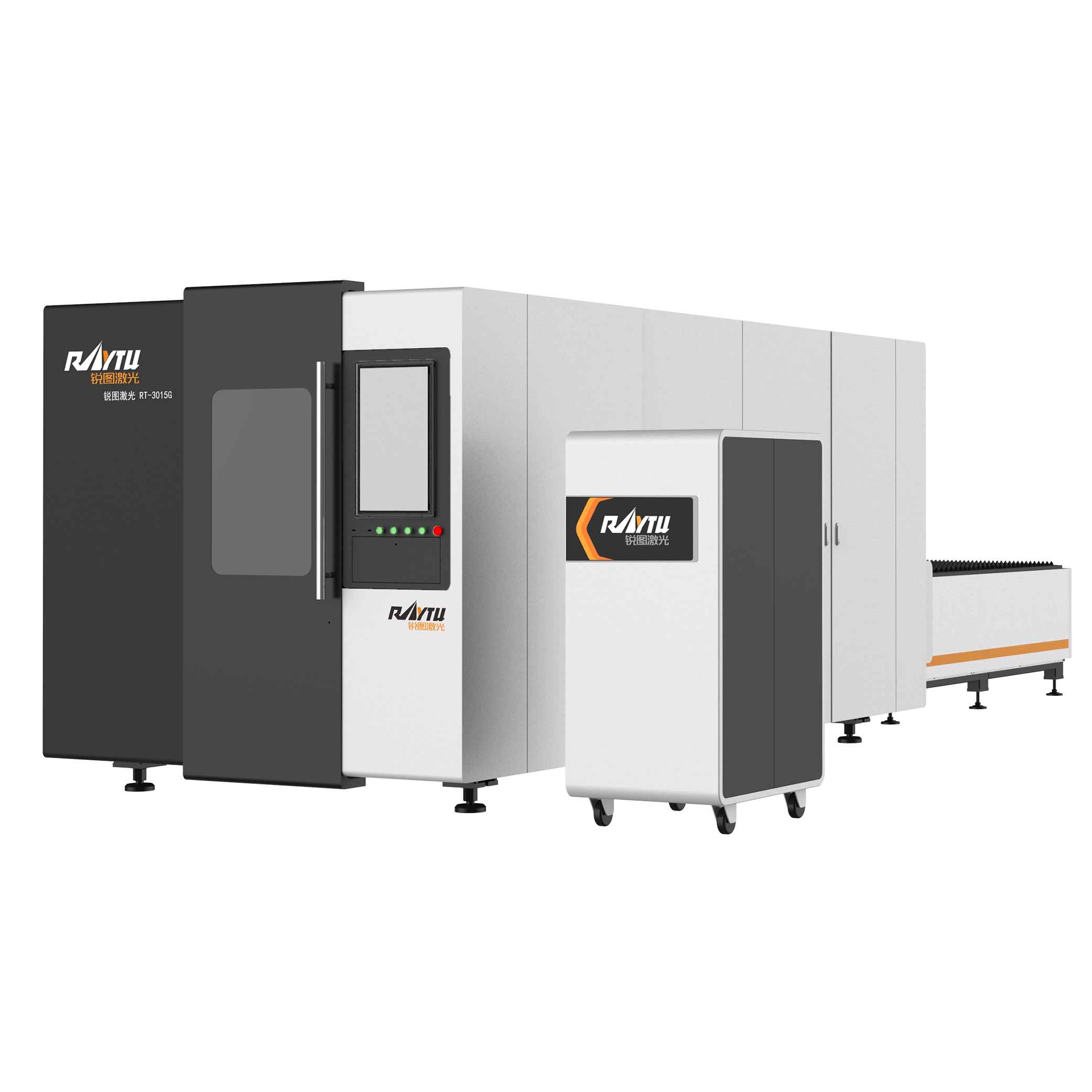
How Laser Welding Technology Works
The Science Behind Laser Beam Precision
Laser welding works by focusing intense laser beams onto materials, creating very high energy concentrations that melt and join them together. One big plus is how accurately these beams can be aimed, so welders can work on really complicated shapes and patterns. Different metals absorb laser light differently depending on their wavelength properties. For instance, stainless steel reacts quite differently compared to aluminum alloys when exposed to laser radiation. This means manufacturers can fine tune their equipment settings based on what material they're working with. Because the lasers are so precisely targeted, there's much less heat spread out beyond the actual weld area. This reduces warping and keeps surrounding parts intact structurally. Industry studies show that modern laser systems can hit targets as small as a few micrometers across. That kind of precision makes all the difference in fields where tiny details matter a lot, think about aircraft components or engine parts in cars where even minor imperfections could lead to major problems down the road.
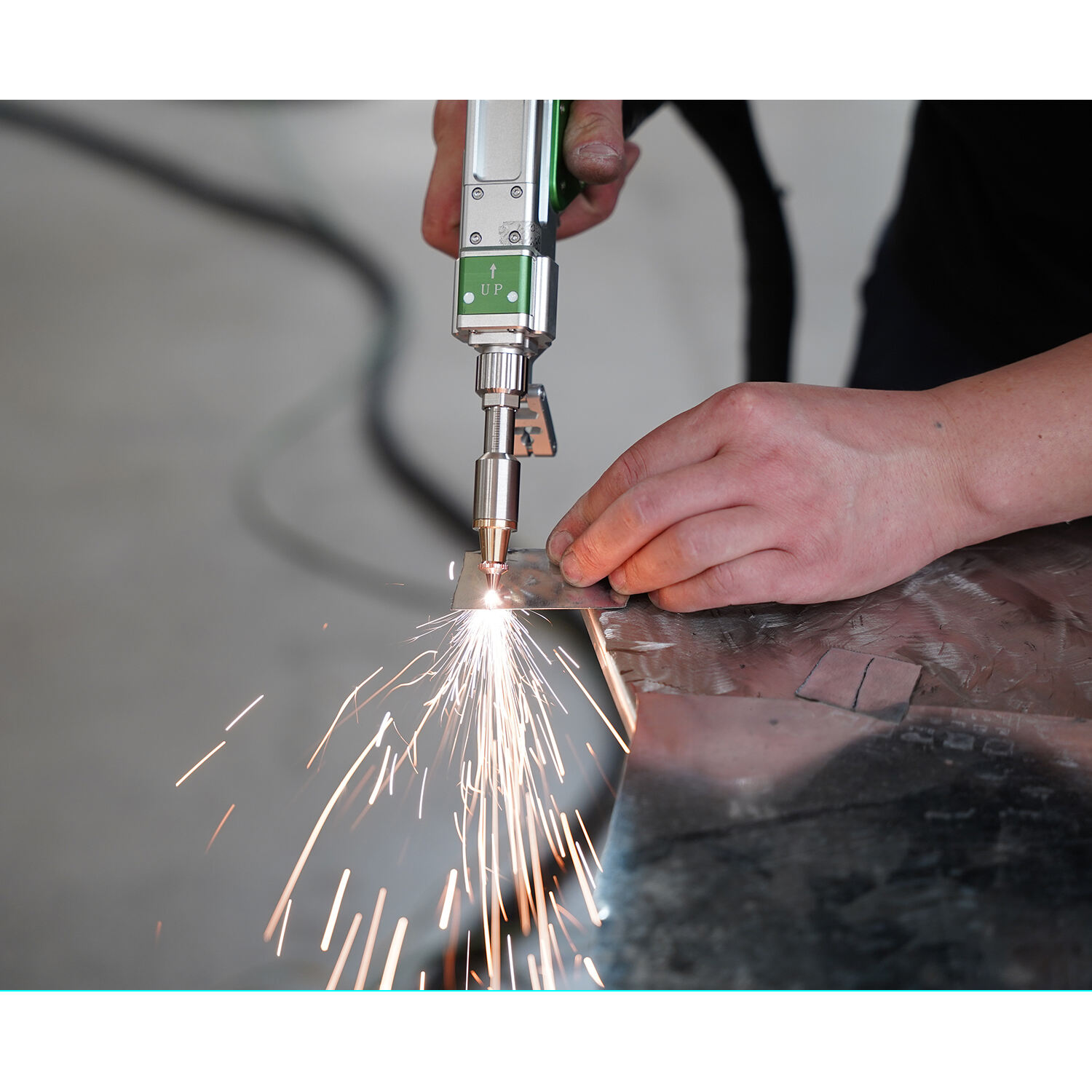
Key Components of Modern Laser Welding Machines
Laser welding machines today come packed with key parts that really boost how well they perform. Most setups feature three main things: the actual laser itself, some sort of optical system to direct the beam where it needs to go, and a control panel that manages everything else. Fiber lasers have become pretty much standard now because they run so efficiently and don't need much maintenance, which is why factories keep them running nonstop even when conditions get tough. Cooling systems matter a lot too since they stop the whole thing from melting down during long shifts, something that keeps repair costs way lower than older models. Operators love the new touchscreens on modern units, letting them tweak settings fast without needing special training manuals. These machines work wonders whether someone needs to fix tiny electronic parts or weld massive steel structures for construction sites.
Automotive Manufacturing: Speed and Structural Integrity
Laser welding has become really important in car manufacturing because it makes things faster and keeps those joints strong. When companies use techniques like lap and butt joints, they get quicker assembly times while still building solid structures. Some stats show that laser welding cuts down on assembly time around 30% compared to older methods. That kind of speed boost matters a lot for making electric cars, since these vehicles need lighter but still tough builds to save energy and perform better. Traditional welding just cant keep up with what laser technology brings to the table, so many factories are switching over. The automotive sector is seeing major changes as manufacturers adopt this newer approach across their production lines.
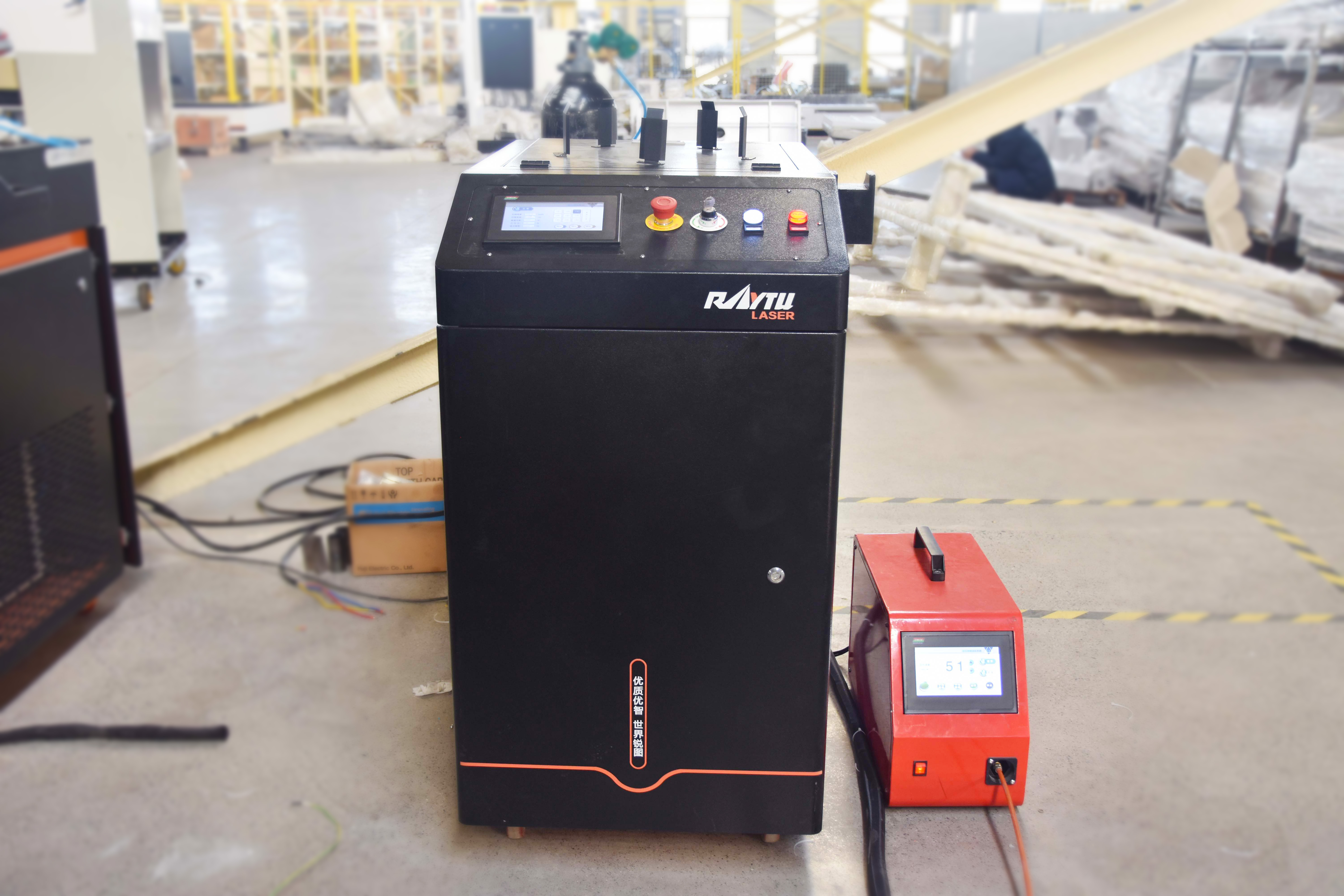
Aerospace: Lightweight Alloys and High-Strength Joints
Laser welding has become a go to method in the aerospace sector for joining those lightweight alloys that make planes burn less fuel while still performing well. What makes laser welding so valuable is its incredible precision, allowing parts to be joined together with almost no flaws something absolutely essential when building aircraft. Studies have found that lasers can actually produce joint designs that traditional welding techniques simply cannot match. Take temperature extremes for instance many tests show that parts made with laser welding hold up under conditions that would melt or break standard welds. This means engineers can now design aircraft components that are not only lighter but also stronger and safer than ever before, opening new doors for what's possible in modern aircraft construction.
Medical Devices: Micro-Welding for Precision Instruments
Medical device manufacturing relies heavily on micro-welding tech because getting things right matters so much in healthcare settings. Laser welding plays a key role in making sure those tiny stitches hold together and creating strong micro joints that won't fail during critical procedures. According to field reports from quality assurance departments, instruments made with laser welding tend to break down less often compared to other methods, something that directly impacts how safe patients remain during treatment. What makes this technique stand out is actually seeing surgeons work with handheld laser welders during operations. These compact tools let medical professionals navigate tight spaces and create precise welds on miniature parts, proving why laser welding continues to be indispensable across various medical tech applications today.
Advantages Over Traditional Welding Methods
Reduced Heat-Affected Zones for Superior Material Integrity
Laser welding stands out because it reduces thermal distortion and residual stresses much more than older techniques like MIG or TIG welding do. With laser welding, the heat affected area is much smaller, so there aren't as many changes happening at the microscopic level in the material itself. That means stronger joints overall. For parts that need to last longer and perform reliably, this makes all the difference. Think about aerospace components or car parts where even small weaknesses can lead to big problems down the road. Manufacturers in these fields really depend on materials holding up under extreme conditions.
Enhanced Precision in Complex Geometries
For parts that have complicated shapes or detailed features, laser welding stands out as one of the most accurate methods available today. Manufacturers love how they can tackle these tricky weld jobs without investing in all sorts of special tools, which opens up possibilities for creating really sophisticated products. What makes laser welding so great is that it joins materials together almost perfectly, cutting down on extra polishing or repair work later on. This not only saves time but also results in better looking finished goods that hold up under real world conditions.
Cost Efficiency Through Automated Integration
When manufacturers automate their laser welding operations, they typically save money on labor costs and boost productivity at the same time. According to industry reports, factories that switch to automated laser welding often cut down on expenses by around 20%. For small to medium sized shops looking to stay competitive, these savings can make all the difference. Plus, the welds tend to be more consistent since machines don't get tired or distracted like humans do. Many plant managers report seeing better bottom line results after implementing automation, even though the initial investment might seem steep upfront.
Innovations in Laser Welding Equipment
Fiber Laser Cutting Machines in Hybrid Welding Systems
The combination of hybrid welding systems with fiber laser cutting technology is changing how manufacturers approach production work. What makes these systems stand out is their ability to bring together the pinpoint accuracy of lasers with the strength needed for welding tasks. They can cut through thicker materials while still keeping that fine level of detail intact. For shops working on anything from car parts to airplane components, this means they can tackle jobs that previously required multiple machines or processes. The real advantage comes when dealing with intricate designs made from different types of metals. These systems maintain quality across various materials consistently, which has opened doors to all sorts of new manufacturing opportunities that just weren't feasible before.
Handheld Laser Welding Devices for Versatile Applications
Handheld laser welding devices are changing how people approach on site repairs and special projects in many different fields these days. Portable laser welders take what makes lasers so precise and make it work in all sorts of places where this wasn't possible before. Traditional welding usually needs big machines and complicated setup procedures, but these handheld options are much easier to handle while still delivering the kind of accuracy that comes from laser technology. The fact that they can be taken anywhere means quality welding jobs happen even when conditions aren't ideal or when workers find themselves somewhere far from their usual workshop. For those dealing with one off creations or last minute fixes, having access to such flexible tools really makes a difference in both time saved and final results achieved.
AI-Driven Quality Control Systems
Quality control systems powered by artificial intelligence have transformed laser welding technology through real time monitoring and evaluation of weld integrity. During actual welding operations, these smart systems spot flaws as they happen, which means problems can be fixed right away instead of waiting until after completion when rework becomes necessary. When companies install these cutting edge AI solutions, they naturally maintain higher manufacturing benchmarks while making production lines work better overall. Beyond just improving standards, AI integration brings about something even more valuable consistency in weld quality. This matters greatly for sectors like aerospace or medical device manufacturing where there's absolutely no room for error and every joint needs to meet exacting specifications.
Specialized Uses in Battery Production
Cylindrical Cell Welding for Electric Vehicles
Laser welding is really important when making those cylindrical battery cells used in electric cars. The process creates solid connections that actually work well over time, which helps these batteries perform better overall. With so many factories ramping up EV production right now, companies need to get serious about implementing better laser welding tech if they want faster assembly lines and products that last longer. What makes laser welding stand out? It's super precise and fast enough to keep up with massive manufacturing demands. Look at Tesla's Gigafactories for example they rely heavily on this technology to meet their huge order volumes. As more people switch from gas powered vehicles to electric ones, manufacturers who adopt laser welding solutions will find themselves way ahead of competitors struggling with older methods that just cant keep pace with growing consumer demand.
Laser Cutting Machine for Metal in Prismatic Cell Assembly
Laser cutters play a key role when putting together those prismatic cells, mainly because they can shape different metals so accurately. When components fit just right inside the cell structure, it actually improves how efficient the whole system runs. These machines work well across a range of metals which is why most battery makers stick with them instead of older techniques that just don't deliver the same level of detail. For anyone making batteries for things like electric cars or solar power storage systems, having consistent quality matters a lot. That's where laser cutting really shines since it keeps production standards high throughout the manufacturing process.