 EN
EN
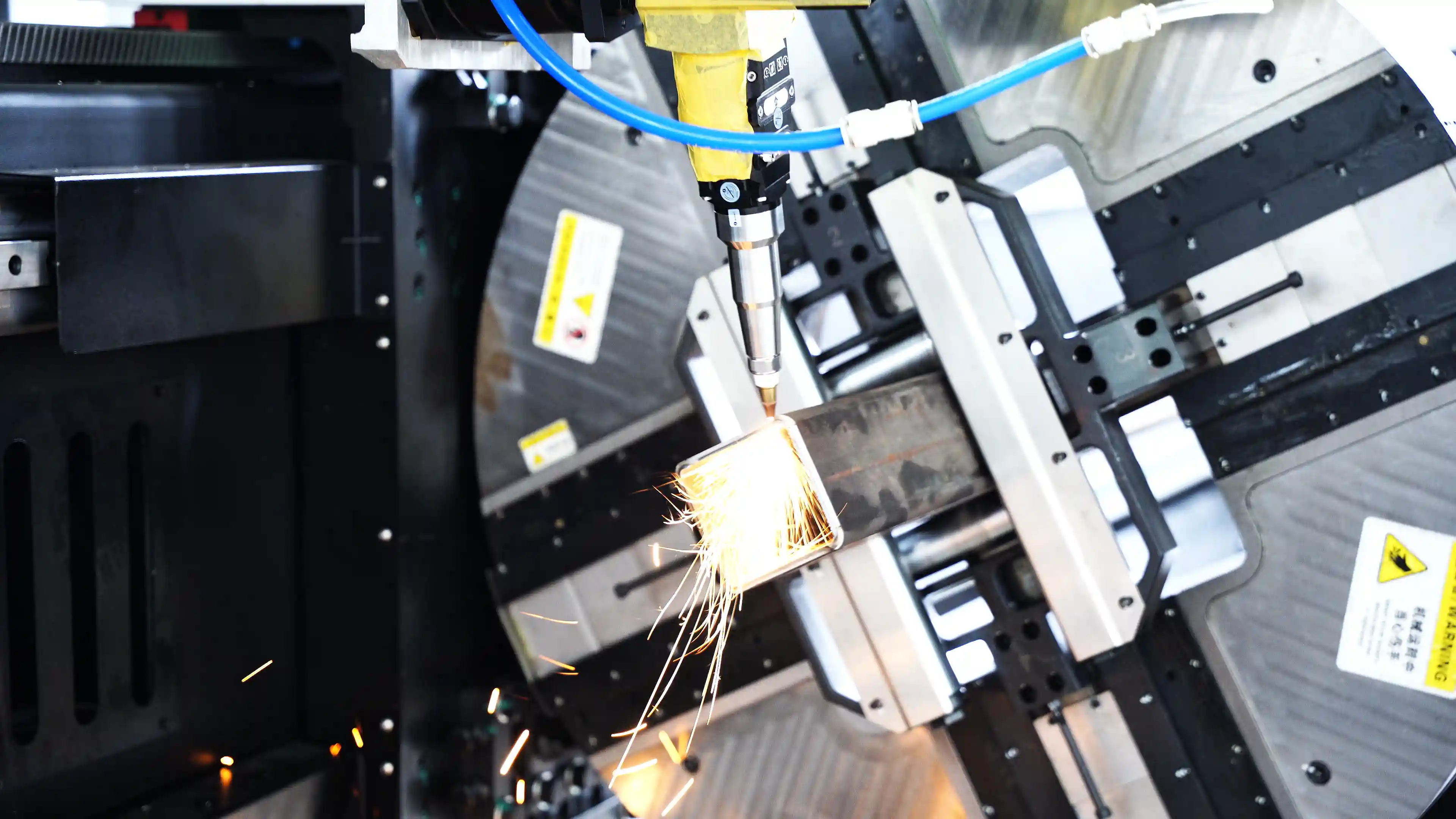
Not sure how to choose a fiber laser cutting machine? Start with your materials, thickness, sheet size, production needs, machine configuration and core components.
Buying a fiber laser cutting machine is a big decision.
When customers first start comparing machines, they often begin with the same questions:
How many kilowatts do I need? Which model should I choose? Is a single table enough? Do I need an exchange table? What configuration should I pay attention to?
These are important questions, but we recommend starting somewhere else.
Before looking at machine models or prices, first make sure you understand what you actually need to cut.
Once your production requirements are clear, choosing the right machine becomes much easier.
Step 1: Start With Your Actual Production Needs
Before asking for a quotation, there are four basic questions worth answering.
1. What Materials Do You Mainly Cut?
Start with the materials you work with most often.
Common materials include:
-
Carbon steel
-
Stainless steel
-
Aluminum
-
Copper
-
Galvanized sheet metal
Different materials can require different cutting parameters, power configurations, and assist gas conditions.
You do not need to start with the machine.
Start with the material.
2. What Is Your Maximum Cutting Thickness?
Next, look at the thickness you actually process.
There are two numbers that are useful to know:
Your maximum cutting thickness
and
The thickness you cut most often.
These two numbers are not necessarily the same.
For example, you may occasionally need to process a thick plate, but most of your daily orders may involve much thinner material.
That is why we recommend choosing a machine around your regular production needs rather than focusing only on the maximum thickness you might cut occasionally.
The goal is not simply to find a machine that can cut your thickest material.
The goal is to find a machine that can handle your everyday work well.
3. What Sheet Sizes Do You Usually Work With?
The size of the sheet also matters.
Your normal sheet dimensions help determine the required working area of the machine.
Before choosing a table size, consider the sheet sizes you already use in production.
This is much more useful than choosing a larger working area simply because it looks better on a specification sheet.
4. What Is Your Budget and What Is Your Workshop Like?
Budget is obviously important, but it is not the only thing to consider.
Also look at your actual workshop conditions:
-
Available floor space
-
Electrical supply
-
Dust and fume extraction
-
Material handling
-
Production workflow
These details can affect the overall machine configuration.
A machine may look suitable on paper, but the right choice is one that also fits your workshop and your way of working.
Step 2: Choose the Right Laser Power
Once you understand your materials and thickness requirements, the next question is usually:
How much laser power do I need?
Laser power is one of the key factors affecting cutting thickness and cutting speed, but it should not be considered on its own.
The better question is:
What materials and thicknesses do I need to cut regularly?
Your usual production thickness is more useful for power selection than an occasional maximum requirement.
For example, if most of your work is concentrated around a certain thickness range, that should be the starting point when discussing laser power with your supplier.
This is also where your production volume matters.
A customer processing a small number of parts does not necessarily have the same requirements as a factory running cutting equipment continuously.
So before choosing a higher-power machine simply because it is more powerful, look at your actual workload first.
Step 3: Choose the Right Machine Configuration
After determining the general power range, you can start looking at machine configuration.
The three common options in this guide are single-table machines, dual-worktable machines, and integrated sheet-and-tube laser cutting machines.
1. Single-Table Fiber Laser Cutting Machine
A single-table machine has a simple working structure and is generally a straightforward option for customers who do not need frequent loading and unloading during cutting.
The machine needs to stop for loading and unloading material.
For customers with moderate production requirements or a simpler workflow, this type of configuration may be sufficient.
2. Dual-Worktable Fiber Laser Cutting Machine
With dual worktables, one table can be prepared or loaded while the other is being used for cutting.
This can reduce the downtime between cutting and material handling and improve the overall workflow.
For customers with higher production requirements, the exchange-table configuration may be worth considering.
The important point is not simply whether a machine has two tables.
The real question is:
Will the faster material-handling workflow actually benefit your production?
3. Integrated Sheet and Tube Laser Cutting Machine
Some customers need to cut both sheet metal and tubes.
In this case, an integrated sheet and tube laser cutting machine can combine both functions in one machine.
This can be useful for workshops that need both applications but do not want to purchase completely separate machines for sheet and tube cutting.
Again, the right choice depends on how often you actually process tubes.
Step 4: Look at the Core Components
After choosing the basic machine structure, it is time to look more closely at the main components.
This is where many customers begin comparing quotations.
Instead of only comparing the final price, it is better to understand what is included in the configuration.
1. Laser Source
The laser source is one of the most important parts of a fiber laser cutting machine.
When comparing machines, look at whether the laser source matches your required materials, thickness range, production volume, and expected machine performance.
Rather than simply choosing the highest-power laser source, it makes more sense to start with your actual production requirements.
2. Cutting Head
The cutting head directly participates in the cutting process, so its compatibility with the overall machine configuration is important.
When comparing different machines, consider the compatibility between the cutting head, laser source, control system, and the applications you need.
3. Control System
The control system is where operators interact with the machine.
It affects how the machine is operated, how cutting processes are managed, and the available process functions.
When comparing machines, do not only ask which control system is being used.
It is also worth asking:
Is it easy for our operators to learn? Does it provide the functions we actually need? Can it support future software updates?
A good control system should make the machine easier to use, not make the operator spend more time learning complicated settings.
4. Servo and Drive Systems
The servo and drive systems control the movement of the machine axes.
They are important for the machine's motion, positioning, speed, and dynamic response.
When comparing machines, these systems should be considered together with the overall mechanical structure rather than evaluated as a single isolated specification.
5. Machine Bed Structure
The machine bed is easy to overlook when comparing quotations because it is not always the most eye-catching item on a specification sheet.
But it is an important part of the machine's mechanical foundation.
When evaluating different machines, look beyond the machine's appearance and ask about the bed structure and how it is designed for long-term use.
So, How Should You Choose a Fiber Laser Cutting Machine?
There is no single fiber laser cutting machine that is right for every customer.
The better approach is to work through the decision step by step.
First, understand what you actually cut:
What materials? What thicknesses? What sheet sizes?
Then look at your production:
How much do you cut every day? How often do you load and unload material? Do you also need to cut tubes?
After that, consider:
What machine configuration and power range fit those requirements?
Finally, compare the core components and the overall machine configuration.
This process is much more reliable than starting with:
“Which machine is the cheapest?”
or:
“Which machine has the highest power?”
You Don't Have to Work It Out Alone
Choosing a fiber laser cutting machine can feel complicated, especially if this is your first machine.
You may know what materials you process and what thickness you need to cut, but you may not know whether you need a single-table machine, an exchange-table machine, or a sheet-and-tube model.
That's where communication with the supplier becomes important.
A good supplier should first understand your production needs and then help you match those needs with a suitable machine configuration.
At Raytu Laser, we believe the process should start with your actual work, not with a machine catalogue.
Tell us what you cut, the thickness you normally work with, your sheet sizes, and your production requirements.
From there, we can help you work through the machine configuration step by step.
Final Thoughts
Choosing a fiber laser cutting machine is not simply about choosing the highest power or the lowest price.
The right machine should fit the work you actually do.
Start with your materials, thickness, sheet size, production needs, and workshop conditions. Then choose the power, machine configuration, and core components based on those requirements.
The more clearly you understand your production needs, the easier it becomes to choose the right machine — and avoid paying for a configuration that does not really fit your business.