
 EN
EN
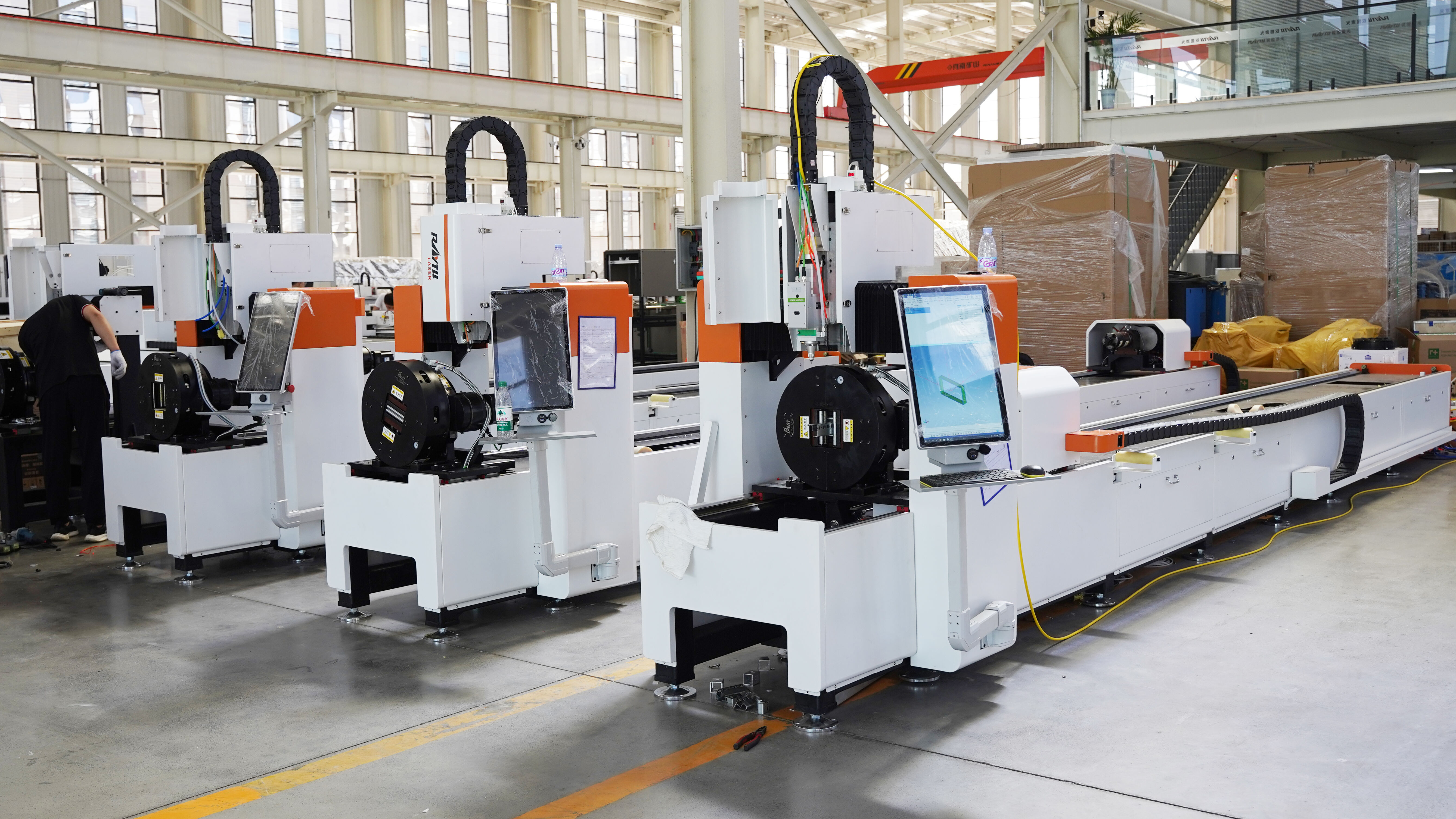
Core Technology Behind CNC Laser Cutting Precision
How Fiber Lasers Achieve Micron-Level Accuracy
Fiber lasers have really taken over when it comes to precision cutting tech. They work by using a solid state optical fiber that's been treated with those rare earth elements to create this super focused beam. What makes these lasers so good at what they do is their ability to cut with micron level accuracy, which means they're great for all sorts of detailed cutting jobs. The actual wavelength matters a lot too. Most fiber lasers operate around 1.07 micrometers, and this specific range helps them get through different materials without bouncing back much. That reflection problem is something regular lasers struggle with during operation. Looking at real world results, many fiber laser systems can hit cutting tolerances under 0.1 mm. This kind of precision explains why so many manufacturers rely on them whenever extreme accuracy is required across various industrial applications.
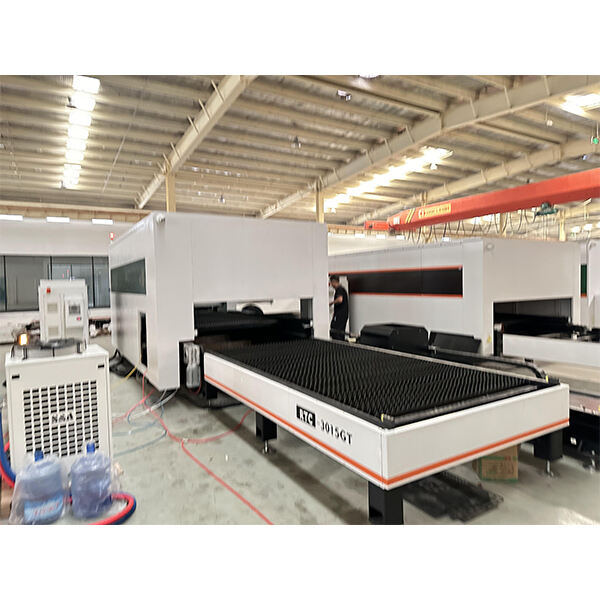
Role of Computer Numerical Control in Error Reduction
CNC technology plays a vital role in making laser cutting processes automatic, which means better precision and fewer errors from humans getting involved. These CNC systems guide the laser head exactly where it needs to go on different materials, so each cut comes out consistent time after time. When there's less need for people to handle things manually, we naturally see fewer mistakes happening because of tired eyes or shaky hands. Industry reports show that shops using CNC laser cutters typically get around 30% fewer errors than those relying on traditional methods. For manufacturers, this shift to automated systems isn't just about speed either. Companies can actually produce more parts without sacrificing quality, something that matters a lot when clients demand perfection for aerospace components or medical devices.
Thermal Focus: Minimizing Material Distortion
Getting the thermal focus right makes all the difference when it comes to preserving material quality during laser cutting. When the lens stays at just the right distance from what's being cut, those pesky heat affected zones shrink down, so things don't warp or get ugly marks on them. Most operators tweak both speed and power settings to get cleaner edges while avoiding too much heat damage. Look at automotive parts manufacturing for instance, where proper thermal control means fewer rejects and better finish on components. The improvements we've seen in thermal management tech really matter for shops that depend on laser cutting day in and day out. Better focus control translates directly into cost savings and higher customer satisfaction across multiple sectors.
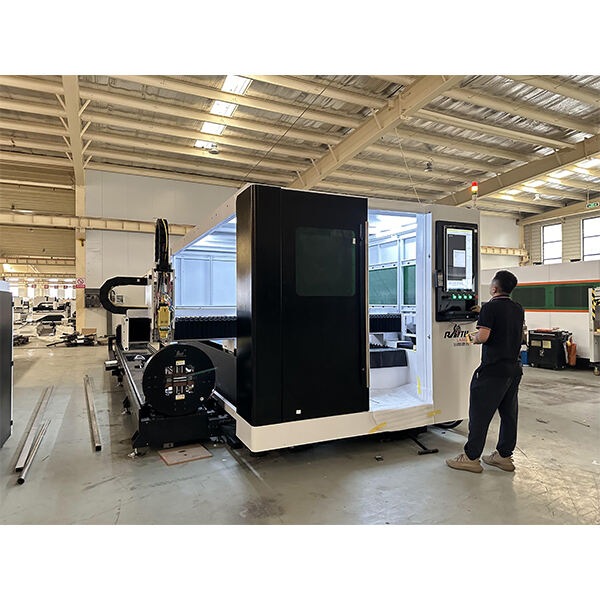
Laser Cutting vs Traditional Manufacturing Methods
Edge Quality Comparison: Burr-Free vs Mechanical Cutting
When looking at edge quality, burr formation remains a major headache for anyone using traditional mechanical cutting methods. These unwanted protrusions usually mean extra work after cutting to smooth out rough edges created by the physical forces involved in the process. Laser cutting tells a different story altogether. It creates much cleaner edges because there's no direct contact between tool and material, so those annoying burrs just don't happen. Manufacturers report spending way less time and money on finishing work when they switch to laser technology. Some industry numbers show that mechanical cutting requires about three times more post-processing expenses compared to what's needed for laser cut parts. For shops focused on precision work, this makes laser cutting not just better quality-wise but also smarter from a bottom line standpoint.
- Key Terms: edge quality, burr-free cutting
Speed Advantage: Processing Sheet Metal 5x Faster
When it comes to cutting sheet metal, laser technology has a serious edge over old school methods. Studies show lasers can cut materials up to five times quicker because they focus intense heat right where needed, making those precise cuts happen much faster. Real world data backs this up too, with manufacturers reporting dramatic reductions in production time across various shops. For companies in fast paced sectors like car manufacturing and aircraft parts production, this kind of speed really counts. Getting prototypes made quickly means products reach market faster, which gives businesses a competitive boost. Shops that switched to laser systems often see their turnaround times drop dramatically while still maintaining quality standards.
- Key Terms: speed advantage, processing sheet metal
Material Savings Through Optimized Nesting Algorithms
Nesting algorithms have become essential for getting the most out of materials when cutting parts. Basically, these computer programs figure out the best way to place components on metal sheets so there's less leftover scrap. Real world applications tell us that companies using CNC lasers instead of older methods save a ton of material. Some numbers back this up too many factories report around half as much waste after implementing good nesting strategies. Looking at production costs makes it clear why businesses care about this stuff. The money saved from reduced material waste isn't just nice to have it directly impacts bottom lines across all sorts of manufacturing operations.
- Key Terms: material savings, optimized nesting algorithms
By leveraging these advanced laser cutting benefits—burr-free edge quality, speed advantage, and material savings through nesting algorithms—businesses can significantly improve their manufacturing efficiency and cost-effectiveness. This comparative analysis clearly demonstrates why laser cutting is becoming a preferred choice over traditional manufacturing methods.
Material Versatility in Precision Fabrication
Cutting Complex Geometries in Stainless Steel
CNC laser cutting has really changed how we work with stainless steel when making intricate designs. Unlike older techniques like milling or punching that run into all sorts of limitations, lasers just slice through material with amazing accuracy. Take aerospace manufacturing for example where parts need to be absolutely perfect down to the last millimeter. The same goes for car manufacturers who want unique body panels that would be impossible to make any other way. Stainless steel presents particular challenges because of its hardness, but these machines handle different thicknesses without missing a beat. We've seen some incredible results in building facades too, where architects combine functionality with stunning visual effects using laser cut patterns. For anyone working with metals needing fine details, there's simply no better option than laser cutting technology today.
Thin-Foil Processing with Pulsed Lasers
Cutting thin foils with pulsed lasers represents something really groundbreaking these days, delivering precision and quality that's hard to beat elsewhere. One major benefit here is how little heat gets transferred to surrounding areas when using these lasers, so there's much less chance of warping or deforming the material being worked on. Materials like gold, silver, copper work particularly well for this kind of thin foil processing, though they do need pretty careful handling during the actual cutting process. As laser tech has evolved over recent years, we've seen real improvements in just how finely detailed those cuts can be made, giving manufacturers better control over their finished products. Electronics manufacturing definitely relies on this approach heavily, especially when making tiny components for circuit boards. The aerospace sector also finds great value in pulsed laser cutting for producing intricate parts that must meet strict tolerances.
High-Reflectivity Metals: Copper and Aluminum Solutions
Working with shiny metals such as copper and aluminum presents real headaches for laser cutting operations because those reflective surfaces tend to bounce back the laser beam instead of absorbing it properly. The good news is specialized equipment has been developed to handle this issue through fine tuning parameters like power levels and feed rates during the cutting process. Many manufacturers of precision parts for aerospace or electronics applications have started switching to fiber lasers designed specifically for these tricky materials. According to industry reports from companies actually running these systems, shops report not just better cut quality but also fewer machine stoppages compared to traditional methods. For businesses dealing regularly with reflective metals, investing in the right laser technology pays off handsomely in terms of both time saved and product consistency.
Automation-Driven Precision Enhancements
Closed-Loop Feedback Systems for Consistent Quality
Feedback loops play a crucial role in maintaining consistent quality throughout laser cutting operations. When these systems are active, they keep track of how the lasers perform as things happen, making adjustments on the fly so everything stays precise and uniform across batches. Take a typical industrial setup for example the machines with good feedback systems catch when something goes off track with the laser beam power right away. This means less scrap material wasted and products that look and function the same every time. Real world data from manufacturing plants shows around 30% drop in rejected parts after installing proper feedback controls. Manufacturers who've made the switch report better relationships with clients too since there's just less variation between orders. While initial investment might seem steep, most find that the long term savings in materials and labor more than justify the cost over time.
AI-Powered Predictive Maintenance Strategies
AI has become essential for keeping laser cutting machines running smoothly thanks to its ability to spot problems before they happen. When AI looks at all the data coming from these machines, it spots patterns that signal when something might break down soon. This lets technicians fix issues while there's still time, instead of dealing with expensive breakdowns during production. According to various industry studies, companies using AI for maintenance see their machines stop working less often – some report around a third fewer shutdowns. Beyond just saving money on repairs, this kind of smart maintenance actually makes the machines last longer overall. Manufacturers who implement these systems find their production lines run more consistently without those frustrating interruptions that disrupt workflow.
24/7 Production Capabilities with Robotic Integration
When manufacturers bring robots into their laser cutting setups, they're opening up whole new possibilities for what they can produce. These machines handle all the repetitive work around the clock - loading materials, positioning them just right, then unloading once cutting is done. The result? Factories run nonstop without needing constant human supervision. One factory saw its output jump by more than 40% after adding robotic arms to their laser equipment. That kind of boost isn't surprising when looking at how much time gets wasted waiting for manual interventions. For businesses facing tight deadlines and growing orders, investing in robotic solutions makes sense both economically and operationally. Companies that want to stay competitive simply cannot ignore these kinds of productivity gains anymore.
Industry Applications Requiring Surgical Precision
Aerospace Component Micro-Perforation
When it comes to making parts for airplanes, there's no room for error. That's why laser cutting has become so popular in aerospace manufacturing circles. The level of detail needed for things like tiny holes in metal sheets matters a lot, especially when those holes can make planes lighter without sacrificing strength. Take those special panels with microscopic perforations we see on modern aircraft fuselages. They cut down on overall weight while keeping everything structurally sound. Most aerospace components need to pass rigorous tests before they get approved for flight, something called AS9100 certification basically tells everyone involved that safety standards are being met. Fiber laser cutting machines have really changed the game here, allowing shops to produce these intricate parts faster than ever before without compromising on quality. Manufacturers now find themselves walking a tightrope between getting things done quickly enough and still meeting those exacting specifications demanded by the aviation authorities.
Medical Device Manufacturing Compliance
The medical device manufacturing industry works within strict regulations to make sure all products are safe and work properly when patients need them. Laser cutting helps manufacturers meet these standards because it allows for very accurate and consistent component fabrication. Many medical devices use biocompatible materials that need special handling during processing to maintain their properties and keep patients safe. What makes laser cutting so valuable here is that it creates clean cuts without introducing contaminants into the material. Looking at actual applications in the field shows just how beneficial this technology can be. Take pacemakers for instance. When making these life-saving devices, getting those edges just right matters a lot. Rough spots on implanted components might cause problems down the road, which is why precision really counts in this context.
Automotive Body-in-White Structural Welding
When it comes to making cars, precision and strength matter a lot, especially for those body structures they call body-in-white. Laser cutting does the trick here, and fiber lasers in particular offer some serious advantages. They cut better than traditional methods while actually making cars lighter without weakening them. Manufacturers need this because today's vehicles have to be both light and safe at the same time. Looking at what's happening in factories across the country shows why laser tech has become so popular. Production lines run faster, and safety tests show improved results too. Big automakers like Ford and Toyota have already switched to laser systems and their production numbers tell the story. These companies see real gains in efficiency that help them build modern cars where safety isn't an afterthought but built right into every weld and panel.