
 EN
EN
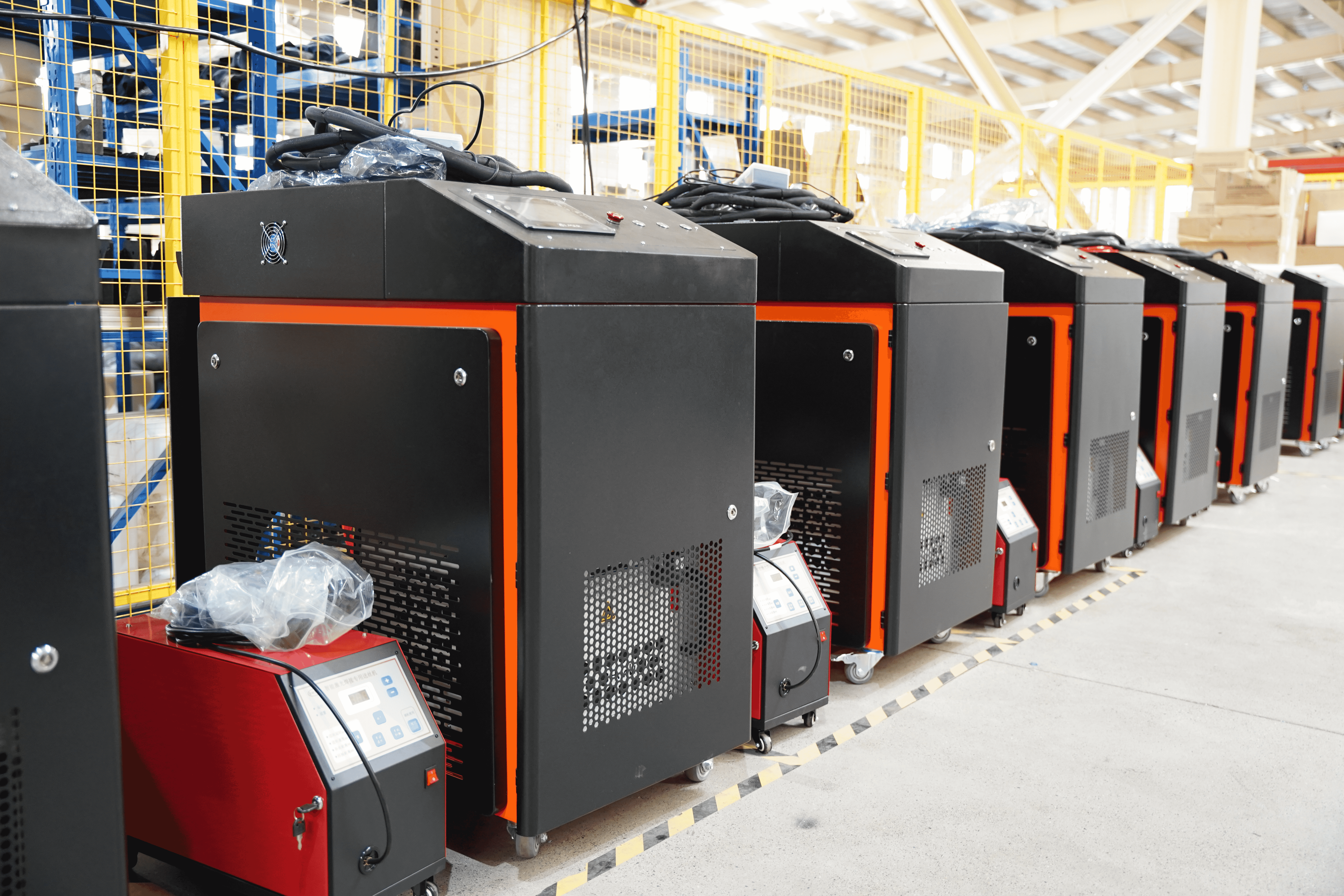
Understanding Laser Cutting Machine Fundamentals
How Pipe Laser Cutting Machines Work
Laser cutting machines for pipes work by using intense laser beams that cut right through metal surfaces. These lasers get so hot they basically vaporize the material they're cutting. What makes this approach so good is that it allows for extremely accurate cuts while removing material efficiently. Most modern systems have advanced optics and motion components that guide the laser exactly where it needs to go. Computer controlled systems, often called CNC tech, handle all those complicated movements automatically. This means the same cut can be made over and over again with almost no variation between them. When cutting happens, the material gets either vaporized completely, melted away, or blown out of the way by assist gases. The result? Cleaner edges on the finished product without all the roughness you typically see with other cutting methods.
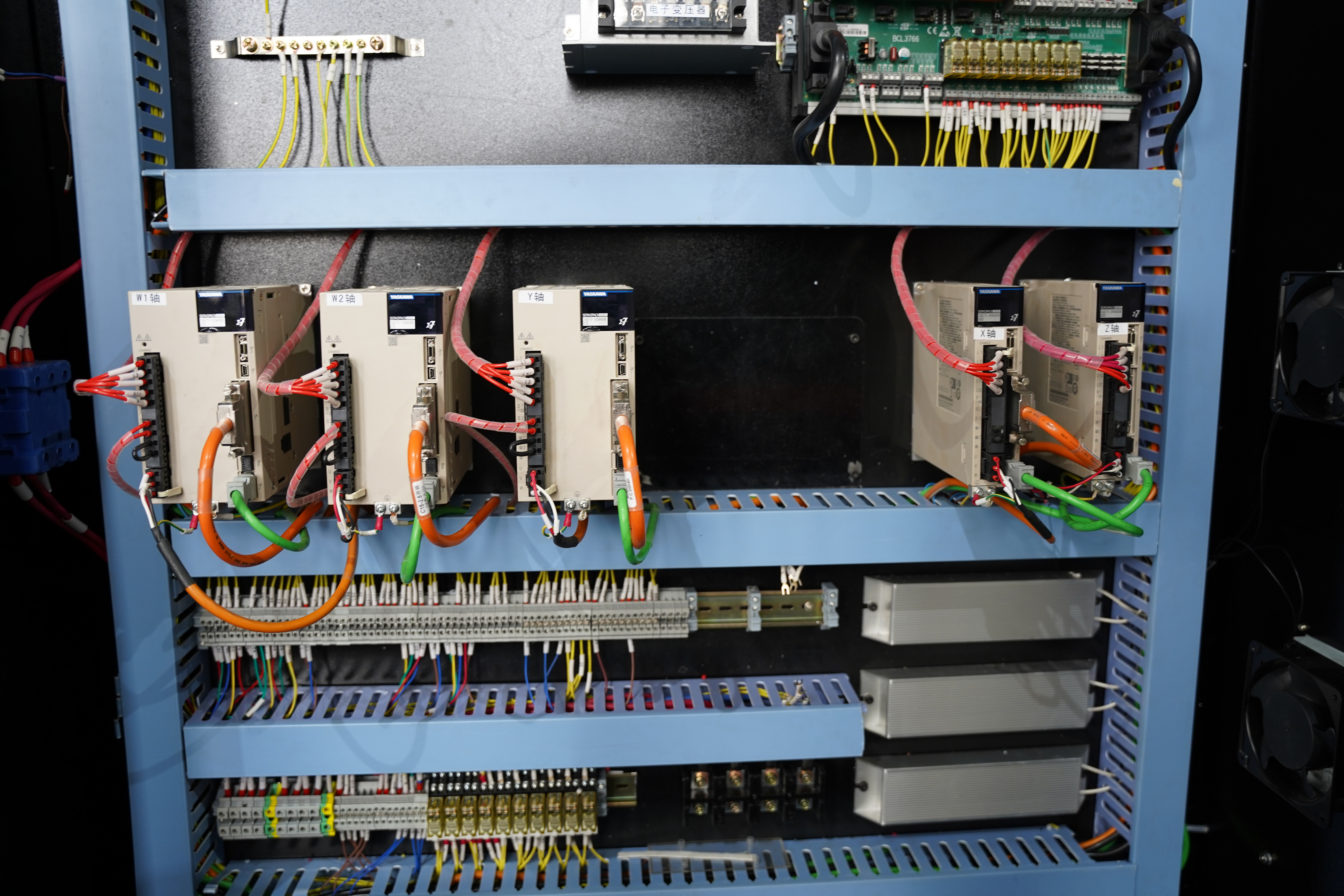
Fiber Laser vs. CO2: Technology Comparison
Choosing between fiber and CO2 lasers really comes down to what they can do best in different situations. Fiber lasers pack more punch when it comes to efficiency and raw power, so they're great for slicing through metals. On the flip side, CO2 lasers tend to perform better with things like plastics, wood, and other non-metal materials. Looking at the bottom line, fiber lasers usually need less maintenance and consume less energy over time than their CO2 counterparts, even though upfront costs can run higher. That's why manufacturers in the automotive and aerospace fields typically go with fiber tech these days because of how precise and fast it is. Meanwhile, companies working primarily with non-metal materials still find value in CO2 systems for their particular applications. The bottom line remains straightforward after looking at countless shop floors across various industries: there's no one-size-fits-all solution here. What works wonders in one factory might not make sense at all in another depending on what exactly needs to get done.
Industrial Applications of Tube Laser Cutting
Tube laser cutting machines play a huge role in many different sectors like cars, planes, and buildings. Car manufacturers rely on them to shape all sorts of metal parts with pinpoint accuracy. When it comes to aircraft manufacturing, these machines are absolutely critical for making those super strong but lightweight components that need to pass strict safety tests. Contractors love them too because they can carve out intricate shapes for building facades or structural supports that would be impossible with traditional methods. What makes these machines so great? Well, they save time, produce better quality cuts, and waste way less material compared to older techniques. Take XYZ Manufacturing for example—they switched to tube lasers last year and saw their output jump by 30% while their scrap pile got smaller at the same time. This kind of tech is changing how factories operate across the board.
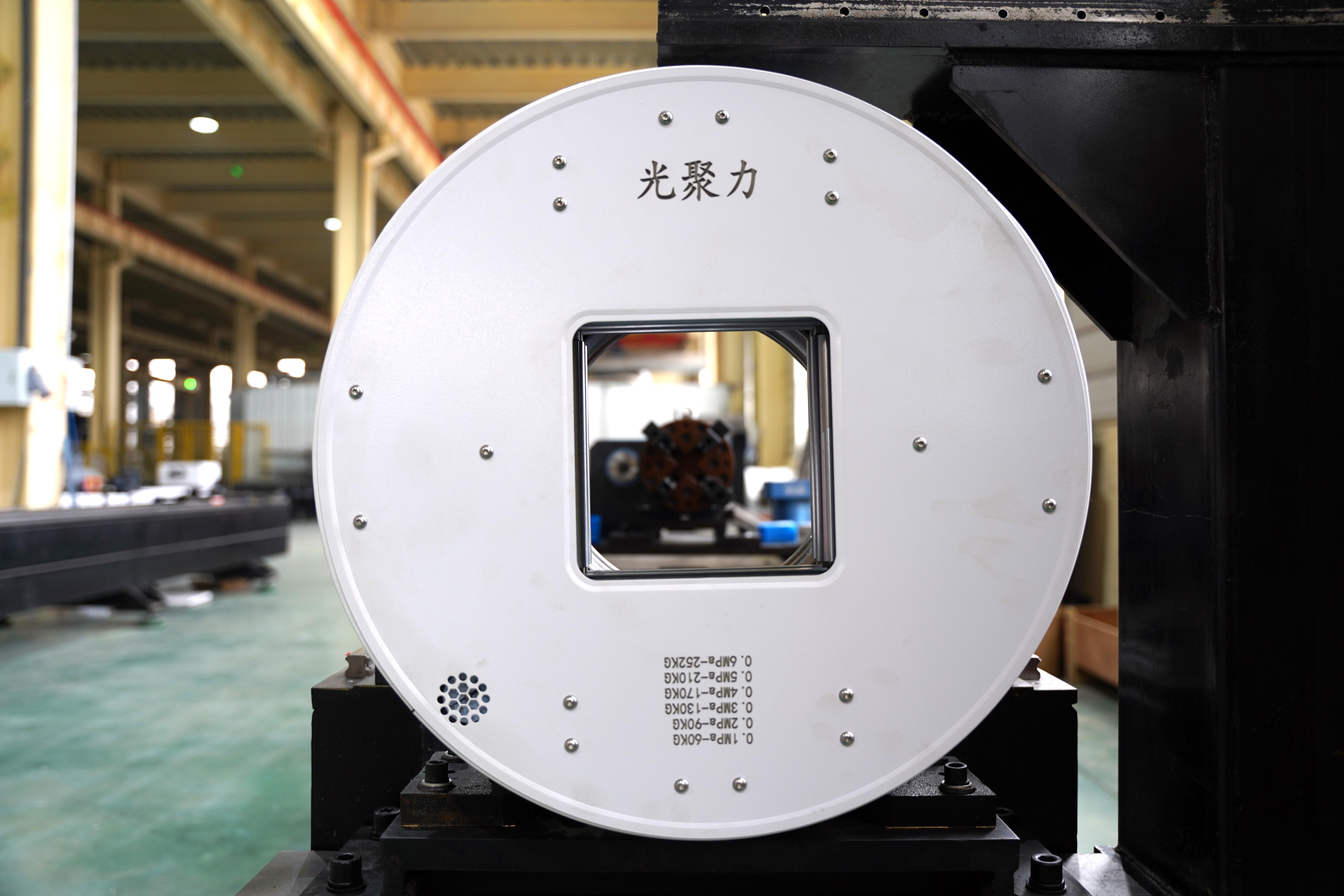
Key Specifications to Evaluate
Power requirements and cutting capacity
Getting a good grasp on what kind of power a laser needs makes all the difference when it comes to how fast things get cut and what thickness of material the machine can actually manage. The power level, usually stated in watts, basically decides what the machine can do. More watts mean quicker cuts and the ability to slice through thicker stuff. Material matters too when looking at cutting capacity. Metals such as stainless steel and aluminum generally need more power than plastics or other non-metallic substances. That's why matching power specs to actual production demands and knowing exactly what materials will be processed is so important for getting the most out of any laser cutting operation while keeping things running smoothly day after day.
Precision and accuracy metrics
When it comes to laser cutting, getting the right balance between precision and accuracy matters a lot for what ends up being produced. Precision basically means how well a machine can repeat the same cut over and over again, whereas accuracy is all about hitting those exact measurements that were intended. Manufacturers check these against established industry benchmarks that set out acceptable ranges and ways to measure them properly. Take automotive parts for example they need really tight tolerances so every component fits just right when assembled into vehicles. The difference between good and great results often boils down to these factors. Companies have found through experience that investing in better precision pays off handsomely, not only because products look nicer but customers tend to come back when they know what they get will work reliably in whatever application it's meant for.
Material compatibility: Metal to sheet metal
Material compatibility matters a lot when working with laser cutting machines. Operators need to know what kinds of materials work well with their equipment. Mild steel, stainless steel, and aluminum remain popular choices because they respond pretty well to laser beams during cutting operations. Each material needs different settings on the machine though. Picking between fiber lasers and CO2 lasers makes a real difference in how fast things get cut and how clean the edges look afterward. Recent improvements in technology now allow cutting through stuff that wasn't possible before traditional metal workpieces. We're seeing successful cuts on composite materials and special alloys too. This expansion opens up new possibilities across manufacturing sectors where diverse material requirements were once a limitation.
Operation and Safety Considerations
Essential Safety Features for Industrial Use
Safety cannot be compromised when working with industrial lasers. Workers need proper eye protection made for laser applications, plus machine enclosures that stop stray beams from escaping, and good ventilation systems to handle all that smoke and debris. Following safety rules from organizations like OSHA and ANSI isn't just paperwork it's about keeping people safe on the job site. Take a look at what happens when things go wrong the intense energy levels in these machines can cause serious eye damage or burn injuries if precautions aren't taken seriously. That's why companies invest so much time into training staff and maintaining their safety gear regularly.
Operator Training Requirements
Getting proper training is absolutely necessary when working with laser cutting machines if anyone wants to stay safe while getting good results. Good training gives operators all the basics they need to know how these machines work, from figuring out those confusing control panels to knowing what safety rules must be followed at all times. Most training sessions also teach people about things like adjusting settings correctly and doing regular checks to keep everything running smoothly. Many industries actually have strict requirements for this kind of training because there are laws and regulations that must be followed. These official certification courses aren't just suggestions either they're required by law in most places where these machines operate, which helps ensure workers can handle them safely and competently day after day.
Maintenance and Calibration Protocols
Keeping laser cutters running smoothly requires good maintenance habits. Most shops clean those glass lenses regularly to stop them from getting dirty or clogged up, plus they run through system checks monthly to make sure everything still works properly after months of operation. Don't forget calibration either it makes all the difference when it comes to getting clean cuts on materials like steel or aluminum sheets. Shops typically adjust the laser intensity based on what material thickness they're working with that day. From talking to machine operators across different industries, following a consistent maintenance schedule really extends how long these expensive machines last before needing major fixes. Less downtime means more work gets done without unexpected interruptions costing money.
Cost and Investment Analysis
Initial Investment Breakdown
Investing in a pipe laser cutting machine comes with various financial considerations. The biggest expense right from the start covers the actual machine purchase along with installation charges and necessary accessories for proper operation. Costs differ quite a bit depending on what kind of machine someone goes for. Fiber lasers tend to carry a bigger price tag because they offer better efficiency rates and cut with greater precision. Other things like how well known the manufacturer is and what capabilities the machine actually has will also affect overall spending. Most people who have worked with these systems know that going with established brands often means longer lasting equipment and consistently good results, even though it does mean paying more initially.
Operating Costs Comparison
Looking at running costs means comparing various laser cutting tech options. Fiber lasers tend to drink less electricity compared to other types, so they save money on power bills in the long run. Maintenance matters too though. Machines need regular checkups to stay working right, and what this actually costs depends a lot on how complicated the system is and how much it gets used day to day. What kind of material we're cutting affects costs as well. Thicker stuff needs more power to slice through, and this extra strain wears down equipment faster. Experts who've studied this stuff point out that going for efficiency now pays off big later, which is why anyone serious about managing costs should look beyond just upfront prices when shopping for laser systems.
ROI Calculation for Manufacturing Operations
When it comes to figuring out the return on investment for those pipe laser cutting machines, businesses really need to understand what kind of money they'll save down the road. To get accurate numbers, we typically check three main factors: how much was spent upfront, how much faster production becomes, and when exactly the machine starts paying for itself. The real game changers here tend to be faster production times and way less material waste going into landfills. Speaking from experience, looking at actual case studies makes all the difference. Take the automotive parts industry for example, where precision matters most. Companies there have seen some impressive results after switching to laser cutting tech. What's interesting is how these shops not only boost their bottom line but also cut down on environmental impact while running their manufacturing lines.