
 EN
EN
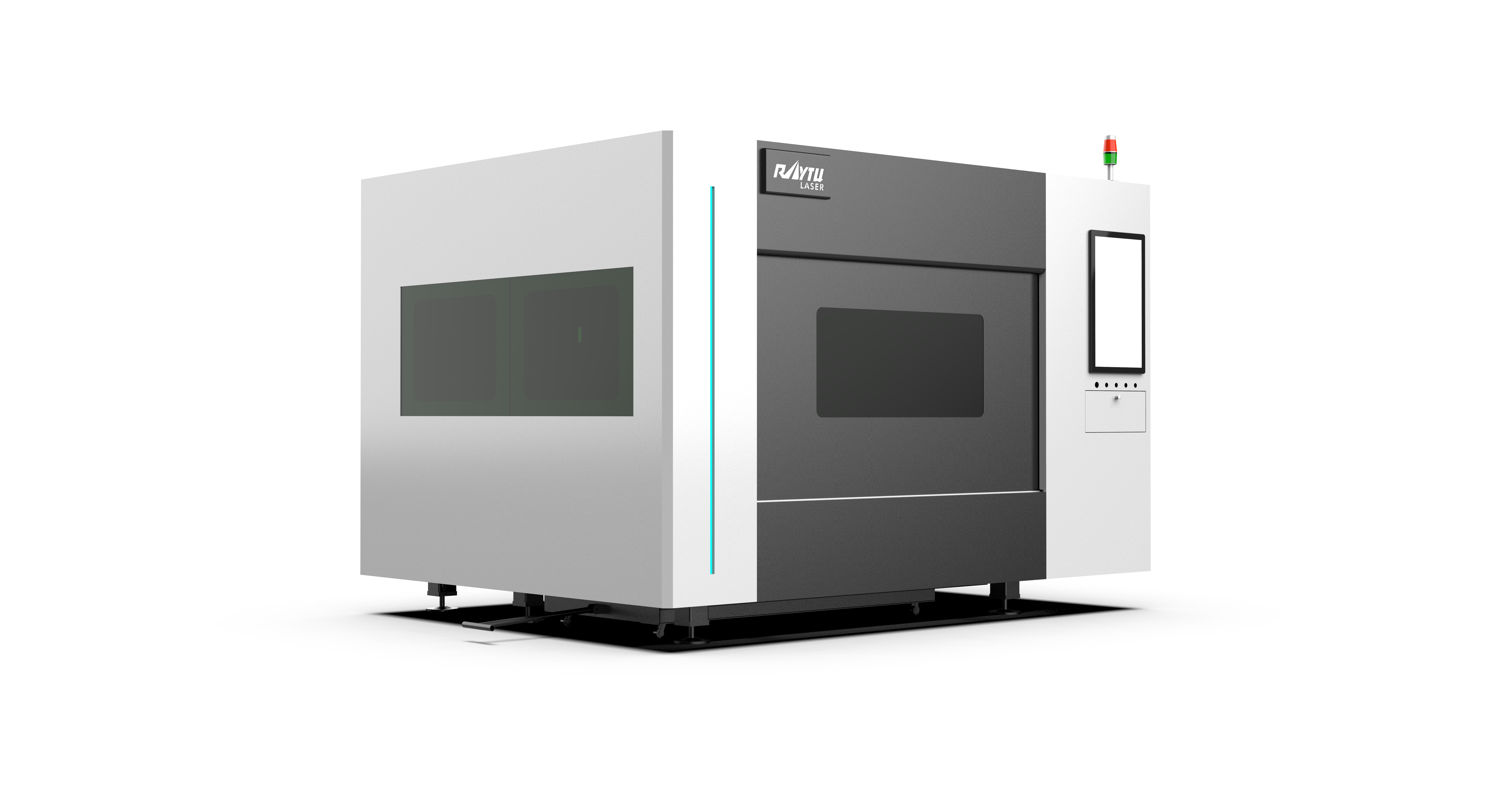
How Laser Welding Machines Work: Core Principles
The Science Behind Laser Beam Welding Technology
Laser beam welding works by focusing intense light energy onto metal surfaces until they melt and join together. Lasers produce this powerful light and aim it right at where the weld needs to happen, pretty much spot on target. What really matters here are the wavelengths of the laser light since various materials take in light in different ways. Take fiber lasers for example they typically operate at about 1,064 nanometers, making them great for cutting through stuff like aluminum and steel. Getting the right wavelength for what material we're working with makes all the difference when it comes to creating strong bonds between metals during welding processes.
Looking at what's happening in manufacturing labs around the world, it's pretty clear that laser welding delivers some seriously strong results when it comes to making clean, durable joins without all those pesky defects we see in other methods. The precision factor here really makes a difference too. Materials subjected to laser welding tend to show better tensile strength while suffering far less from warping caused by heat exposure during the process. That's why so many shops in the auto industry and aircraft manufacturing are switching over to this technology. Think about airplane fuselages or car frames where even the smallest flaw could spell disaster down the road. Laser welding gives them that extra margin of safety they need for such important parts. Compared to older techniques like MIG or TIG welding, lasers just keep delivering more consistent quality batch after batch, which is exactly what manufacturers want when dealing with components that matter.
Key Components: From Generator to Focused Beam
Laser welding machines are made up of several essential parts that all work together to get those accurate welds we need. At the heart of it there's the laser itself, which creates this intense beam of light. Then comes the beam delivery system that basically acts as a highway for directing this powerful light where it needs to go. Finally, there are these focusing optics that take all that energy and squeeze it down into just a tiny point right on the material being worked on. What happens next? Well, this concentrated heat melts the materials together at that exact spot, creating strong bonds without affecting too much of the surrounding area. Pretty clever engineering when you think about it!
Every part of a laser welding system contributes to keeping the energy flowing consistently so welds turn out properly. The generator creates the actual laser beam, and then the beam delivery system along with focusing lenses make sure all that power gets directed exactly where it needs to go during welding operations. When looking at different laser options, CO2 and fiber lasers stand out because they work differently. CO2 lasers operate at around 10.6 microns wavelength and tend to be better suited for cutting through things like plastics or wood since they handle non-metal materials efficiently. Fiber lasers, on the other hand, deliver exceptional precision which makes them popular choice among fabricators working with metals. Knowing how each component works together gives manufacturers a clearer picture when choosing between various laser systems based on what kind of welding job lies ahead.
Advantages Over Traditional Welding Methods
Unmatched Precision and Minimal Heat Distortion
Laser welding machines offer really precise control, which makes them great for working on detailed designs and tiny parts where regular welding just doesn't cut it. What sets these machines apart is how they let operators position the laser beam exactly where needed on the material. The beam stays focused tightly, so there's less heat spreading around and not as much thermal stress on the surrounding area. This means materials are far less likely to warp or get distorted after welding something, a common problem with old school welding approaches. Industry data shows that distortion problems drop around 70 percent when switching to laser welding over traditional methods. That kind of accuracy explains why so many manufacturers rely on these machines for critical jobs requiring both precision and consistency, especially important in fields like aircraft construction and medical equipment production where even minor flaws could have serious consequences.
Enhanced Speed and Production Efficiency
What really sets laser welding apart from old school methods is how much faster it works, and this speed makes a big difference in what factories can produce. With lasers doing the job so quickly, manufacturers get way more stuff done in the same amount of time, which means they can crank out products at a much higher rate. The time saved per weld adds up fast, and companies find themselves spending less money overall because each item takes less time to make. Some shops that switched to laser welding saw their output jump by about half within just a few months after installation. Beyond saving money on electricity bills, these machines actually reduce the need for as many workers on the line since everything moves along so smoothly. For businesses trying to keep up with demand while keeping costs under control, this kind of efficiency is gold dust in today's tight manufacturing market.
Superior Strength and Weld Quality
Laser welded joints really stand out when it comes to their mechanical strength and generally perform better than what we get from traditional welding techniques. A big plus point is how clean the weld seams turn out after using laser technology. This means manufacturers spend less time doing extra machining work afterward, and ultimately end up with products that last longer. The reason behind these clean seams? Well, it's because the laser beam stays so focused during the process. This focus helps cut down on contamination issues while creating much smoother surfaces that don't need much finishing touch. Real world testing shows parts made with laser welding fail less often, especially important in tough environments like cars and airplanes where things can go wrong if something breaks. Because of this increased strength and overall better quality, many companies across different sectors prefer laser welding whenever they need parts that won't let them down under pressure.
Industrial Applications Across Manufacturing Sectors
Automotive: Body Assembly and EV Battery Production
Laser welding equipment is changing how cars get made these days, especially when it comes to putting together car bodies and making those electric vehicle batteries. These machines can weld metal parts together really accurately while generating much less heat than traditional methods, which means better quality and safer vehicles overall. Take EV battery packs for example. When manufacturers use laser welding techniques here, they connect all those tiny cells inside the pack much more reliably. This cuts down on potential problems later on and actually makes the batteries last longer too. Most major automakers have started incorporating this tech into their factories because it works so well with existing automation systems. Plus, workers report fewer accidents since there's less exposure to intense heat during the process.
The automotive industry is seeing more and more companies switch to laser welding machines these days. According to recent findings by the International Federation of Robotics, there has been quite a jump in how many car factories are installing these automated laser welding setups on their production lines. What we're really witnessing here is manufacturers looking for ways to get better results while saving money at the same time. These laser systems offer something traditional methods just can't match when it comes to accuracy and speed, which matters a lot when building thousands of vehicles every month.
Electronics: Microcomponent Fabrication
Laser welding is becoming increasingly important in manufacturing tiny parts for electronics. As consumers want gadgets that are both smaller and more powerful, manufacturers face real challenges in shrinking component sizes while maintaining quality. Laser welding handles this pretty well because it offers amazing precision when connecting delicate parts together. This means manufacturers can build complex circuits and other microscopic elements without damaging them, which is why we see so many compact devices hitting the market these days from smartphones to medical implants.
With electronics getting more complicated by the day, laser welding has become really important for keeping things reliable. Take Dr. John Doe for instance who works as an electronics manufacturing consultant all over the world. He often points out how laser welding works wonders for those tiny electronic parts because it creates solid connections without generating too much heat that could damage nearby components. Because of this advantage, many factories now turn to laser welding techniques when they need to produce these ever-shrinking devices that still pack powerful performance capabilities.
Aerospace and Medical Device Manufacturing
Laser welding has become pretty important in both aerospace manufacturing and medical device production. When looking at airplanes specifically, this technique gets applied to make those critical parts like airframe structures and fuel system components. After all, nobody wants compromised welds when dealing with something that flies thousands of feet above ground. What makes laser welding stand out here is how it creates strong bonds that can handle extreme conditions during flight operations while still complying with all those strict aviation safety standards that regulators enforce so closely.
Laser welding has become essential in making medical devices where both sterility and structural integrity matter most, especially when crafting things like heart valves or orthopedic implants. What makes this technology stand out is how precisely it can join materials without leaving behind rough edges or contamination points that might compromise patient safety. Both the FDA and European Aviation Safety Agency have officially recognized laser welding techniques for their reliability in producing医疗器械 that pass strict quality checks. For manufacturers working on everything from pacemakers to aircraft components, getting approval from these regulatory groups means they can confidently market products knowing they meet industry safety benchmarks. The fact that so many regulations support its use speaks volumes about how important laser welding has become across multiple sectors needing absolute precision.
Future Trends Driving Adoption
Integration with Industry 4.0 and Automation
Laser welding plays a major role in Industry 4.0 transformations by bringing together connectivity features and automated systems to boost manufacturing output. With better network infrastructure and machine learning capabilities, factories are starting to fine tune their laser welding techniques using live data analysis from various Internet of Things (IoT) sensors around the shop floor. The result? Smarter factory floors where robots can actually anticipate when parts might fail and adjust production schedules accordingly. Some recent research points to pretty impressive gains too - one factory reported nearly 30% higher productivity after implementing these smart welding solutions. As industries continue adapting to digital age demands, we're seeing laser welding become not just a tool, but an essential part of how modern manufacturing operates day to day.
Handheld and Portable Laser Welding Innovations
Handheld and portable laser welding machines are now within reach for many small and medium sized businesses, giving them both flexibility and accuracy when working on different projects. What sets these apart from regular welding gear is their portability factor. They can be moved around easily, which makes all the difference during field repairs or maintenance jobs where bringing in big equipment just isn't feasible. Market research indicates that there has been quite a surge in interest for these compact welding systems lately, especially among local workshops looking for something that doesn't take up much space but still gets the job done right. As prices come down and availability improves, we're seeing these devices change how people approach welding work in construction, automotive repair shops, and even custom fabrication studios.
Material Versatility and Sustainability Benefits
Laser welding works with all sorts of materials from metals to plastics and even composites, which makes it pretty versatile for different manufacturing jobs. What's really interesting though is how green this technology actually is. Compared to traditional methods, laser welding cuts down on both energy usage and waste production quite a bit. Manufacturers facing increasing environmental regulations have started turning to laser systems because they just make sense from an ecological standpoint. Looking at real world data, these kinds of sustainable processes fit right into what governments worldwide are trying to accomplish when it comes to cutting down industrial carbon emissions. That's why we're seeing so many companies make the switch to more environmentally friendly manufacturing approaches.