
 EN
EN
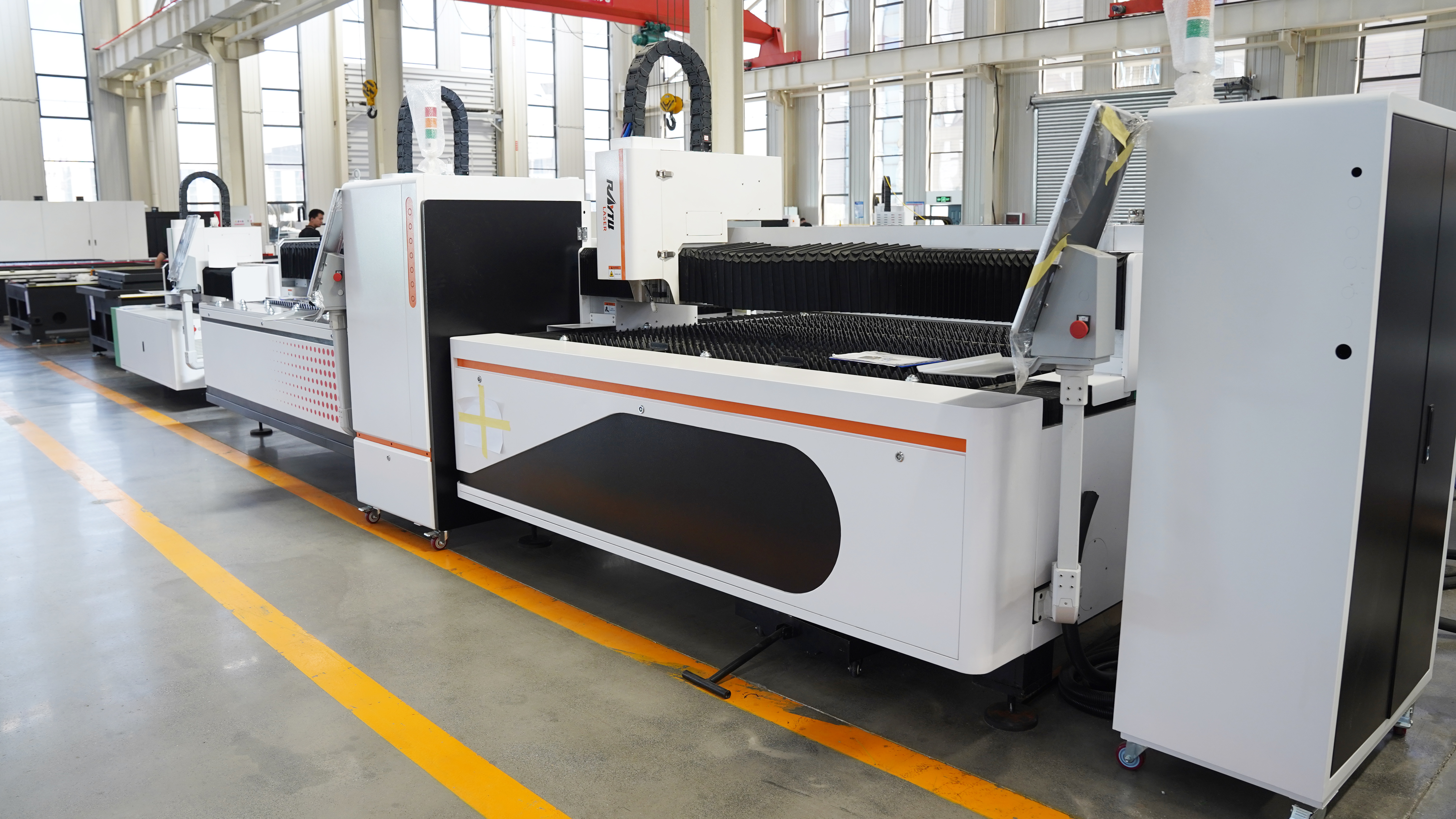
How Pipe Laser Cutting Machines Revolutionize Tube Processing
Automated Precision Cutting for Complex Geometries
The automation capability of high precision cutting has revolutionized tube processing for complex geometries. Advanced automated systems allow laser cutting machines to process very complex designs that no other process can replicate. The machines are equipped with high-resolution optics, which ensure each cut is exact, so you know your sculpture will be perfect every time. With this much accuracy there just simply is no human error and no chance of wasted material. When used with CAD/CAM technology, pipe laser cutting machine can process complicated geometric shapes accurately time after time, improving production efficiency and consistency.
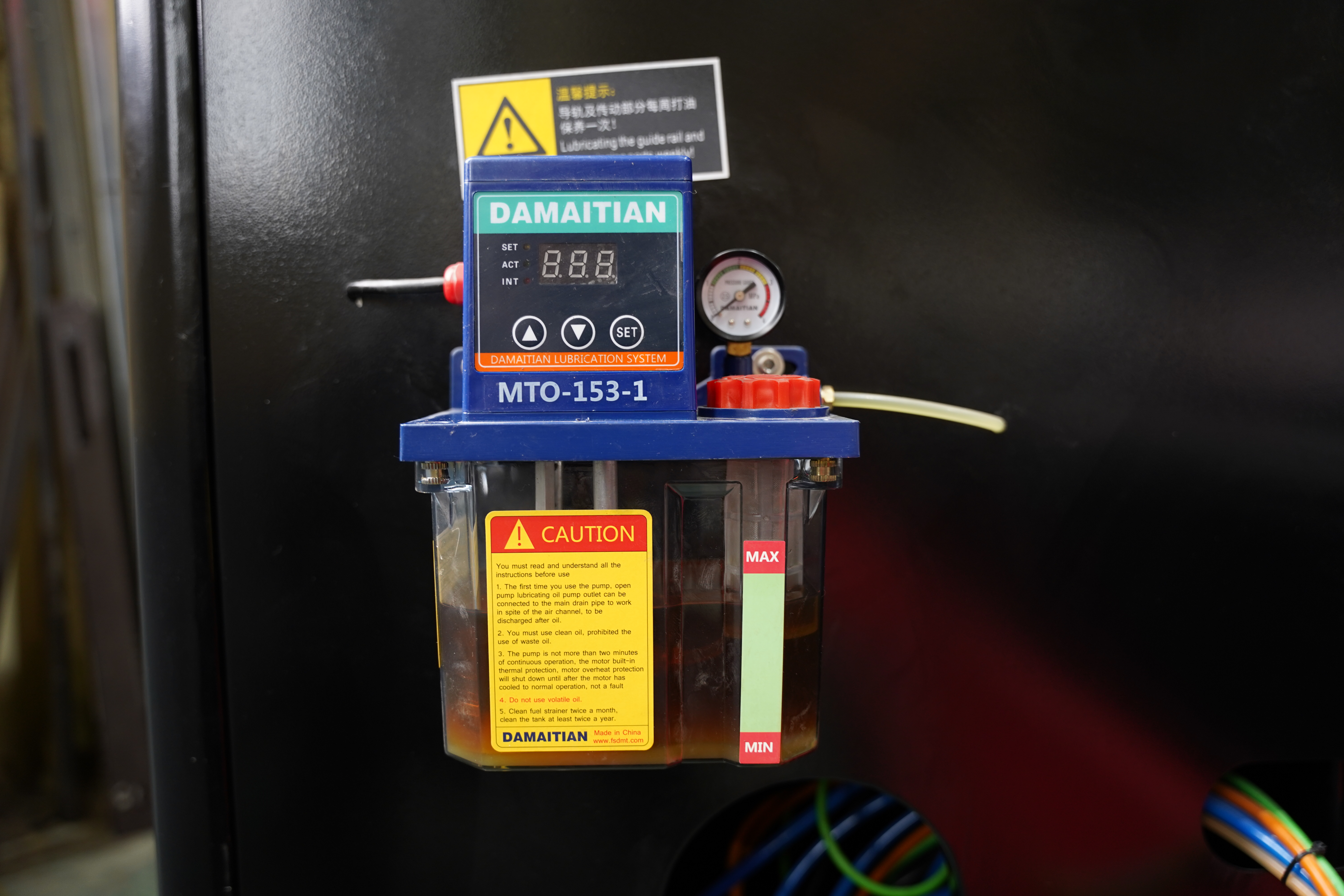
Fiber Laser Technology in Metal Processing
Thanks to its efficiency and precision, the fiber laser technology has established itself in the world of metal working. Fiber lasers are very efficient at cutting a wide variety of metals, even the more difficult metals such as stainless steel and aluminum. One of the big advantages of fiber laser technology is its long life time in comparison with other laser types which means less machine downtime and less maintenance is required. Recent developments have additionally increased their popularity with the possibility of higher cutting speeds and energy efficiency. Fiber lasers are optimised for the wavelength that is absorbed optimally in metal material, this means cutting is cleaner and that the edges are of higher quality, suited for more demanding applications.
Key Efficiency Drivers in Modern Laser Tube Cutting
High-Speed Processing with Minimal Material Waste
The new generation laser tube cutting machines transform the way in the manufacturing process by increasing cutting speeds yet lowering processing time. These technological developments have been crucial for optimising the parameters of cutting, with minimum waste. And with superior beam control technology, procedures are performed at a much faster rate and with more precision. Statistics show that companies using laser cutting can expect to lower their scrap rates by as much as 20% which can result in significant bottom line cost savings. By accurately processing each tube, laser cutting not only contributes to economic but also environmental advantages, making it an important element in efficient manufacturing.
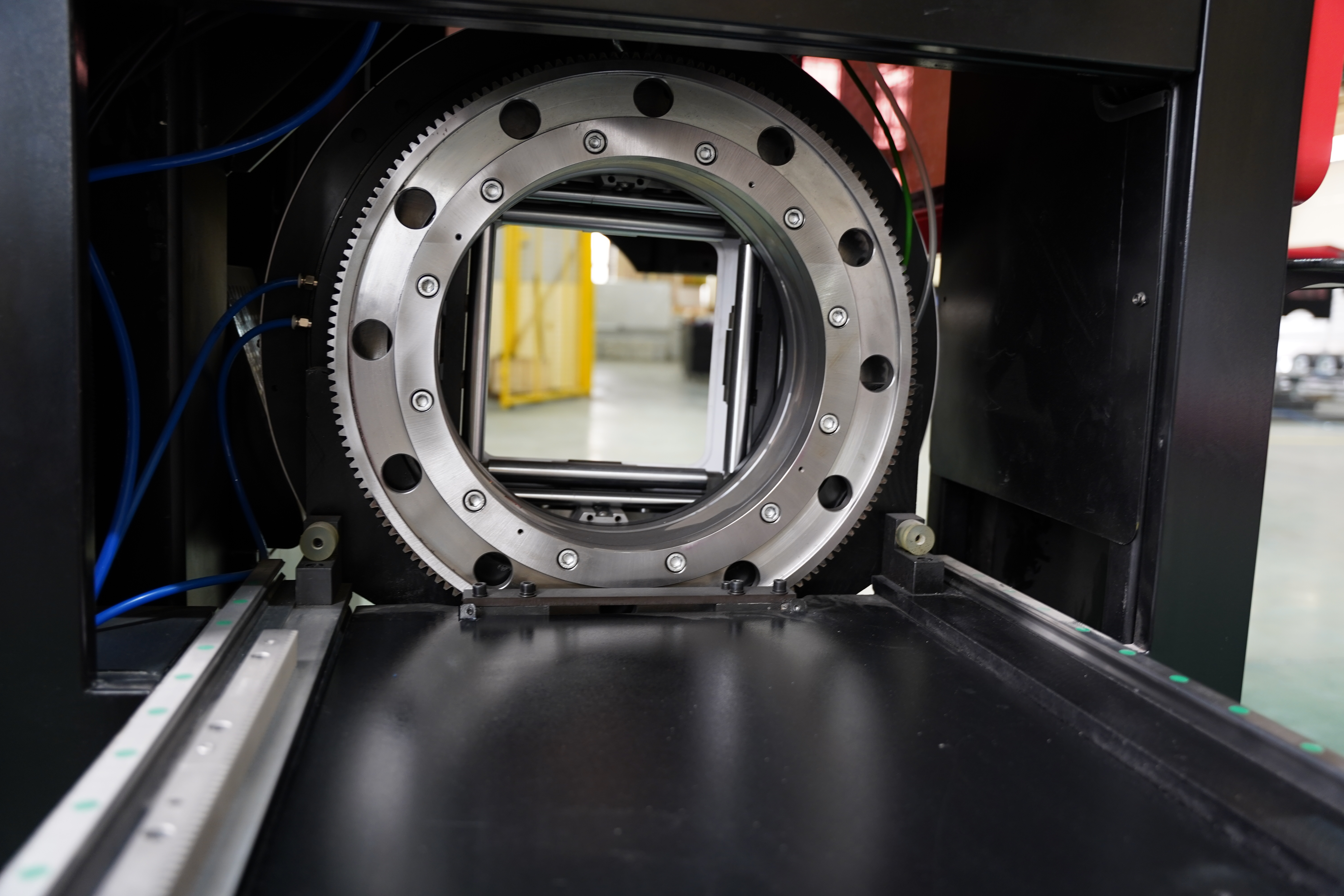
Seamless Integration with CAD/CAM Software
A key feature of today’s laser cutting tubes is how they have become fully synchronized with CAD/CAM software, eliminating any drag in the design-to-production process. This technology compatibility allows the engineer to create custom tube patterns and simulate the cutting process in real time. On the fly modifications in production can now happen, reducing lead times and the time to react to customer needs. This integration allows the manufacturing process to be more flexible to standard and custom designs. Advances like these not just deliver to a quality outcome, but also help to create a flexible manufacturing environment that can adapt to the necessity of a project, lending agility to the industry.
Advantages of Fiber Laser Cutting Machines for Industrial Applications
Superior Edge Quality Reducing Post-Processing Needs
Fiber laser cut machines provide extremely accurate and high quality cuts, sometimes even negating further finishing procedures. Additionally, in the automotive and other industries, the need for tight tolerances is essential, and the fiber laser is easily up to that challenge. For example, practical cases reaffirm that organizations with fiber laser machines will witness remarkable decrease of post-processing time and enjoy faster project delivery. Moreover, the better the edge quality the better your product would look in the end, and in competitive markets looks can be what makes a break or a deal.
Energy Efficiency Compared to Traditional Methods
The energy savings offered by fiber laser cutting machines is one of the most appealing advantages over its predecessors, such as CO2 lasers. In general, these machines use less power, making it a more green and economical solution. Studies have shown that transitions to fiber laser technology can lead to as much as a 50% power savings which will dramatically decrease operating costs over time. In today's climate of growing energy costs and stricter environmental regulations, energy-efficient processes are essential. Hence, transitioning to fiber laser technology isn't just a choice that's in line for sustainability, but also a good investment for businesses in the long run to maintain their competitive edge.
Optimizing Production Workflows with Tube Laser Systems
24/7 Operation Capabilities with Automated Loading
Continuous operation is one of the key features of advanced laser tube systems, with 24/7 production possible succession. This continuous operation is in great part allowed by automatic loading groups that substantially decrease the time machine is not working and the performance reach of the machine. With these systems in place, businesses can greatly ramp up their output and streamline their delivery schedules. So, what are some of the impacts of DVE on business outcomes? Well, for example, many claims of improved production efficiency have been reported with numbers like 30% or more being thrown around by some. It demonstrates how the automation of loading achieves high-performance production.
Multi-Axis Cutting for Complex Structural Components
Why We Should Use Multi-Axis Cutting Multi-axis cutting machines offer manufacturing versatility, which means professionals can cut all kinds of shapes and sizes without extra effort. Such flexibility is necessary to address jobs involving intricate structural members, since it enables manufacturers to create custom parts in a more timely manner. Sophisticated programming in these systems, as well, which allows the execution of very complex designs with very strong precision, The trend toward individualized solutions for manufacturing solutions has also contributed to the success of these systems. Accordingly, more and more producers are turning to multi-axis systems - realizing that the machines are central aids for the individual production and the flexible production.
Cost-Benefit Analysis of Laser Cutting Technology
Long-Term ROI Through Reduced Labor Costs
Such an investment can have a great long-term ROI by cutting down on labor costs as well. With the automation integral to these machines, the dependence on large amounts of manpower is reduced, which enables improved operation. A good financial analysis should demonstrate that the investment in laser technology can be recovered within a relatively short time, typically a few years. For example, a number of cases have shown that there is a reduction in labor cost of the order of 20%-30% with adoption. And the added savings that come with enhanced production throughputs make the switch to laser cutting machines a smart business move.
Scalability for High-Mix Low-Volume Production
It is scalable Laser cutting technology provides manufacturers with high scalability at a cost-effective scale. Such ability is important for the generation of high-mix low volume runs, meeting the speedy demands of today's business environment. Adaptation like this can be crucial for a firm if it is to remain competitive and nimble in certain areas of the market, experts suggest. Real-life cases illustrate how the companies use laser technology to rapidly change out work, thereby enabling them to maximize inventory management and operational performance. These cases illustrate the strategically beneficial aspects of the integration of laser cutting systems in various production processes.