
 EN
EN
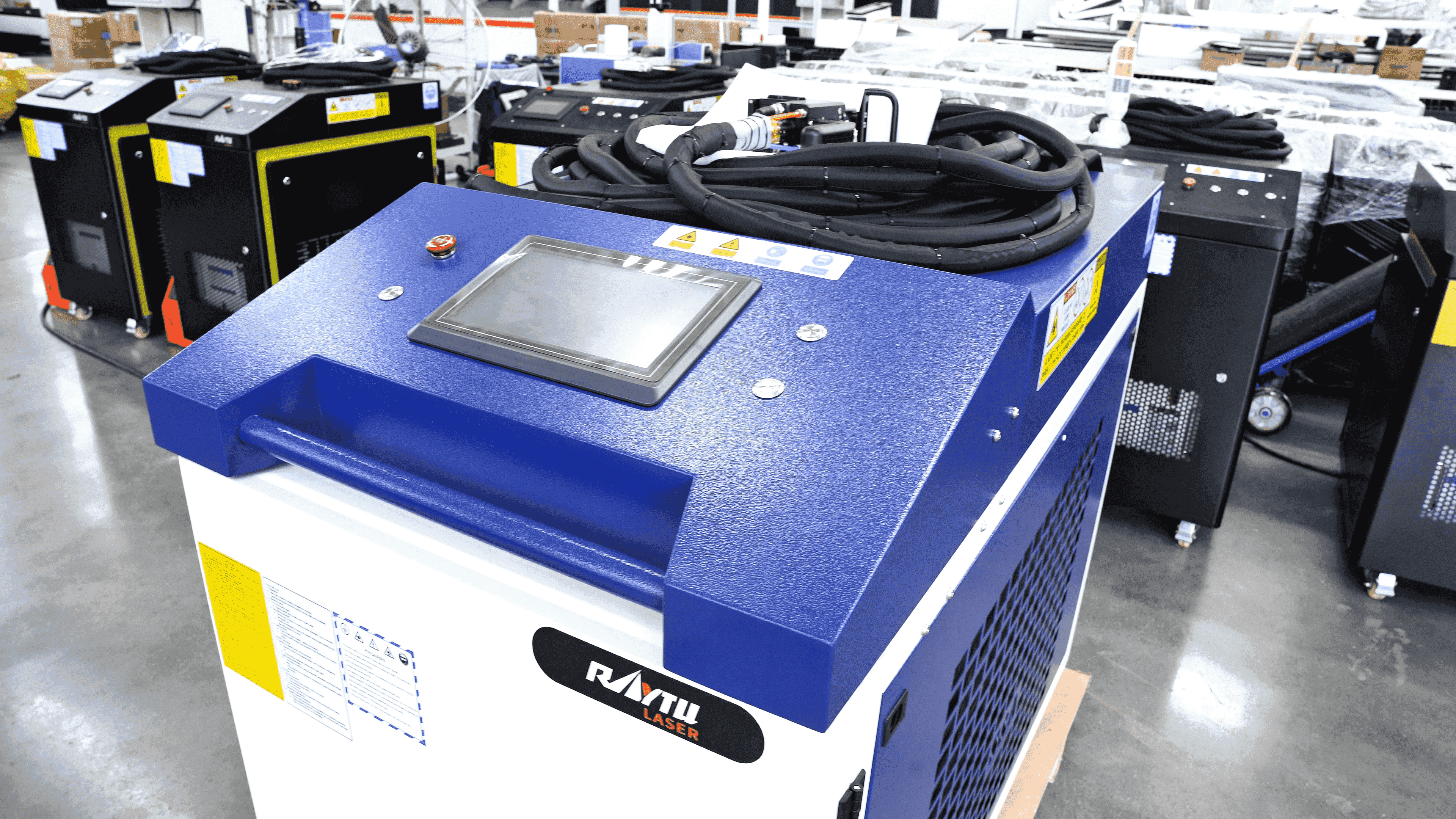
How Laser Cleaning Machines Remove Rust from Metal Surfaces
Laser Ablation, Vaporization, and Selective Absorption in Rust Removal
Laser cleaning systems work by using photochemical ablation to get rid of rust through those quick bursts of laser light, usually lasting around 10 to 200 nanoseconds. What happens is the laser energy goes past the point where iron oxide starts to break down, which sits somewhere between 0.5 and 2 joules per square centimeter. But here's the clever part it stays under the damage level for the actual metal itself, about 4 to 6 joules per square centimeter for steel. This difference means the rust basically turns to vapor while leaving the good metal underneath untouched. Some recent research from 2023 looked at how these lasers perform in real world situations and found they can clean away nearly all the rust from iron surfaces when running at 100 watts power, and best of all, there was absolutely no damage to the surface texture.
Effectiveness Across Metal Types: Steel, Stainless Steel, and Alloys
| Metal Type | Optimal Power | Removal Rate | Surface Impact |
|---|---|---|---|
| Carbon Steel | 100–150W | 98.2% | <0.1µm roughness |
| Stainless Steel | 80–120W | 99.1% | Passive oxide layer preserved |
| Aluminum Alloys | 50–80W | 94.7% | No pitting or discoloration |
The chromium oxide layer in stainless steel enhances laser absorption, reducing energy needs by 25% compared to carbon steel.
Case Study: Laser Cleaning of Corroded Stainless Steel in Industrial Pipelines
A 2023 analysis of 3km offshore oil pipelines made of 316L stainless steel revealed:
- 98% reduction in manual labor hours versus chemical stripping
- No substrate warping at 1.2mm wall thickness
- 14-month delay in corrosion recurrence, compared to 6 months with sandblasting
Complete oxide removal was achieved on 12µm-thick rust layers using a 75W fiber laser at 1000mm/s scan speed.
Laser vs. Traditional Rust Removal Methods: Efficiency and Performance
Speed and Throughput: Laser Cleaning vs. Manual Scrubbing and Sandblasting
Laser cleaning completes rust removal tasks in minutes rather than hours, outperforming manual scrubbing and sandblasting. Pulsed laser systems clean flat metal surfaces 3–5 times faster than abrasive blasting, offering significant advantages in high-volume manufacturing where minimizing downtime is critical.
Quantitative Comparison: Time, Labor, and Operational Efficiency Gains
A 2023 comparative analysis highlights the operational superiority of laser cleaning:
| Metric | Laser Cleaning | Sandblasting | Manual Scrubbing |
|---|---|---|---|
| Time per m² (minutes) | 2–5 | 15–30 | 45–60 |
| Operator Labor Hours | 0.5 | 2.5 | 6 |
| Waste Generation | None | High | Moderate |
According to material science researchers, laser systems achieve 90% faster processing times while eliminating secondary waste disposal processes.
Limitations and Situational Trade-offs of Laser Cleaning Technology
Laser cleaning is less effective on heavily pitted surfaces or alloys with complex oxidation layers requiring over 500W power. It also becomes less cost-effective for small-scale or infrequent applications, where traditional methods remain practical.
Key Advantages of Using a Laser Cleaning Machine for Metal Maintenance
Non-Contact Process Preserves Substrate Integrity and Precision
By avoiding physical contact, laser cleaning prevents micro-scratches and warping associated with abrasive techniques. Controlled beam parameters ensure only rust is removed, preserving base material properties essential for aerospace and medical components. Studies show laser-treated metals retain 99% of their original tensile strength.
Enhanced Safety: No Chemicals or Abrasives Required
Operators are protected from hazardous solvents like methyl ethyl ketone (MEK) and silica dust–two contributors to 42% of industrial respiratory cases (Occupational Safety Bureau, 2023). The enclosed system minimizes risks from flying debris and complies with ISO 45001 safety standards.
Environmental Benefits: Zero Chemical Waste and Reduced Particulate Emissions
Laser cleaning generates no spent abrasives or solvent residues, eliminating hazardous waste entirely. Particulate emissions stay below 0.1 mg/m³, meeting EU Directive 2019/1302 on workplace air quality and supporting circular economy goals by preventing landfill waste.
Long-Term Cost Savings Despite Higher Initial Investment
Though initial costs are 2–3 times higher than sandblasting setups, laser systems reduce operational expenses by 30–50% through eliminated consumables and reduced downtime. A 2024 material efficiency study found automotive manufacturers recouped investments within 14 months via savings on media and disposal fees.
Extending Equipment Lifespan with Laser Surface Preparation
Laser cleaning extends metal equipment service life by 30–70%, according to a 2023 corrosion prevention study. By removing contaminants at a molecular level and preserving substrate integrity, it significantly improves resistance to recurring corrosion.
Reducing Corrosion Recurrence Through Thorough Laser Surface Cleaning
Traditional methods often leave micro-pits and embedded oxides that accelerate re-rusting. Laser ablation removes 99.9% of surface contaminants, ensuring optimal adhesion for protective coatings. Key mechanisms include:
- Selective vaporization of rust without etching the base metal
- Reduction of chloride ions–primary catalysts for oxidation–to under 10 ppm
- Creation of an oxidation-resistant surface finish (0.8–1.2 ¼m Ra)
Impact on Maintenance Intervals and Industrial Machinery Longevity
Manufacturers report 40–60% longer intervals between maintenance cycles when using laser cleaning. A 2024 turbine blade maintenance analysis showed:
| Metric | Mechanical Cleaning | Laser Cleaning |
|---|---|---|
| Re-coating frequency | 18–24 months | 36–48 months |
| Annual downtime | 120–140 hours | 40–60 hours |
| Lifetime repairs | 8–10 cycles | 3–4 cycles |
This precision reduces lifecycle costs by 22–35%, making laser cleaning a strategic tool for asset preservation.
Industrial Applications and Adoption Trends of Laser Rust Removal Systems
Automotive, Aerospace, and Maritime Sectors: Real-World Use Cases
The automotive industry has really taken to laser cleaning technology lately. It gets rid of rust on engine blocks and transmission parts all while keeping those super tight micrometer level tolerances that modern cars require. Over in aerospace, mechanics are finding it invaluable for restoring turbine blades and fixing up landing gear components without messing with the heat treated surfaces that need to stay intact. Boat builders and offshore platform operators have also started using this method extensively. They apply it to clean ship hulls and repair structures damaged by constant exposure to salty seawater. According to some recent field testing results published last year, companies across different industries report cutting down their surface prep time by around 60%, which makes a huge difference when dealing with large scale manufacturing operations.
Field Applications: Removing Oxides, Coatings, and Surface Contaminants
Beyond rust, laser systems are used to:
- Strip oxidation from welded joints in stainless steel pipelines
- Remove anti-corrosion coatings before reapplication on steel bridges
- Decontaminate precision bearings in food processing equipment
Metallurgical studies confirm the non-abrasive process prevents warping even on thin aluminum sheets (0.5–2mm thickness).
Trend Analysis: Growth in Laser Cleaning Machine Adoption (2018–2024)
Global demand for laser cleaning solutions has been climbing steadily, growing around 18.7% annually between 2018 and 2024 mainly because governments worldwide are cracking down on harmful waste materials from traditional methods. Car manufacturers these days typically spend somewhere between 25% and 35% of what they budget for surface treatments on laser technology instead of old school techniques. The aerospace sector is even more impressed, with companies saying they cut down labor expenses related to removing coatings by about half when switching to lasers. We're also seeing some exciting developments happening in chip making factories and solar panel production lines, which suggests this market won't slow down anytime soon. Most analysts think we'll keep seeing strong expansion right up until 2030 based on current trends.
FAQ Section
What makes laser cleaning more effective than traditional methods?
Laser cleaning is more efficient and faster than traditional methods like sandblasting and manual scrubbing. It generates no waste, preserves metal integrity, and requires less manual labor.
Is laser cleaning safe for all metal surfaces?
Laser cleaning is generally safe for most metals, including carbon steel, stainless steel, and aluminum alloys. However, it's less effective on heavily pitted surfaces and may not be cost-effective for small-scale applications.
How does laser cleaning contribute to environmental sustainability?
Laser cleaning generates no chemical waste and significantly reduces particulate emissions, supporting circular economy goals and improving workplace air quality.
What industries benefit most from laser cleaning technology?
Industries such as automotive, aerospace, maritime, and manufacturing benefit significantly from laser cleaning due to its precision, efficiency, and environmental benefits.
Table of Contents
- How Laser Cleaning Machines Remove Rust from Metal Surfaces
- Laser vs. Traditional Rust Removal Methods: Efficiency and Performance
- Key Advantages of Using a Laser Cleaning Machine for Metal Maintenance
- Extending Equipment Lifespan with Laser Surface Preparation
- Industrial Applications and Adoption Trends of Laser Rust Removal Systems
- FAQ Section