
 EN
EN
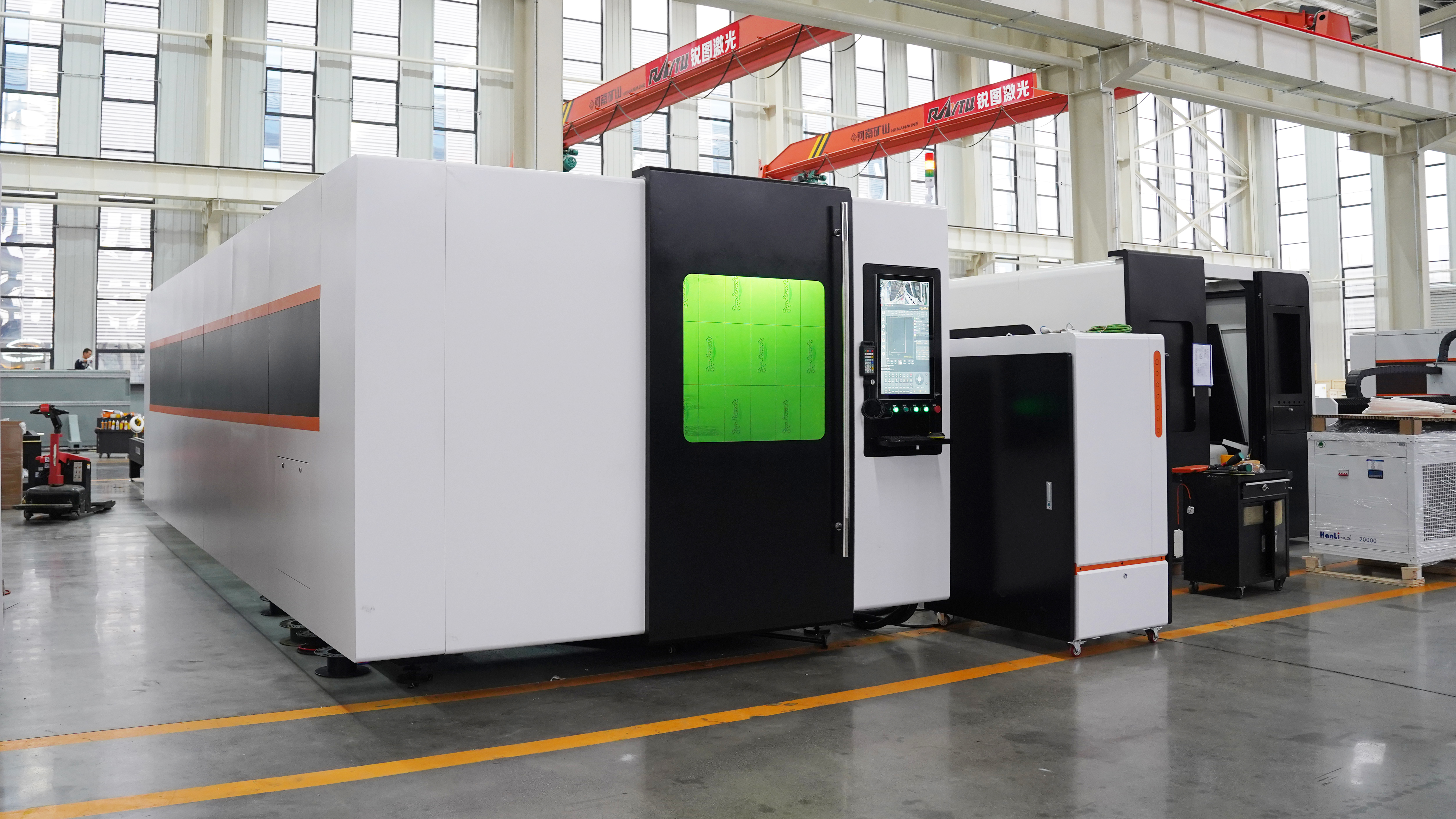
Core Factors Influencing Pipe Diameter Accuracy in Tube Laser Cutting
Understanding Precision vs. Accuracy in Tube Laser Cutting Machine Operations
When talking about laser cutting, precision basically means getting the same cut every time when conditions stay the same. Accuracy is different though it tells us how close our actual cuts come to what was designed in the blueprints. Tube laser machines need good levels of both these things. Precise control over the laser beam makes sure each piece comes out looking just like the last one, but without proper calibration against those CAD drawings, everything might still be wrong. Imagine a machine that can hit within 0.05mm for precision but misses target specs by 0.1mm on average. That kind of setup would produce parts that look uniform but won't fit properly together in the end product, which obviously causes problems down the line during assembly.
Industry Benchmarks for Cutting Tolerances and Dimensional Consistency
Industrial tube laser cutting systems generally keep diameter tolerances within a range of plus or minus 0.1 to 0.3 millimeters when working with both carbon and stainless steel materials. For thinner stock under 2mm thick, manufacturers usually get much better results around 0.07mm variance. But when dealing with wall thicknesses over 6mm, the numbers start drifting higher sometimes reaching as much as 0.4mm because of how heat affects metal expansion during cutting. These figures match what's outlined in the ISO 9013-2017 standard for thermal cutting processes. However, some specialized fields like aerospace manufacturing or medical device production demand even greater precision, often needing measurements below 0.1mm accuracy which requires extra setup adjustments and quality checks throughout production runs.
The Role of Fiber Laser Technology in Minimizing Diameter Deviation
Modern fiber lasers enhance diameter accuracy through three key advantages:
- Beam Quality: At 1,070nm wavelength, fiber lasers deliver 8–10x tighter focus than CO2 systems, reducing kerf width variation.
- Adaptive Power Control: Automatically adjusts output (500–6,000W) based on material thickness and reflectivity.
-
Collision Compensation: Sensors detect tube ovality or bowing, dynamically adjusting the cutting head path.
According to a 2024 analysis of laser systems, integrating Laserscan error detection has reduced diameter deviations by 32% in automotive manufacturing.
Debating Sub-0.1mm Tolerance: Feasibility Across Materials
Sub-0.1mm tolerance is achievable in thin-walled (<3mm) stainless steel and titanium but remains challenging for other materials:
- Aluminum: High thermal conductivity leads to uneven cooling, typically resulting in ±0.12mm deviation.
- Copper: Reflectivity causes inconsistent energy absorption, yielding ±0.15mm variances.
- Plastics: Material memory effects induce post-cut shrinkage of up to ±0.2mm.
Machine Calibration and CNC Control for Repeatable Precision
Achieving sub-0.1mm diameter accuracy requires rigorous calibration and advanced CNC synchronization. These systems combine mechanical stability with real-time software corrections to maintain dimensional consistency over time.
Laser Alignment, Beam Focus, and System Calibration Protocols
Initial setup includes optical targeting to verify focal point consistency around the tube circumference. Weekly calibration checks include:
| Calibration Factor | Method | Impact on Accuracy |
|---|---|---|
| Focus alignment | Collimator inspection | ±0.05mm diameter deviation |
| Motion synchronization | CNC servo motor response testing | Reduces kerf width variation by 22% |
| Deformation compensation | Material-specific bow/twist presets | Corrects up to 0.3mm centerline shift |
| Thermal drift | Spindle temperature monitoring | Prevents 18µm/m thermal expansion |
These procedures ensure the beam remains within 5µm of the intended path.
CNC Synchronization of Motion and Laser Output for Consistent Cuts
CNC controllers synchronize rotational axis speed with laser pulsing at up to 10,000 RPM, adjusting power in 0.01-second intervals. This prevents elliptical distortions in round tubes, maintaining diameter consistency within 0.07mm across batches. Predictive algorithms compensate for gear backlash, reducing diameter errors by 34% in stainless steel applications.
Compensation for Material Deformation: Bow, Twist, and Sag
Laser profilometry before cutting helps map out any geometric deviations and sends that information straight to the CNC system for processing. When dealing with bowed tubes, the cutting head actually shifts its path by around 1.2 millimeters but still manages to keep the correct focus depth throughout. There's also something called twist compensation that works by rotating the clamp as it cuts, which fights against those spiral-like distortions we sometimes see. This setup allows for incredible precision, getting down to less than 0.1mm diameter accuracy even on those really long aluminum extrusions that can stretch up to 6 meters in length.
Maintenance and Recalibration Schedules to Sustain Long-Term Accuracy
Regular maintenance preserves long-term precision:
- Linear guide lubrication every 200 hours reduces axis drift by 40%.
- Beam path realignment every 500 hours restores focal accuracy to ±0.03mm.
- Servo encoder checks prevent cumulative positioning errors exceeding 15µm.
Following ISO 9013 calibration practices extends tolerance compliance by 7–9 months between major overhauls, supporting sustained sub-0.1mm accuracy over 10,000+ operating hours.
Real-Time Measurement and Automated Alignment Systems
Advanced measurement technologies enable modern tube laser cutters to maintain ±0.1mm diameter accuracy by detecting and correcting deviations in real time.
Touch-Probe Technology for Pre-Cut Detection of Tube Irregularities
Mechanical touch probes scan tubes before cutting, identifying dents, ovality, and wall variations exceeding 0.05mm. Systems using nanometric-resolution error detection reduce scrap rates by 15% compared to post-cut inspection methods.
Vision-Guided Systems for Automated Tube Positioning and Centerline Alignment
High-resolution cameras and laser projectors generate 3D models of each tube, automatically aligning the cutting head to the true centerline. This compensates for straightness deviations up to 1.2mm/m and keeps beam focus within 0.03mm of the programmed path.
Integration of Sensors and Probes for Real-Time Diameter Correction
Laser micrometers, contact probes, and thermal sensors feed live data to the CNC, enabling dynamic adjustments during cutting:
- Compensates for material springback (up to 0.2mm in high-carbon steels)
- Adjusts for thermal expansion (ξ0.08mm/°C in copper alloys)
- Counters kerf variations from cutting head wear
| Calibration Method | Downtime Frequency | Accuracy Maintenance | Adaptability |
|---|---|---|---|
| Real-Time Systems | Every 40 hours | ±0.05 mm | Auto-adjusts to wear |
| Manual Recalibration | Every 8 hours | ±0.15 mm | Fixed preset values |
Industrial trials show multi-sensor integration sustains precision 62% longer than manual recalibration protocols.
Material Preparation and Handling's Impact on Dimensional Consistency
Importance of Raw Material Quality and Initial Tube Tolerances
Cutting accuracy begins with material quality. Tubes exceeding standard tolerances—such as ±0.5mm diameter variance in ASTM A513 steel—amplify downstream errors. A 2023 International Tube Association study found that 62% of dimensional defects originated from upstream material irregularities. Consistent wall thickness and concentricity reduce reliance on real-time compensation.
Dimensioning from Centerline to Match CAD/CAM Programming Intent
Centerline coordinate mapping aligns tube geometry with CAD models. In 80mm-diameter aluminum tubes, a 0.3mm radial misalignment can increase cut-path deviations by 140%, according to the Journal of Precision Manufacturing (2024). This method minimizes asymmetric thermal distortion during processing.
Robotic Loading and Clamping Systems to Reduce Human Error
Automated handling eliminates manual positioning errors. Six-axis robotic arms with force feedback achieve ±0.05mm repeatability—75% more accurate than manual loading (Robotic Automation Alliance, 2023). Vacuum clamps and self-centering chucks maintain ±0.1mm concentric alignment throughout the cutting cycle.
How Tube Shape, Size, and Fixturing Influence Cutting Precision
Ovality in 30mm copper tubes requires mandrel support to prevent shifting during rotation. For large-diameter (>150mm) square tubing, multi-point magnetic fixturing reduces harmonic vibration by 90% versus traditional vises, preserving the machine’s ±0.15mm diameter accuracy across diverse geometries.
CAD/CNC Programming Integration for Kerf and Path Accuracy
Programming precise cut paths using CAD and CNC software
Computer aided design programs take those blueprints and turn them into smart cutting plans through some pretty clever math behind the scenes. According to a study published in Scientific Reports back in 2025, when manufacturers use these advanced path planning techniques, they actually get about 30 percent better geometry accuracy than what old school methods could manage. The latest toolpath approaches keep things really tight too, staying within plus or minus 0.05 millimeters across all sorts of tricky shapes including those awkward tapers and weird profile angles nobody likes dealing with. What makes these systems stand out is how they already factor in problems like material springback and heat warping before anyone even starts cutting. That means fewer mistakes on the first try which saves both time and money in production shops everywhere.
Adaptive CNC control for dynamic kerf width compensation
When working with materials that vary in thickness or have different thermal characteristics, adjusting the kerf during operation becomes essential for quality results. Modern CNC systems equipped with smart controls continuously adjust both laser intensity and cutting speed according to what the sensors pick up, maintaining slit dimensions within about 0.08mm of what's needed. The difference matters especially when moving from one metal to another, like going between stainless steel and aluminum sheets. If we stick to fixed parameters here, the kerf width could end up varying by around 15% because these metals conduct heat so differently. Advanced closed loop monitoring catches even tiny deviations down to 0.03mm and kicks off an automatic recalibration process all while the machine keeps running, which saves valuable production time compared to older methods that required manual intervention.
Seamless data flow from design to machine execution
When there's digital continuity between CAD models and CNC controllers, we say goodbye to those pesky translation errors that used to plague manufacturing shops everywhere. The automated creation of G-code straight from 3D designs keeps important parameters such as focal distance measurements and nozzle positioning spot on throughout the entire process from simulation right through to actual production runs. What does this mean in practice? Well, manufacturers report around a 40 percent drop in setup mistakes, which is huge when considering how much time and money gets wasted otherwise. Plus, designers can now make last minute tweaks to their blueprints without needing to build another prototype first. And let's not forget about those machine readable STEP files either. These bad boys maintain tolerances as tight as 0.01 millimeters, so what comes out at the end looks just like what was designed digitally even if it involves intricate nested parts or complicated hole patterns that would have been impossible to visualize properly before.
FAQ
What influences pipe diameter accuracy in tube laser cutting?
The key factors include precision and accuracy of the laser cutting machine, industry benchmarks for tolerances, the role of fiber laser technology, and CNC calibration and synchronization.
What are the industry benchmarks for cutting tolerances?
Generally, industry standards maintain tolerances within ±0.1 to 0.3 millimeters, depending on material thickness and specifications.
How does fiber laser technology affect diameter deviation?
Fiber lasers improve accuracy with their superior beam quality, adaptive power control, and collision compensation capabilities.
What role do CNC systems play in cutting precision?
CNC systems integrate advanced synchronization and calibration protocols to maintain consistent cuts and compensate for material deformation and equipment wear.
How important is raw material quality in cutting accuracy?
High-quality raw materials with consistent wall thickness and initial tolerances are crucial for accurate final cuts, reducing the need for real-time corrections.
Table of Contents
- Core Factors Influencing Pipe Diameter Accuracy in Tube Laser Cutting
- Machine Calibration and CNC Control for Repeatable Precision
- Real-Time Measurement and Automated Alignment Systems
- Material Preparation and Handling's Impact on Dimensional Consistency
- CAD/CNC Programming Integration for Kerf and Path Accuracy
- FAQ