
 EN
EN

The Role of Laser Welding in Sustainable Manufacturing
Reducing Material Waste Through Precision Welding
Laser welding tech really helps cut down on material waste because it creates those super accurate joins, which makes a big difference for sustainable manufacturing practices. Industry reports show that this kind of welding actually cuts down on extra materials used by around 30%. That number alone shows just how much of an effect it has on meeting sustainability targets. What makes it even better are these special techniques like seam tracking and adaptive controls that manufacturers use to get the most out of every piece of material they work with. Take a look at what happens in industries such as car manufacturing and aircraft production where laser tech has become standard practice. These sectors have managed to slash their waste levels while still maintaining high standards. Companies using lasers end up with stronger welds that don't distort the materials, so there's simply less scrap going to waste and products come out looking and performing better overall.
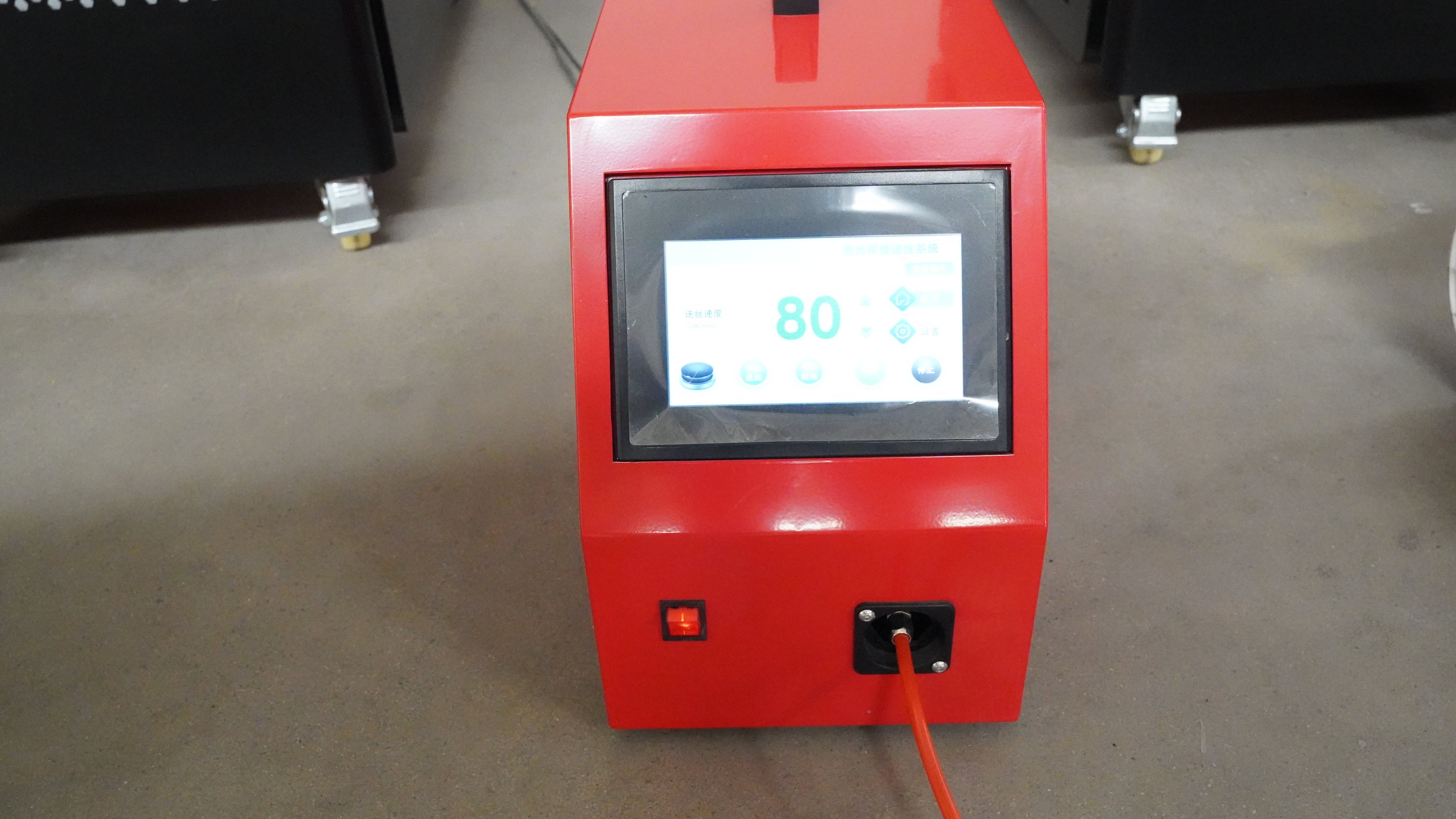
Lower Energy Consumption Compared to Traditional Methods
Laser welding stands out because it uses less power than most conventional welding approaches. Research shows these systems can cut energy needs by around 90% when compared to standard arc welding methods, which makes them great for cutting down on running expenses and helping businesses hit their green targets. When manufacturers switch to fiber laser technology, they see two main advantages: reduced power usage and better productivity from quicker, more accurate welds. Many factories are now making this shift as pressure mounts to reach international environmental benchmarks. The move toward laser welding isn't just good for the planet either. Companies find they can slash carbon emissions without sacrificing quality, something that matters a lot in competitive manufacturing markets where precision counts.
Key Advantages of Laser Welding Machines
Minimized Heat-Affected Zones (HAZ)
Laser welding offers a major benefit when it comes to minimizing heat affected areas, or HAZ for short, which helps cut down on material distortion. Because laser welding creates much smaller HAZ regions compared to traditional methods, the resulting welds tend to be stronger and maintain their original material characteristics. This matters a lot in sectors like aerospace manufacturing where getting things just right is absolutely essential. Research shows that reducing these heat affected zones actually means fewer flaws develop in the welds and the finished products last longer overall. What makes laser welding so effective is how precisely it controls the amount of heat applied during the process. This level of control keeps materials from degrading too much, making sure what comes out at the end still meets quality standards across different applications.
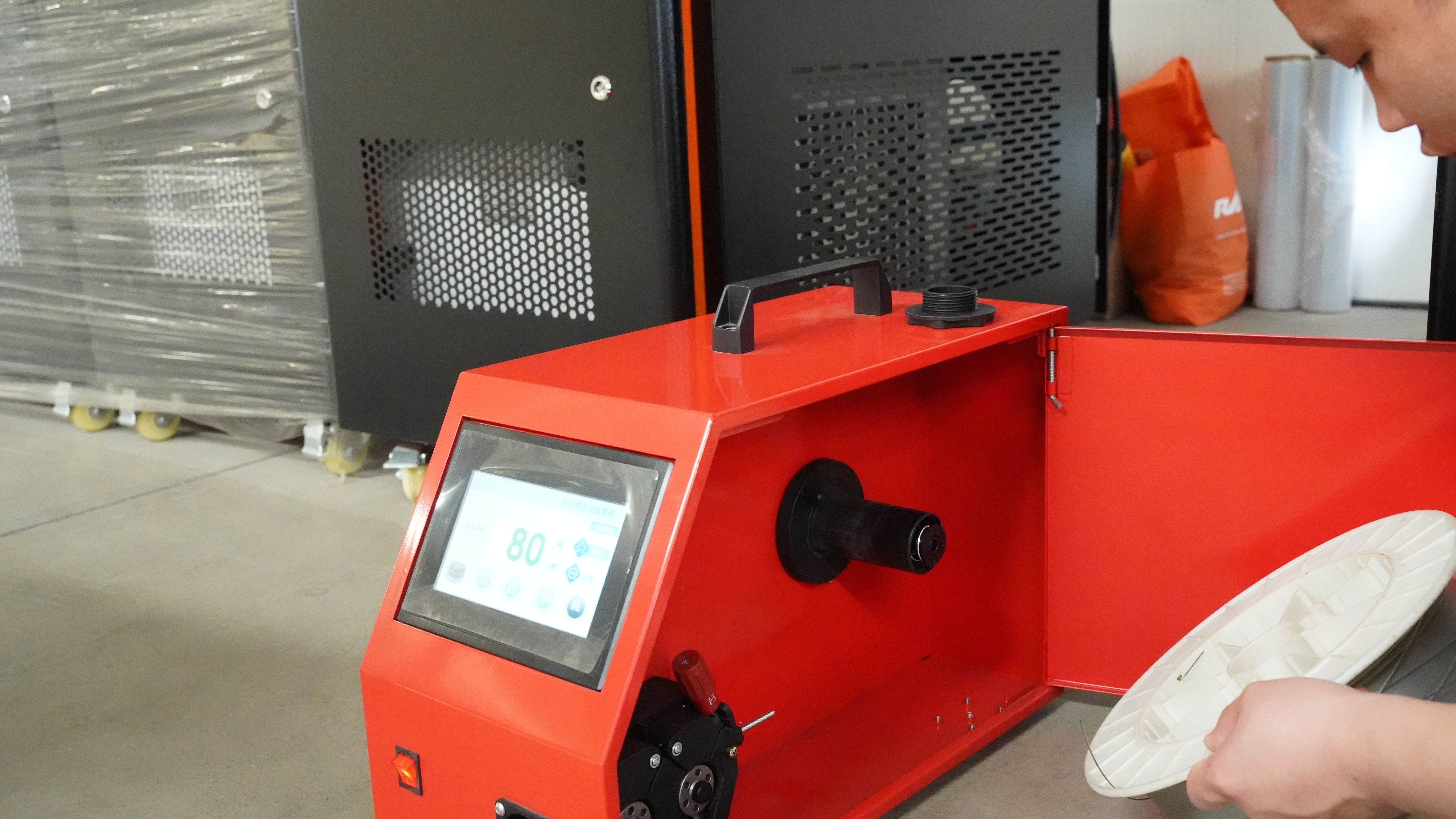
In the aerospace sector, this advantage is particularly valued as it maintains structural integrity without compromising component performance. Moreover, laser welding machines, such as fiber laser cutting machines, utilize advanced seam tracking to manage heat input, exemplifying their capability to support high-quality production standards.
High-Speed Production Capabilities
Laser welding machines have become pretty famous for their ability to crank out products at lightning speed, which really boosts manufacturing efficiency all over different industries. Take the automotive sector for instance, where these machines often boost production rates well beyond what traditional welding techniques can manage sometimes even double what they used to get. The faster production means factories can keep up with customer demands while still maintaining good product quality standards. When companies start incorporating laser welding tech into their automated assembly lines, things tend to move even quicker because the whole process becomes smoother and there's less waiting around between steps. Many plants report noticeable improvements once they make this switch from older methods.
The anticipated growth in the laser welding market, expected to reach USD 4,227.1 million by 2035, highlights the increasing adoption of these high-speed machines. As manufacturers in the automotive sector invest heavily in automated welding systems, they are better equipped to satisfy evolving consumer demands, enhancing overall market competitiveness.
Compatibility with Thin Materials and Dissimilar Metals
Laser welding works really well when connecting thin materials or different types of metal something that gives traditional welding techniques quite a headache. Because it can handle these tricky combinations, laser welders find their way into all sorts of industries from making tiny electronic components to building car parts. Recent studies show there's definitely an uptick in interest for laser welding technology, especially as manufacturers experiment with mixed material constructions. These new approaches let engineers create better performing products since they can join together materials that would otherwise be impossible to work with using conventional methods.
Take the automotive and aerospace industries for instance they really get value out of laser welding when joining steel to aluminum parts. The process avoids those common problems like brittleness or formation of weak intermetallic compounds that plague traditional methods. What makes laser welding so valuable is this wide range of applications across different materials. Manufacturers now rely heavily on these machines to tackle complex fabrication tasks where multiple metals need to be joined together seamlessly. For companies dealing with advanced material combinations, having access to reliable laser welding equipment has become almost essential in their production workflow.
Applications Driving Sustainable Industrial Transformation
Automotive Lightweight Component Fabrication
The automotive sector is seeing big changes thanks to laser welding technology, which lets manufacturers build lighter parts while keeping them strong enough for real world use. When auto makers apply laser welding during production, they end up with components that weigh less but still hold up well, something that helps them comply with tough emission standards these days. Take it from companies already doing this successfully; many have cut down on the weight of important parts like frames and sheet metal sections, making cars perform better overall. And let's face it, saving even just a few kilograms makes a real difference in how much gas vehicles burn and what kind of carbon footprint they leave behind. That's why so many in the industry see laser welding not just as an option but as part of their strategy for greener manufacturing practices worldwide.
Aerospace Structural Welding Solutions
For aerospace manufacturers, getting both precision and strength right matters a lot, which is why laser welding has become so popular for building structural parts. When lasers weld materials together, they create joints that are both strong and surprisingly light weight. This makes a real difference in how planes perform and stay safe during flights. Studies from the field show that these laser welded connections actually improve the whole structure's stability without adding extra bulk. Plane parts made this way can handle all sorts of stress from takeoffs to turbulence, yet still save fuel because they weigh less than traditional methods. That combination of durability and reduced mass isn't just nice to have it's absolutely essential in aviation where passenger safety and operational costs always come first.
Precision Electronics Manufacturing
Laser welding has become pretty much essential in making electronics these days, especially when manufacturers need to build tight little packages that still work reliably. What makes laser welding so good is how it limits heat damage to surrounding parts, which keeps those delicate electronic components intact during assembly. Take smartphones or medical devices for instance – they pack tons of tiny parts into limited space without sacrificing performance. The tech world just can't get enough of this process right now. Companies keep shrinking their products while expecting them to do more than ever before, and laser welding lets them hit both targets at once.
Innovations in Fiber Laser Welding Technology
Automated Robotic Welding Systems
When fiber laser tech gets combined with robotic systems, it really takes welding automation to new heights. The combination brings better efficiency and precision to the table while cutting down on both labor expenses and how long things take to produce. Robotic welding setups that run on fiber lasers tend to give pretty consistent quality work because they cut down on mistakes people might make and streamline the whole process. Looking at recent tech developments, we've seen the Internet of Things start playing a bigger role here too. With IoT connectivity, these systems can now talk to each other seamlessly and be controlled intelligently during welding tasks. What this means practically is operators get real time data insights, can predict when maintenance will be needed before breakdowns happen, and even manage operations remotely sometimes. This kind of smart connectivity represents a major step forward for industrial automation overall, especially evident in sectors like automotive manufacturing where laser welding has become essential for producing complex components efficiently.
Real-Time Weld Quality Monitoring
Sensor tech has come a long way lately, making it possible to check weld quality while the laser is actually working on the joint. When something goes off track during welding, these systems catch it right away so corrections happen before bad welds form, which cuts down on wasted material and all that costly rework. The system constantly feeds back information about how the welding is going, letting operators tweak things on the fly to stay within those tight quality specs. This kind of precision matters a lot for safety reasons too, particularly where failures could be catastrophic like aircraft components or car frames. Manufacturers across different sectors are starting to rely heavily on laser welding equipment because they just don't see defects anymore compared to older methods. We're seeing this tech take hold fast in places where there's no room for error at all.
Implementing Laser Welding for Circular Manufacturing
Reducing Carbon Footprint in Production Lines
Switching to laser welding on production lines cuts down carbon footprints quite a bit when compared with old school welding methods. Studies show these laser systems actually consume less power overall, meaning factories pump out fewer CO2 emissions during operations. That kind of makes sense for companies trying to meet those international green goals too. What's interesting is how this tech isn't just good for the planet either. Factories adopting lasers often find themselves positioned better in markets where customers care about environmental impact. Take automotive manufacturing for instance many plants have already made the switch because they want to stay competitive while still producing vehicles at scale without compromising quality standards. The bottom line remains the same though clean air doesn't cost extra money if done right from the start.
Lifecycle Analysis of Laser-Welded Components
Looking at the full life cycle of parts made with laser welding reveals significant drops in environmental harm when compared to traditional welding techniques. The reason? Laser welding makes materials easier to recycle and keeps products working longer before they need replacing. When we check out how things go from production all the way to disposal, items created through laser welding tend to be better for the environment and fit nicely into circular economy models. Recent studies from manufacturing sectors back up claims that these components last much longer than regular ones, which makes them ideal choices for green manufacturing practices. Adding fiber laser tech to the mix helps companies hit those sustainability targets too, since it cuts down on wasted resources at every step of making and using products.