
 EN
EN
Transformative Innovations in Laser Welding Technology
AI-Driven Automation in Modern Laser Welding Machines
Automation powered by artificial intelligence in laser welding equipment really takes welding operations to another level, cutting down on mistakes while making things run smoother overall. These systems come packed with smart algorithms that look at all sorts of data as it happens, tweaking settings on the fly so welds stay accurate and uniform throughout production runs. Looking at numbers from across different industries shows just how much better things get when AI gets involved. Take the auto manufacturing world for example where shops have seen their production lines speed up around 30% since adding AI capabilities. What makes this tech even more impressive is how machine learning keeps getting smarter over time. As these systems gather more information from every job they complete, they actually learn what works best and apply those lessons to make each subsequent operation faster and more reliable.
Enhanced Precision with Fiber Laser Cutting Integration
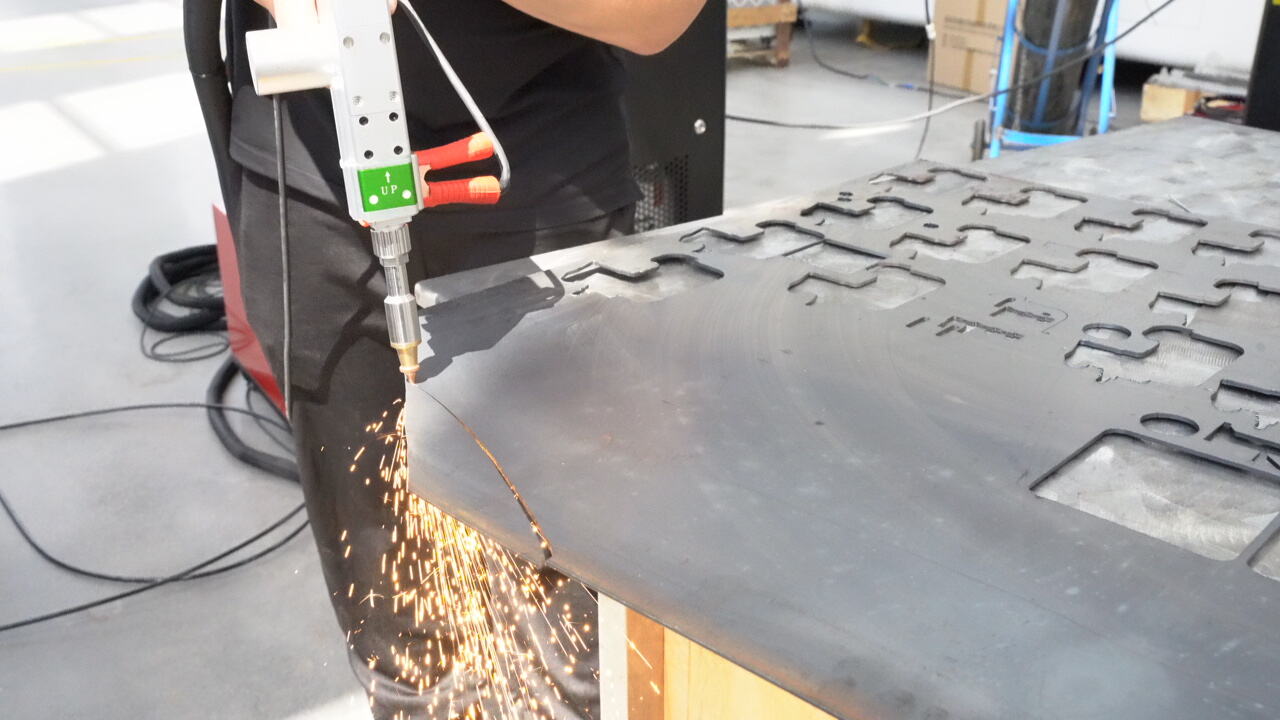
The integration of fiber laser cutting brings something special to the table when it comes to precision work, really outperforming many traditional cutting methods we've used for years. These modern fiber lasers cut with remarkable accuracy while creating much smaller heat affected areas compared to their older counterparts, which means parts come out with finer details and smoother edges all around. The automotive and aerospace sectors have particularly benefited from this advancement. Think about aircraft components or engine parts that need exact measurements down to fractions of a millimeter – these industries simply couldn't operate at current levels without such precise cutting capabilities. As fiber laser tech continues evolving, manufacturers are finding they can tackle designs that were once considered impossible just a few years ago. What used to take weeks of manual adjustments can now be done in hours with consistent results across production runs.
Handheld Laser Welding Machines: Portability Meets Power
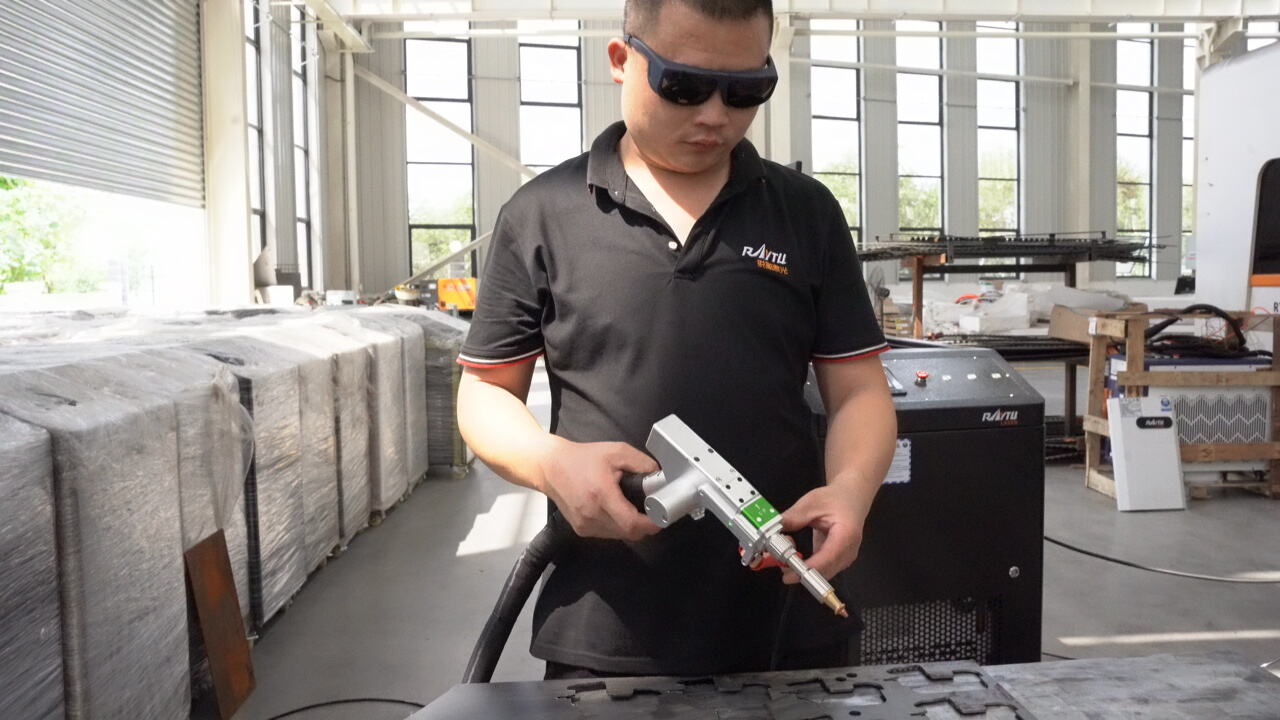
We're seeing a real surge in interest for those handheld laser welding units lately. They strike just the right balance between being easy to carry around and still packing enough punch for serious work on construction sites and maintenance jobs. These little machines come in handy when workers need to fix things right there on location instead of dragging everything back to a shop. Think about tight spaces in old buildings or hard to reach areas on ships where bigger equipment simply won't fit. Manufacturers have been making some pretty impressive upgrades too. Newer models can handle thicker materials than before while staying light enough not to fatigue operators during long days. Shipbuilders especially love these portable options because they cut down downtime significantly compared to traditional methods. Construction crews also appreciate how quickly they can move from one job site to another without waiting for heavy machinery to be transported.
Applications Shaping the Future of Metal Fabrication
Electric Vehicle Manufacturing Demands
Welding presents some real headaches for the electric vehicle industry, especially when it comes to connecting those delicate battery parts with all those lightweight materials. Laser welding tech has become pretty much essential because it creates strong welds without making things heavier than they need to be, something that matters a lot for how far EVs can go on a single charge. Most major EV makers have jumped on board with laser welding lately since it helps cut down on overall vehicle weight while keeping batteries safe from damage during manufacturing. The welds themselves are both flexible enough to handle different shapes but still super strong, which makes a big difference in how well the whole car holds together over time. As more people around the world want greener transportation options, this kind of welding tech is becoming increasingly important for building vehicles that last longer and perform better.
Sustainable Infrastructure Projects Driving Adoption
Laser welding tech is becoming really important for making infrastructure projects more sustainable because it saves energy and cuts down on wasted materials. Research shows these laser processes actually produce far less scrap than older welding techniques, something that fits right into what the world is trying to achieve with sustainability targets. Governments around the globe have started rolling out various programs aimed at getting construction firms to adopt these newer welding approaches for their green building projects. Take renewable energy installations for example solar farms and wind turbine arrays rely heavily on laser welding thanks to how precise it is and because it causes much less heat damage to surrounding materials. This matters a lot when building things that need to last decades while generating clean power without constant maintenance issues down the road.
Aerospace and High-Performance Component Production
Laser welding plays a big role in making aerospace components that need to be light yet strong enough to handle extreme conditions while keeping planes safe. What sets laser welding apart is its incredible precision, which lets engineers create intricate parts that would otherwise be impossible to make. Many modern aircraft designs now incorporate this technology because it really does make a difference in how well planes perform under stress. Take turbine blades for instance they're manufactured using laser welding techniques since regular methods just don't cut it when it comes to creating those seamless joins without weakening the metal. The result? Components that maintain their integrity even after thousands of flight hours. For the aviation industry where every gram matters and safety cannot be compromised, these kinds of advancements keep pushing boundaries in what's possible with materials science today.
Industry 4.0 Integration with Laser Systems
IoT-Enabled Predictive Maintenance Strategies
Adding IoT devices to laser welding systems is changing how maintenance gets done through what's called predictive maintenance. The sensors keep an eye on welding equipment all the time, sending live updates that spot problems before they actually happen. This kind of forward thinking makes machines last longer and cuts down on those annoying unplanned shutdowns, which saves money in the long run. Real world examples show factories implementing these smart maintenance approaches see fewer surprise breakdowns during production runs. That means better scheduling and lower repair bills month after month. Manufacturers who adopt this tech tend to run smoother day to day while staying ahead of competitors in the laser welding market place.
Smart Factories and Robotic Process Automation
Factories that run on automation and constant data sharing are starting to bring in robotic process automation (RPA) for welding jobs, mainly because it makes things faster and more reliable. When it comes to laser welding specifically, these RPA systems take care of complicated welding work, delivering pretty much perfect results every single time. This matters a lot since it cuts down on mistakes people might make and reduces wasted materials. Take ESAB for instance they rolled out robotic welding tech across several plants last year and saw production speeds jump by almost 30% while defect rates dropped significantly. As companies push harder for smarter factory setups where everything runs smoother and cheaper, automated laser welding keeps showing up as one of those must-have technologies that just makes sense for today's manufacturing landscape.
Data-Driven Quality Control in Welding Operations
The use of data analytics is changing how quality control works for laser welding shops across the manufacturing sector. When companies gather information from their welding processes and analyze it properly, they spot problems early on, tweak settings for better results, and fix issues while production is still running. Some studies show that when manufacturers adopt these data-based methods, product quality actually goes up around 30 percent because there's constant feedback helping to catch problems before they reach customers. According to people working in the field, this approach does more than just make products more reliable it cuts down on wasted materials and time spent fixing defects. For many laser welding operations, getting smarter about using data has become essential for staying competitive and maintaining high standards without breaking the bank.
Overcoming Challenges in Advanced Welding Adoption
Balancing Energy Efficiency with High-Power Demands
Balancing high output power with energy efficiency remains a major headache for the welding sector, especially when it comes to laser welding equipment. Getting better at saving energy usually means sacrificing some output power, which hits manufacturers hard on their bottom line and creates problems for green initiatives too. Research shows that shops relying heavily on laser cutting and welding face particular difficulties here. New tech is coming out all the time though, like those energy efficient laser sources we've been hearing about lately. While these innovations promise better power management without hurting performance, many companies still struggle with implementation costs and compatibility issues. Finding that sweet spot between productivity and conservation continues to challenge manufacturers across the board.
Addressing Safety Concerns in Automated Systems
Laser welding systems automate production processes efficiently but come with their own set of safety challenges that require strict regulations. High power lasers pose serious risks during operation, which is why facilities must follow safety guidelines similar to ANSI Z136.1 standards across North America to protect workers properly. Many manufacturers now install sophisticated safety features including emergency stop interlocks and restricted access zones around equipment to reduce accidents. One major car company recently reported cutting workplace injuries by over 40% after upgrading their laser safety protocols last year. These improvements highlight how critical proper safety planning becomes when working with automated welding technology on factory floors.
Cost-Effective Scaling for Small-Scale Fabricators
Getting into advanced welding tech is tough on the wallet for small fabrication shops, but they really need to keep up if they want to stay relevant in the market. The numbers don't lie when it comes to investing in stuff like handheld laser welders. Upfront costs are steep, plus there's all that regular maintenance money too. Some shops find ways around this by renting gear instead of buying outright or hunting down those government grant programs that exist for exactly this kind of situation. And let's face it, most industry reports back up what makes sense practically speaking: switching to laser welding pays off big time because work gets done faster and less scrap ends up wasted. With smart budgeting and knowing where to cut corners without sacrificing quality, even modest sized fabrication businesses can grow their capacity without breaking the bank while still keeping pace with all the latest tech developments happening across the industry.
Global Market Trends and Future Projections
Asia-Pacific's Dominance in Manufacturing Growth
Asia Pacific remains at the forefront when it comes to adopting laser welding tech, mainly because of how fast things have industrialized there recently. Take China for instance, where whole cities seem to be transforming into manufacturing hubs overnight. India and various countries across Southeast Asia aren't far behind either. These nations see massive growth in sectors like car manufacturing, electronic device production, and even ship construction. Market analysts predict that APAC will keep growing faster than anywhere else worldwide, which means manufacturers need more laser welding machines than ever before. Companies throughout the region are pouring money into buying newer, better equipment just to keep up with production demands while staying ahead of competitors back home and abroad.
Green Energy Infrastructure Investment Opportunities
The money flowing into green energy projects is opening up big doors for companies in the advanced welding sector. With nations setting ambitious targets for reaching carbon neutrality, governments are pouring cash into building out clean energy infrastructure that needs special welding methods. Take a look at recent financial data and there's clearly been an uptick in investment going toward things like wind farms and solar installations, places where laser welding equipment becomes absolutely essential. What this means is that manufacturers suddenly have access to entirely new customer bases looking for welding solutions specifically designed for these types of green energy projects. The market shift presents real growth potential as traditional industries adapt to meet environmental regulations while still maintaining quality standards.
Emerging Materials Requiring Specialized Welding Solutions
With all sorts of new materials coming onto the market, there's been a growing need for special laser welding solutions. Take titanium or aluminum-lithium alloys for instance they pose real headaches for welders because of how they behave under heat. Thermal management becomes a major issue when working with these stuff, plus getting the right level of precision is absolutely critical. That's why laser tech keeps gaining ground in this space. What makes these materials so attractive despite the challenges? Well, they offer amazing strength without adding much weight, and they resist corrosion better than most alternatives. These characteristics are exactly what makes laser welding so valuable today across various manufacturing sectors facing increasingly demanding specifications.