
 EN
EN
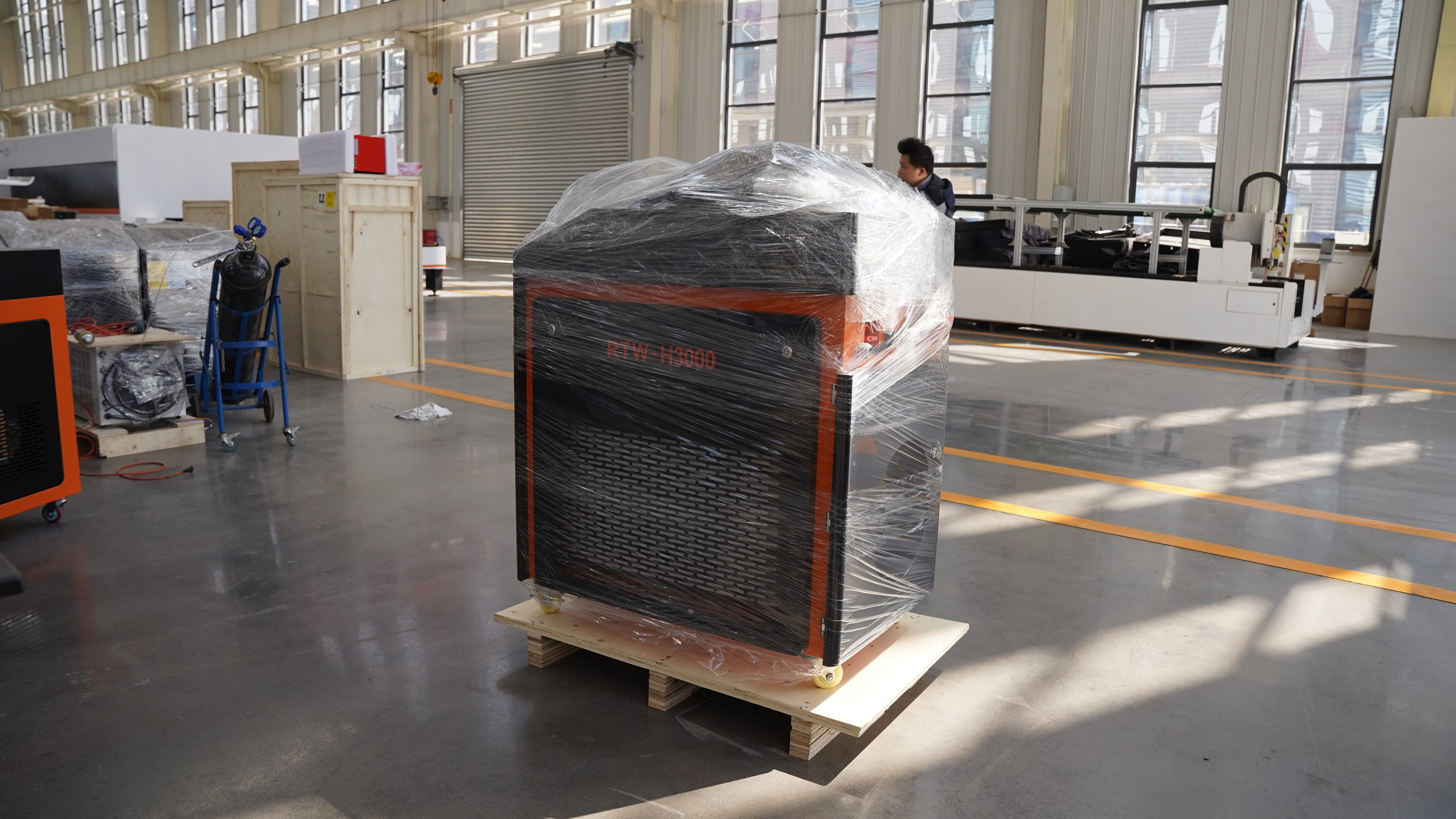
Core Advantages of Laser Cleaning Machines in Industry
Precision Cleaning Without Substrate Damage
Laser cleaning machines work really well for precise cleaning tasks since they use concentrated light beams to get rid of dirt and grime without harming what's underneath. The tech keeps sensitive stuff intact, think composites and those tricky metals that break easily, getting things clean down to around 99.9% purity. Compared to old school methods like sandblasting or media blasting that actually wear away surfaces, lasers don't leave behind scratches or pits, particularly on softer materials or thin layers. Another plus point is automation plays a big role here, so there's less need for hands-on work which means fewer accidents happen while cleaning parts. That level of accuracy explains why places like airplane manufacturers and car factories rely on this method when preserving the base material matters most for their products.
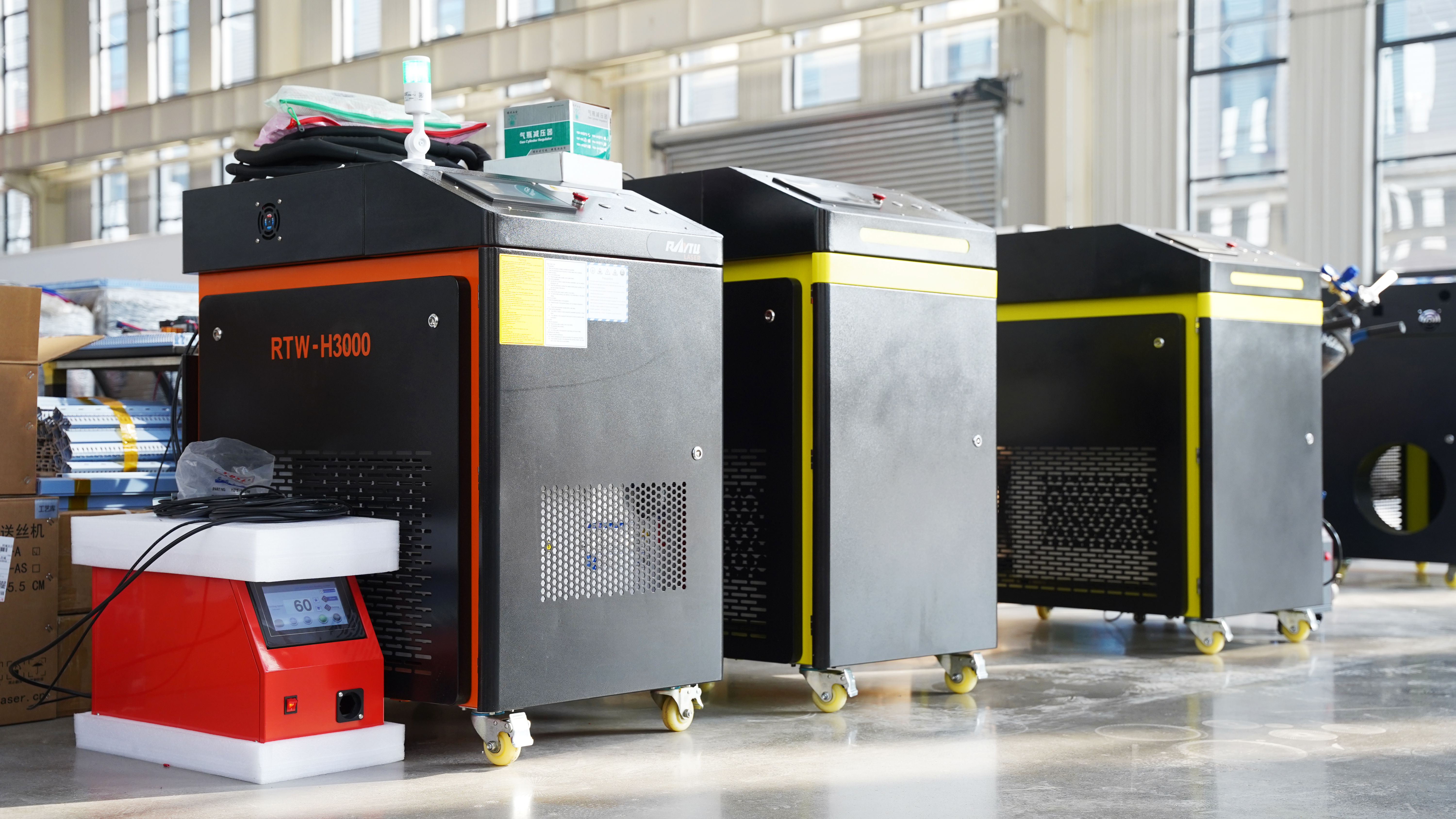
Eco-Friendly Operation & Waste Reduction
Laser cleaning equipment presents itself as a greener option when compared to old school techniques. Instead of relying on chemicals that create disposal headaches, these machines actually turn dirt and grime into harmless gases. The EPA did some research showing that laser tech cuts down on dangerous waste production by over half compared to what we've been doing traditionally. Plus, they don't guzzle power like other cleaning solutions do, which definitely adds to their eco credentials. As businesses everywhere become more concerned about their environmental impact, many are turning to laser cleaning not just because it's better for the planet, but also because it helps them tick boxes on those sustainability reports that investors love to see nowadays.
Cost Efficiency Through Reduced Maintenance
Laser cleaning machines tend to save money over time because they don't need as much maintenance as other equipment does. Traditional cleaning approaches often have lots of mechanical components that wear out and break down, while laser systems generally hold up better and require service far less often. Some real world data shows businesses switching to laser technology saw around 30 percent less spending on regular maintenance work. Beyond just saving on repairs, these machines also cut down on labor expenses since there's less hands-on work required. Plus, factories spend fewer hours stopped cold waiting for maintenance crews to fix problems with older equipment. For manufacturers thinking about their bottom line, this combination of lower repair bills, smaller workforce needs, and minimal production interruptions makes laser cleaners an attractive investment option when looking at long term operational costs.
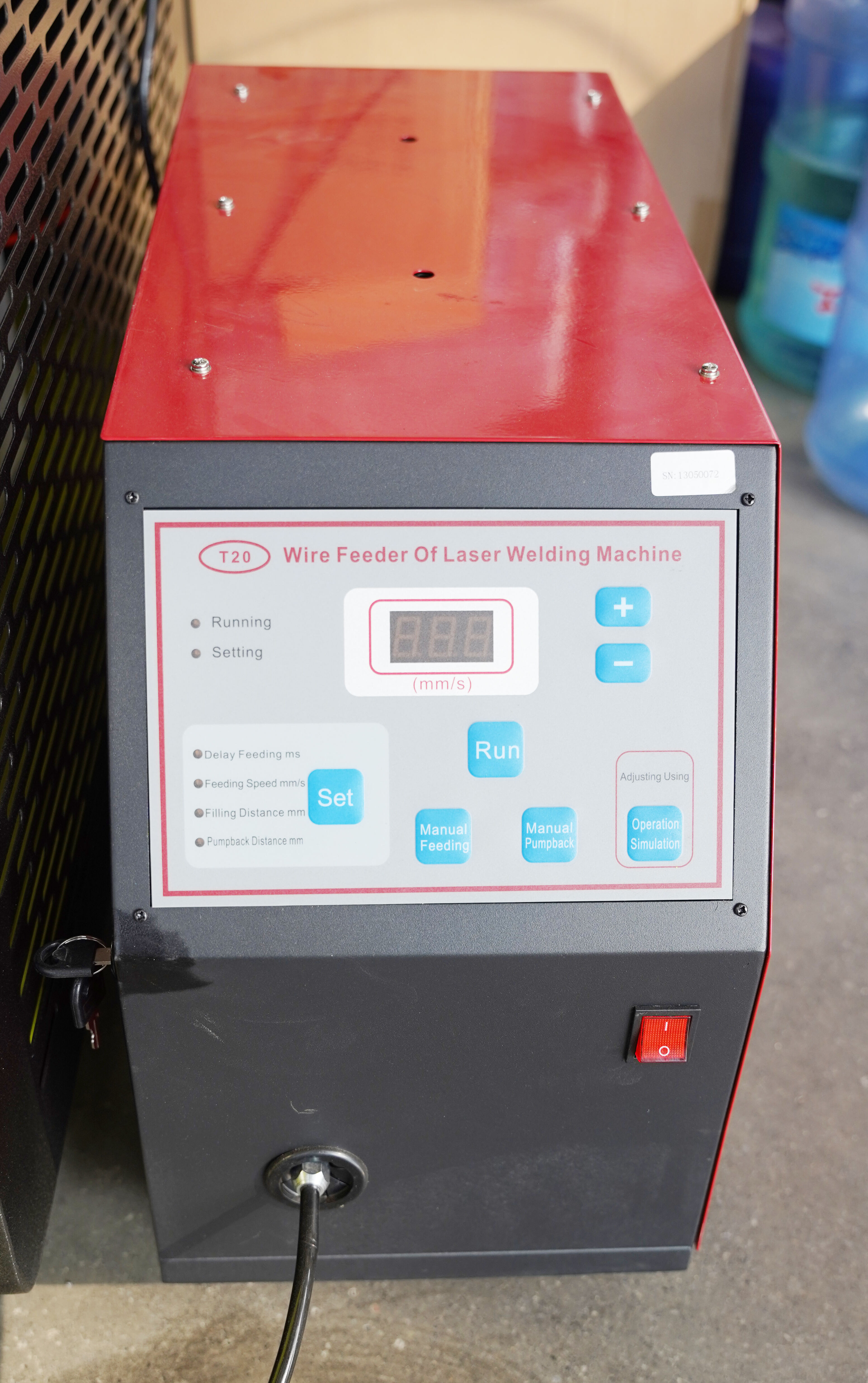
Enhanced Safety in Hazardous Environments
Laser cleaning makes things much safer for workers dealing with dangerous environments since it cuts down on contact with those nasty chemicals people usually have to handle during industrial cleaning processes. Most laser systems can run from a distance or work pretty much on their own, so there's no need for humans to go into tight spots or places where explosions might happen. According to recent data from several manufacturing plants, companies that switched to laser cleaning saw a drop in workplace accidents and actually did better at following all those OSHA rules they're supposed to follow. The technology really does create better working conditions overall, which explains why so many factories and chemical processing facilities are jumping on board with this approach when safety is a top concern for them.
Industrial Applications Revolutionized by Laser Technology
Rust and Oxide Removal for Metal Surfaces
Laser cleaning tech offers a really effective way to get rid of rust and oxide layers on metal surfaces, which makes those metal parts much easier to reuse. Some studies show these laser systems can blast away about 200 micrometers of rust in just a few seconds flat, something that would take forever with old school mechanical methods. Marine engineering and car manufacturing companies have found this particularly useful for getting metal surfaces ready before painting or coating processes. What's interesting is how these lasers actually do double duty they clean better than traditional approaches while also speeding things up across production lines. That combination of improved surface quality plus faster turnaround times explains why so many factories now rely on laser cleaning when both accuracy and time matter most.
Paint Stripping in Automotive Manufacturing
Laser cleaning has become a game changer for automotive manufacturing when it comes to removing old paint coatings. Unlike traditional methods that often scratch or damage metal surfaces beneath, lasers strip away layers cleanly while preserving the integrity of the material underneath. This means production lines run faster since there's no waiting around for chemical solvents to work or manual sanding to complete. Major car manufacturers have started adopting this technology because they're seeing real improvements in how new paint adheres to surfaces, plus fewer contaminants getting into the final product. The speed boost from laser systems lets factories crank out vehicles at higher rates without cutting corners on quality standards. Automotive firms investing in these systems aren't just saving time though they also notice that finished cars last longer in the market thanks to those superior surface preparations.
Surface Preparation for Adhesive Bonding
Getting surfaces ready properly matters a lot when it comes to making sure adhesives stick well, and laser cleaning tech has really taken off as one of the best ways to get that clean, precise finish needed. When materials undergo laser treatment, their surface energy actually goes up, which means better sticking power. Some research out there shows that bonds can be around 40% stronger after treatment, though results do vary depending on material type and application conditions. We're seeing this tech become pretty common now in places like aircraft manufacturing and building construction, because nobody wants weak bonds holding together parts that need to stay intact under stress. The fact remains that cleaner surfaces just work better with adhesives, and laser cleaning cuts down on all the hassle and time wasted with traditional prep methods across many different manufacturing areas.
Fiber Laser Cutting Machines: Powering Precision
Role of Fiber Lasers in Metal Processing
Fiber laser cutting machines play a huge role in metal processing thanks to their amazing accuracy and speed. Most models can maintain tolerances around plus or minus 0.1 mm, which means they slice right through thick metals without much trouble something regular equipment just cant do. These machines have really changed the game for metal fabrication shops across various industries. Take aerospace manufacturing for instance where even small improvements matter a lot. According to recent studies and what manufacturers report, better cutting precision has boosted both production rates and final product quality in places like auto factories and aircraft assembly lines. The difference in processing times alone has been pretty dramatic for many companies adopting this technology.
Integration with Automated Production Lines
Fiber laser cutting machines fit right into automated production lines, which makes workflows run smoother and cuts down on labor expenses at the same time. When these machines are integrated properly, they allow for non-stop operation that boosts overall output while slashing how long each production cycle takes. Many manufacturers who switch to these automated systems start seeing real gains pretty quickly too. Some report getting their money back within just twelve months from all those saved dollars on wages and production overhead. The truth is, fiber lasers have become essential equipment in today's factories, showing clearly where the industry is heading with more automation everywhere. Companies that automate their cutting operations tend to respond better when markets change suddenly, keep product quality consistent across batches, and generally get more bang for their buck when it comes to materials and other resources.
Laser Cleaning vs. Traditional Industrial Methods
Eliminating Chemical Waste vs. Solvent-Based Cleaning
Laser cleaning stands out because it gets rid of chemical waste completely, something traditional solvent methods can't do since they create lots of dangerous waste products. Research has consistently shown that switching to lasers means factories use far fewer harsh chemicals, making production much cleaner overall. Organizations such as OSHA actually push for these kinds of tech solutions when it comes to cutting down worker exposure to toxic substances and managing industrial waste. For manufacturers, this isn't just about following strict environmental rules either. Many companies report real improvements in their green credentials after adopting laser systems, plus there's often cost savings from avoiding expensive disposal fees associated with chemical waste.
Reduced Downtime Compared to Abrasive Blasting
Compared to old school abrasive blasting techniques, laser cleaning usually means far less time sitting idle waiting for things to dry or settle down after work is done. Some studies indicate that switching to lasers can boost how fast operations run by around 40 percent, so production gets back on track way faster than when using sand or grit based methods. Factories that made the switch tell similar stories about their productivity jumping up because equipment just needs a quick blast from the laser before it's good to go again, no hours spent scrubbing away residue. Less downtime equals more stuff coming off the line, giving manufacturers an actual advantage over competitors who still rely on slower methods. Production runs become smoother too, with fewer unexpected stoppages disrupting workflow throughout the day.