
 EN
EN
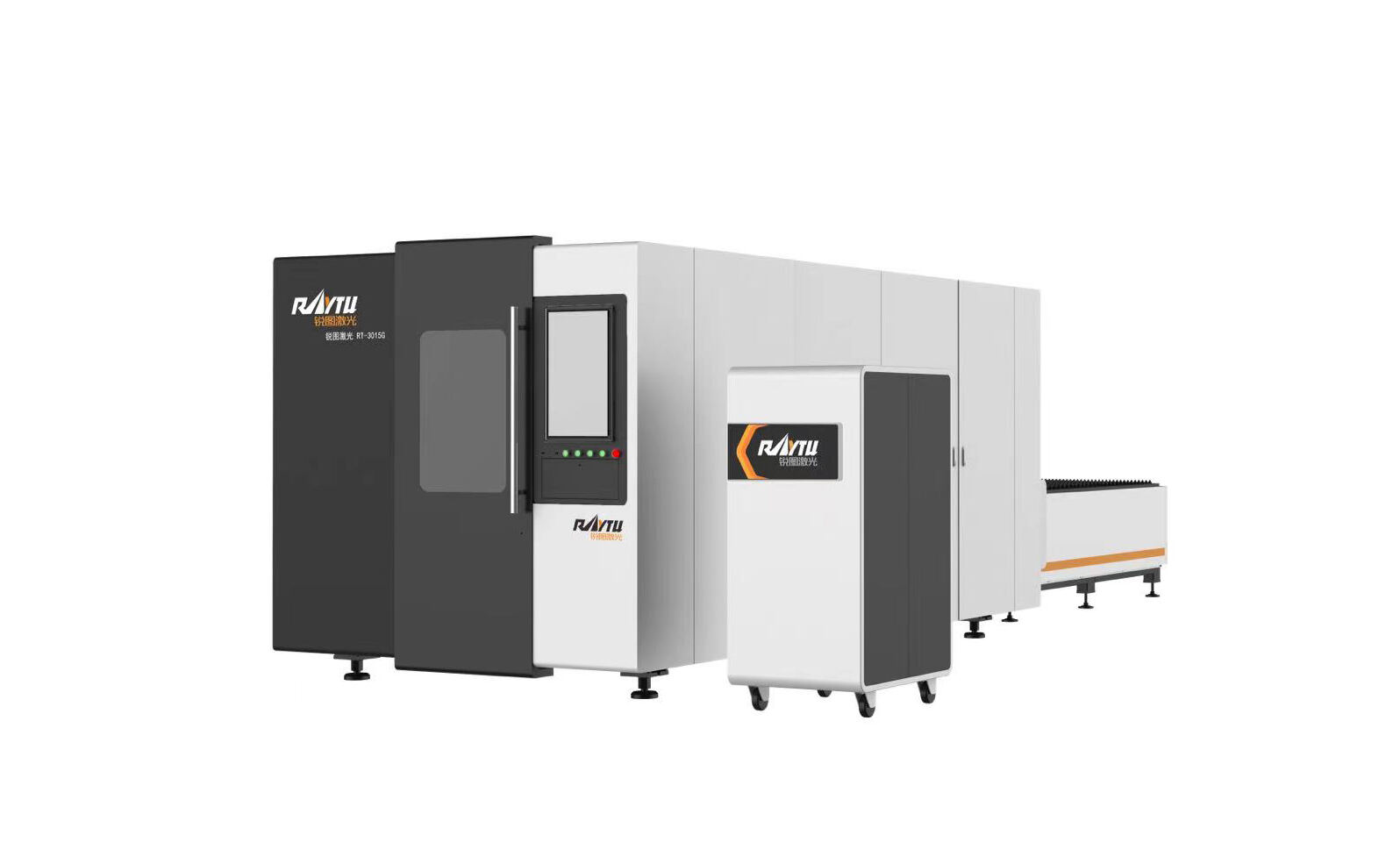
The Role of Fiber Laser Cutting Machines in Modern Manufacturing
Fiber laser cutting machines are changing how factories operate these days because they boost efficiency, cut down on machine downtime, and speed up the actual cutting process. For manufacturers across sectors like airplane parts making and car assembly lines, this matters a lot as production needs keep climbing. When companies switch to fiber lasers, they see real improvements in how fast things get done while spending less money overall. The difference between old school cutting techniques and what's possible now with fiber tech is pretty dramatic, which explains why so many shops are making the switch despite the initial investment cost.
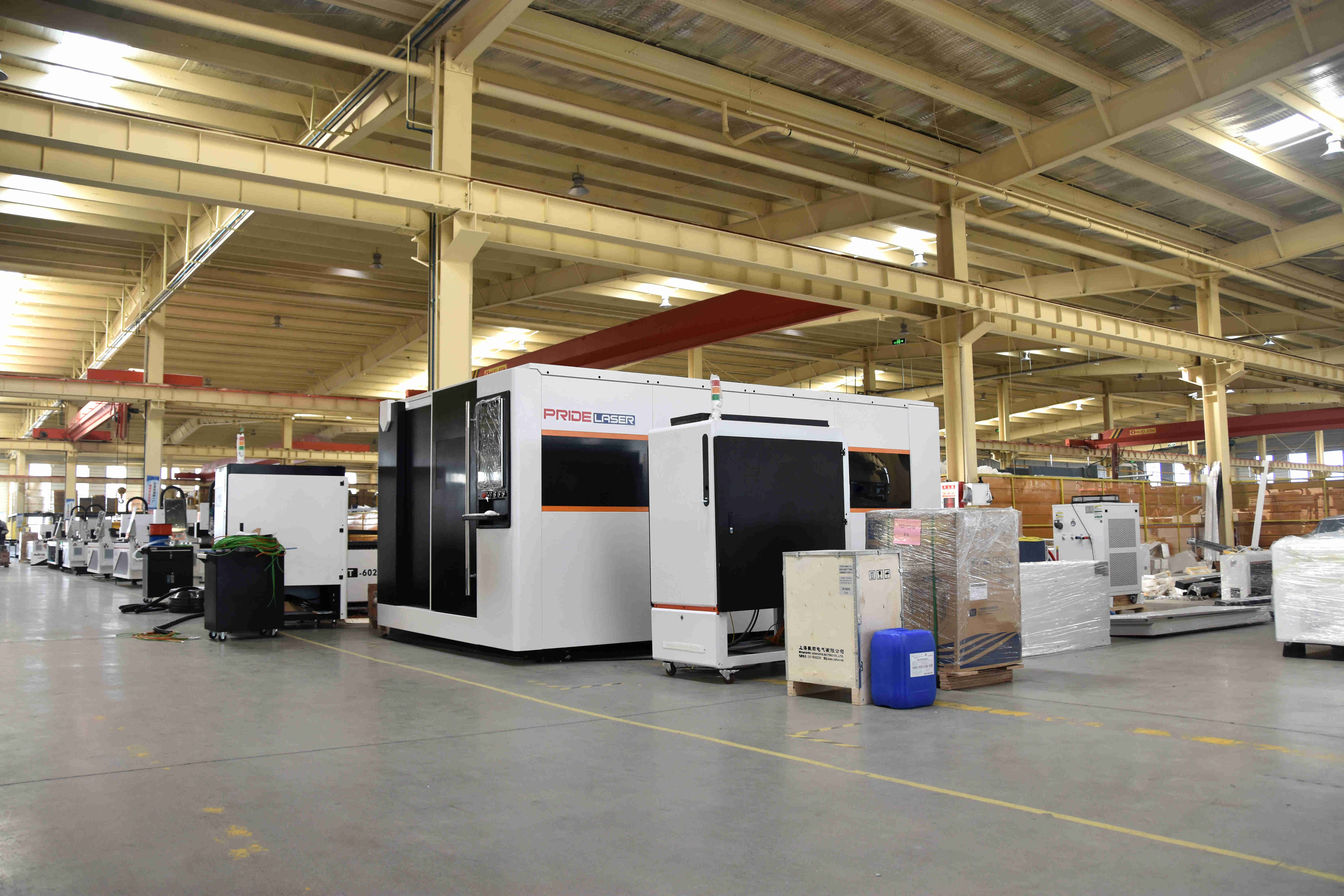
Traditional cutting approaches require actual physical contact with materials, while fiber laser tech offers something different entirely – it cuts without touching anything. Because there's no direct contact involved, the tools experience far less wear over time. That translates into real money saved on repairs and replacements, plus machines last much longer before needing replacement. What makes fiber lasers so appealing goes beyond just avoiding tool damage too. Their contact-free operation allows for incredibly precise cuts, something manufacturers really value. Plus, when machines aren't constantly breaking down for maintenance, production schedules stay on track without those frustrating interruptions that cost both time and money.
According to various industry studies, businesses that bring fiber laser cutting machines into their workflow typically see around a 30% boost in productivity when compared to older cutting methods. We're seeing this most clearly in sectors like automotive parts manufacturing and aerospace components production, where getting things right matters a lot. Fiber lasers can cut through different materials with much less material loss than traditional approaches. This versatility combined with reduced waste explains why so many manufacturers now consider these machines essential for keeping up with modern demands in factory settings across multiple industries.
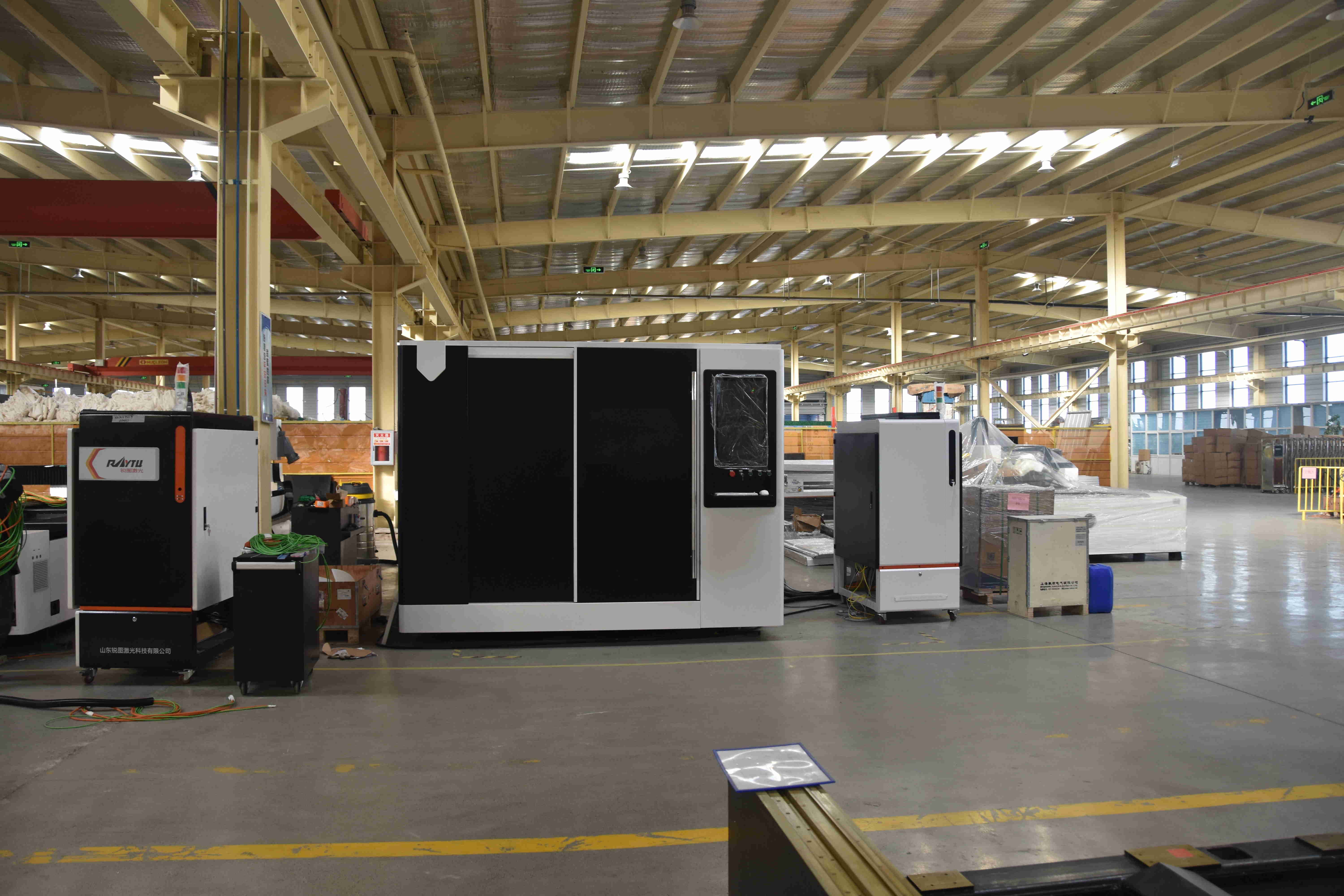
Fiber laser tech has become really important for manufacturers these days because it works better and lasts longer than older methods. When looking at how manufacturing has changed over time, fiber lasers just keep getting better at what they do best precision cutting and material processing. Many top factories around the world now rely on this technology as their go-to solution for tasks that require both speed and accuracy. Some companies report up to 30% faster production times after switching to fiber lasers, which explains why so many businesses are making the switch despite higher upfront costs.
Key Features of Fiber Laser Cutting Machines
Precision and Speed in Metal Fabrication
Fiber laser cutting machines stand out because they offer incredible precision and speed when working with metals. The technology allows these machines to make really detailed cuts with amazing accuracy, something that old fashioned methods just cant keep up with. Take kerf width for example. Fiber lasers can get down to about 0.1 mm, which means cleaner edges on parts without needing much post processing work. Better precision translates directly to higher quality cuts across the board. Big manufacturing operations have noticed something else too. They see less wasted material since the cuts are so accurate. That saves money obviously, but it also helps conserve resources in the long run for anyone involved in metal fabrication.
Versatility in Handling Different Materials
Fiber laser cutting machines aren't just limited to regular metal work anymore. They actually cut through all sorts of stuff these days including steel, aluminum, brass, but also plenty of non-metals like various plastics and even some composite materials. This really opens up new possibilities for manufacturers across many different fields. Take the automotive industry for instance, where cars now incorporate everything from traditional metals to lightweight polymers in one vehicle design. Being able to switch between materials without changing equipment saves companies money because they don't have to buy separate machines for each type of material. Plus, when shops can work with multiple substances, it means they can take on a wider variety of jobs that might otherwise require sending work elsewhere. That kind of flexibility keeps fiber lasers at the heart of most contemporary manufacturing operations.
Factors to Consider When Choosing a Fiber Laser Cutting Machine
Table size and material compatibility
Getting the table size right matters a lot because it determines what size materials can actually be cut, especially when running things at scale in production settings. Make sure the table accommodates the biggest pieces planned for processing so there's no constant stopping and moving stuff around during operation. When dealing with thicker metals specifically, certain compatibility requirements come into play that just cant be ignored. Taking all these considerations into account allows better optimization of how well the fiber laser cutting machine performs overall, which makes a real difference when trying to handle different types of jobs day after day.
Resonator power and cutting speed
The power level of the resonator really affects how fast and efficiently a fiber laser cutting machine works. Machines with higher power resonators tend to cut through thick materials much quicker, something manufacturing plants need when they're under pressure to keep production moving. Looking at what's needed right now plus where operations might head in the next few years helps companies pick the right power rating for their equipment. This kind of planning keeps machines performing well over time while supporting business expansion goals. Getting this relationship between power levels and material thickness straight makes all the difference when matching machine specs to actual shop floor demands.
Automation options for enhanced productivity
Adding automation features really ramps up productivity since it cuts down on how much manual work is needed. Take automatic loading and unloading systems for instance these things can completely transform daily operations and get more done in less time. Most new fiber laser cutting equipment comes packed with stuff like internet of things (IoT) connections and artificial intelligence capabilities that just work right out of the box with existing manufacturing setups. What happens then is pretty interesting factories start looking more like connected ecosystems where different machines talk to each other constantly. This creates smoother production flows across the whole facility, making everything run better day after day without those annoying stoppages we all hate so much.
Applications of Fiber Laser Cutting Machines Across Industries
Automotive and Aerospace Manufacturing
For automotive and aerospace manufacturing, getting things just right matters a lot. Fiber laser cutting tech takes part fabrication to another level when making components for cars and planes. These cutting systems handle intricate shapes that would be tough or impossible with traditional methods. That kind of detail work makes all the difference in creating parts that perform better and meet strict safety requirements. When it comes to airplanes specifically, manufacturers rely on light yet strong materials to save weight and cut down on fuel burn. Being able to slice through metals like titanium and aluminum with precision is why so many shops in these fields have adopted fiber lasers. The technology simply delivers results that older cutting methods can't match, especially when working with exotic alloys commonly found in aviation.
Electronics and Medical Device Production
Fiber lasers play a big role in making electronics because they can etch really detailed patterns onto circuit boards and other parts. When it comes to shrinking electronic gadgets, the precise cuts from these lasers let manufacturers build all those tiny features that modern tech needs. For medical devices too, clean cuts matter a lot. The fiber laser process stays free from contaminants, which is why hospitals trust them for things like heart pacemakers or surgical instruments where even the smallest flaw could be dangerous. Companies using these laser cutting systems find they hit quality targets time after time across both electronics production lines and critical medical applications.
Future Trends in Fiber Laser Cutting Technology
Integration of AI and IoT for Smarter Operations
Bringing together artificial intelligence (AI) and the Internet of Things (IoT) with fiber laser cutting tech is changing how manufacturing works today. These systems now predict when parts might fail before they actually break down, which cuts down on expensive machine stoppages and keeps production lines running smoothly. Take automotive factories for instance where even small interruptions cost thousands. Meanwhile, IoT creates this network effect across entire plants, letting different machines talk to each other and streamline processes that used to require manual coordination. When manufacturers combine AI's smart predictions with IoT's connectivity, their laser cutting operations become something entirely new. Factories aren't just faster but also more responsive to market demands, giving companies that adopt these technologies first a real advantage over competitors still stuck in old ways of doing business.
Advancements in Power and Precision
The fiber laser cutting tech we see today is set for major improvements in both power levels and accuracy, which means manufacturers can now handle much thinner materials while getting those intricate details right every time. New developments coming down the pipeline promise even higher output power, something that makes sense given how manufacturers across different fields want faster production speeds without sacrificing quality. If businesses want to keep up with competition, they need to put money into R&D efforts aimed at creating better solutions that actually solve real problems faced by customers daily. What's interesting is how these upgrades do more than just make existing machines better – they open doors to completely new applications too. Take the automotive sector for instance, where precise cuts matter a lot, or aerospace engineering where tolerances have to be spot on. The potential here really extends beyond what most people currently imagine about laser cutting capabilities.
Bringing together smart tech such as artificial intelligence and internet of things devices along with better power management and higher precision levels is making fiber laser cutting a major force in manufacturing going forward. The ongoing technological improvements mean factories everywhere can expect real gains in how fast they work, how connected their equipment stays, and just how accurate those cuts need to be. Auto plants already see dramatic time savings while aerospace manufacturers get parts with tighter tolerances than ever before. These advances aren't just theoretical either many shops report lower waste rates and higher customer satisfaction after switching to fiber lasers.