
 EN
EN
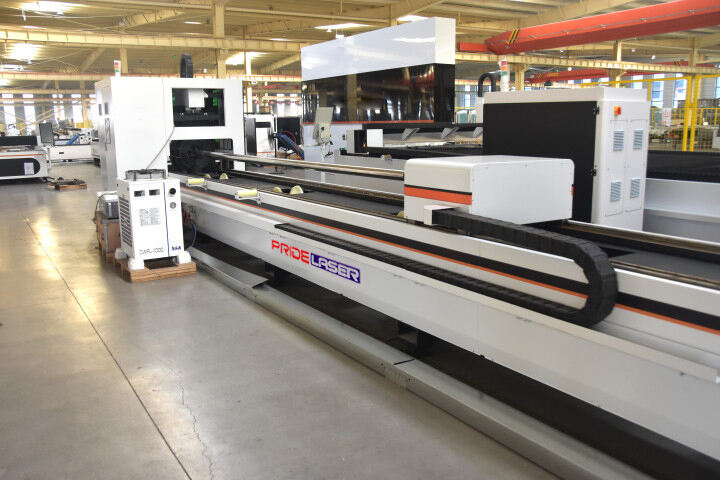
How Tube Laser Cutting Machines Handle Variable Diameters
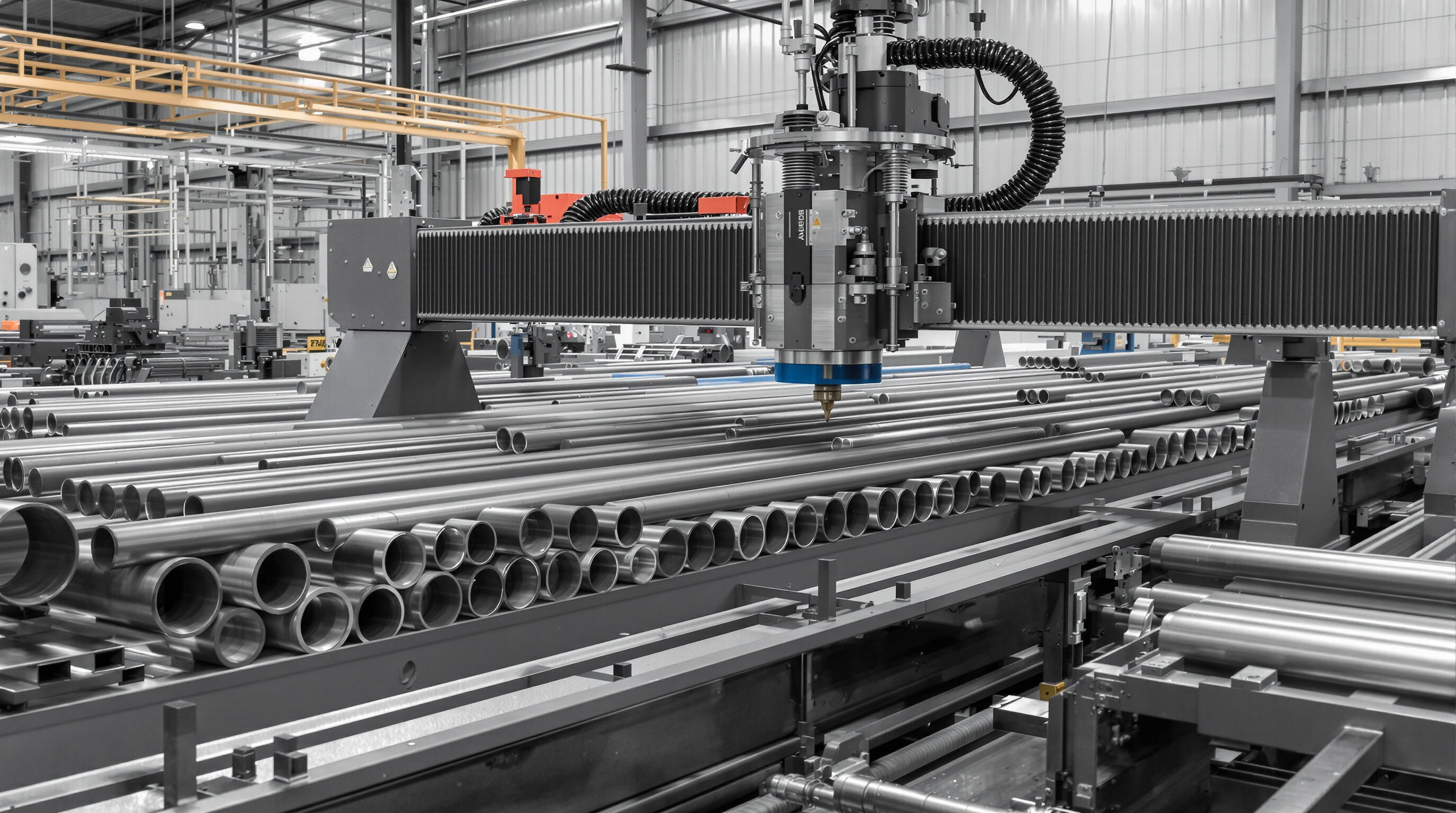
Modern tube laser cutting machines achieve diameter adaptability through integrated mechanical and digital systems. Their ability to process tubes ranging from 10 mm to 300 mm in diameter (typical industrial range) makes them indispensable for manufacturers requiring high-mix production capabilities.
The Role of CNC Control in Diameter Adaptability
CNC systems automatically adjust cutting parameters as tube diameters change, maintaining optimal laser focus position and gas pressure. Operators can program diameter-specific cutting profiles, reducing setup time by up to 65% compared to manual adjustments. Real-time diameter detection via rotary encoders ensures consistent cut quality across size variations.
Core Mechanisms: Rotary Axes and Laser Head Synchronization
Twin rotary axes work in tandem with the laser head's Z-axis movement to maintain perpendicular alignment during cutting. This synchronization prevents angular distortion when transitioning between diameters—critical for tapered automotive components. Advanced machines offer ±0.1° rotational accuracy, ensuring precision regardless of diameter changes.
Real-World Application: Automotive Exhaust Systems with Mixed Sizes
A leading European manufacturer reduced changeover time by 78% when cutting exhaust pipes ranging from 50mm to 150mm in diameter. By implementing automatic jaw adjustment and diameter-aware cutting paths, the system achieved 0.05mm tolerance consistency across all sizes while maintaining 6,000W laser efficiency.
Tube Shape and Size Compatibility in Laser Cutting Systems
Processing Round, Square, and Rectangular Tubes Effectively
Today's tube laser cutters tackle common shapes thanks to their smart clamping systems and calibrated lasers. When working with round tubes, getting the rotation just right is critical to avoid those annoying oval distortions. Square and rectangle profiles present different challenges altogether, needing special chucks that keep everything stable during cuts. The top models on the market can hit accuracies around +- 0.1mm across various shapes, mostly because they use motorized jaws paired with sensors that constantly monitor progress. Take one particular industrial model as an example it handles rectangular tubes measuring up to 250 by 150 mm by changing how the laser beam focuses automatically when moving from flat sides to curved corners. This kind of adaptability makes a big difference in production quality and efficiency for manufacturers dealing with complex tubing requirements.
Material and Geometry Flexibility Across Industrial Applications
Laser cutting machines for tubes work with all sorts of materials like stainless steel, aluminum, and carbon steel too. They handle pretty much any shape or size thrown at them. Because of this flexibility, these systems find their way into many different industries. Architects often need big round tubes for building frames, whereas car manufacturers typically go for those thin walled square shapes in their assembly lines. The latest CNC technology makes switching between different shapes really smooth. A good machine can cut both furniture quality aluminum extrusions that are about 2 to 5 mm thick and heavy duty steel channels with walls as thick as 25 mm all within one production batch. This kind of adaptability saves time and money across various manufacturing sectors.
Understanding Maximum Size Envelopes and Power Requirements
Maximum processing capacity depends on laser power and machine dimensions. A 6kW fiber laser typically cuts mild steel tubes up to 300mm in diameter at 15mm thickness, while 12kW systems handle 450mm diameters at 25mm thickness. Key parameters include:
- X-axis travel: Dictates maximum tube length (standard range: 3–12m)
- Rotary chuck clearance: Determines diameter limits (typically 20–600mm)
- Z-axis range: Governs wall thickness capacity via focus adjustments
Operators must align these specifications with production demands—oversized tubes risk misalignment, while underpowered lasers compromise edge quality on thick materials.
Clamping and Chuck Systems for Quick Diameter Changeovers
Pneumatic Chucks and Adaptive Jaw Designs for Secure Clamping
The ability to handle different diameters comes from modern workholding systems that keep things aligned within about 0.002 inches even when switching materials quickly. These pneumatic chucks have those special self-centering jaws that can adjust to parts ranging from quarter inch all the way up to twelve inches, and they do this whole process in less than half a minute thanks to sensors that control the gripping pressure just right so nothing slips out. For those tricky jobs where tubes are not perfectly round or have tapers, there are these adaptive three finger jaws with replaceable inserts that hold onto them firmly without causing any damage. This kind of grip matters a lot in aerospace applications where hydraulic lines need to be processed at multiple diameters during one operation without having to stop and reconfigure everything.
Preventing Ovalization in Thin-Walled Tubes During Cutting
Controlled clamping pressure (adjustable between 20–150 psi) and radial force distribution minimize ovalization in thin-walled stainless steel or aluminum tubing. Dual-stage jaw systems combine primary gripping for stability with secondary supports that counteract cutting forces, reducing wall distortion by 72% in 1.2mm-thin automotive brake tubes during high-speed operations.
Strategies for Evaluating Diameter Range Before Machine Purchase
- Verify max/min diameter capacity against current needs and future growth
- Assess jaw adjustability resolution—systems with 0.04" increments handle tighter tolerances than those with 0.1" steps
- Test quick-change performance—optimal systems complete full diameter changeovers in ≤45 seconds without recalibration
Operators report 58% fewer setup errors with machines featuring automatic diameter detection and preset clamping profiles, especially when processing mixed batches of hydraulic cylinders and structural framework tubes.
Fiber Laser Technology and Its Versatility in Multi-Diameter Production
Modern tube laser cutting machines leverage fiber laser technology to handle variable diameters with exceptional precision. This adaptability stems from innovations in material compatibility, hybrid integration, and laser power optimization.
Advancements in Fiber Laser Cutting for Diverse Tube Materials
Fiber lasers now cut stainless steel, aluminum, and copper tubes from 0.5 mm to 25 mm thick with ±0.1 mm accuracy. Enhanced beam delivery systems ensure consistent energy distribution across varying diameters, minimizing heat-affected zones—even in reflective metals like copper and aluminum.
| Material | Max Thickness (mm) | Typical Diameter Range (mm) |
|---|---|---|
| Stainless Steel | 20 | 10–300 |
| Aluminum | 15 | 8–250 |
| Copper | 12 | 6–200 |
Integration in Hybrid Fabrication Cells for High-Mix Job Shops
Top manufacturers are now combining fiber laser cutters with robotic bending and welding stations to create complete processing cells. These systems can handle more than 50 different tube diameters during a single shift without needing any tool changes. Industry reports suggest these integrated setups cut down on material waste by about 18% when making parts for cars. They work across a wide range of sizes too, dealing with tubes as small as 10 mm right up to massive ones measuring 450 mm in diameter. The savings aren't just financial either since less waste means better environmental performance for companies adopting this approach.
Thickness, Diameter, and Laser Power: Matching Capabilities to Needs
Optimal laser power correlates with both wall thickness and diameter:
| Laser Power (W) | Max Thickness (mm) | Recommended Diameter (mm) |
|---|---|---|
| 3,000 | 10 | 20–150 |
| 6,000 | 20 | 50–300 |
| 12,000 | 25 | 100–450 |
High-power 12 kW systems maintain 98% energy efficiency when cutting large-diameter tubes, reducing operational costs by 27% compared to CO₂ lasers. This scalability allows a single machine to produce everything from medical implant tubing to structural pipeline components.
Precision Challenges in Angled and Off-Axis Cuts on Variable Tubes
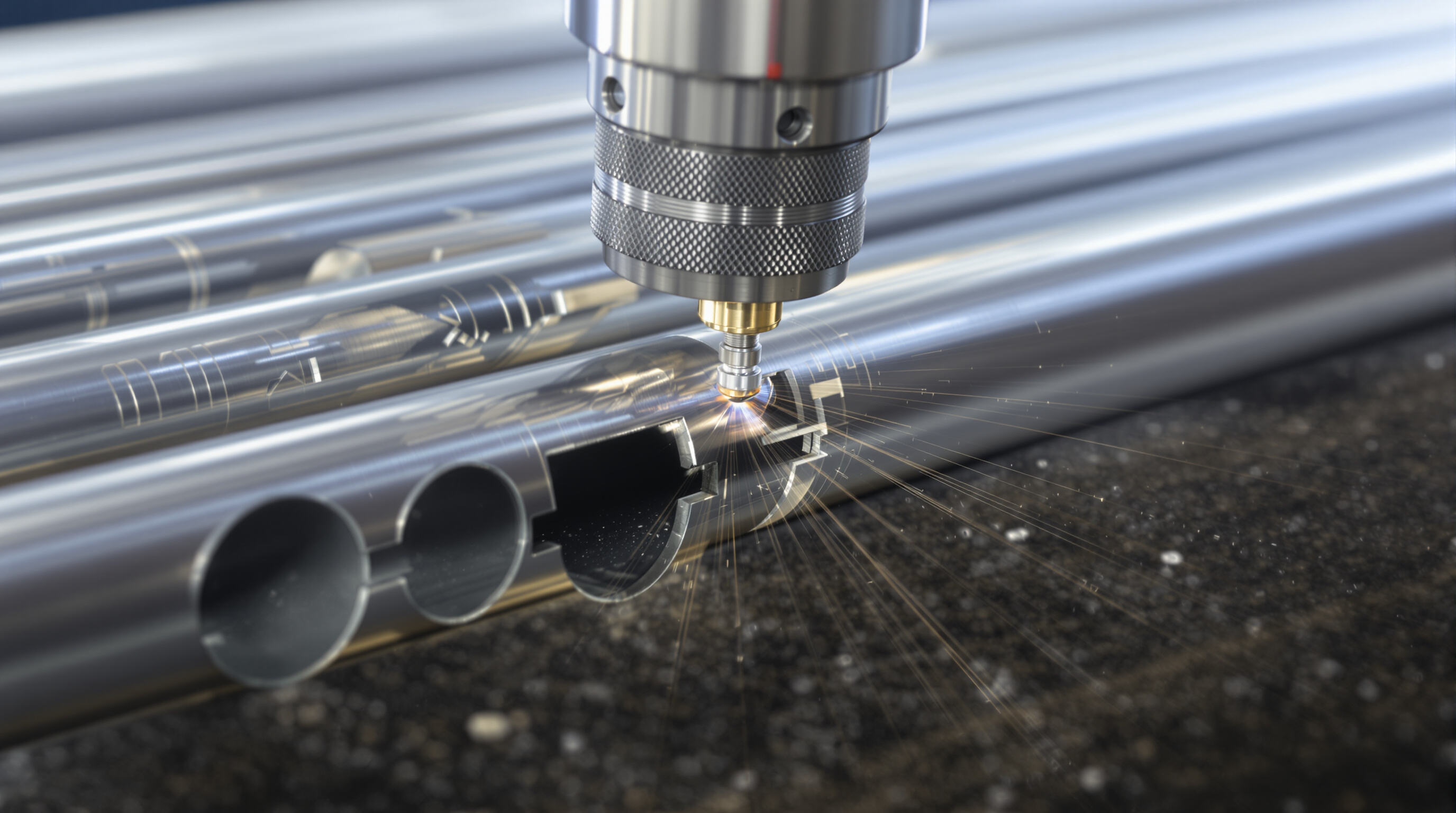
Tube laser cutting equipment runs into real headaches when dealing with angled or off-center cuts on tubes of different sizes. The main issues that impact how accurate the cuts are include keeping the laser beam aligned as it moves around curves, making sure the rotation matches up properly, and accounting for how different materials warp from heat during cutting. Top manufacturers tackle these problems with advanced CNC systems that adjust optics automatically and change focus points dynamically. These machines can still hit within about 0.15mm accuracy for those tricky 70 degree bevel cuts that meet ISO 9013 requirements, which is pretty impressive considering what they're working with.
Maintaining Accuracy in Bevel and Mitre Cuts Across Diameters
Cutting angles beyond 45° amplify alignment errors by 40–60% compared to straight-axis operations. Advanced systems mitigate this through:
- Dual-axis rotary chucks synchronizing tube rotation with laser head positioning
- Real-time diameter compensation algorithms adjusting beam focus
- Vision-assisted gap detection preventing pierce point deviations
For automotive exhaust systems with mixed 50–120mm diameters, this enables single-machine processing of flange welds and oxygen sensor ports within ±0.2mm positional tolerance.
Software Compensation for Kerf, Taper, and Alignment Deviations
| Cutting parameter | Compensation Logic | Diameter Adjustment Range |
|---|---|---|
| Kerf width | Predictive material removal models | 1.5–3x nominal value |
| Beam taper | Reverse angle offset programming | ±1.5° per 10mm thickness |
| Pierce alignment | Thermal expansion pre-compensation | 0.2–0.8mm based on power |
These layered compensations ensure consistent slot widths across mixed batches of 304L stainless and aluminum tubes, reducing post-processing by 75% in HVAC duct manufacturing.
Fixed vs. Dynamic Rotation: Best Practices for High-Mix Environments
Fixed rotation excels for:
- High-volume production of uniform diameters (e.g., 100+ hydraulic cylinders/day)
- Materials with predictable thermal behavior (carbon steel, copper-nickel alloys)
Dynamic rotation proves essential for:
- Prototype shops managing 15+ diameter changes hourly
- Thin-walled medical tubing (0.5–3mm wall) requiring <0.1mm ovalization control
Hybrid approaches using quick-change tooling pallets now achieve <90-second diameter transitions while maintaining <0.05mm/mm straightness in aerospace tube fabrication.
FAQ
What are the advantages of using tube laser cutting machines?
Tube laser cutting machines offer precise cutting across varying diameters and shapes, reduce changeover times, and ensure consistent cut quality, making them ideal for high-mix production environments.
How do tube laser cutting machines ensure precision?
These machines use CNC systems to adjust cutting parameters automatically. They synchronize rotary axes and laser head movements to prevent distortion, providing high accuracy even with variable diameters.
What industries benefit from tube laser cutting machines?
Industries such as automotive, aerospace, architecture, and HVAC utilize tube laser cutting machines for their adaptability with different materials and shapes, enhancing production efficiency and quality.
Table of Contents
- How Tube Laser Cutting Machines Handle Variable Diameters
- Tube Shape and Size Compatibility in Laser Cutting Systems
- Clamping and Chuck Systems for Quick Diameter Changeovers
- Fiber Laser Technology and Its Versatility in Multi-Diameter Production
- Precision Challenges in Angled and Off-Axis Cuts on Variable Tubes
- FAQ