
 EN
EN
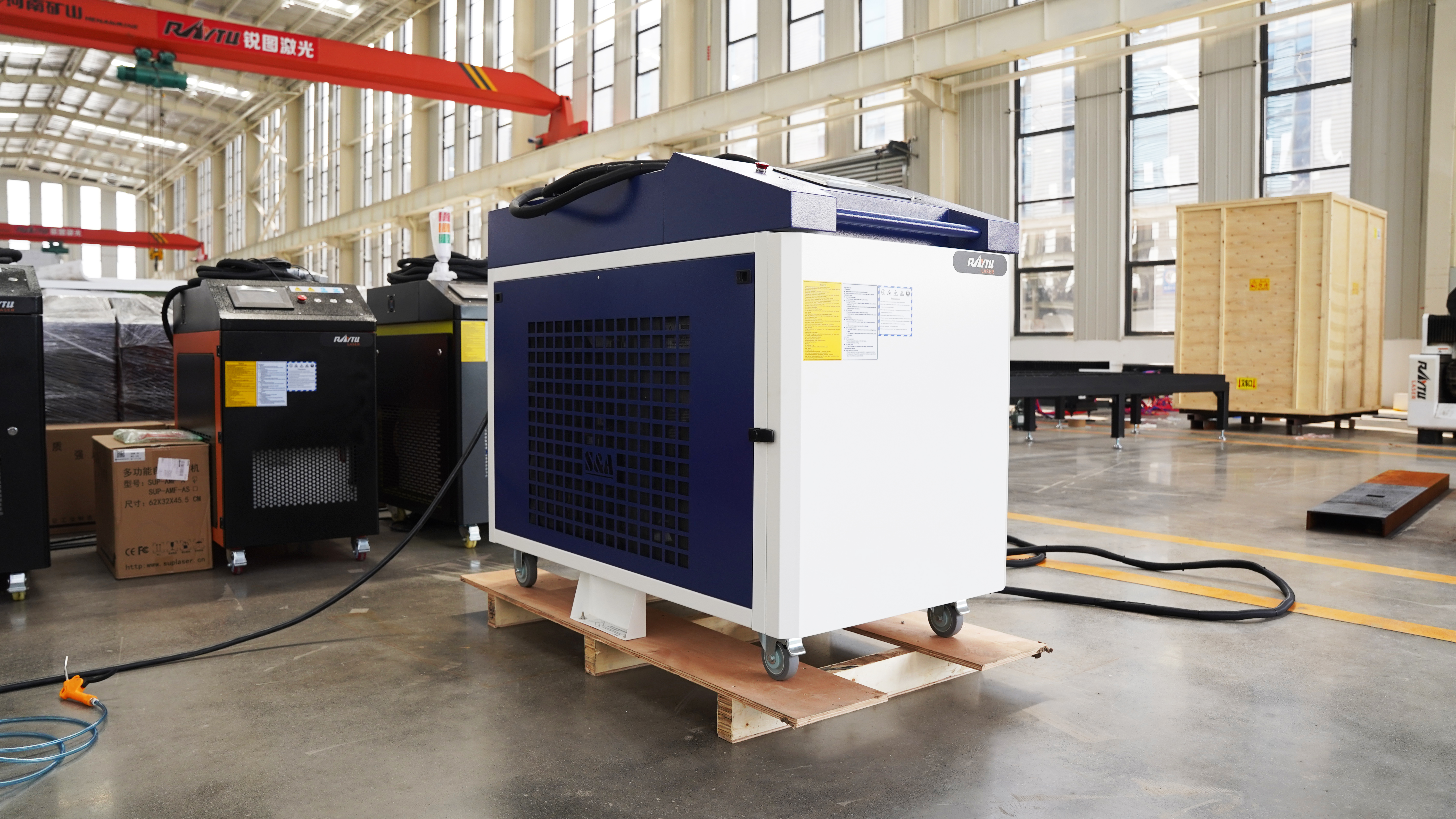
How Laser Cleaning Machines Remove Contaminants: The Science Behind Ablation
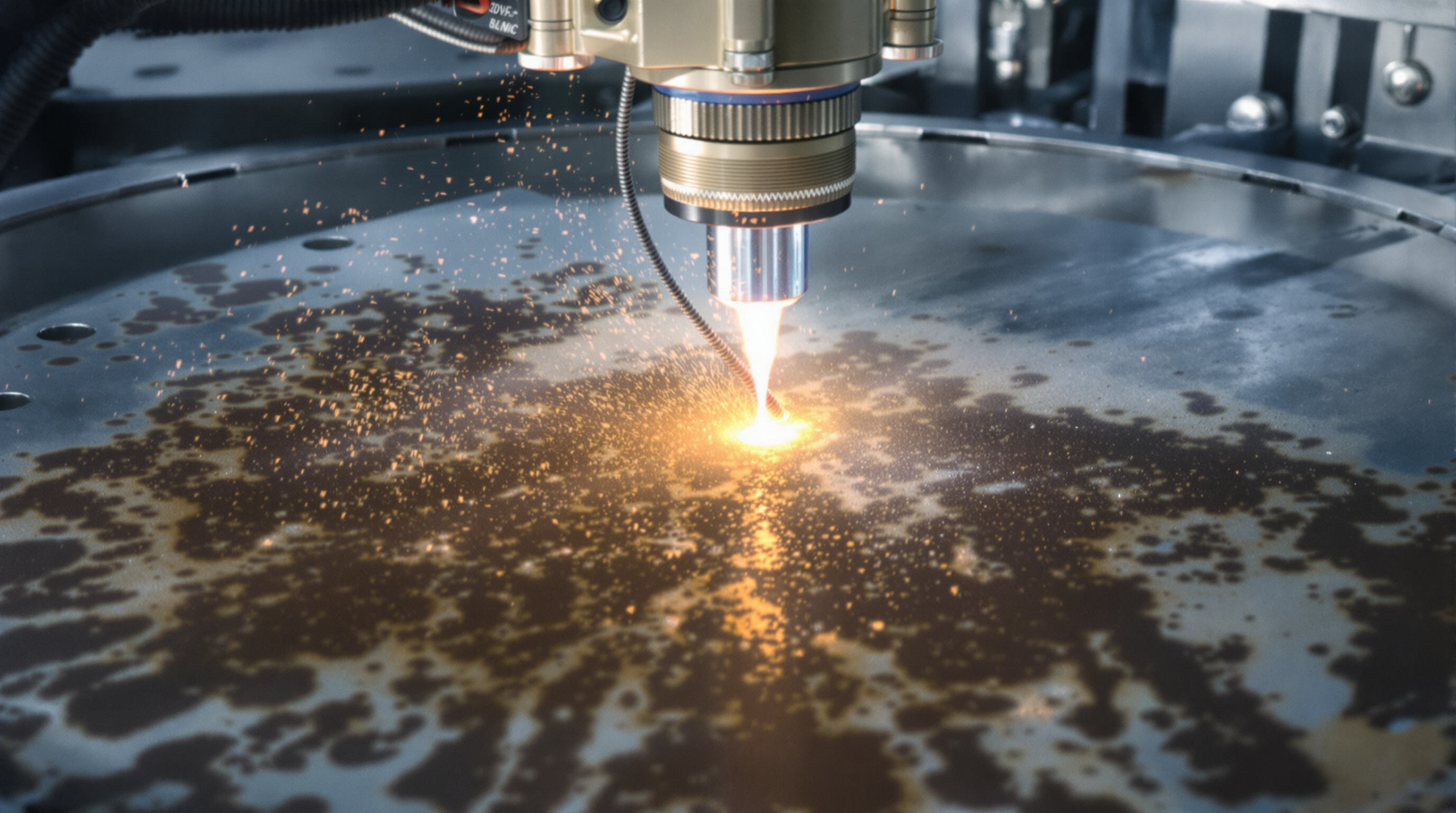
How Laser Ablation Technology Targets Surface Contaminants
Laser cleaning systems get rid of industrial dirt using something called photothermal ablation. Basically, these machines fire off quick bursts of intense energy lasting around 10 to 100 billionths of a second, which turns away surface grime without harming what's underneath. Materials such as rust and old paint soak up the laser light at specific wavelengths, roughly 1060 to 1070 nanometers, causing them to heat up incredibly fast to temperatures ranging from 8000 to 10000 degrees Celsius before they break down completely into either plasma or just plain gas. Researchers from the Laser Ablation Research Group found in their 2022 work that different substances respond differently to this treatment, allowing operators to fine tune the process for maximum effectiveness without overdoing it on any particular surface.
| Material Type | Ablation Threshold (J/cm²) | Vaporization Speed |
|---|---|---|
| Rust/Oxides | 0.5–1.2 | 0.2 m²/hour |
| Paints | 0.8–1.5 | 0.15 m²/hour |
| Grease/Oil Films | 0.3–0.7 | 0.3 m²/hour |
Interaction Between Laser Pulses and Different Material Layers
The process exploits differing light absorption rates between contaminants and substrates. For example, rust absorbs 60–80% of 1,064 nm laser energy, while steel reflects over 70%. This mismatch allows operators to direct pulses at 10–100 kHz frequencies, penetrate contaminant layers under 500 μm thick, and remove debris layer-by-layer at 0.05–0.3 mm per pass.
Selective Absorption: Why Contaminants Vaporize While Substrates Remain Intact
Laser cleaning machines achieve substrate-safe removal through wavelength-specific absorption. Contaminants like rubber residues absorb 90% of fiber laser energy (1,060 nm), while metals reflect 65–85%. This differential heating causes contaminants to reach vaporization temperatures—over 3,500°C for carbon deposits—before the substrate warms beyond 150°C, preserving heat-sensitive alloys.
Metal Oxides and Rust: Efficient Laser-Based Removal from Steel Surfaces
Mechanism of Laser Rust Removal on Steel and Metal Surfaces
Laser cleaning systems get rid of rust and other metal oxides using something called selective photoablation. Basically, these machines shoot out intense bursts of light that turn away the dirt and grime but leave the actual metal underneath untouched. The science behind it is pretty interesting too. When we look at iron oxide compounds like FeO or Fe2O3, they soak up about 60 to maybe even 80 percent of the laser's energy when operating at 1064 nanometers. Plain old steel on the other hand tends to bounce back most of that energy, reflecting over seventy percent actually. What happens next is kind of smart. Because of this difference in how materials react, the process naturally stops itself once it gets through the rust layer. Most rust coatings around 0.1 millimeters thick will disappear completely after just eight seconds per square meter of surface area, and what's left beneath stays exactly as it was before treatment began.
Comparative Efficiency: Laser vs. Sandblasting for Rust Removal
Compared to sandblasting, laser systems reduce surface preparation time by 40% and eliminate abrasive waste disposal costs. Sandblasting risks embedding grit into soft metals, whereas laser ablation maintains surface roughness (Ra) below 1.6 μm—essential for coating adhesion in marine environments.
Case Study: Rust Decontamination in Offshore Marine Structures Using Laser Cleaning Machine
An offshore project achieved 95% rust removal efficiency from carbon steel rig components using a 500W pulsed laser. Operators cleaned at 12 m²/hour in corrosive salt environments with no substrate pitting or thermal distortion, outperforming needle guns by 300% in precision-critical zones.
Paint, Coatings, and Polymers: Precision Stripping with Minimal Substrate Impact
Non-Destructive Stripping of Multi-Layer Paints and Polymer Coatings
Laser cleaning machines use selective energy absorption to vaporize paint layers without solvents or abrasives. Pulsed lasers remove up to five coating layers simultaneously, achieving 99.2% removal efficiency on steel with zero micron-level base metal loss—outperforming traditional grit blasting.
Precision Control in Aerospace Components Using Laser Paint Removal
In aerospace, laser ablation strips polyurethane and epoxy coatings from turbine blades with ¥30μm accuracy, preserving aerodynamic performance. The non-contact method avoids micro-scratches from manual stripping, reducing aluminum part rejection rates by 67% according to industry benchmarks.
Challenges With Heat-Sensitive Substrates During Laser Ablation Process
For heat-sensitive polymers, pulse durations below 15ns prevent warping. Modern systems integrate real-time thermal sensors, lowering peak temperatures by 40% during composite treatments compared to earlier models.
Organic and Inorganic Residues: Oil, Grease, Welding Slag, and Dust Removal
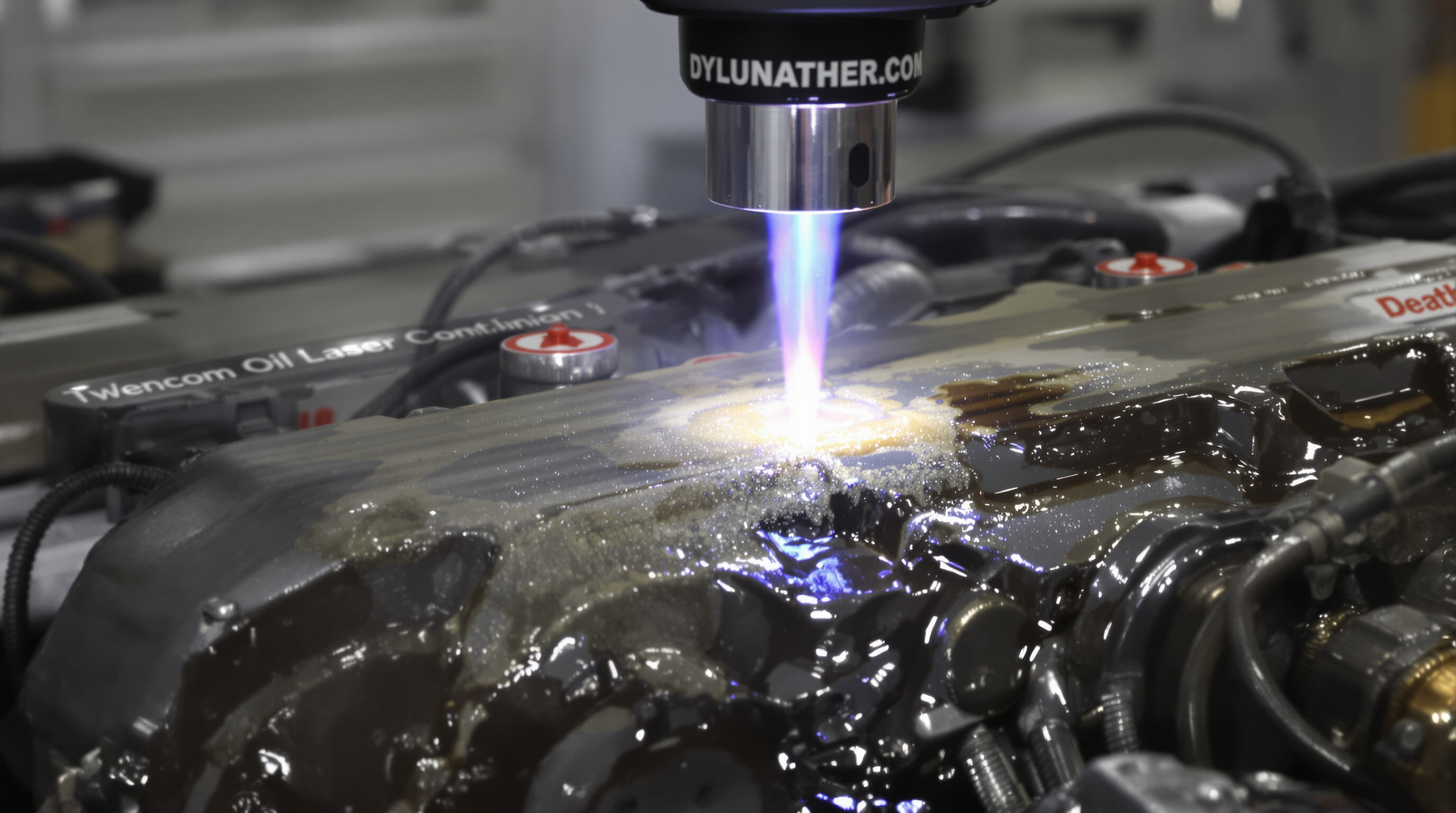
Vaporization of Hydrocarbon-Based Residues via Laser Cleaning Technology
Laser cleaning machines remove oil and grease through selective photothermal decomposition, where short pulses (10–100 ns) vaporize hydrocarbon chains without heating the underlying metal. This method achieves removal rates up to 2 m²/hour for heavy lubricant buildup by leveraging higher contaminant absorption.
Effectiveness in Removing Oil and Grease from Engine Parts
In automotive maintenance, laser systems remove 99.7% of baked-on engine grease at 150–300 W, outperforming solvent-based methods that risk gasket damage. A 2023 study found laser-cleaned crankshafts required 60% less repolishing, significantly reducing hazardous waste.
Removal of Welding Slag and Discoloration in Stainless Steel Fabrication
Laser ablation cleans welding seams three times faster than manual grinding, preserving corrosion-resistant surfaces. By tuning to 1064 nm, systems target iron oxides and eliminate slag while maintaining Ra roughness below 0.8 μm.
Particulate Decontamination in Nuclear and Tooling Industries
Nuclear facilities use laser cleaning to remove radioactive dust with zero liquid waste, achieving decontamination factors of 10´–10µ. In precision tooling, 50W fiber lasers eliminate microscopic alumina particles from milling equipment, preventing cross-contamination between batches.
Specialized Industrial Applications: Mold Cleaning and High-Precision Component Maintenance
Laser Ablation Process for Removing Contaminants Like Mold and Polymers in Rubber Production
Laser ablation selectively removes organic buildup on rubber molds without compromising tolerances. A 2023 Surface Engineering Journal study found pulsed lasers eliminate 99.8% of sulfur-based release agents in under one minute—outperforming chemical solvents that risk swelling substrates. The 1,064 nm wavelength targets dark polymer residues while reflecting off metallic mold surfaces.
Precision Cleaning of Injection Molds Without Surface Wear
In high-volume manufacturing, laser cleaning maintains micron-level accuracy during mold maintenance. Unlike abrasive methods that degrade tooling, lasers remove adhesives and carbonized plastics with ¥3 μm material loss (per ASTM E2921-21), cutting mold replacement costs by up to 70% in automotive facilities.
Case Study: Polyimide Coating Removal in Aerospace Electronics Using Laser Cleaning Machine
A recent aerospace application involved stripping polyimide insulation from satellite connectors. Traditional chemical immersion damaged gold-plated contacts in 12% of cases (NASA 2022 Failure Analysis Report). Laser cleaning achieved 100% coating removal in 45-second cycles with no substrate damage, enabling reuse of $18,000/unit RF modules.
FAQ
What is photothermal ablation in laser cleaning?
Photothermal ablation is a process used by laser cleaning machines to remove contaminants without damaging the underlying surface. It involves firing short, intense bursts of energy that heat and break down surface materials into plasma or gas.
How do laser cleaning machines target contaminants specifically?
Laser cleaning machines use wavelength-specific absorption to target contaminants. Different materials absorb laser light differently, allowing the laser to vaporize unwanted materials while leaving others unharmed.
What are the advantages of laser cleaning over traditional methods like sandblasting?
Laser cleaning is faster and reduces waste disposal costs compared to traditional methods like sandblasting. It also avoids embedding abrasive particles in softer materials and maintains necessary surface roughness for coating adhesion.
Can laser cleaning machines handle multiple layers of paint or coatings?
Yes, laser cleaning machines can remove multiple layers of paint or coatings simultaneously, achieving high removal efficiency without significant damage to the substrate.
How does laser cleaning impact heat-sensitive substrates?
Modern laser systems use short pulse durations and real-time thermal sensors to prevent excessive heating and damage to heat-sensitive substrates during the cleaning process.
Table of Contents
- How Laser Cleaning Machines Remove Contaminants: The Science Behind Ablation
- Metal Oxides and Rust: Efficient Laser-Based Removal from Steel Surfaces
- Paint, Coatings, and Polymers: Precision Stripping with Minimal Substrate Impact
- Organic and Inorganic Residues: Oil, Grease, Welding Slag, and Dust Removal
- Specialized Industrial Applications: Mold Cleaning and High-Precision Component Maintenance
-
FAQ
- What is photothermal ablation in laser cleaning?
- How do laser cleaning machines target contaminants specifically?
- What are the advantages of laser cleaning over traditional methods like sandblasting?
- Can laser cleaning machines handle multiple layers of paint or coatings?
- How does laser cleaning impact heat-sensitive substrates?