
 EN
EN
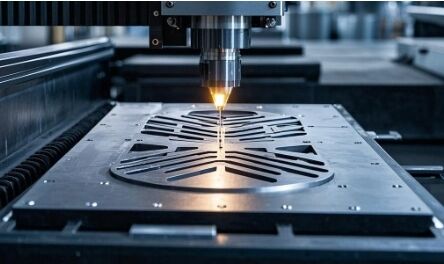
Understanding Metal Laser Cutting Technologies
How Fiber Laser Cutters Work for Metal Processing
Fiber laser cutting machines work by using specially treated optical fibers to create a powerful beam around 1,064 nanometers long. This particular wavelength gets absorbed pretty well by most metals, which makes it effective for cutting operations. Traditional CO2 lasers need mirrors to guide their beams, but fiber systems send the light through bendy optical cables instead. This setup actually saves quite a bit of power, maybe somewhere around 40% less loss than older methods. The improved efficiency means things get cut much quicker too. For example, a 3mm thick stainless steel piece can be pierced in just under two seconds. Energy costs drop about 30% when switching from CO2 systems as well. These days, even a 6kW fiber laser can handle 25mm mild steel at speeds over a meter per minute, all while keeping measurements accurate within about a tenth of a millimeter. That kind of precision matters a lot in manufacturing settings where consistency counts.
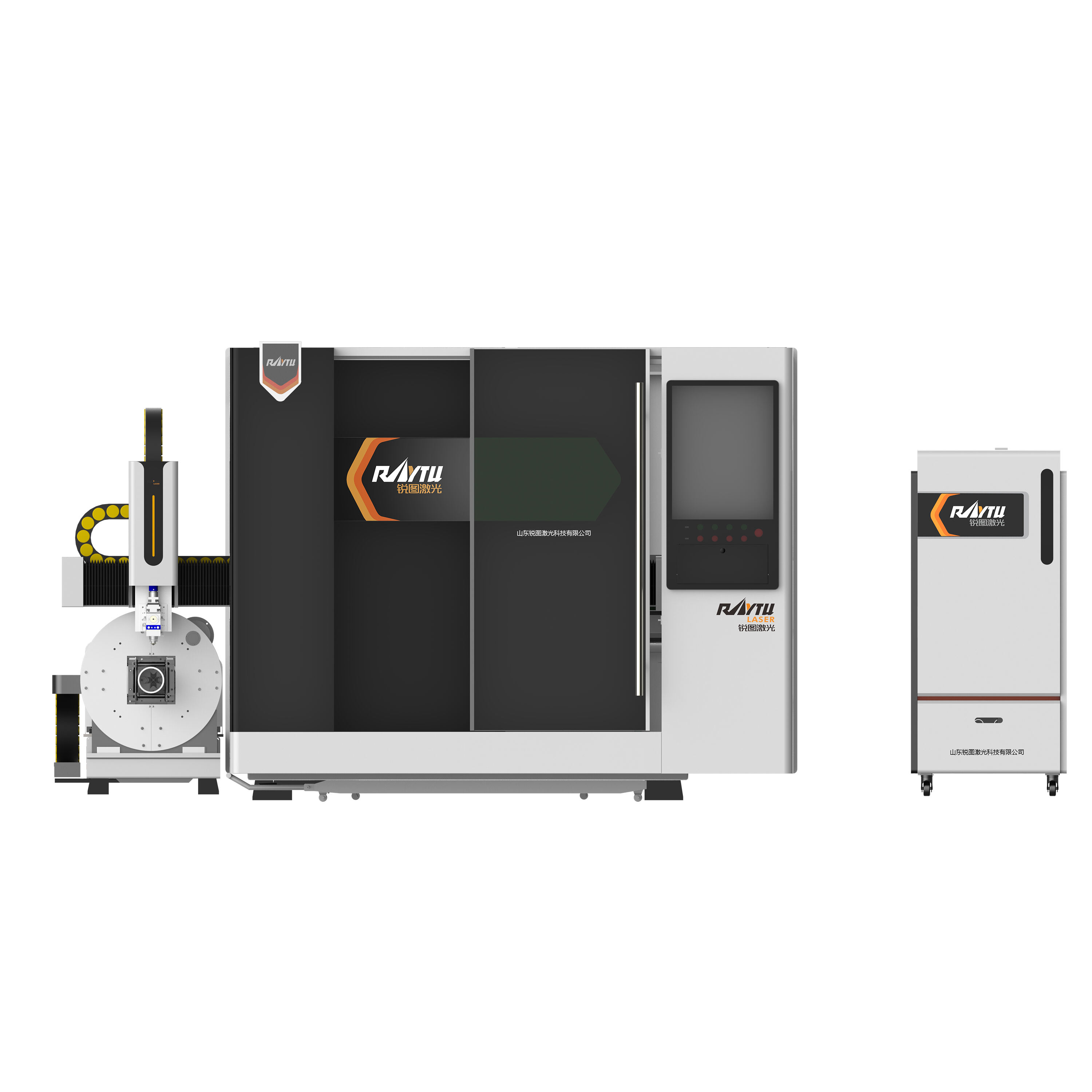
CO2 vs. Fiber vs. Disk Lasers: A Comparative Analysis
| Parameter | CO2 Laser | Fiber Laser | Disk Laser |
|---|---|---|---|
| Power Efficiency | 8-12% | 30-35% | 25-28% |
| Maintenance | Weekly mirrors | Annual diodes | Quarterly optics |
| Cutting Speed* | 3.0 m/min | 5.2 m/min | 4.8 m/min |
| Kerf Width | 0.25-0.40 mm | 0.10-0.25 mm | 0.15-0.30 mm |
*20 mm aluminum, 4 kW systems
When it comes to efficiency, speed, and how much maintenance they require, fiber lasers beat both CO2 and disk lasers hands down. The solid state construction means no messing around with mirrors every few weeks like we used to do back in the day. Plus, these babies run on electricity way better than their competitors, which saves money over time. Disk lasers aren't bad either they have decent beam quality and okay efficiency but fiber systems just keep going and going without breaking down. Manufacturers love them because they fit into all sorts of production setups and last way longer between replacements. That's why most factories are switching to fiber technology these days.
Why Fiber Laser Cutting Dominates Modern Metal Fabrication
According to the latest Fabrication Equipment Report from 2023, fiber laser systems now account for about 78 percent of all new industrial installations. Why? Well, there are several reasons why manufacturers are making this switch. For starters, these systems don't require constant realignment which means less downtime and better long term performance. Another big plus is their ability to handle tricky materials such as copper and brass without worrying about damaging components through back reflections. When it comes to energy efficiency, the numbers speak volumes too. Fiber lasers typically consume around 2.1 kilowatt hours per meter compared to traditional CO2 lasers that eat up roughly 3.8 kWh/m. This translates into real savings on electricity bills, especially when running at scale where costs can be cut down by nearly half. Industry data actually backs this up showing that fiber laser setups maintain impressive uptime rates of approximately 98.5%, while CO2 alternatives struggle to reach even 86% reliability.
Matching Laser Power to Material Type and Thickness
Laser Requirements for Stainless Steel, Aluminum, and Mild Steel
When cutting stainless steel compared to mild steel at similar thicknesses, operators generally need about 25% extra power because stainless reflects more light and conducts heat better. For aluminum work, many shops have found that using nitrogen as an assist gas along with fiber lasers rated between 4 and 6 kW helps avoid those pesky issues where the edges just melt away instead of getting clean cuts. Speaking of efficiency, mild steel remains king in terms of ease when it comes to laser cutting operations. The numbers back this up too industry reports indicate that even basic 3 kW systems can handle mild steel plates as thick as 12mm without much trouble, making it the go to material for many fabrication jobs where speed matters most.
Optimal Power Settings Based on Metal Thickness
Thinner materials (≤5 mm) perform best with ≤3 kW lasers to minimize heat distortion, while 6–8 kW systems are ideal for 15–25 mm plates. Recommended settings include:
| Material Thickness | Recommended Laser Power |
|---|---|
| 1–3 mm stainless | 2–3 kW |
| 5 mm aluminum | 4 kW |
| 10 mm mild steel | 3–4 kW |
Overpowering thin sheets increases energy waste and shortens nozzle lifespan by 18–22% (Ponemon 2023).
Achieving Precision and High-Quality Cuts Across Metals
Precision hinges on balancing focus position and pulse frequency. For sub-0.5 mm tolerances on stainless steel, slightly reduced power combined with higher speeds preserves edge integrity. At 1,070 nm wavelengths, fiber lasers deliver 40% better edge quality than CO2 systems when cutting copper alloys (AMPT 2024), making them ideal for conductive materials.
Industry Benchmarks: Maximum Cut Thickness by Laser Wattage
| Laser Power | Mild Steel | Stainless Steel | Aluminum |
|---|---|---|---|
| 3 kW | 15 mm | 10 mm | 8 mm |
| 6 kW | 25 mm | 18 mm | 15 mm |
| 12 kW | 40 mm | 30 mm | 22 mm |
These values assume optimal assist gas pressure and cutting speeds under 8 m/min for thick sections.
Core Components That Define Machine Performance
Laser Source Reliability and Service Life
The laser source is the machine's core, with high-quality fiber modules lasting 30,000–50,000 hours in industrial settings. Sealed, modular designs from leading manufacturers reduce contamination risks and support predictive maintenance strategies, minimizing unplanned downtime.
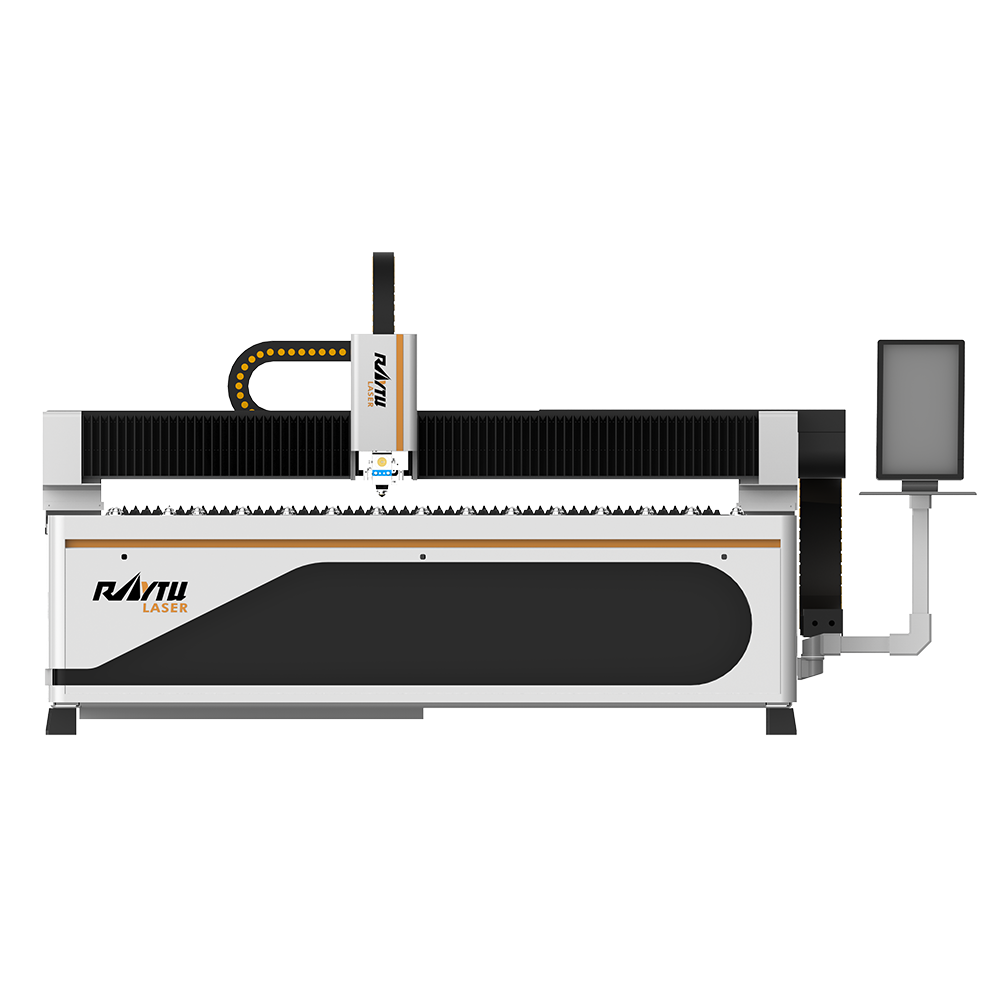
Cutting Head and Beam Delivery System Technology
Advanced cutting heads feature dynamic focal length control (±0.5 mm precision) and collision resistance, ensuring consistent energy density across diverse metals. Hermetically sealed optical paths in second-generation systems achieve 99.8% beam transmission efficiency, enhancing cut consistency and reducing beam degradation.
Assist Gas Systems for Clean, Efficient Cuts
High-purity gases at 16–25 bar directly influence edge quality:
- Stainless steel: Nitrogen at 20 bar prevents oxidation
- Mild steel: Oxygen increases cutting speed by 35%
- Aluminum: Dual-pressure systems reduce adhesion and improve dross removal
CNC Integration and Control System Capabilities
Modern CNC systems integrate AI-powered nesting algorithms that boost material utilization by 12–18%. IoT-enabled sensors monitor resonator temperatures, gas flow rates, and beam stability in real time, enabling proactive adjustments and tighter process control.
Measuring Performance: Speed, Accuracy, and Automation
Cutting Speed vs. Material Thickness: Real-World Benchmarks
A 6 kW fiber laser can cut 16-gauge stainless steel at up to 400 inches per minute, while 1-inch aluminum requires 60–80 IPM using 8–10 kW systems. The relationship between wattage and speed is well-documented:
| Material | Thickness | 3 kW Speed | 6 kW Speed | 12 kW Speed |
|---|---|---|---|---|
| Mild Steel | 0.25" | 160 IPM | 290 IPM | 380 IPM |
| Stainless Steel | 0.5" | 70 IPM | 135 IPM | 220 IPM |
Higher wattages significantly improve throughput, especially for thicker materials.
Ensuring Precision and Repeatability in Production Runs
Top-tier CNC laser cutters maintain ±0.004" positional accuracy over 10,000+ cycles. Capacitive height control compensates for sheet warping, contributing to 99.8% first-pass yield rates in automotive component manufacturing under ISO 9013 standards.
Automation and Material Handling for Operational Efficiency
Pallet changers and robotic sorting reduce idle time by 62% in high-volume operations. According to a 2023 Fabrication Technology Study, integrating automation with an 8 kW fiber laser increases throughput by 34% compared to manual loading.
Case Study: Productivity Gains in a Mid-Sized Fabrication Shop
A Midwest manufacturer reduced processing costs for 16-gauge stainless steel by 28% after upgrading to a 6 kW fiber laser with automated nesting software. Annual output rose from 850 to 1,270 tons, while adaptive power modulation cut energy use by 19%.
Evaluating Total Cost of Ownership and Long-Term Value
Initial Investment vs. Long-Term Cost-Effectiveness
Upfront cost accounts for only 25–35% of total expenses over five years. Despite higher purchase prices, facilities using 4 kW+ fiber lasers typically reduce per-part costs by 18% within 24 months compared to legacy CO2 systems. Key financial considerations include depreciation, maintenance contracts, and scalability potential.
Maintenance Requirements and In-House Support Needs
Planned maintenance makes up 9–12% of annual operating costs. Facilities without certified technicians face 47% longer downtimes during lens replacements or rail alignments. Best-in-class operations implement quarterly beam inspections, automated nozzle cleaning, and cross-train staff on optics handling to sustain peak performance.
Energy Consumption and Consumables: Ongoing Costs
Fiber lasers consume 30% less energy per cut than CO2 systems. Nitrogen-assisted cutting uses as little as 0.3 m³/hour of gas. Typical annual costs include:
| Component | Annual Cost Range |
|---|---|
| Laser source cooling | $2,800–$4,200 |
| Cutting nozzles | $1,500–$3,000 |
High-Power Lasers: Balancing Capability with ROI
While 15 kW+ systems carry a 60% premium, they cut 1" stainless steel 2.8— faster, reducing cost-per-part by 34% in high-volume production. A 2023 manufacturing survey found that 72% of shops using 6 kW+ systems achieved ROI within 18 months, often by expanding into contract metalwork.
FAQ
What makes fiber laser cutting preferable over CO2 laser cutting?
Fiber laser cutting is preferred due to its higher efficiency, reduced maintenance needs, faster cutting speeds, and better energy consumption compared to CO2 laser cutting. It also handles various materials better, especially reflective ones like copper and brass.
How much power is needed for cutting different metals?
The power requirements vary by metal type and thickness. For example, thin materials up to 5 mm are best with ≤3 kW lasers, while thicker materials require higher power settings like 6–8 kW for 15–25 mm plates.
What is the average lifespan of a fiber laser source?
High-quality fiber modules often last between 30,000 and 50,000 hours in industrial settings, thanks to their sealed, modular designs that minimize contamination risks.
How do high-purity gases influence the cutting process?
High-purity gases enhance edge quality during the cutting process. For instance, nitrogen at 20 bar prevents oxidation on stainless steel, while oxygen increases cutting speed by 35% on mild steel.