
 EN
EN
How Fiber Laser Cutting Delivers High-Energy Performance
The Science Behind Fiber Laser Energy Conversion
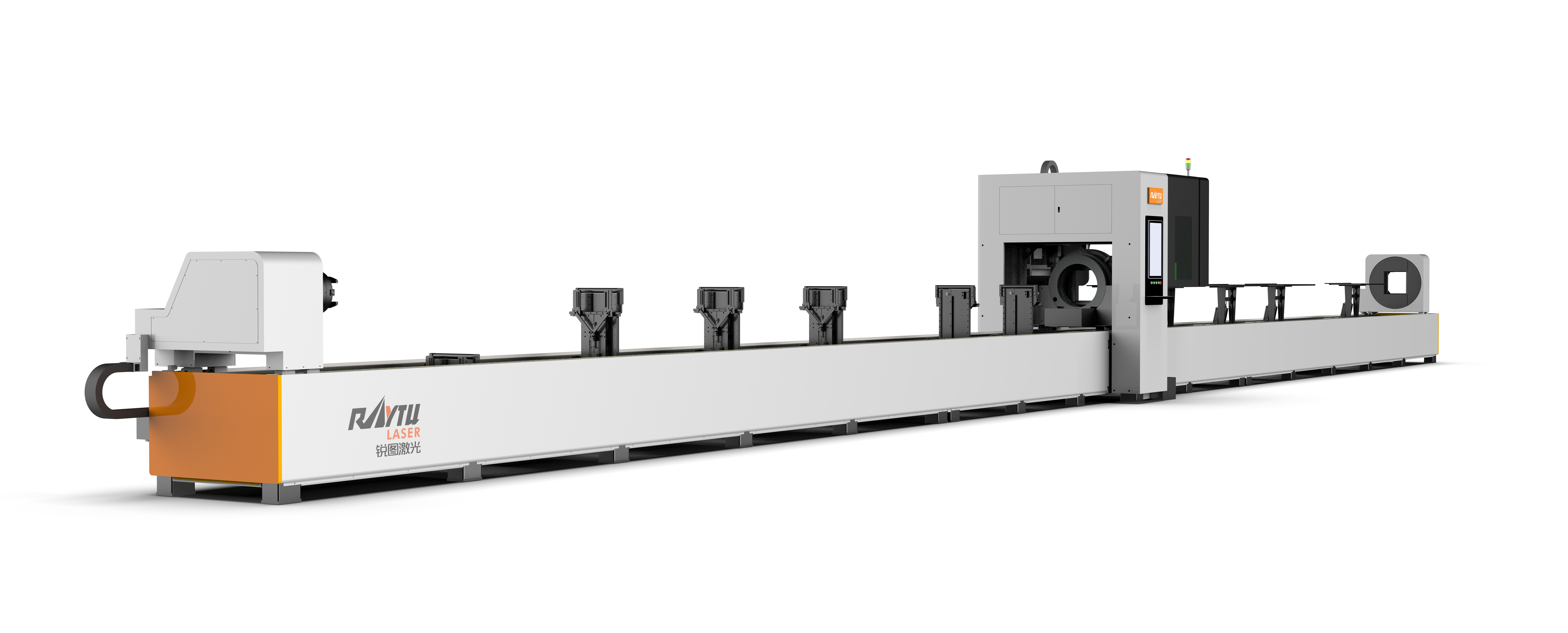
Fiber laser tech is really pushing the boundaries when it comes to laser cutting these days because they actually use optical fibers to generate that intense laser light we all know and love. What makes them so good? Well, their energy conversion rate hits around 25%, which beats out those old school CO2 lasers hands down. Why does this happen? Simple really - fiber lasers work with these special doped optical fibers that do a much better job converting electricity directly into usable laser beams. Manufacturers keep improving things too. We've seen recent breakthroughs where fiber lasers can now produce stronger laser beams while using less power overall. This means companies aren't just saving money on their energy bills, they're also getting better cutting results without compromising quality. The industry has been watching closely as these developments unfold, and many are starting to see fiber lasers as the future of efficient industrial cutting solutions.
CNC Integration for Optimal Power Utilization
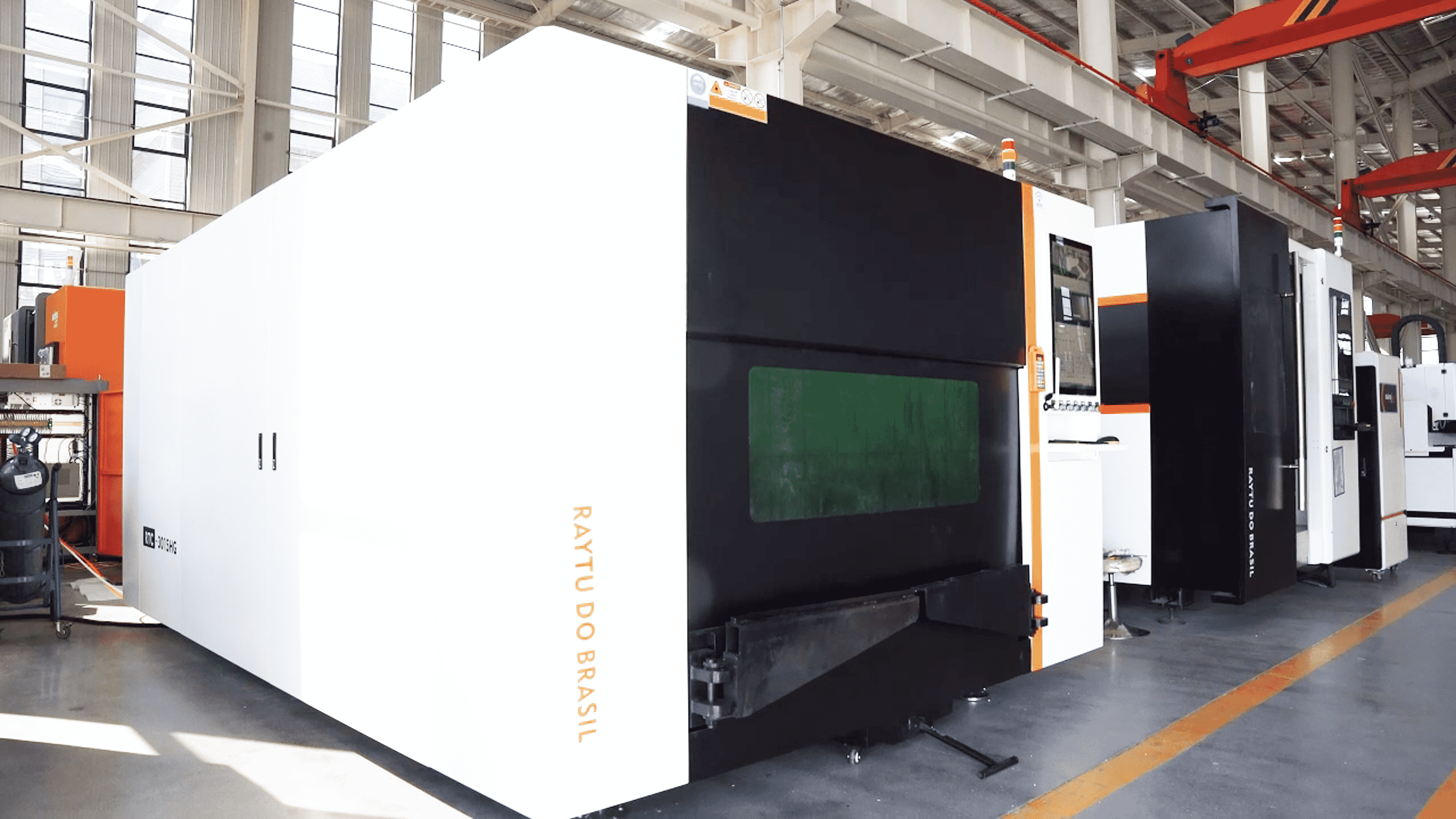
Bringing together Computer Numerical Control (CNC) tech with fiber laser systems really helps get the most out of power usage while boosting how well these machines work overall. These advanced CNC setups let operators fine tune both power levels and cutting speeds depending on what material they're working with, which leads to much better cut quality across the board. What makes this so useful is that it lets the machine switch smoothly from one type of cutting job to another. That's why CNC laser cutters have become essential equipment in places like auto factories and electronic component manufacturing shops where getting measurements right matters a lot. Take cars for example. When building vehicles, having those exact cuts for complicated parts means the difference between good products and ones that don't meet standards. With proper CNC programming, factory owners can actually maximize what their fiber lasers can do, turning these expensive tools into must-have assets rather than just fancy gadgets sitting around collecting dust.
Cutting Thick Metals with Minimal Heat Loss
When it comes to cutting thick metals, fiber lasers really stand out because they create much smaller heat affected zones (HAZ) compared to traditional methods. What makes this possible is the way these lasers focus their energy so precisely on the material being cut, losing very little heat along the way. Take plasma cutting for example it tends to leave behind much bigger areas where the metal gets warped from heat exposure. Research into different cutting technologies shows just how much better fiber lasers perform in terms of heat management. Components cut with this technology simply look cleaner and fit together more accurately after processing. The metal stays stronger and maintains its original properties since there's less damage from excessive heating. That's why manufacturers in sectors like aircraft manufacturing and car production rely heavily on fiber laser systems whenever they need parts that must meet tight tolerances while still maintaining structural integrity.
Unmatched Speed in Industrial Cutting Applications
Cutting Rates vs. CO2 and Plasma Systems
When it comes to cutting thin materials, fiber lasers just plain beat out CO2 and plasma systems in terms of speed, which means factories can crank out products much faster. Some tests indicate these fiber lasers can cut through stainless steel and aluminum up to three times quicker than older CO2 models. And when production lines need to keep moving without sacrificing quality, that kind of boost makes all the difference. Take auto manufacturers who've switched over recently. They're seeing massive improvements in how quickly they can produce parts for cars and planes. The same goes for aerospace firms dealing with complex components where both speed and accuracy matter most. Traditional methods simply can't match what fiber lasers bring to the table anymore.
Nesting Software for Material Efficiency
When nesting software gets paired with fiber laser cutters, it really makes a difference in how much material gets used versus wasted during cutting operations. These programs basically figure out the best way to fit all those complicated shapes onto big sheets of material, so there's less scrap left over at the end. Most good nesting software comes with automatic layout functions and smart pattern recognition capabilities that are pretty much required nowadays for anyone working with fiber lasers. Take electronics manufacturing as just one example from recent case studies we've seen across the industry. Companies report saving thousands on raw materials while also speeding up their production lines thanks to better nesting solutions.
Reducing Cycle Times in Automotive Production
The adoption of fiber laser cutting technology is transforming how auto manufacturers approach their production lines, slashing the time needed to complete cycles while boosting both speed and accuracy when making parts. For those essential components like car doors and engine blocks, this means better efficiency across the board with fewer errors creeping into final products. Industry insiders point to recent studies showing these time savings translate directly into lower expenses for factories and faster turnaround times for customers waiting on new vehicles. What's really interesting though is how this acceleration helps companies keep pace with the ever increasing demand from consumers who want their cars built quicker without compromising on quality standards that have become expectations rather than extras in today's competitive market landscape.
Precision Engineering for Complex Fabrication
Micron-Level Accuracy in Aerospace Components
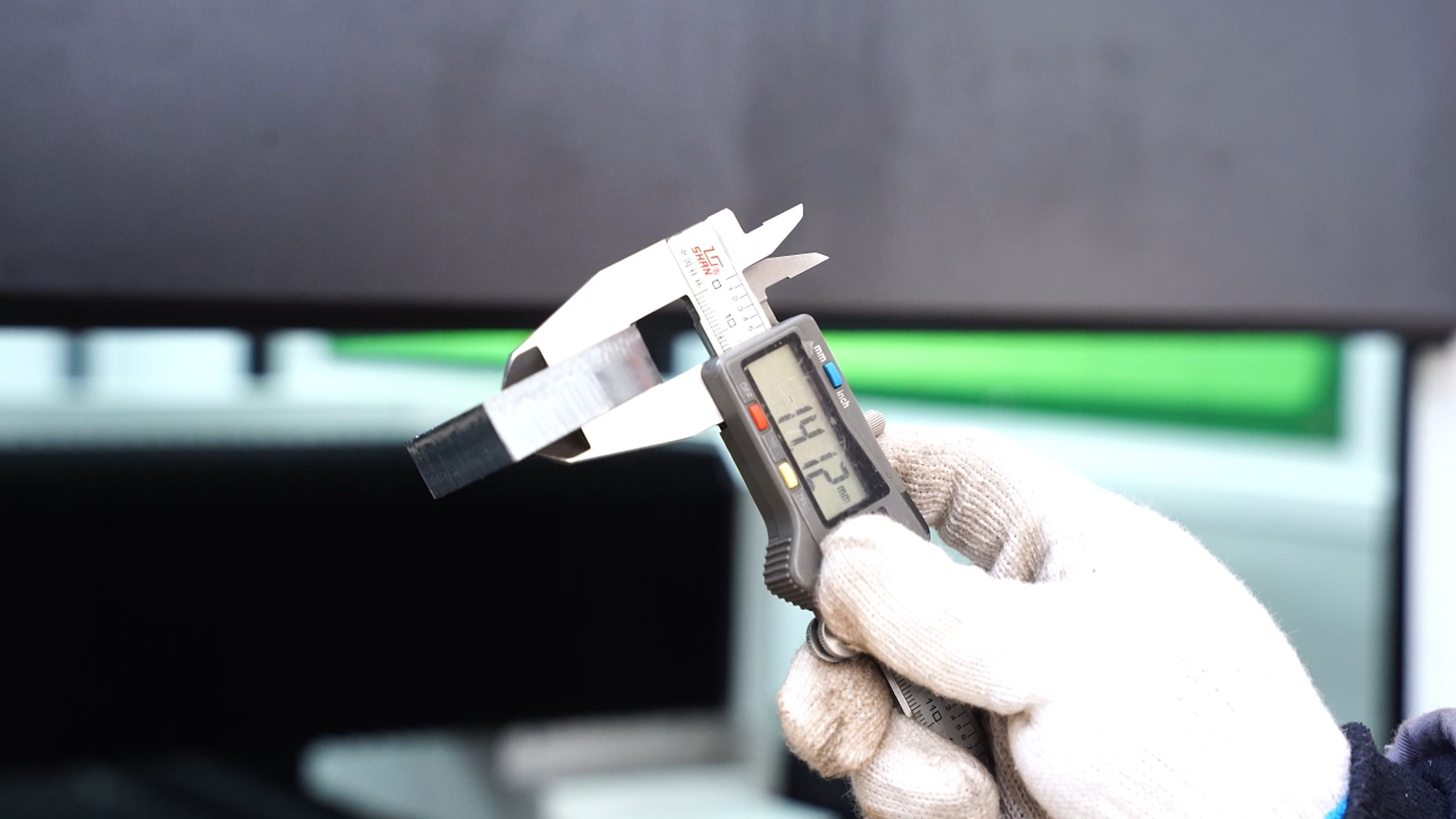
Fiber lasers stand out when it comes to precision work, especially in aerospace manufacturing where getting things right down to the micron matters a lot. When parts fit together just right in complex systems, everyone benefits from better safety margins and overall performance improvements. For planes and spacecraft, this kind of exactness makes all the difference in how efficiently they operate day after day. The fiber laser technology used here passes through various tough industry requirements too. Standards like AS9100 and ISO 9001 aren't just paperwork hurdles but real indicators that manufacturers are meeting strict quality expectations across the board.
Edge Quality Comparison with Mechanical Cutting
Looking at fiber laser cutting next to old school mechanical methods, one thing stands out right away the edges just look way better. The cuts from fiber lasers tend to be much smoother and cleaner, so there's far less work needed after the fact to polish things up. And this matters because it saves money in the long run while making factories run faster overall. Most shops have seen this firsthand. Mechanical cutting often leaves those annoying little burrs along the edges, something that drives quality control inspectors crazy. Fiber lasers cut with such precision they basically eliminate these problems. Shops report real money saved when they switched over, mostly because they spend less time fixing up parts before shipping them out.
Adaptive Optics for Variable Material Thicknesses
Adaptive optics are really important when working with fiber lasers, particularly when dealing with materials that vary in thickness from one spot to another. These systems adjust the laser focus on the fly, which makes them much better at handling complicated cuts than traditional methods. What this means is fiber laser machines stay accurate and efficient even when going through different layers or sections of material. Take a look at what happens in auto manufacturing plants or aircraft factories where they need to cut everything from thin sheet metal to thick structural components. They rely heavily on these adaptive systems because they can switch between different materials without missing a beat. The result? Cleaner cuts, less waste, and overall better productivity across all sorts of industrial applications.
Cost-Effective Operation Across Industries
Energy Savings vs. Traditional Cutting Methods
Fiber laser cutting machines save quite a bit of energy when compared to older cutting methods. The way these systems work is actually pretty clever they send the laser through special fiber optic cables instead of relying on bulkier setups. This means they eat up way less power than those old CO2 lasers or mechanical cutting tools that many shops still use. When companies switch over to fiber laser technology, they typically see their electric bills drop significantly both month after month and year over year. Plus there's an environmental angle here too since lower energy usage means fewer carbon emissions during production. With so many manufacturers now under pressure to green up their operations, adopting fiber lasers makes sense for both the bottom line and planet health considerations.
Low Maintenance Requirements for 24/7 Shops
Fiber laser systems really stand out when it comes to maintenance needs, especially against older mechanical setups and those CO2 laser cutters we all know too well. These fiber systems have basically no moving parts at all thanks to solid state tech, so there's just not much that can break down over time. Maintenance bills drop significantly because replacement parts aren't nearly as common anymore. Shops using these systems typically see way more running time between service calls. The difference matters a lot in real world operations where every minute counts. Less time spent on repairs means more product gets made throughout the day, night, and weekends too. For facilities running around the clock, fiber lasers just make sense financially while keeping production lines humming along without constant interruptions.
ROI Analysis for Metal Fabrication Businesses
When looking at return on investment for metal fabrication shops thinking about switching to fiber laser cutters, there are multiple things to consider. Sure, the upfront cost is pretty steep, but many shops find they save money over time because fiber lasers consume less power and need less maintenance compared to traditional systems. Plus, these machines typically run faster than their counterparts, which means getting products out the door quicker translates directly into higher profits. Shops across the country have reported dramatic boosts in both output and bottom line after making the switch. Some manufacturers saw positive returns within just six months of installation. Real stories from fabricators who've made the move show exactly why fiber lasers are becoming such a smart investment for shops wanting to boost efficiency while cutting long term expenses.
Selecting the Ideal Fiber Laser System
Power Requirements for Sheet Metal vs. Plate
Knowing what kind of power a fiber laser needs when working with sheet metal compared to plates makes all the difference in running operations smoothly. These laser cutting systems adjust their power based on how thick the material is. Thin sheets usually work well with lasers between 500 and 2000 watts, but when dealing with thicker plates, operators typically crank things up to around 3000 watts or even higher to maintain clean cuts without compromising speed. Getting the power right matters because incorrect settings can lead to poor quality cuts or worse, wasted materials that end up costing money. Take the automotive sector for example they need precise cuts across various metals, so having the right wattage setup saves time and reduces errors during production runs. Same goes for aerospace manufacturing where tolerances are tight and every detail counts.
Integration with Smart Factory Networks
Bringing fiber laser systems into smart factories shows what manufacturing might look like in this new Industry 4.0 world we're all talking about. These lasers fit right into existing smart factory setups because they work so well with real time monitoring tools and let managers make decisions based on actual data instead of guesswork. When everything connects properly, it means machines can run themselves most of the time, which cuts down on wasted hours and boosts output across the board. What's coming next? Well, companies are already experimenting with AI that analyzes production patterns and Internet of Things devices that talk back to central control systems. This kind of setup allows for much finer adjustments during manufacturing runs. While not every business will jump on board immediately, those that do implement these tech solutions now will find their operations better prepared for whatever changes come down the road in manufacturing.
Safety Features for High-Power Cutting Environments
Safety for workers and facilities matters a lot when dealing with high power cutting equipment. Fiber laser cutting machines typically include several important safety components like protective enclosures around the work area, safety interlocks that stop operation if something goes wrong, plus special laser safety glass to protect against stray beams. Most industries follow strict safety rules from organizations like ISO and OSHA which set out what kind of protections must be in place. Companies should really consider implementing thorough training sessions specifically for fiber laser operations too. Good training covers proper ways to handle the machinery day to day, what to do during emergencies, and regular safety inspections that help keep everyone safe at work while reducing the risk of accidents happening.
In adopting fiber laser systems, considering these safety protocols is crucial to maintaining operational integrity and efficiency.