
 EN
EN
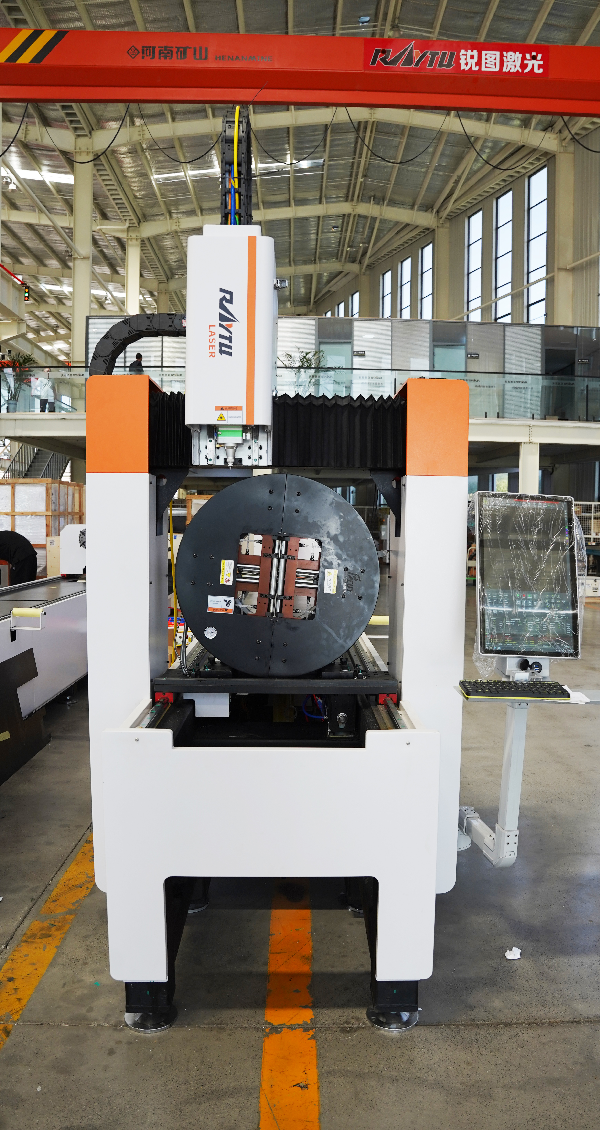
Material Compatibility and Its Impact on Pipe Laser Cutting Performance
Common tube materials compatible with laser tube cutting (stainless steel, aluminum, brass, copper, titanium)
Fiber laser cutters work really well with five main types of metal. Stainless steel gets used a lot because it resists corrosion in industrial applications. Aluminum is popular for making light parts needed in airplanes and spacecraft. Brass finds its way into decorative details on buildings sometimes. Copper comes in handy for electrical wiring and pipes, and titanium is often found in medical devices where strength matters most. These modern laser systems can tackle steel plates as thick as 25mm and non-ferrous metals around 15mm thick. The machines maintain an accuracy of plus or minus 0.1mm, which makes all the difference when creating parts that need to bear weight or form tight seals without leaks.
How material composition affects cut quality and processing efficiency
The chemical makeup of materials plays a big role in how they interact with lasers during cutting processes. Take stainless steel for example its chromium content means we often need nitrogen assistance during cutting to stop unwanted oxide layers from forming. Aluminum presents different challenges because of its impressive thermal conductivity around 237 W/mK which makes pulsed laser delivery necessary to manage the melt pool effectively. When working with copper or brass, operators typically find that oxygen works well for thinner sheets while compressed air is better suited for thicker material. These are just some of the important factors that shop floor technicians consider when setting up their laser cutting operations.
| Material | Optimal Power (W) | Gas Assist | Cutting Speed (m/min) |
|---|---|---|---|
| Stainless Steel | 3,000—6,000 | Nitrogen | 3.2—4.8 |
| Aluminum | 4,000—8,000 | Compressed Air | 5.5—7.1 |
| Copper | 8,000—12,000 | Oxygen | 1.8—2.4 |
Higher carbon content in steels increases edge hardness but reduces cutting speeds by 18—22% compared to mild steel due to increased energy absorption requirements.
Thermal conductivity and reflectivity challenges in non-ferrous metals
Aluminum tends to lose heat pretty fast, which means it needs about 15 to 20 percent more power per unit area compared to steel just to maintain a steady cut width. When working with copper, there's another issue altogether. Copper bounces back around 85 to 90 percent of the 1 micrometer wavelength from fiber lasers. This creates serious problems with reflected beams that could actually damage the optical components. To handle this risk, many shops end up investing in different types of beam delivery systems specifically designed to reduce these hazards. And then there's titanium, which gets really hot when exposed to oxygen. Because of this reaction, manufacturers have to use special mixes of inert gases during cutting operations to stop things from catching fire unexpectedly.
Why highly reflective materials like copper and brass pose risks to fiber laser systems
Metals like copper and brass that reflect light well can bounce back around 65 to 75 percent of laser energy right back into the optical system. This causes real problems for equipment like resonators and collimators. Repair bills for these damages typically hit about $740,000 according to Ponemon's research from last year. Brass that contains under 30% zinc brings down this reflectivity to something workable, usually between 45 and 50%. Pure copper was always tricky though, needing those old fashioned CO2 lasers until recently. But there have been some breakthroughs lately. Fiber lasers operating at 1070nm wavelengths with specially angled beams can actually cut through copper sheets 2 to 5mm thick while using only 15% of what traditional CO2 systems consume in energy costs. That makes a huge difference in operational expenses.
Matching Laser Power to Tube Material and Thickness Requirements
Laser Wattage Selection Based on Metal Type and Wall Thickness
The right laser power choice hinges largely on what kind of material we're working with and how thick those walls happen to be. For instance, when dealing with thin stainless steel tubes under 5mm thick, most folks find that 3 to 4 kW fiber lasers get the job done just fine. But things change when we look at something heavier like 10mm carbon steel where operators generally need at least 6 kW just to keep cutting speeds above 2 meters per minute according to JQ Laser's latest guide from 2024. And then there are those tricky high conductivity materials such as copper and titanium. These bad boys really eat up energy so manufacturers typically recommend going up to between 8 and 12 kW systems whenever the profile gets past 6mm thickness mark.
| Material | Thickness | Minimum Power | Speed Range |
|---|---|---|---|
| Carbon Steel | 10mm | 6kW | 0.8—1.2 m/min |
| Stainless Steel | 5mm | 4kW | 2.5—3.5 m/min |
| Titanium | 8mm | 8kW | 0.5—0.7 m/min |
Optimal Settings for Carbon Steel and Stainless Steel Tubes
Carbon steel responds predictably to laser energy, allowing effective cutting at 3—4kW. In contrast, stainless steel benefits from 10—15% higher power input and nitrogen shielding to preserve edge quality. A 2024 study showed that using a 4kW fiber laser on 5mm stainless steel achieved 98.5% edge smoothness, outperforming 3kW setups (92%) significantly.
High-Power Needs for Thick-Walled Titanium and Copper Profiles
The high melting temperature of titanium around 1,668 degrees Celsius plus the reflective nature of copper means most shops need fiber lasers rated between 8 to 12 kilowatts or go with hybrid laser arc welding setups when dealing with wall thicknesses over 6 millimeters. Some of the latest fiber laser models actually manage to slice through 8mm thick copper plates at just 6kW power levels without damaging the optics, but many fabricators still stick with good old CO2 lasers for anything 10mm thick or more according to those Feijiu Laser benchmarks we all reference. And don't forget nitrogen gas assistance during cutting operations it makes a world of difference in keeping warping down and preventing unwanted oxidation on these tricky metals.
Fiber vs CO2 Laser: Choosing the Right Technology for Your Material
Advantages of Fiber Lasers for Stainless Steel, Aluminum, and Brass Tubes
When it comes to working with metals like stainless steel, aluminum, and those mid-range brass tubes so common in car parts and aircraft components, fiber lasers just plain outperform other options. These systems can hit within 0.1 mm accuracy for materials as thick as 20 mm, which is pretty impressive. And they don't stop there either. Fiber lasers typically run around 30 percent quicker than traditional CO2 setups while using anywhere from 20 to 30 percent less nitrogen gas during operation. What really stands out though is their 1,064 nm wavelength that actually reduces heat damage in delicate brass parts such as instrument fittings. This means manufacturers get better dimensional stability without all the warping issues that plague older technologies.
CO2 Laser Effectiveness on Highly Reflective Materials Like Copper and Brass
When working with copper or brass tubes thicker than 15mm, most professionals still go with CO2 lasers because of their 10.6 micrometer wavelength. These wavelengths just don't bounce off as much as fiber lasers do, making them much more practical for this kind of work. Studies have shown that CO2 laser systems can hold tolerances within plus or minus 0.15 mm even on brass as thick as 25mm. They cut at around 2.5 meters per minute too, and there's basically no chance of back reflection causing damage during the process, something we've seen confirmed in various thermal processing tests. Because of this dependable performance, CO2 lasers are commonly used in critical applications like electrical components manufacturing and marine engineering where precision matters most.
Energy Efficiency, Maintenance, and Operational Costs: Fiber vs CO2 Comparison
| Factor | Fiber Laser | CO2 Laser |
|---|---|---|
| Energy Consumption | 25—35 kW/hr | 45—60 kW/hr |
| Lens Replacement | 15,000+ hours | 8,000—10,000 hours |
| Gas Requirements | Nitrogen only | Nitrogen + oxygen |
| Cutting Speed (3mm SS) | 12 m/min | 8 m/min |
Fiber lasers use up to 50% less energy than CO— models (NMLaser 2024), with maintenance costs averaging $0.08/hour versus $0.18/hour for CO— systems. Their solid-state design eliminates mirrors and resonator gases, reducing downtime and consumable needs.
Debunking the Myth: Can Fiber Lasers Safely Cut Pure Copper Tubes?
Back in the day, copper was basically off limits for fiber lasers because of its 98% reflectivity at those 1 micron wavelengths. But things have changed quite a bit lately. Newer laser systems come with all sorts of fancy tech like pulse shaping controls, special anti reflective coatings, and better angled beams that actually let manufacturers cut through pure copper sheets up to 10mm thick at around 1.8 meters per minute. The cuts themselves are pretty tight too, staying under 0.3mm wide. According to some tests done last year, these upgrades slashed back reflection problems by almost 90% compared to what we had before. This breakthrough means industries like HVAC, semiconductors, and power transmission no longer need to rely solely on old fashioned CO2 laser technology for their copper work.
Frequently Asked Questions
What materials are compatible with laser tube cutting?
Common materials compatible with laser tube cutting include stainless steel, aluminum, brass, copper, and titanium.
How does material composition affect laser cutting?
Material composition affects laser cutting by influencing the thermal conductivity and reflectivity, which play a significant role in cut quality and processing efficiency.
Why are fiber lasers preferred for certain metals?
Fiber lasers are preferred for metals like stainless steel and aluminum due to their accuracy, speed, and lower energy consumption compared to traditional CO2 laser setups.
What challenges do fiber lasers face with highly reflective materials?
Highly reflective materials like copper can reflect a significant portion of laser energy back into the system, potentially damaging equipment. Specialized systems are needed to address these challenges.
What are the advantages of CO2 lasers for copper and brass?
CO2 lasers are effective for cutting thicker copper and brass due to their wavelength, which reduces back reflection and maintains precision.
Table of Contents
-
Material Compatibility and Its Impact on Pipe Laser Cutting Performance
- Common tube materials compatible with laser tube cutting (stainless steel, aluminum, brass, copper, titanium)
- How material composition affects cut quality and processing efficiency
- Thermal conductivity and reflectivity challenges in non-ferrous metals
- Why highly reflective materials like copper and brass pose risks to fiber laser systems
- Matching Laser Power to Tube Material and Thickness Requirements
- Fiber vs CO2 Laser: Choosing the Right Technology for Your Material
- Debunking the Myth: Can Fiber Lasers Safely Cut Pure Copper Tubes?
- Frequently Asked Questions