
 EN
EN
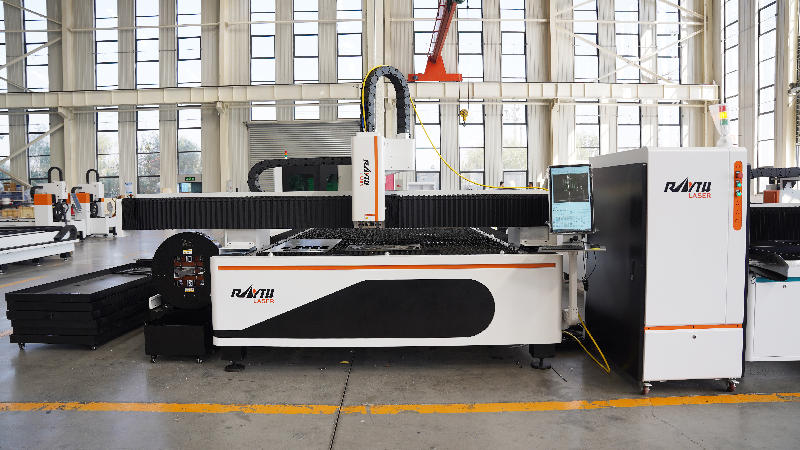
Unmatched Precision and Cut Quality
Superior Edge Quality and Minimal Heat Affected Zone (HAZ)
Fiber laser cutting machines reduce thermal distortion by 73% compared to CO₂ systems (Fiber Laser Systems Study 2023), delivering smooth edges with near-zero burr formation. The concentrated beam minimizes the Heat-Affected Zone (HAZ) to under 0.3mm in stainless steel, preserving material integrity—critical for medical device components requiring sub-millimeter accuracy.
High Beam Quality Enables Intricate Detailing
With beam divergence below 0.8 mrad, fiber lasers maintain focus spot sizes as small as 20¼µm. This allows etching 0.15mm-wide engravings on tooling dies or cutting hypodermic needle apertures without post-processing. A 2023 precision engineering study confirms fiber lasers achieve 3x finer details than plasma alternatives in <0.5mm brass sheets.
Consistent Quality Over Time Due to Stable Beam Delivery
Solid-state laser resonators in fiber systems show <1% power fluctuation across 10,000 operating hours, unlike CO₂ lasers prone to gas depletion. Real-time monitoring systems auto-adjust focal lengths and nozzle distances, maintaining ±0.02mm positional accuracy as documented in the Industrial Laser Report 2023.
Precision in Laser Cutting for Complex Geometries
Multi-axis fiber laser cutters produce turbine blades with 50¼µm airfoil tolerances and hexagonal honeycomb structures at 97% nesting efficiency. Unlike mechanical punching, the non-contact process eliminates tool wear-induced errors in high-volume microperforation tasks.
Case Study: Aerospace Component Manufacturing Using Fiber Lasers
A leading aircraft manufacturer reduced titanium bracket rejections by 41% after switching to 4kW fiber laser systems. The technology achieved 0.1mm wall thickness in fuel injection nozzles while cutting cycle times by 22%—critical for aerospace supply chain deadlines.
Faster Processing Speeds and Higher Productivity
Efficiency and Speed in High-Volume Fabrication
The 2024 High Speed Cutting Report shows fiber laser cutters can process materials about three times faster than old school CO2 systems when running at full capacity. Why? These machines keep their laser power strong even during marathon cutting sessions, something traditional systems just can't match. For businesses in HVAC work or construction projects where deadlines are tight and sheet metal parts need constant production, this makes all the difference. When paired with automated feeding systems, these lasers don't need constant supervision either. Factories can run them night and day without anyone standing by to monitor every cut.
Reduced Setup Times Enhance Throughput
Fiber laser systems these days cut down on setup time quite a bit, about 40% less than what we saw with older tech. They do this thanks to those built-in parameter settings and optics that adjust themselves automatically. What happens is operators just pick out the material they're working with and how thick it is right from the control panel, so there's no waiting around for manual adjustments anymore. For small manufacturing facilities dealing with all sorts of different materials throughout the day, this really makes a difference. When changeovers happen fast, production numbers go up, which means more work gets done without wasting precious hours on recalibrations between jobs.
| Speed Metric | Fiber Laser | CO₂ Laser |
|---|---|---|
| Thin Steel (1-3mm) | 80 m/min | 25 m/min |
| Aluminum (2mm) | 60 m/min | 18 m/min |
| Cutting Head Lifespan | 12,000 hrs | 8,000 hrs |
Comparison of Processing Speeds: Fiber vs. CO₂ Lasers
When it comes to working with thin to medium gauge materials up around 15mm thick, fiber lasers really shine compared to traditional CO₂ systems. Their focused beam just melts through these materials at speeds that plain old CO2 can't match. According to some research published last year in the Automotive Manufacturing field, car part makers saw their cutting times drop by about half when they made the switch to fiber laser tech. Now things get interesting when dealing with thicker stuff over 20mm. Here CO2 lasers still keep up with similar cutting speeds, but they burn through three times as much power for every meter of material being cut. That makes a big difference in operating costs over time.
Trend: Rising Adoption in Automotive Manufacturing for Faster Production Cycles
Car makers are increasingly turning to fiber laser cutting technology these days because it cuts body panels in under ten seconds flat. That's about 60 percent faster than the old CO2 systems they used before. The speed boost makes a lot of sense when we look at what car companies need these days. Most major brands want to redesign their vehicles every single year, so having this kind of fast cutting means factories can adjust their tools and metal parts much quicker while still keeping everything precise. No one wants to compromise on quality just to meet tight schedules after all.
Lower Operational Costs and Greater Cost-Effectiveness
Lower energy consumption compared to traditional laser systems
Fiber laser cutting machines consume up to 50% less power than CO₂ lasers by using solid-state technology that converts electricity into cutting energy with minimal waste. This efficiency reduces energy costs by approximately $18,000 annually for manufacturers running three shifts.
Low maintenance requirements reduce downtime and labor costs
With no gas mixtures to replace or mirror alignment needed, fiber systems require 70% fewer maintenance hours than conventional lasers. Sealed optical components prevent contamination, enabling 15,000+ hours of operation between servicing intervals.
Reduced consumables usage cuts long-term expenses
Fiber technology eliminates cutting gas purchases and extends protective window lifespan to 6—12 months versus weekly replacements in CO₂ systems. This cuts annual consumables budgets by $8,000—$12,000 in typical sheet metal operations.
Total cost of ownership analysis: fiber vs. plasma and CO₂ systems
A 2023 manufacturing cost study found fiber lasers deliver 45% lower 5-year operating costs than CO₂ systems and 60% savings over plasma cutters when factoring in energy, maintenance, and consumables. These savings accelerate ROI timelines while supporting sustainable production goals through reduced resource consumption.
Material Versatility and Enhanced Safety with Reflective Metals
Ability to cut reflective materials like copper and brass safely
Fiber laser cutters solve a big problem that plagues traditional CO2 systems when it comes to working with shiny metals. Most people know that materials like copper and brass can bounce back around 90% of the light from regular lasers. This causes all sorts of issues including safety hazards and damaged equipment. Fiber lasers work differently because they employ shorter wavelength beams that get absorbed instead of reflected off these surfaces. No more worrying about dangerous back reflections then. And here's something interesting for manufacturers: even though we're dealing with just 1mm thick copper sheets, these machines still manage cutting speeds between 15 to 20 meters per minute. That makes them pretty attractive for shops handling reflective materials regularly.
Effective performance on stainless steel, aluminum, and mild steel
Modern fiber systems deliver consistent results across common industrial metals:
| Material | Thickness Range | Key Advantage | Speed (3kW System) |
|---|---|---|---|
| Stainless Steel | 0.5—25 mm | Oxidation-free edges | 8—12 m/min |
| Aluminum | 0.8—20 mm | Minimal dross formation | 10—18 m/min |
| Mild Steel | 0.5—30 mm | Reduced slag in high-speed cuts | 12—25 m/min |
Greater control over cutting parameters for diverse thicknesses
Operators can fine tune their settings via those built in CNC controls, adjusting things like beam intensity which ranges from about 80 to 400 watts per square millimeter, plus tweaking pulse frequencies between roughly 500 and 5000 hertz to get the best possible cuts. Take brass for instance, when working with 5mm thick material, the machine needs around 3.2 kilowatts at 2000 hertz to produce clean edges without burrs. But if it's 12mm aluminum being cut, operators typically bump up the power to 4 kW and also need to turn on the nitrogen assist gas for proper results. What makes these machines so versatile is this level of detailed control. A single fiber laser setup can actually switch between cutting delicate 0.5mm jewelry grade brass and much thicker 25mm plates used in shipbuilding all while maintaining the same core optical components throughout the process.
Energy Efficiency, Sustainability, and Smart Manufacturing Integration
Fiber laser cutting machines achieve 30—50% lower energy consumption than traditional CO₂ systems, reducing operating costs while aligning with net-zero manufacturing goals. Studies by Plant Automation Technology (2024) show these systems require 30% less power per cut, contributing to an annual carbon footprint reduction of up to 12.7 metric tons for mid-sized facilities.
No Hazardous Gases Required in the Cutting Process
Unlike gas-assisted cutting methods, fiber lasers eliminate reliance on oxygen or nitrogen, removing risks of combustion and toxic fume exposure. This simplifies compliance with OSHA safety standards and reduces ventilation infrastructure costs by 18—22% (NIOSH 2023).
Sustainable Manufacturing Trends Driving Fiber Laser Adoption
Over 63% of metal fabricators now prioritize sustainability in equipment upgrades (Fabricating & Metalworking 2024). Fiber lasers support this shift through recyclable slag production, 99.8% material utilization rates via precision nesting, and reduced waste from setup errors.
Seamless Compatibility With CAD/CAM and CNC Systems
Advanced controllers enable direct import of CAD/CAM files, minimizing manual programming. Real-time CNC adjustments reduce scrap rates by 41% compared to conventional laser cutters.
Support for Industry 4.0 and Smart Factory Integration
As noted in Market Data Forecast's 2024 analysis, fiber laser systems provide IoT-ready interfaces for remote performance monitoring (OEE tracking), predictive maintenance scheduling, and energy consumption analytics.
Strategy: Maximizing ROI Through Automated Nesting and Scheduling Software
Automated nesting algorithms boost material yield by 27%, while AI-powered scheduling tools reduce idle machine time by 34% (ASME 2023). Combined with lower energy costs, these digital tools enable 18-month payback periods for most industrial users.
FAQ
What is the main advantage of fiber laser cutting over CO2 systems?
Fiber lasers offer unmatched precision, require less maintenance, and consume up to 50% less energy, making them more cost-effective and efficient.
Are fiber lasers suitable for cutting reflective materials like copper?
Yes, fiber lasers' shorter wavelength beams are absorbed by reflective materials like copper and brass, preventing dangerous back reflections and equipment damage.
How do fiber lasers reduce operational costs?
Fiber lasers consume less energy, require minimal maintenance, and have extended servicing intervals, thus lowering long-term operational costs compared to CO2 systems.
What industries benefit most from fiber laser cutting technology?
Industries like automotive manufacturing, aerospace component manufacturing, and metal fabrication benefit greatly from the speed, precision, and cost-effectiveness of fiber laser cutting technology.