
 EN
EN
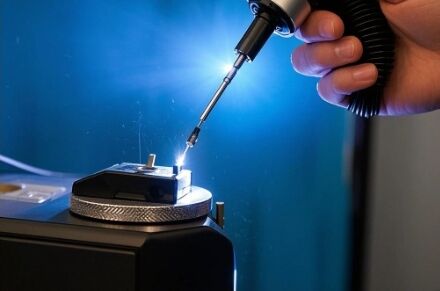
The Evolution of Laser Cutting Machines in Tube and Pipe Processing
From CO2 to Fiber Laser: A Technological Leap in Pipe Laser Cutting Machines
Switching from CO2 to fiber lasers was kind of a game changer for what industries can do with metal cutting. For years, CO2 lasers ruled the roost in pipe processing right up until around 2013 or so. But nowadays fiber lasers are kicking things up a notch with about 30 percent speed boost and nearly half the power usage compared to old school models according to Industrial Laser Report numbers from last year. What really matters though is how these new systems handle tricky materials. Aluminum and copper used to be nightmare scenarios for CO2 setups because they'd cause all sorts of instability issues during cuts. The latest generation of fiber laser pipe cutters maintains beam quality at around 98% consistency level which means manufacturers aren't just getting cleaner cuts but also much better control over complicated tube shapes down to within 0.2mm accuracy margins most of the time.
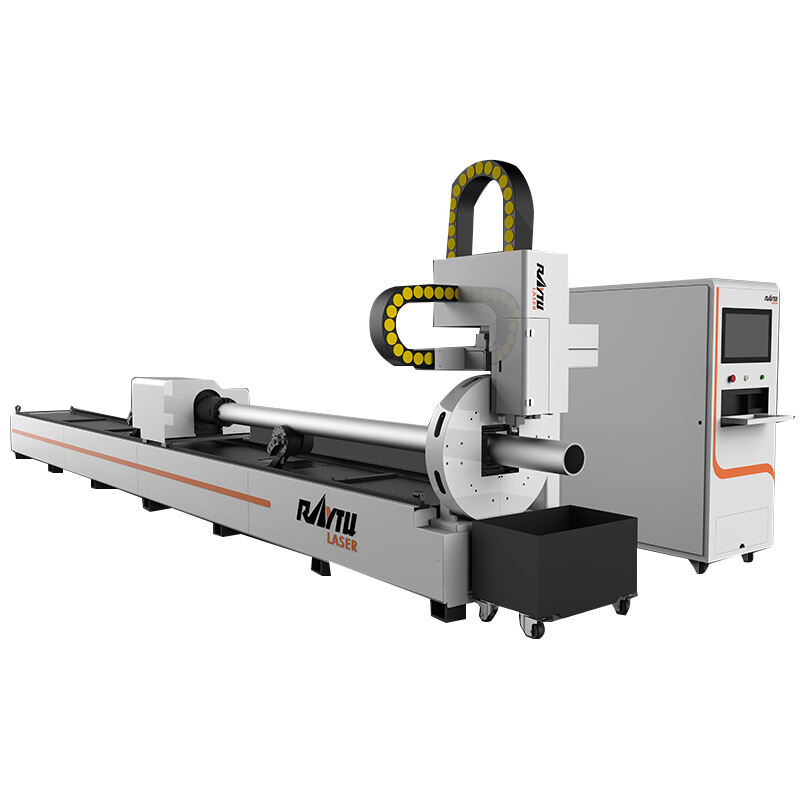
Key Milestones in Laser Cutting Machine for Metal Advancement
- 2015: First 10 kW fiber laser systems enter commercial production
- 2018: AI-assisted collision prevention systems reduce machine downtime by 62%
- 2021: 3D laser cutting heads enable simultaneous multi-axis pipe processing
- 2024: Hybrid laser/plasma systems cut 80 mm thick carbon steel at 1.2 m/min
These innovations transformed laser cutting machines from niche tools to mainstream manufacturing assets, with global adoption rates growing 19% annually since 2020.
Impact of Increased Power and Speed on Industrial Productivity
Fiber lasers have seen a massive jump in power output over the past decade, going from around 4 kW systems back in 2015 to impressive 20 kW models today. This kind of power boost has really cut down on cutting time for stainless steel pipes, reducing it by nearly three quarters according to industry reports. When paired with automated material handling systems, today's laser cutting machines for metal work at about 92% efficiency rates, which is almost 30% better than what older equipment could manage. The combination of higher power and faster speeds means factories can crank out over 150 pipe parts every single hour without sacrificing quality. These machines maintain tight tolerances of plus or minus 0.1 mm, so the end result looks just as good as traditional methods but gets done twice as fast.
Ultra-High Power Fiber Lasers and Precision Cutting Performance
Ultra-High Power Fiber Lasers in Tube and Pipe Cutting: Capabilities and Benefits
The latest generation of ultra high power fiber lasers ranging from 6 to 12 kW can cut materials almost 40% faster than previous versions while still keeping within tight tolerances of plus or minus 0.1 mm. This makes them capable of handling materials as thick as 30 mm without compromising quality. What really sets these systems apart is their reliability. Industrial facilities report around 99% uptime because they're built with solid state components rather than relying on the gas consumables that traditional CO2 lasers need. Recent research published in 2024 showed some impressive results too. When tested on 1 inch carbon steel pipes, the 12 kW models managed cutting speeds of 40 inches per minute with just 0.8 mm kerf width. That translates to roughly 30% less material waste when compared to standard plasma cutting methods, which is a big deal for manufacturers looking to cut costs and reduce scrap.
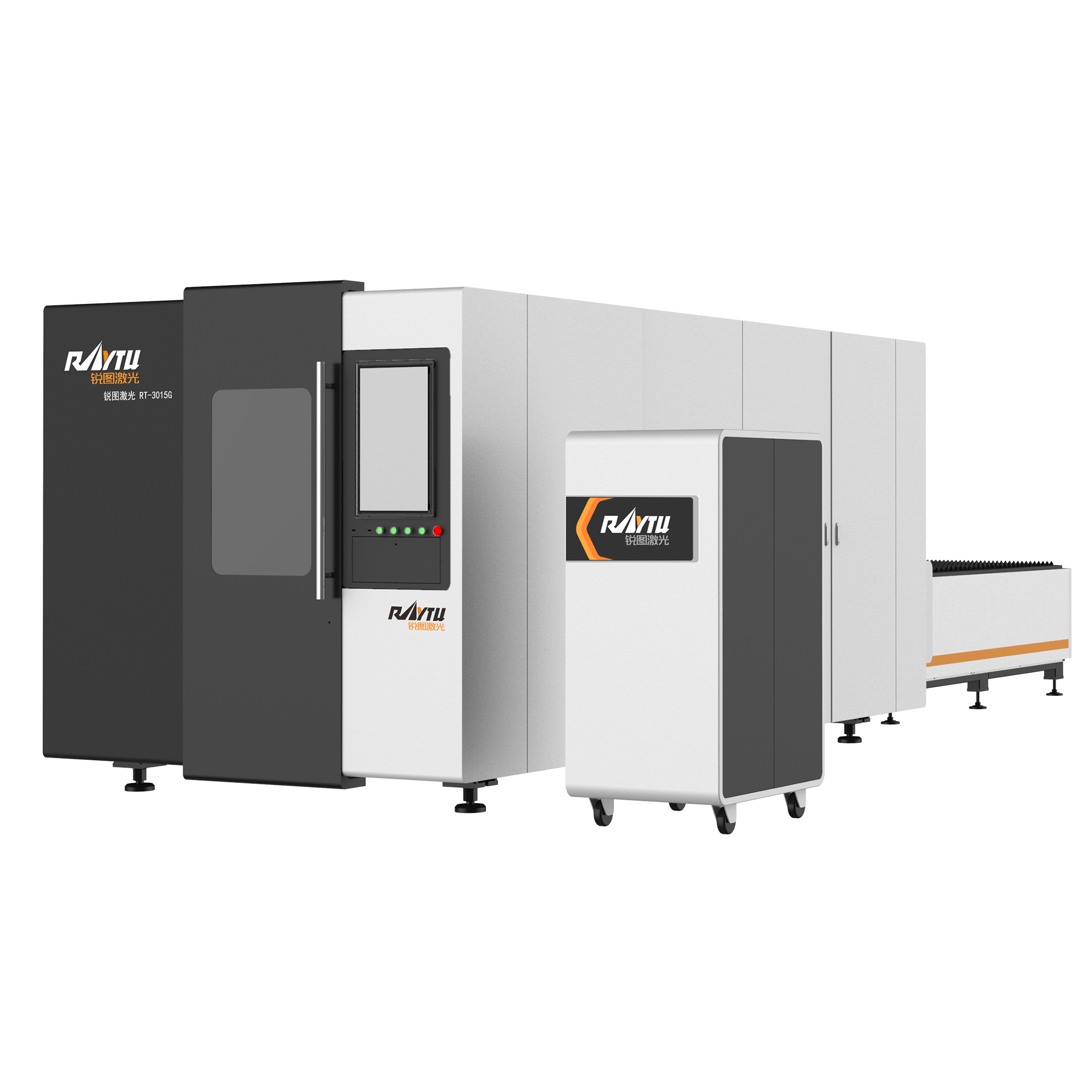
Fiber Laser vs CO2 Laser for Pipe Cutting: Performance Comparison
Fiber lasers outperform CO₂ systems in critical metrics:
| Parameter | Fiber Laser (6 kW) | CO₂ Laser (4 kW) |
|---|---|---|
| Cutting Speed (1/4" SS) | 450 IPM | 120 IPM |
| Energy Efficiency | 35% | 12% |
| Maintenance Interval | 20,000 hours | 8,000 hours |
The 2023 Industrial Laser Report shows fiber lasers reduce operating costs by $42/hour through lower power consumption and reduced assist gas requirements.
Achieving ±0.1 mm Accuracy in Pipe Laser Cutting Machine Operations
Advanced linear motor drives and real-time temperature compensation achieve positional accuracy rivaling CNC machining centers. Integrated vision systems automatically adjust for material surface variances up to ±1.5 mm, ensuring consistent cut quality across batch productions.
Cutting Thick-Walled Pipes with Precision Using Modern Laser Technology
High-brightness fiber lasers maintain 1.2 m/min cutting speeds on 30 mm stainless steel pipes while achieving <0.5° angular deviation on bevel cuts. This enables single-pass processing of heavy-wall pipes previously requiring multiple machining operations.
Minimizing Material Waste Through High-Accuracy Cuts
Nesting optimization algorithms combined with 50 µm repeatability reduce raw material consumption by 22% in tube processing applications. The narrow 0.3–0.8 mm kerf widths characteristic of fiber lasers preserve valuable materials in high-cost alloys like Inconel and titanium.
Automation, AI, and Industry 4.0 Integration in Laser Cutting Systems
AI-Driven Optimization of Cutting Paths for Maximum Efficiency
Today's laser cutting equipment uses artificial intelligence to read blueprints and understand what kind of materials are being worked on, then creates the best possible cutting routes all by itself. These smart systems can cut down on processing time as much as 25 percent and also help keep waste to a minimum thanks to clever nesting methods that fit pieces together like puzzle parts. The software running these machines constantly tweaks the power levels depending on how thick different sections of metal are, so cuts stay clean and accurate whether working with stainless steel, aluminum sheets, or even tough titanium tubing. With such smart route planning, manufacturers can now handle intricate shapes with pinpoint precision around 0.2 millimeters, which means products come off the line quicker and factories actually save money on their electricity bills too.
Integration with CAD/CAM Software Enables Seamless Design-to-Cut Workflow
Modern laser cutting systems work seamlessly with CAD/CAM software, which cuts down on all that tedious manual programming most shops used to deal with. When working on complex 3D tube designs, these machines can go from computer model to actual cut pieces in around 15 minutes flat. Back in the day, setting up something similar would take four hours or more. The onboard software does all the heavy lifting by turning those vector drawings into proper machine code, plus it spots where parts might crash during complicated multi-axis cuts before they happen. And let's not forget the real-time simulators that slash wasted test runs by almost 90%. For industries like aerospace where getting it right the first time matters (especially when dealing with expensive titanium), this kind of precision saves both time and money in the long run.
Real-Time Process Monitoring via IoT and Industry 4.0 Technologies
Modern laser cutting machines that work with Industry 4.0 standards actually have all sorts of connected IoT sensors tracking over 15 different operational factors at once. Things like how hot the nozzle gets, what pressure the gas is running at, and whether the laser beam stays properly aligned are all being monitored constantly. These cloud based systems look at real time data next to past performance records, and will automatically adjust themselves if there's any cutting deviation bigger than plus or minus 0.15 mm. Some research from last year found that factories using this kind of monitoring saw their first pass success rate jump from around 82% with old school equipment up to nearly 98.7% for making parts like car exhausts. And let's not forget about all those saved hours too. With continuous data flowing in, technicians can troubleshoot problems remotely now, which cuts down on downtime during shift changes by about two thirds according to industry reports.
Predictive Maintenance Enabled by AI and IoT Integration in Laser Cutting
When we look at how machines vibrate, track their energy usage over time, and watch for signs that optical parts are wearing down, artificial intelligence can actually spot problems with laser cutters way before they break down – sometimes as much as 200 hours ahead of schedule. Automotive manufacturing facilities have started using this technology recently, and what they're finding is pretty impressive: around 40 percent fewer unexpected shutdowns because workers get warnings when something needs attention. The smart systems behind all this check against thousands upon thousands of past repair cases (over 12,000 in fact) to figure out which parts should be replaced first. For shops doing lots of stainless steel work, this means those expensive cutting heads last about 30% longer than before. And let's not forget the bottom line benefits either. Factories report saving roughly $18,000 each year on maintenance costs per machine without sacrificing performance. Most importantly, these improvements keep production running smoothly at nearly 99.3% uptime even during critical times when medical implants need to be manufactured without interruption.
Material Versatility and Cross-Industry Applications of Laser Cutting Machines
Cutting of Various Materials: Stainless Steel, Aluminum, Carbon Steel, Titanium
Laser cutting machines today handle metals with amazing accuracy, working on stainless steel that can be as thick as 30 mm, various aluminum alloys used heavily in aerospace industries, standard carbon steel found throughout construction projects, and even titanium which is so popular for making medical implants. According to research published last year in material science journals, fiber lasers actually shrink those thin slices left behind after cutting by around 35 percent when compared to older techniques. That means better results especially when dealing with metals sensitive to heat damage. For factory owners looking to streamline operations, these machines make it possible to move from one type of metal to another pretty easily while still maintaining good quality cuts and keeping production speeds consistent across different jobs.
Customization and Design Flexibility in Complex Tube Geometries
Laser systems these days can cut all sorts of complex shapes into metal tubes, including those hexagonal patterns and weird curved lines we see so much of lately. The walls on these tubes can be pretty thick too, sometimes going up to around 25mm. When it comes to software, modern systems let engineers tweak the cutting settings in under ten minutes for custom jobs. This is super important for fields like architectural design where they need those one-of-a kind structural pieces that just won't work with standard manufacturing methods. Take XYZ Manufacturing as an example they saved roughly 40 percent on their prototype expenses after switching to AI driven cutting routes for pipes with strange shapes and angles.
Transforming Automotive Manufacturing with Automated Tube Laser Cutting
Many automotive factories have started using automated tube laser cutting for making things like exhaust systems, roll cages, and hydraulic lines these days. These machines can complete a cycle in less than 90 seconds, which is pretty impressive. One major electric vehicle company saw their production of chassis parts jump by around 60% when they switched to 6 kW fiber lasers. These systems work on different materials too - they handle 2mm aluminum tubes as well as thicker 8mm carbon steel brackets all on the same setup. This kind of versatility saves time and money while keeping quality consistent across various components.
Aerospace and Medical Applications Requiring High-Precision Laser Cuts
The aerospace sector relies on ±0.1 mm laser-cut titanium fuel lines and composite airframe brackets, while medical device makers use ultrafast lasers to create stents with 50 µm precision. An aerospace manufacturing report noted 92% of aircraft hydraulic components now use laser-cut titanium alloys, reducing assembly errors by 27% compared to CNC-machined parts.
Construction and Energy Sector Adoption of Robust Pipe Laser Solutions
Steel pipes with thick walls (some as big as 300 mm across) used in offshore oil platforms and nuclear containment structures are being cut these days using 12 kW lasers that maintain nearly perfect straightness - about 98% tolerance rates according to industry specs. Looking at market trends, the energy infrastructure sector has experienced significant growth in adopting this laser cutting technology. MarketsandMarkets reported around 19% compound annual growth rate between 2020 and 2023. This surge makes sense when considering the requirements for welding in high pressure settings where alignment gaps need to stay below half a millimeter for safety and efficiency reasons.
FAQs about Laser Cutting Machines
What is the main advantage of switching from CO2 to fiber lasers?
The main advantages are increased cutting speed, reduced power consumption, and better handling of tricky materials like aluminum and copper.
How have laser cutting machines improved productivity?
With increased power and speed, modern laser cutting machines produce parts more efficiently, with higher accuracy, and less waste, leading to greater overall productivity in industrial settings.
Why are fiber lasers more reliable than CO2 lasers?
Fiber lasers use solid-state components and avoid reliance on gas consumables required by CO2 lasers, resulting in higher reliability and lower maintenance needs.
What industries benefit most from fiber laser technology?
Aerospace, automotive, medical, construction, and energy sectors benefit significantly from fiber laser technology due to its precision, speed, and material versatility.
How do AI and IoT enhance laser cutting machines?
AI optimizes cutting paths and predictive maintenance, while IoT enables real-time monitoring and adjustments, leading to higher efficiency and reduced downtime.
Table of Contents
- The Evolution of Laser Cutting Machines in Tube and Pipe Processing
-
Ultra-High Power Fiber Lasers and Precision Cutting Performance
- Ultra-High Power Fiber Lasers in Tube and Pipe Cutting: Capabilities and Benefits
- Fiber Laser vs CO2 Laser for Pipe Cutting: Performance Comparison
- Achieving ±0.1 mm Accuracy in Pipe Laser Cutting Machine Operations
- Cutting Thick-Walled Pipes with Precision Using Modern Laser Technology
- Minimizing Material Waste Through High-Accuracy Cuts
- Automation, AI, and Industry 4.0 Integration in Laser Cutting Systems
-
Material Versatility and Cross-Industry Applications of Laser Cutting Machines
- Cutting of Various Materials: Stainless Steel, Aluminum, Carbon Steel, Titanium
- Customization and Design Flexibility in Complex Tube Geometries
- Transforming Automotive Manufacturing with Automated Tube Laser Cutting
- Aerospace and Medical Applications Requiring High-Precision Laser Cuts
- Construction and Energy Sector Adoption of Robust Pipe Laser Solutions
- FAQs about Laser Cutting Machines