
 EN
EN
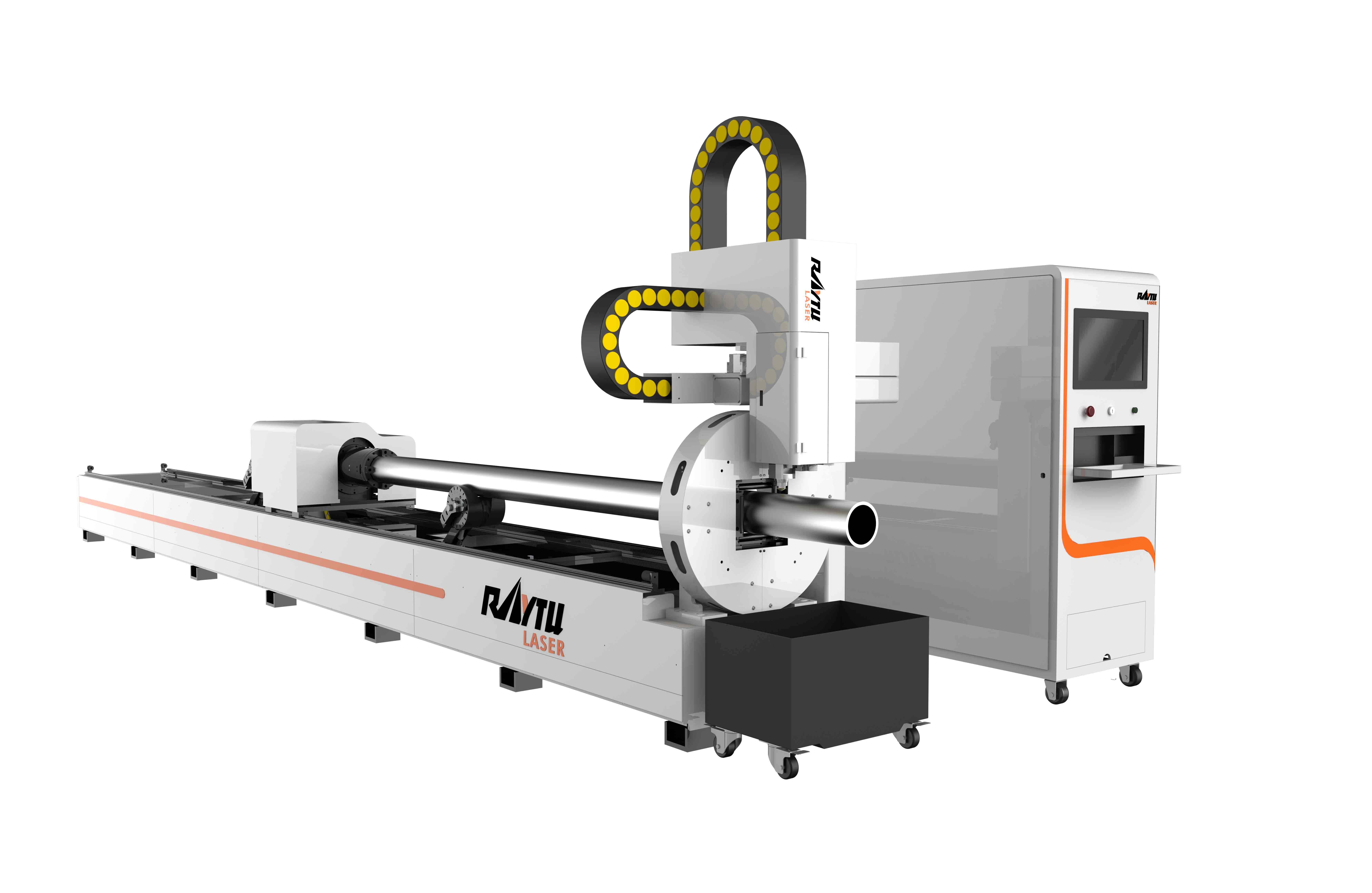
The Evolution of Pipe Laser Cutting Machines
The world of pipe laser cutting has changed a lot since the old days, representing a real turning point for manufacturing as a whole. Back when this stuff started, people mostly used their hands and basic mechanical tools to cut pipes, which had all sorts of problems. Cutting by hand took forever and wasn't very accurate at all. Workers would spend hours on end trying to get clean cuts, often ending up with scrap metal piling up because things just didn't line up right. The older techniques simply couldn't handle intricate shapes or patterns that modern industries now demand. As factories began producing more complicated parts, these traditional approaches became seriously outdated and inefficient.
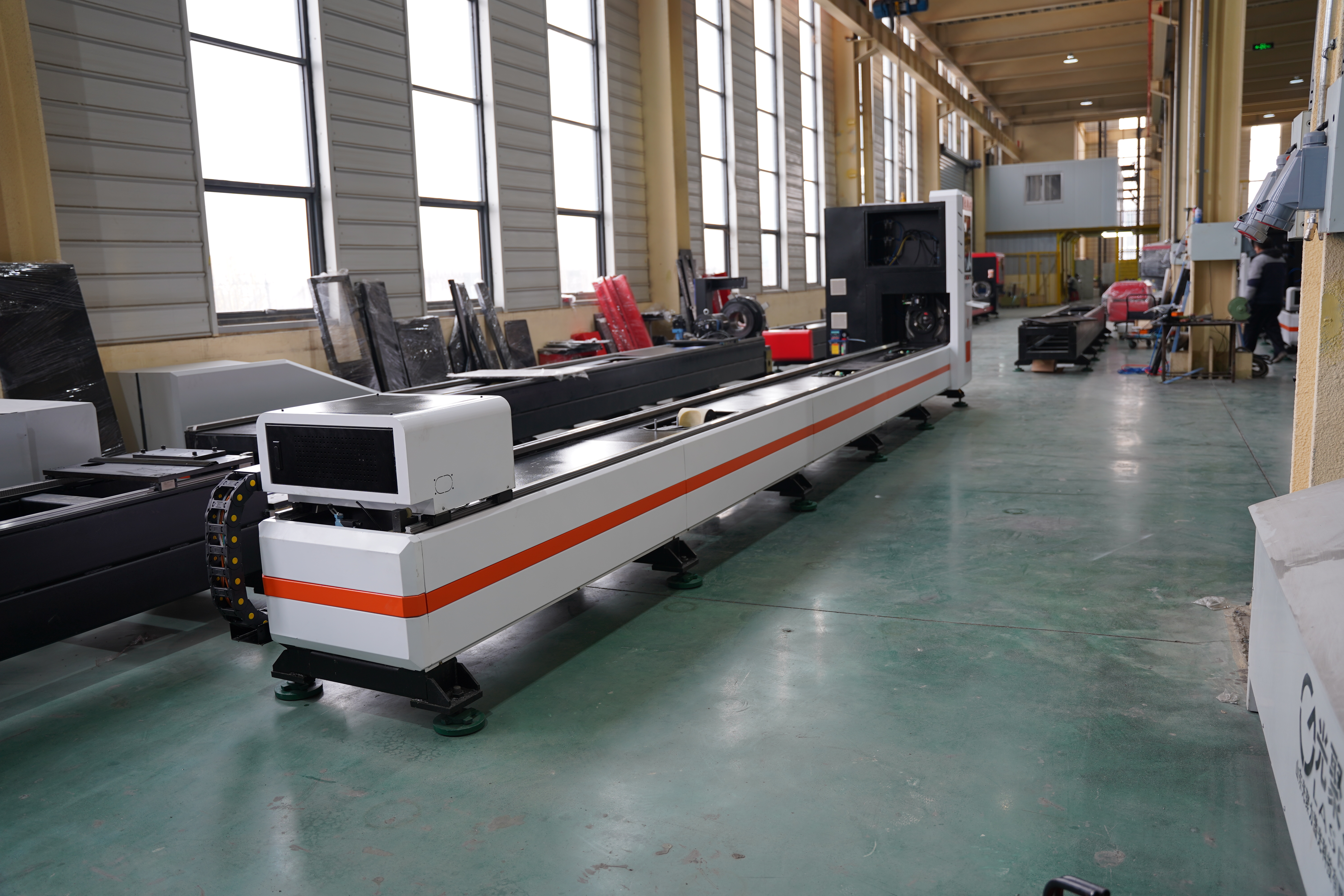
Laser cutting tech changed everything for manufacturers back in the day when it first came along, bringing levels of precision and efficiency that were just unheard of before. These machines work differently than old school tools they use concentrated laser beams to cut right through all sorts of materials with incredible accuracy. Less waste ends up on the floor and production speeds go way up as a result. Manufacturing moved away from those traditional approaches pretty quickly toward these newer methods, especially when working with metal parts or creating detailed designs that would have been impossible otherwise. What really made this tech stand out was how it could tackle complicated shapes and patterns that reshaped entire manufacturing sectors, making factories run better while also cutting costs over time.
The tech improvements we've seen lately have really taken these machines to another level, particularly with the arrival of fiber laser tech and those fancy computer numerical control systems (CNC for short). Fiber lasers just work way better than older models, giving us faster cuts and saving energy too, which matters a lot when working with all sorts of metal materials. The CNC stuff is pretty game changing as well since it automates most of the cutting process. This means less guesswork for operators and much greater accuracy across the board. Setup times drop dramatically compared to what used to be standard practice. Because of these advances, pipe laser cutters aren't just nice to have anymore they're becoming must haves for shops serious about staying competitive in today's manufacturing landscape.
Looking at how fast the laser cutting market has grown really shows what kind of effect this technology is having. Take a look at the numbers: last year alone, the worldwide market for laser cutting machines hit around $57.4 billion, and experts say it's been growing at about 8.7% each year. What's interesting is that this momentum doesn't seem to be slowing down anytime soon. Industry forecasts suggest we might see the market reach nearly $132 billion by the end of the next decade. The fact that these figures keep climbing tells us something important - manufacturers across all sorts of different sectors are increasingly turning to laser tech for their cutting needs. From automotive shops to aerospace facilities, companies are finding that lasers offer precision and efficiency that traditional methods just can't match.
How Pipe Laser Cutting Machines Work
The Science Behind Laser Cutting
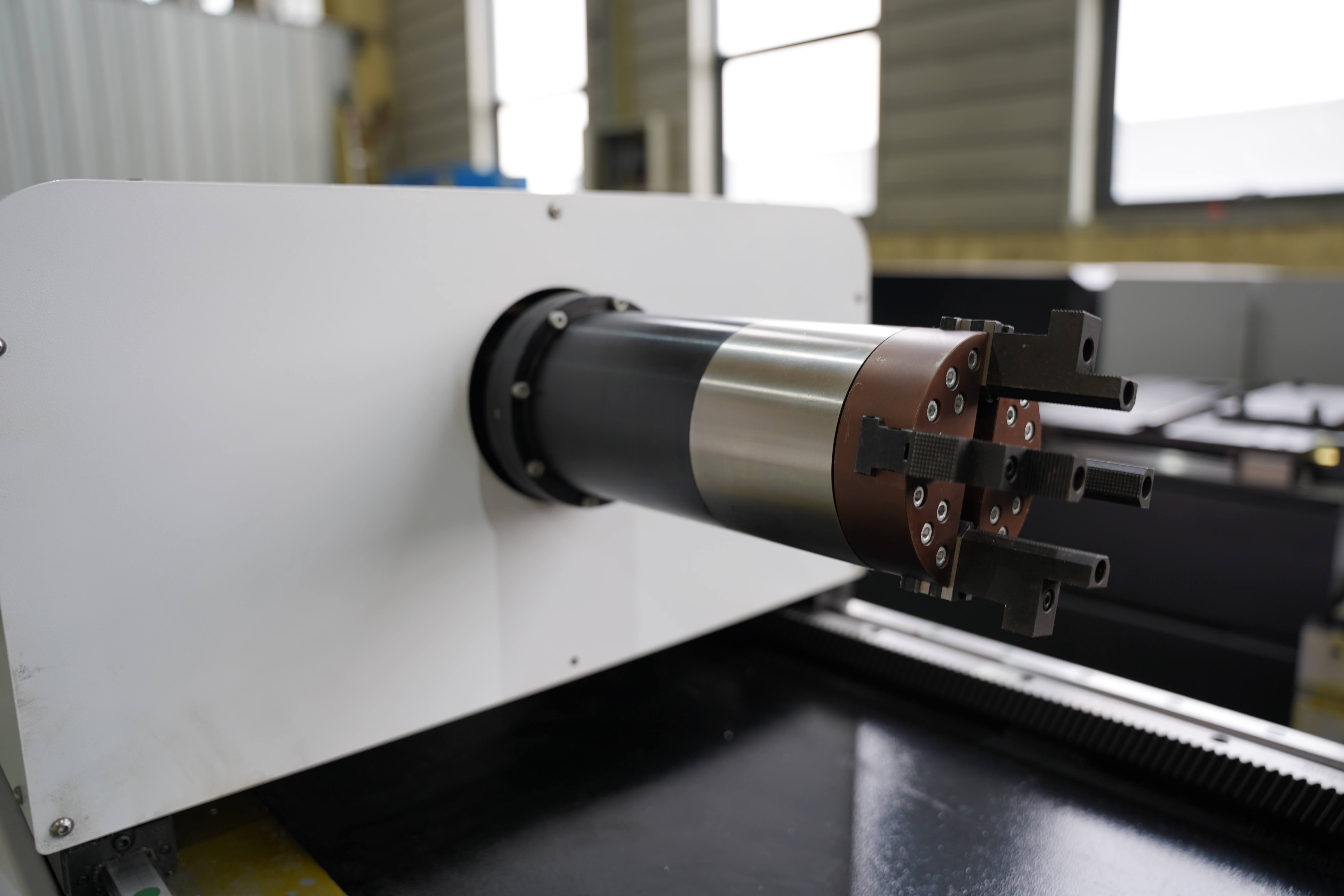
Laser cutting machines for pipes work based on laser tech fundamentals, basically using a concentrated light beam to slice through various materials with pretty impressive accuracy. The process works by melting, burning away, or even vaporizing material sections, which allows for clean cuts that generate very little waste compared to traditional methods. When it comes to different laser types, wavelength matters a lot for cutting results. Take CO2 lasers for example these are great at handling thicker materials and commonly found in manufacturing settings where deeper cuts are needed. On the other side of things, fiber lasers tend to shine when working on detailed patterns and especially good for cutting metals with fine detail. Many workshops actually keep both kinds around depending on what job needs doing. Diagrams really help show off how all this works in practice too, making it easier to see why these machines stay so popular despite higher initial costs because they maintain cutting precision without sacrificing speed in most operations.
Components of a Modern Laser Cutting Machine
Modern laser cutting machines come with several key parts working together to get the job done right. At the heart we find the laser itself which creates the beam, then there's the lens that focuses everything down to a pinpoint, followed by the cutting head that actually guides this intense energy onto whatever material needs slicing. Good cooling systems matter a lot too because they keep things from getting too hot and wearing out faster than expected. Most setups now have automated features that let them run nonstop without someone standing around watching every move. The brains behind all this usually sit in the control panel where CNC software handles path planning and keeps cuts super accurate across different projects. Operators can tweak settings based on what kind of metal they're working with or how detailed the design requires, so the final products turn out exactly as needed while keeping production moving at top speed. That's why shops across the metal fabrication world rely heavily on these high tech tools day after day.
Benefits of Using Laser Cutting Machines for Pipes
Precision and Accuracy
Laser cutting machines provide unparalleled precision and accuracy, achieving tolerances much tighter than traditional cutting methods. The focused laser beams allow intricate and detailed cuts, minimizing waste and improving product quality. This precision is crucial in industries like aerospace and automotive, where components must meet exact specifications.
Increased Efficiency and Speed
Laser cutting cuts down on production time because it works much quicker than old school cutting methods. Some research out there shows that these laser machines can slice through specific materials about 20 times faster compared to what was used before. The real game changer though is automation, especially when companies are running big operations. When everything gets automated, there's no need for all those tedious manual setups anymore, and the whole workflow just runs smoother from start to finish. Factories love this since downtime goes way down and they can crank out products at a much better pace.
Versatility Across Materials
Laser cutting machines come in really handy because they cut through all sorts of stuff - think metals, plastics even wood sometimes. What makes them so good at their job? Well, recent tech improvements let operators tackle complicated shapes that used to be impossible or super time consuming. Take the electronics industry for instance, where precision matters a lot when making circuit boards. Construction companies also love these machines since they work just as well on delicate sheet metal as they do on thick steel pipes. The ability to switch between different materials without changing equipment saves both time and money across multiple sectors.
Applications of Pipe Laser Cutting Machines
Industrial Manufacturing
Laser cutting machines for pipes play a really important role in modern manufacturing, especially when making those complicated parts that just can't be done any other way. What makes them stand out is their ability to cut with extreme accuracy, something manufacturers need when working on components where even small errors matter a lot. Fabrication shops and construction companies depend on this technology day in and day out. Take steel pipe cutting for instance. Before these machines became common, workers had to do most cuts manually or with less precise methods. Now, they can get clean, accurate cuts much faster, which means structural projects get completed quicker without compromising quality. The difference in production time alone has made a huge impact across the industry.
Automotive and Aerospace Industries
For automotive and aerospace industries where even tiny errors can spell disaster, laser cutting stands out as a must-have technology. These machines cut materials so cleanly and accurately that car manufacturers get better performing parts straight off the line. The aerospace sector, always walking a tightrope between weight savings and structural integrity, has really embraced advances in pipe laser cutting tech. Companies there need components that fit together perfectly without any room for error. Industry insiders will tell anyone who asks that when it comes to making parts for planes and spacecraft, nothing beats the pinpoint accuracy of lasers. After all, these aren't just regular parts we're talking about here they're literally holding lives together at 35,000 feet.
Construction and Infrastructure
Laser cutting machines have become pretty common across construction sites where precision matters most. They're especially handy for making custom pipes and slicing through structural parts needed for today's big building projects. When contractors use these specialized pipe cutting lasers, they get much better accuracy in their measurements. This makes a real difference in how strong and functional the finished structures turn out. Beyond just getting things right the first time, these machines actually cut down on wasted materials too. Less scrap means fewer trips back to the warehouse, saving both time and money in the long run while reducing those costly mistakes that happen when cuts aren't quite right.
Future Trends in Laser Cutting Technology
Automation and AI Integration
Adding artificial intelligence to laser cutting equipment is changing how efficient and flexible manufacturing processes can be. These smart systems learn from experience when working with various materials and complex shapes, which means they figure out better cutting routes and save time on jobs. What's really interesting though is what happens behind the scenes. Predictive maintenance tools now watch for signs something might go wrong before it actually breaks down. This lets technicians fix problems during regular maintenance windows instead of dealing with unexpected shutdowns that cost money and delay production schedules.
Sustainability in Laser Cutting
Green materials and methods are now playing a big role in today's laser cutting tech. We're seeing companies switch to things like lasers that use less power and materials that don't harm the environment so much. Some research from last year showed that newer laser systems actually cut down on electricity usage around 30% compared to older models. That kind of improvement shows manufacturers really care about going green these days. As more businesses look for ways to reduce their environmental impact, this trend toward eco-conscious laser cutting makes sense both for planet protection and long term cost savings.
Emerging Materials and Techniques
New materials coming onto the market are forcing changes in how we approach laser cutting methods to work better with them. When manufacturers start working with things like carbon fiber composites or titanium alloys these days, they need to adjust their lasers accordingly. That means tweaking power settings, beam focus, and other technical aspects so the cuts come out clean without damaging delicate surfaces. We've seen this play out across different sectors too. The aerospace industry relies heavily on precise cuts through exotic metals while car makers experiment with lighter weight materials that still maintain structural integrity. Getting those measurements right matters a lot because even small errors can lead to major problems down the line when parts don't fit together properly during assembly.