
 EN
EN
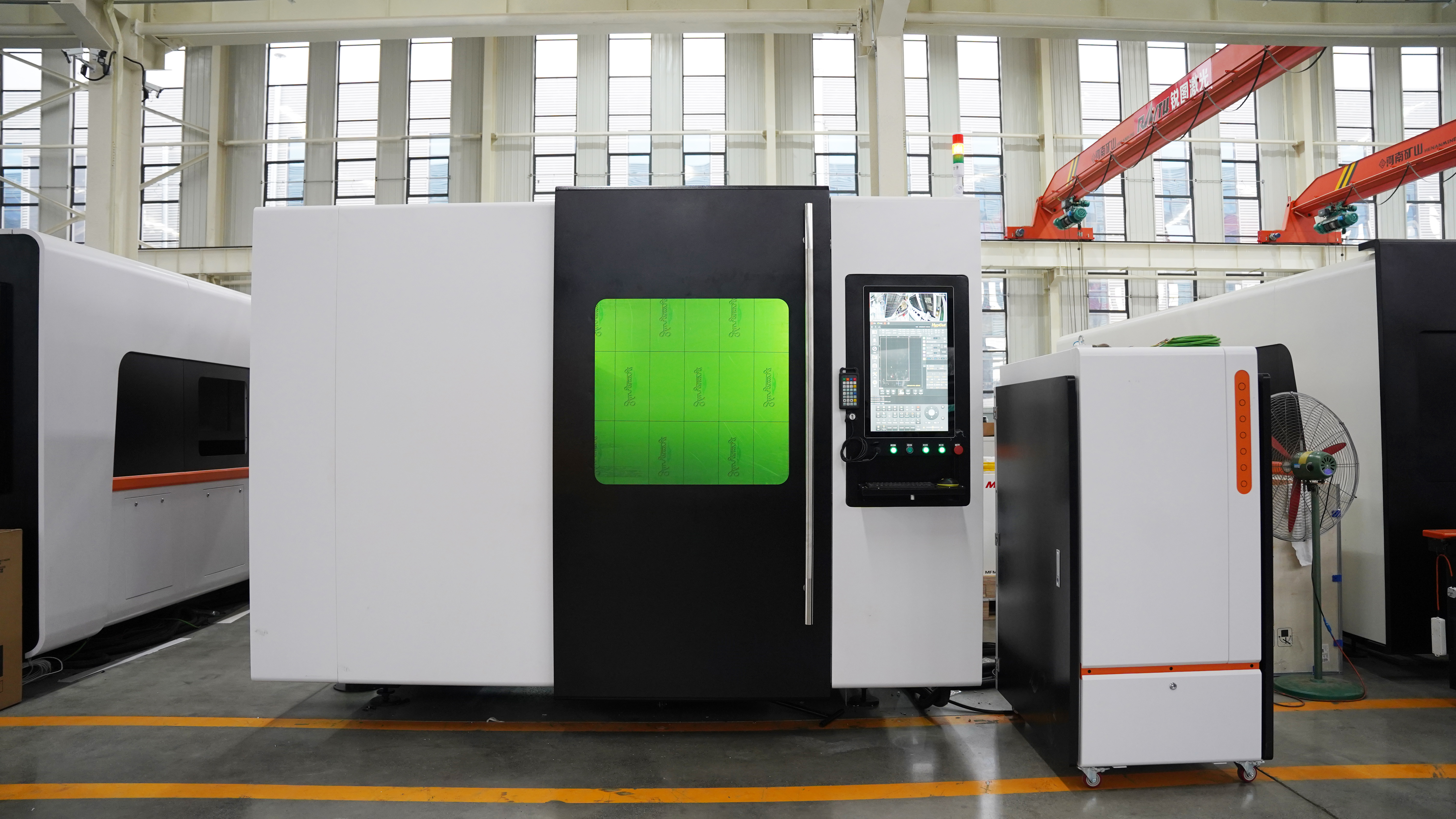
Energy Efficiency and Operational Cost Savings
Lower Power Consumption per Cut: Quantifying kWh Reduction
Fiber laser cutters actually use around 30 to 50 percent less power than plasma systems when working on similar materials because they focus the light so much better, which means less wasted heat. Take cutting quarter inch stainless steel for instance. Fiber lasers need roughly 2.5 kilowatt hours while plasma systems typically eat up about 4.1 kWh. That's somewhere around a 40% difference in energy usage. When factories run these machines nonstop across two shifts every day, the yearly electricity bill drops from over fifteen grand for plasma down to just nine thousand dollars with fiber technology. Plus, all that extra efficiency cuts carbon emissions too. Each machine running on fiber lasers produces about twelve hundred pounds less CO2 pollution each year compared to traditional plasma cutting methods.
Reduced Cooling and Compressed Air Requirements
Plasma systems rely on high-volume compressed air (100–140 psi) and water chillers for torch cooling, demanding auxiliary equipment that increases energy use and maintenance. These systems require dedicated compressors consuming 7–10 kW hourly, whereas fiber lasers operate efficiently with low-pressure assist gas (15–25 psi) and compact air-cooling units. This streamlined setup eliminates:
- Compressor maintenance costs (~$2,100/year)
- Chiller energy consumption (up to 3.5 kW/h)
- Water treatment and disposal expenses
As a result, fiber lasers reduce peripheral energy use by 60% and free up 30% more floor space, lowering infrastructure demands.
Maintenance-Driven Downtime Comparison: Fiber vs. Plasma
Most plasma systems sit idle around 15 to 20 hours each month because parts need replacing or fixing. Think about those expensive torch electrodes at $45 each and nozzles costing $22 apiece that get swapped out every week in factories. Fiber lasers tell a different story though. They work on solid state tech where the cutting head doesn't actually touch the material being cut, so there's nothing wearing down over time. Maintenance basically boils down to cleaning lenses once every three months for about 20 minutes total and doing an annual calibration check. The difference shows up pretty quickly too. Plants using fiber lasers see roughly 18 percent more productive time compared to plasma systems. And when it comes to money saved on upkeep, the numbers speak volumes. Plasma shops typically spend nearly $10k per year on maintenance while fiber laser users barely break $300 annually. That kind of cost savings makes a huge dent in overall operating expenses.
Consumables and Replacement Part Economics
Plasma Torch Electrodes, Nozzles, and Shields: Recurring Expense Cycle
The cost of plasma cutting doesn't stop at the initial purchase price because parts like electrodes, nozzles, and shields wear out fast when running at higher amperages. Most shops find themselves replacing these components every 4 to 8 hours depending on usage intensity. All this constant replacement leads to regular buying trips, headaches managing stock levels, plus extra money spent dealing with shipping wait times and proper storage solutions. What many operators don't realize upfront is how these day-to-day maintenance expenses actually push the overall cost way past what they paid for the equipment itself in the first place.
Fiber Laser’s Solid-State Design: No Wear-Prone Disposables
Fiber lasers basically get rid of those throw away parts because they're built using solid state technology. Since there's nothing touching during the cutting process, important parts like the actual laser and optical components don't get worn down much at all. Most of what needs doing for regular maintenance is just cleaning lenses now and then. This cuts down on money spent over time quite a bit too something like maybe 60 to 75 percent less than what plasma systems cost in the long run. And not having to keep replacing parts all the time makes managing inventory so much easier for companies, plus it saves headaches when dealing with paperwork and administration stuff.
Labor and Secondary Process Cost Avoidance
Reduced Post-Processing Needs Due to Superior Edge Quality
Fiber lasers create edges that are almost polished smooth with very little dross or burrs left behind, which means there's much less need for those extra finishing steps. Plasma cutting tells a different story though. The edges it produces tend to be pretty rough, so fabricators end up spending extra time and money grinding them down or removing those annoying burrs. Shops that have switched to fiber lasers often see their post processing time drop somewhere between 30% and 50%, particularly when working with thinner or medium thickness materials. This translates into quicker turnaround times overall and saves money on labor costs in the long run.
Fewer Operator Interventions and Skill-Level Requirements
Fiber laser systems come packed with automation features where digital controls take care of things like torch height adjustment, kerf width control, and maintaining process stability during cuts. These are exactly the kinds of tasks that keep operators busy all day long when working with plasma cutters. The level of automation means a single worker can handle two or even three fiber lasers at once. Plasma cutting equipment usually needs someone專門盯著那些易損件更換和電弧監控的事情. Because these machines don't require such specialized skills, companies save money on training programs and overall labor expenses. That makes fiber lasers especially good for shops dealing with lots of different materials and job types where flexibility matters most.
Precision-Driven Material Yield Optimization
Narrower Kerf Widths Preserve More Usable Material
The kerf width produced by fiber lasers sits around 0.1 to 0.3mm, whereas plasma cutting typically leaves behind cuts measuring between 1.5 and 3mm wide. What this means for manufacturers is significantly less material gets vaporized during the process. We're talking about reductions in vaporization rates somewhere between 25% and 40%, which actually preserves quite a bit more usable metal from each sheet being worked on. When dealing with expensive materials such as stainless steel or titanium, these differences really start adding up. Take a standard sheet priced at around $15,000 for instance. If there's a roughly 20% decrease in what gets lost through the kerf, that equates to recovering about three grand worth of material that would otherwise be wasted. For companies working with costly metals, this kind of efficiency makes all the difference in their bottom line.
Tighter Tolerances Reduce Scrap Rates in High-Mix Production
Fiber lasers have positioning accuracy around ±0.05mm, which is much better than plasma cutting at about ±0.3mm. This means they can make cuts so close to the final shape that there's just not as much scrap material left over. When components get less heat affected and maintain tighter dimensions, factories actually see somewhere between 25-30% less waste going through their assembly lines, particularly when putting together complicated products where small measurement mistakes really add up. Plus, this level of exactness opens doors for smarter part arrangement techniques on metal sheets. Manufacturers report getting roughly 10 to maybe even 15 percent more usable pieces out of each sheet during those tricky production batches with lots of different part sizes.
Total Cost of Ownership (TCO) Analysis Over 5 Years
Looking at total cost of ownership over five years shows that fiber laser cutters actually save money in the long run even though they cost more upfront. Fiber lasers usually come with a price tag about 20 to 40 percent higher than plasma systems when purchased new. But what people often overlook is how much money gets saved later on electricity bills, fewer repairs needed, less downtime for maintenance, and better material utilization rates. Most shops find themselves breaking even within just one to three years after making the switch. For cutting materials of moderate thickness, fiber lasers are now becoming standard equipment across many manufacturing facilities. Plasma still holds its ground in certain industrial settings where extremely thick metals need to be processed quickly without worrying about heat distortion issues.
Capital Cost Premium vs. Payback Timeline: Real-World ROI Benchmarks
While fiber laser systems typically set businesses back around $50k to $100k more initially compared to standard plasma cutters, most find they recoup this expense pretty quickly thanks to how much money these systems save during regular operation. The energy consumption drops by almost half per individual cut, there's hardly any time lost waiting for maintenance, and fewer workers are needed overall. For shops handling about 10 tons of metal each month, many have seen their costs drop significantly after just five years, sometimes saving well over $150,000 in total. These real world results show why despite the bigger initial outlay, lots of manufacturers still choose to invest in fiber lasers for their long term bottom line benefits.
Hidden Costs: Exhaust Systems, Shielding Gas, and Electrical Infrastructure
Plasma cutting generates toxic fumes and requires shielding gases like argon/hydrogen blends, leading to significant ancillary expenses:
- Annual shielding gas costs of $3,000–$8,000
- Industrial exhaust systems costing $5,000–$15,000 for installation and filtration
- Electrical upgrades (e.g., 3-phase power) exceeding $10,000
Fiber lasers eliminate the need for shielding gas, produce fewer emissions, and operate on standard electrical setups, reducing these hidden costs by 60–80%. Over five years, this translates to over $20,000 in savings, further enhancing TCO efficiency.
When Plasma Still Wins: Cost Efficiency in Thick-Section Cutting
When working with materials thicker than 25mm, plasma cutters tend to stay ahead on costs because they pierce faster and use less energy for each individual cut. Take shipbuilding for instance, where steel plates often range from 30 to 50mm thick. The total cost of ownership calculations show plasma systems can actually perform about 15 to maybe even 25 percent better over a five year period compared to other methods. So for those dealing with really thick materials, plasma remains the wallet-friendly option even though fiber lasers have taken over most markets for thinner stuff. The difference becomes pretty significant when looking at long term expenses rather than just initial purchase price.
FAQs
What are the main advantages of fiber lasers over plasma cutters?
Fiber lasers offer energy efficiency, reduced maintenance costs, better edge quality, negligible consumable expenses, and optimized material use due to precise cutting capabilities.
Why does fiber laser technology cost more upfront?
Fiber lasers generally require a higher initial investment due to their advanced technology, but the long-term savings outweigh the costs through better efficiency and lower operating expenses.
Is plasma cutting still preferable in certain situations?
Plasma cutting remains cost-effective for very thick materials over 25mm due to its faster piercing abilities and lower energy consumption for thick-section cuts.