
 EN
EN
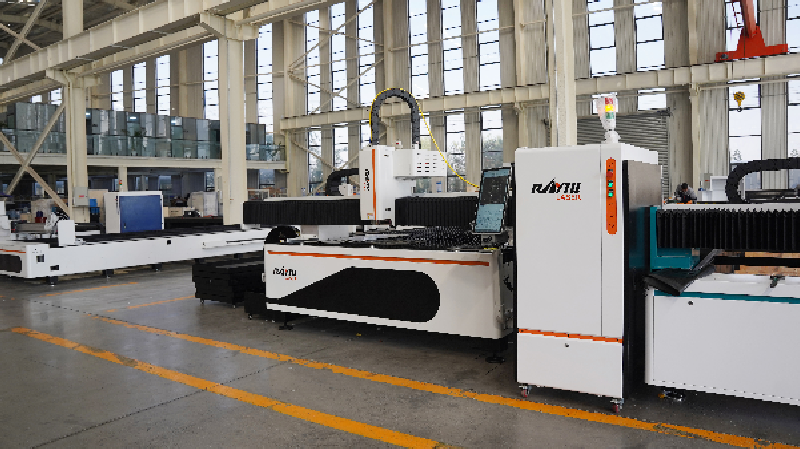
Understanding Laser-Specific Hazards and Safety Classifications
Laser Radiation Protection and Exposure Risks
Exposure to laser radiation poses serious risks for both eyes and skin, especially when dealing with Class 4 lasers. These high-powered devices can actually cause harm or even start fires almost instantly according to research from the Laser Institute of America back in 2023. Safety first is crucial here. Anyone working with these lasers needs to stick to ANSI Z136 guidelines. That means things like installing beam enclosures and setting up interlock systems properly. Looking at real world data, a recent industry report showed something alarming too. About 62 percent of all workshop accidents happened because workers didn't have enough protection while aligning optics. And don't forget what Texas officials are saying about this either. Their insurance department keeps emphasizing how critical good optic alignment really is. They also want people to know that limiting who gets into those danger areas around lasers helps cut down on unexpected exposures significantly.
Laser Safety Classes and Their Implications for Operation
Lasers are categorized from Class 1 (inherently safe) to Class 4 (high-risk), each requiring distinct safety protocols:
| Class | Power Output | Key Risks | Required Controls |
|---|---|---|---|
| 1-2 | <1 mW | Minimal | Basic training |
| 3R/3B | 1–500 mW | Eye injury | Eyewear, signage |
| 4 | >500 mW | Fire, burns | Interlocks, LSO oversight |
Class 4 systems demand continuous supervision and robust engineering safeguards like automatic shutoffs, as outlined in Akela Laser’s safety guidelines. Misclassifying a high-power system—such as treating a 200W fiber laser as Class 3B—can lead to missing critical fire suppression and containment measures.
Identifying Common Misconceptions About Laser Machine Hazards
Many people think those low power Class 3R lasers rated at 1 to 5 milliwatts are completely safe. But this isn't true. Looking at them for long periods, even just catching the light bouncing off surfaces, can actually hurt the eyes. A recent audit found that nearly half, around 41%, of workshops didn't recognize this risk back in 2024. There's another common mistake too. Not all materials behave the same when exposed to laser beams. Take PVC for instance. When cut with lasers it gives off chlorine gas which is pretty hazardous. And according to research from 2023, almost one third, specifically 28%, of workers didn't have access to charts showing what materials work well together with lasers.
Controversy Analysis: Are Class 4 Lasers Overregulated or Underprotected?
Manufacturers want to make it easier to comply with rules for Class 4 lasers while safety experts push for tighter controls. Some folks in the industry say all these regulations just slow things down and hurt productivity. But according to research from Johns Hopkins in 2023, nearly one third of burns related to Class 4 lasers happened at places where the safety locks weren't properly maintained or used. The numbers tell a story too - laser cutting machines are becoming more common across industries, growing at around 19% each year. So companies need to find that sweet spot between pushing forward with new tech and keeping workers safe from serious injuries.
Preventing Fire Hazards in Laser Cutting Operations
Why Fire Hazards Are a Leading Risk in Laser Cutting Machine Use
Laser cutters generate intense heat around 260 degrees Celsius or about 500 Fahrenheit, which can set fire to things like wood within seconds according to research published last year. When operators run these machines at maximum power or move them too slowly across materials, they create more heat than usual. What's worse, all those little bits left behind after cutting act just like dry leaves waiting to catch fire. Statistics show that roughly one third of all fires in workshops start because tiny burning particles get stuck inside air vents over time. That makes regular cleaning and proper safety protocols absolutely essential for anyone working with laser equipment.
Never Leave the Laser Cutter Unattended While in Operation: A Critical Rule
Having someone around constantly means problems like sparks, smoke, or equipment going haywire can be spotted right away. A recent look at industrial safety data from last year showed something pretty alarming actually. When machines ran without anyone watching, they accounted for roughly 7 out of 10 big fire accidents. These fires often started small but got completely out of hand because nobody noticed them in time. Fire extinguishers containing carbon dioxide should never be more than three meters away from work areas. And those emergency stop buttons? They need to stand out visually so workers can reach them quickly when needed, not buried behind boxes or machinery parts.
Avoid Cutting Materials With Unknown or Hazardous Properties, Such as PVC
Cutting polyvinyl chloride (PVC) produces chlorine gas, which forms corrosive hydrochloric acid when exposed to moisture. Even materials labeled “flame-retardant†may emit toxic fumes above 300°C. Always test unfamiliar substrates in small batches and consult manufacturer safety data sheets before full-scale processing.
Maintain a Clean and Clutter-Free Workshop to Prevent Fire Hazards
Daily removal of flammable waste—such as wood dust and acrylic offcuts—reduces ignition risk by 58%. Adopt a “clean-as-you-go†policy with these actions:
- Vacuum the cutting bed after every job
- Store unused materials in fire-rated cabinets
- Inspect exhaust ducts weekly for residue accumulation
Facilities with structured cleaning schedules report 40% fewer thermal events than those relying on ad-hoc maintenance.
Managing Fumes and Ensuring Proper Ventilation
Toxic Fumes Generated During Laser Cutting Processes
Laser cutting vaporizes materials into hazardous airborne contaminants. Acrylics release formaldehyde at approximately 0.8 ppm per kg processed, while metal cutting generates ultrafine particulates (<2.5 ¼m) associated with respiratory illness. A 2023 occupational health study linked 68% of workshop air quality violations to insufficient ventilation during laser operations.
Ventilate the Workspace Effectively to Reduce Airborne Contaminants
Effective ventilation requires three key strategies:
- Source-capture systems: Hoods or extraction nozzles placed within 15 cm of the cut zone capture up to 92% of fumes (airflow optimization studies).
- Room-wide ventilation: Maintain 10–15 air changes per hour in spaces under 500 sq ft.
- Pressure control: Use negative air pressure to contain fumes and prevent migration to adjacent areas.
Obstructed exhaust pathways reduce system efficiency by 40%, a factor highlighted in OSHA’s 2023 update to airborne contaminant limits.
Best Practices for Filtration Systems and Exhaust Management
HEPA filters capture 99.97% of particles â¥0.3 ¼m, while activated carbon layers neutralize volatile organic compounds (VOCs). Replace filters every 300–400 operating hours; neglecting this increases residual contamination by 55% within one month. Position exhaust outlets at least 3 meters above roof level to avoid re-entry through HVAC intakes.
Essential Personal Protective Equipment (PPE) for Operators
Use proper eye protection specific to laser wavelengths
When working with lasers, operators really should be wearing those ANSI Z136.1 goggles that have the right optical density rating for whatever wavelength they're dealing with. For example, CO2 lasers operating at around 10.6 microns typically need at least OD 7 protection. Fiber lasers at about 1 micron wavelength are different though - these babies actually require special dual spectrum coatings because they emit both infrared and visible light. According to research published by NIOSH last year, nearly two thirds of all laser related eye injuries happened because people were just grabbing whatever safety glasses were handy rather than getting the proper wavelength specific protection. Makes sense why this matters so much.
Selecting appropriate gloves, clothing, and respiratory protection
Choose flame-resistant PPE: treated leather gloves, non-melting synthetic fabrics, and aluminum-coated aprons that reflect up to 95% of IR radiation. For exposure to nanomaterials or metal fumes, use NIOSH-approved respirators with P100 filters combined with HEPA and activated carbon layers.
| PPE Category | Critical Features | Protection Limit |
|---|---|---|
| Laser-Safe Gloves | Heat resistance ⥠500°F | 5-second exposure threshold |
| Protective Aprons | Aluminumized outer layer | Reflects 95% IR radiation |
| Respirators | HEPA + activated carbon filters | 0.3¼m particle filtration |
OSHA's 2023 PPE guidelines recommend layered protection for Class 4 laser environments.
Common PPE mistakes and how to avoid them
- Reusing disposable respirators: Replace cartridges after 40 hours of use
- Neglecting UV protection: Use wraparound goggles for 355nm UV lasers
- Ill-fitting gear: Conduct annual fit tests—23% of filtration failures stem from poor seals (Journal of Occupational Safety, 2024)
Always combine PPE with engineering controls like fume extractors for maximum protection.
Comprehensive Safety Protocols: Maintenance, Training, and Emergency Preparedness
Pre-operational safety checks and routine maintenance schedules
Regular daily checks cut down on equipment breakdowns by around 63%, according to the Industrial Safety Journal from last year. At the start of every shift, workers should check if beams are properly aligned, make sure there's enough coolant in the system, and confirm that the ventilation is working correctly. For maintenance routines, it makes sense to clean those optics once a week and swap out air filters regularly. Every month, take some extra time to look closely at the motion systems and inspect all the electrical parts thoroughly. The majority of equipment makers recommend changing laser tubes somewhere between 8,000 to 10,000 operating hours just to keep everything running accurately and safely over time. This kind of proactive approach really pays off in both production quality and workplace safety.
Machine maintenance and staff training: Building a safety culture
Comprehensive training programs that integrate technical skills with hazard awareness reduce accidents by 47% (Workplace Safety Quarterly 2023). New operators should complete at least 40 hours of supervised practice, focusing on emergency stop locations and material compatibility verification. Facilities holding monthly debriefs on near-misses see 31% faster resolution of emerging hazards.
Interlock systems and emergency stop mechanisms
Modern laser cutters include triple-redundant interlocks that:
- Cut power when enclosures open
- Monitor internal temperature with thermal cutoffs
- Activate gas-based suppression upon detecting combustion
Test emergency stops weekly using simulated jam scenarios to ensure responsiveness.
Emergency procedures for fires and injuries
Develop laser-specific evacuation plans that account for gas cylinder storage and electrical panels. Conduct quarterly drills including:
- Deployment of COâ‚ fire extinguishers (water worsens metal fires)
- Burn treatment using hydrogel dressings
- Response to fume inhalation with emergency oxygen kits
Read user manuals and be informed about machine-specific safety requirements
Manufacturer manuals detail critical specifications such as UV laser curtain calibration or fiber laser cooling needs. Update documentation quarterly—78% of safety incidents involve operators using outdated manuals (Laser Tech Safety Report 2023).
FAQ Section
What are the risks associated with laser radiation exposure?
Laser radiation can cause serious injuries to the eyes and skin, particularly with high-powered Class 4 lasers. It can also result in fires if safety protocols are not observed.
How are lasers classified?
Lasers are classified from Class 1 (inherently safe) to Class 4 (high-risk), each class requiring different safety measures such as eyewear, signage, interlocks, and LSO oversight.
Why is it necessary to prevent fire hazards in laser cutting operations?
Laser cutters generate intense heat that can ignite materials, leading to fires, which is why regular cleaning and monitoring are essential.
How can fumes be managed during laser cutting?
Effective ventilation and filtration systems such as HEPA filters help manage and reduce airborne contaminants.
What PPE is recommended for laser operators?
Laser operators should use proper eye protection specific to laser wavelengths and select appropriate flame-resistant clothing, gloves, and respiratory protection.
How often should maintenance checks be performed on laser equipment?
Daily checks and routine maintenance schedules help minimize breakdowns. Regular inspections of beams, coolant levels, and ventilation systems are highly recommended.
Table of Contents
- Understanding Laser-Specific Hazards and Safety Classifications
- Preventing Fire Hazards in Laser Cutting Operations
- Managing Fumes and Ensuring Proper Ventilation
- Essential Personal Protective Equipment (PPE) for Operators
- Comprehensive Safety Protocols: Maintenance, Training, and Emergency Preparedness
-
FAQ Section
- What are the risks associated with laser radiation exposure?
- How are lasers classified?
- Why is it necessary to prevent fire hazards in laser cutting operations?
- How can fumes be managed during laser cutting?
- What PPE is recommended for laser operators?
- How often should maintenance checks be performed on laser equipment?