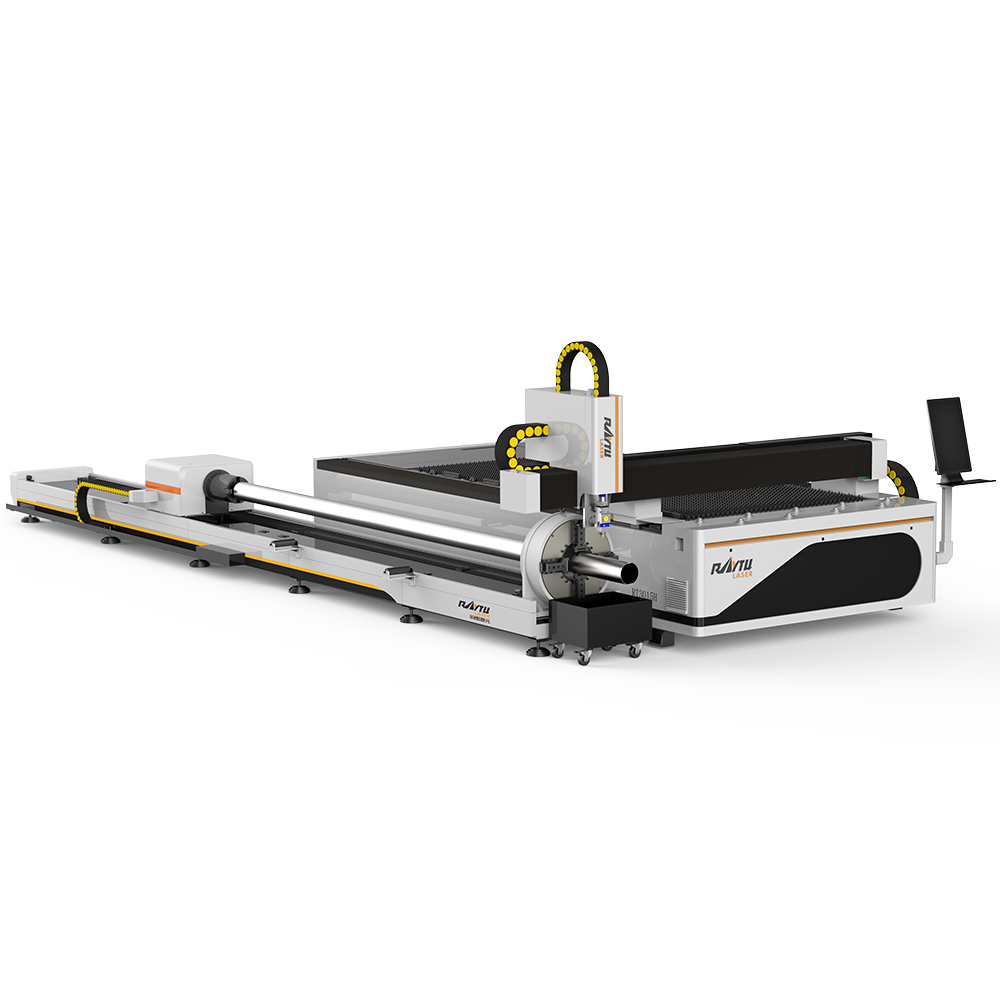
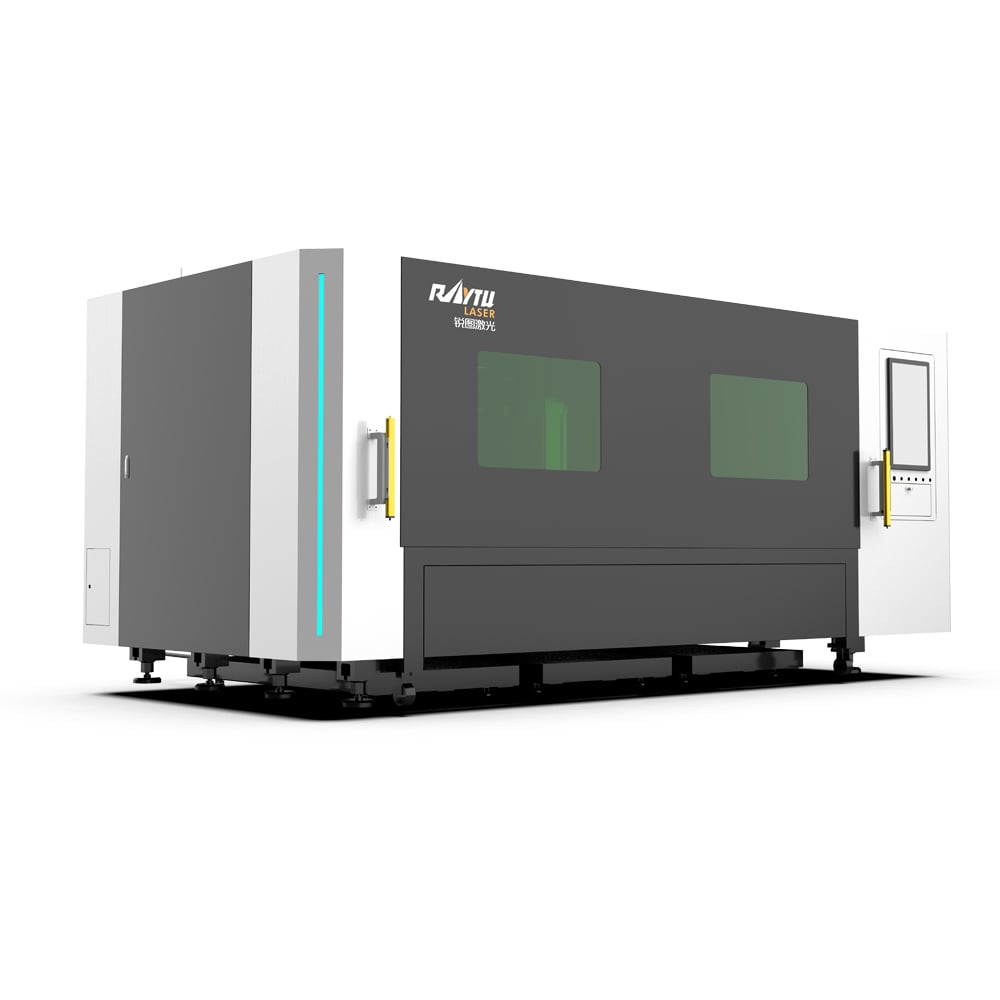
Cutting speed directly influences productivity, especially in high-volume manufacturing and fabrication environments. Faster cutting means more parts per hour, lower labor costs, and shorter lead times. While both laser and plasma cutting can handle demanding workloads, their speed profiles differ depending on material type, thickness, and system power. Understanding how each process performs under real-world conditions helps businesses align cutting capabilities with production goals.
Laser Cutting Speed
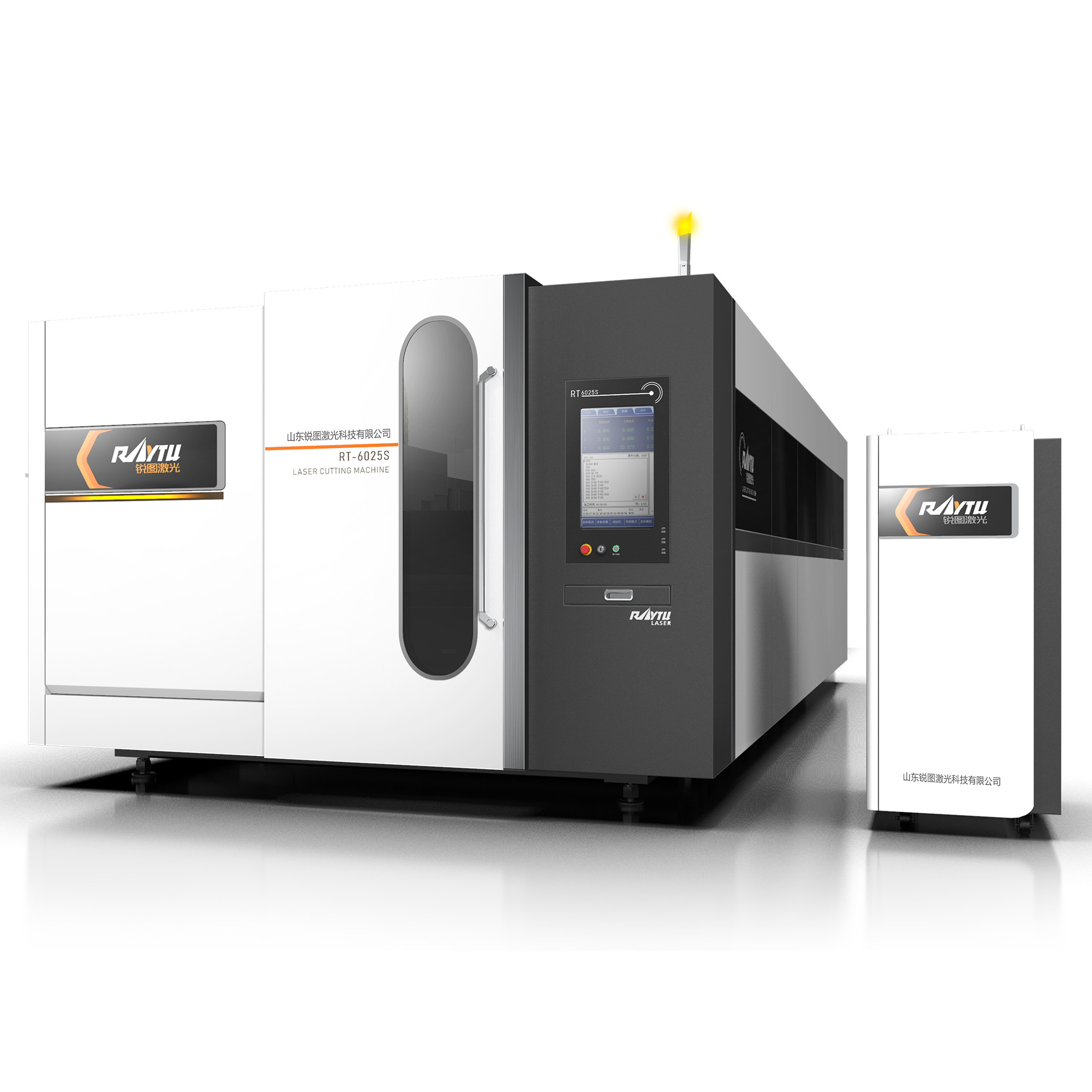
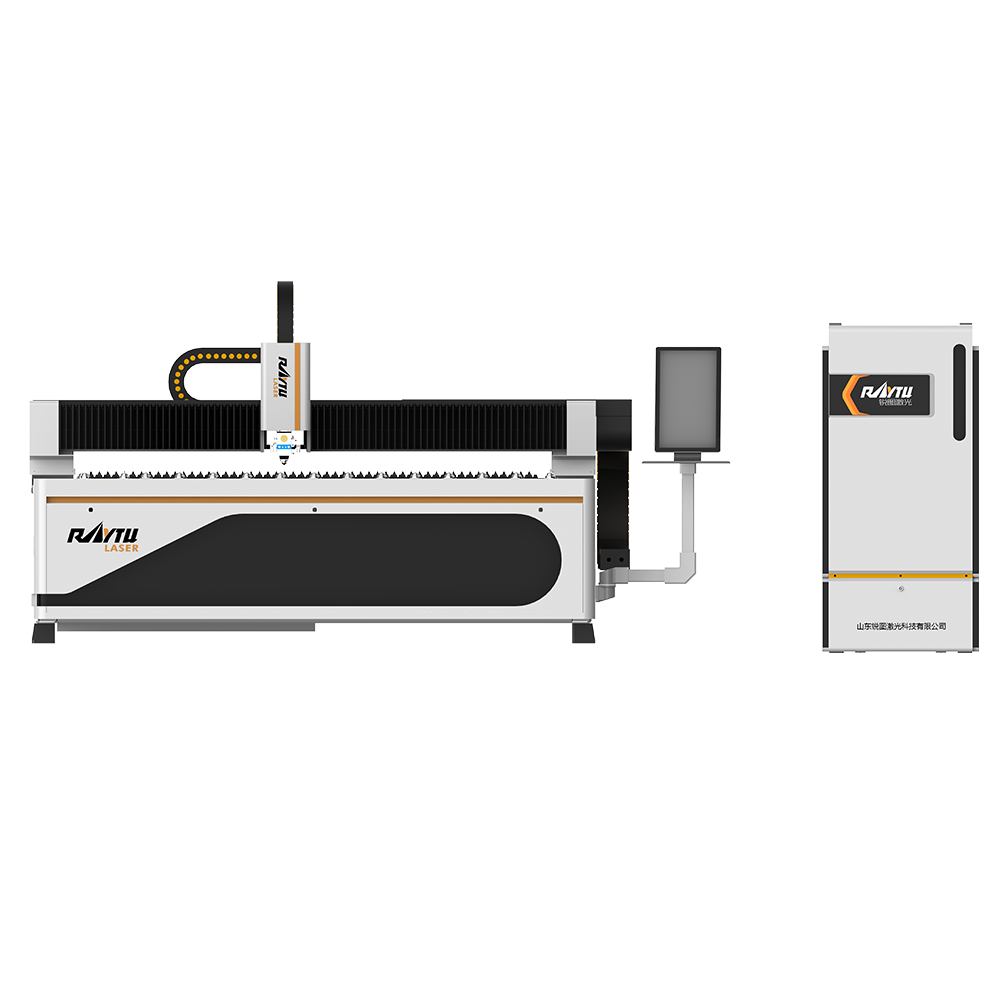
Laser cutting offers impressive speed on thin to medium-thickness materials, particularly when using fiber lasers on metals like stainless steel and aluminum. For sheets under 6 mm, lasers are often faster and more precise than plasma, especially when fine detail or intricate contours are required. However, as material thickness increases, laser speed drops significantly. Cutting thick steel (over 20 mm) with a laser becomes slower and more expensive due to the need for higher power and reduced feed rates to maintain cut quality.
Plasma Cutting Speed
Plasma cutting shines when speed is the priority for thicker materials. It can cut mild steel, stainless steel, and aluminum up to 50 mm thick much faster than lasers, especially on straight lines and large parts. Modern high-definition (HD) plasma systems have further improved cut quality while maintaining high throughput. For heavy-duty applications like construction, shipbuilding, or structural steel, plasma often outpaces lasers in both raw speed and material removal rate.
Laser cutting is the top performer for speed and precision on thin materials, especially in automated, detail-driven environments. Plasma cutting delivers superior cutting speed and productivity for thicker metals and large-scale industrial applications. Choosing between the two often comes down to the specific job: use laser for fine, fast cuts on light materials; go with plasma when cutting heavy metal, fast is the name of the game.
Cost is a major factor in selecting between laser and plasma cutting systems—not just the upfront price, but the total cost of ownership over time. This includes capital expenditure (CapEx), consumables, energy use, maintenance, and ultimately, return on investment (ROI). While laser and plasma systems serve different market segments, understanding their cost structures helps fabricators make smart, long-term decisions based on budget, production volume, and application requirements.
Capital Expenditure (CapEx)
Laser cutting machines, especially fiber lasers, carry a significantly higher initial cost. A high-quality industrial laser system can range from $200,000 to over $1 million, depending on power, size, and automation features. In contrast, plasma cutting systems are much more affordable, with basic CNC plasma machines starting under $50,000 and even high-definition systems rarely exceeding $200,000. For small-to-mid-size shops, plasma offers a lower financial barrier to entry.
Consumables and Running Costs
Plasma systems use more consumables—such as electrodes, nozzles, and shielding caps—and these components wear out quickly. They also require more power and compressed air, which increases utility costs. Laser systems, while more energy-efficient (especially fiber lasers), still require assist gases and regular maintenance of optics and lenses. However, they tend to consume fewer replaceable parts over time. Overall, plasma has higher ongoing consumable costs, but lasers can become more expensive as power and gas demands increase with thicker materials.
Return on Investment (ROI)
ROI depends on usage. Laser cutting offers high precision and minimal post-processing, which can reduce secondary labor and material waste. This makes it a smart investment for operations with high volumes, tight tolerances, or complex designs. Plasma delivers faster ROI for shops focused on structural steel, heavy equipment, or thicker materials where speed and low CapEx matter more than fine detail. The payback period for plasma systems is usually shorter, while lasers often provide greater long-term value through automation and versatility.
Laser cutting involves higher upfront and infrastructure costs but pays off with lower maintenance, cleaner cuts, and high-precision capabilities that reduce rework and increase production efficiency. Plasma systems cost less to acquire and excel in high-speed, heavy-duty applications, but come with higher consumable use and less precise outputs. The better investment depends on your production mix: laser cutting for accuracy and automation, plasma cutting for rugged speed and lower CapEx.
 Hot News
2026-09-08
2025-09-11
2025-08-25
2025-08-04
RT Laser is a nationally recognized high-tech enterprise specializing in the research, development, production, and sales of laser equipment. Our core products include fiber laser cutting machines, handheld laser welding machines, and bending machines.
No.6-8, Binhe industrial park, Jiyang district, Jinan city, Shandong province, China.
Copyright © 2025 by RAYTU LASER Technology Co.,Ltd. Privacy Policy
 EN
EN