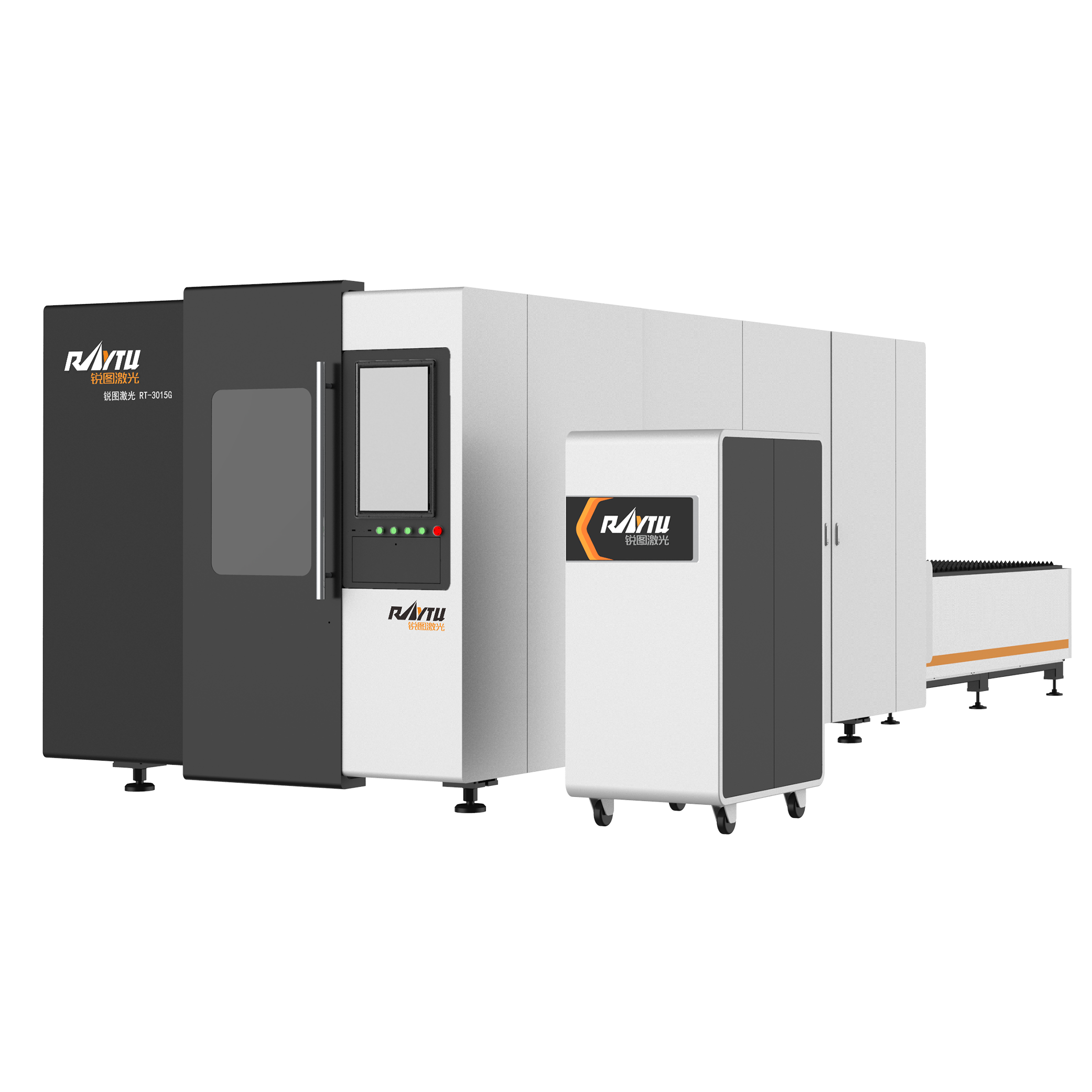
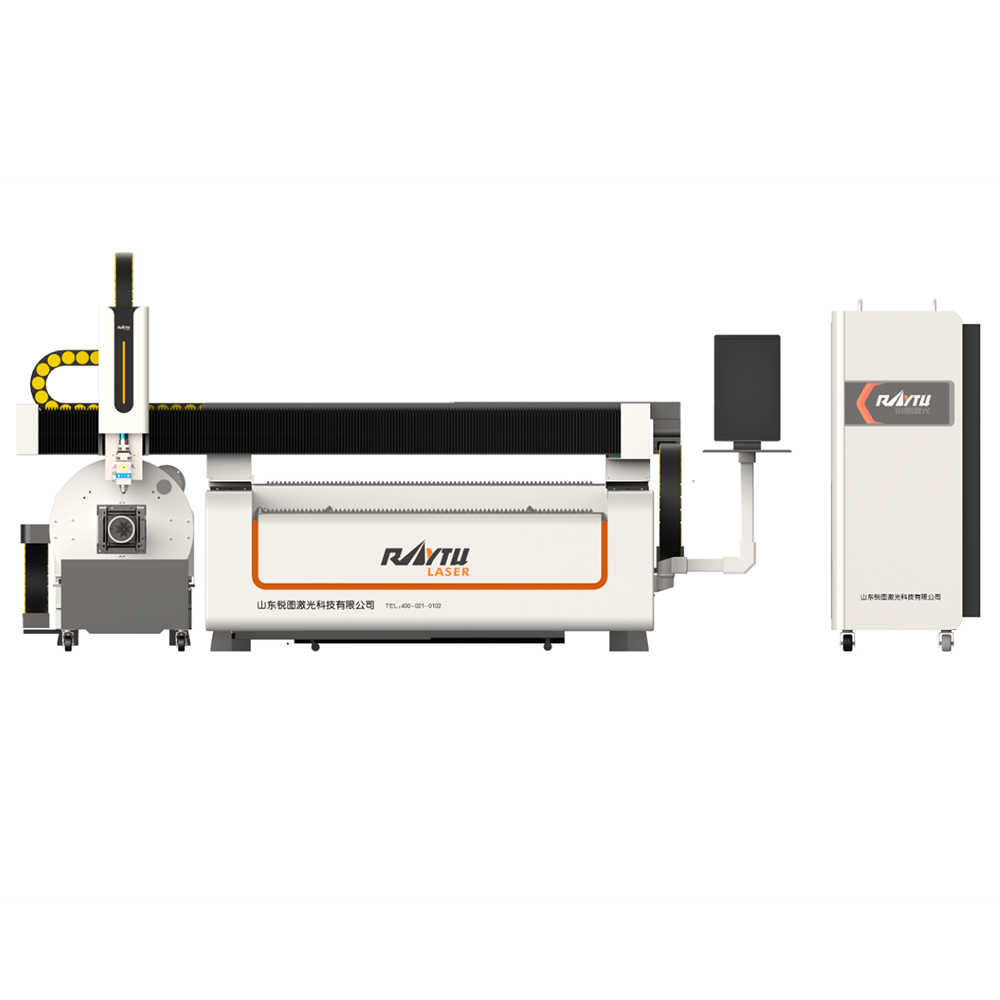
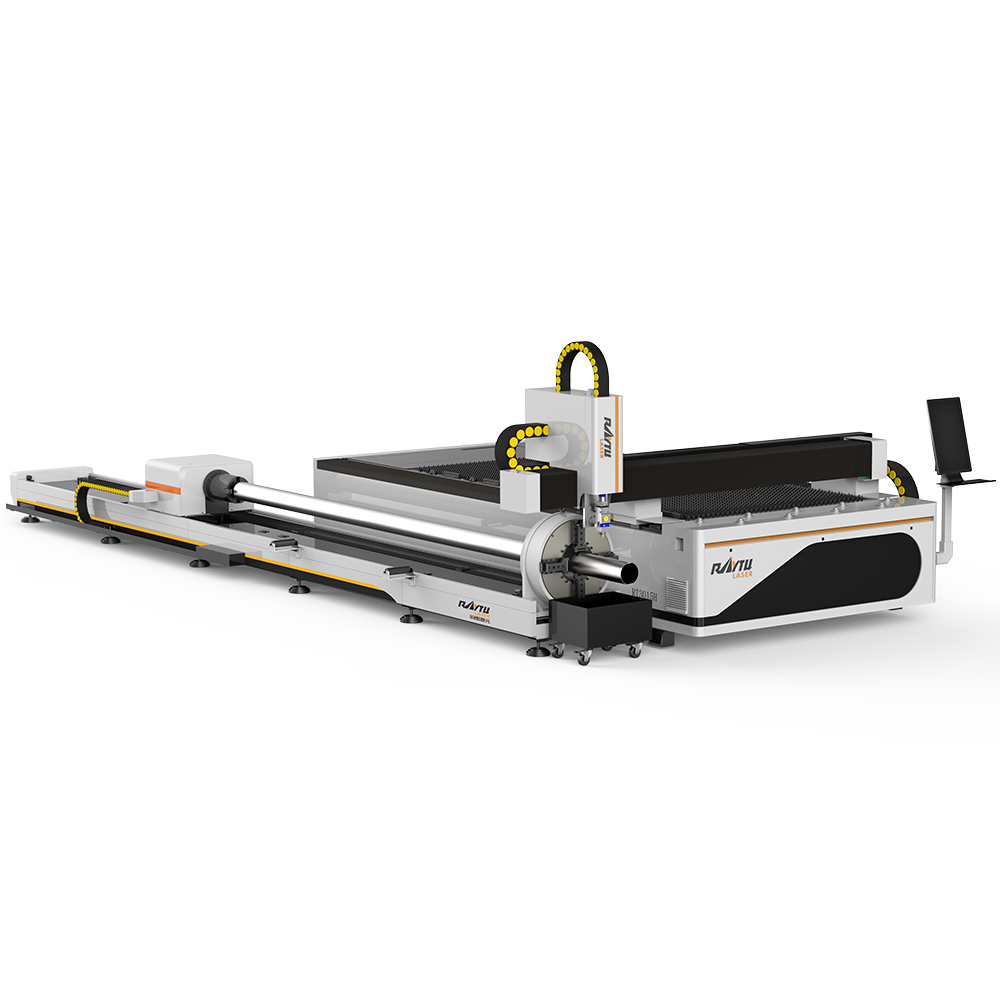
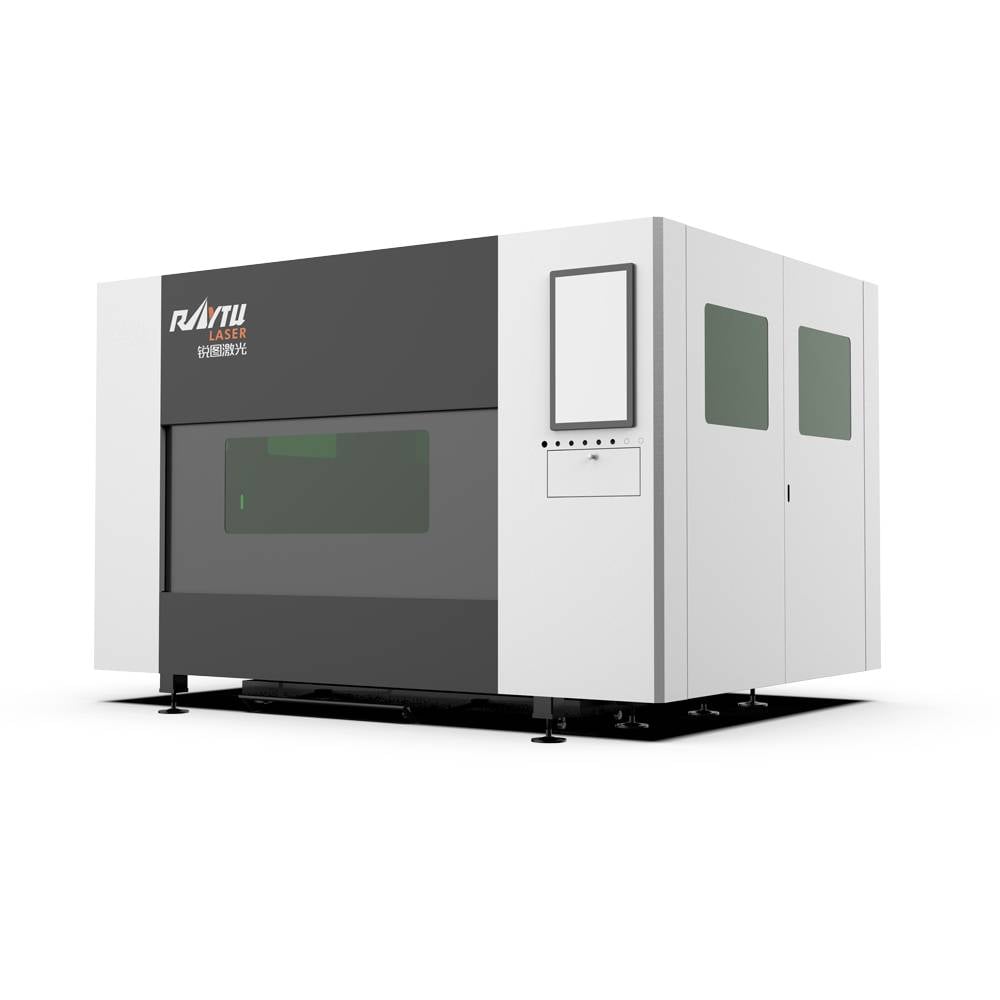
Traditional pipe laser cutting systems face serious limitations because they rely on fixed axis movements and have very restricted chuck capabilities. This makes them really bad at handling complicated shapes like tapered pipes or those that aren't aligned straight. When working with these kinds of parts, we often see problems with end cut alignment and poor weld prep quality, particularly when dealing with non-standard cross sections. Standard equipment just doesn't handle the synchronized control needed between rotational movement and linear motion. As a result, these machines struggle to adjust for heat warping effects, which becomes a big issue for thin walled materials or asymmetrical tubing. Over time, these small errors build up and can seriously affect how well structures hold together once assembled. For architects designing intricate metal frameworks or hydraulic system manufacturers requiring precise fluid pathways, getting measurements right down to the micron matters a lot when components come in all different sizes and shapes.
According to the 2023 FABTECH Benchmark Report, around two thirds of precision fabrication shops deal with scrap rates above 15% when working with complex tube shapes using standard equipment. The main problems come from uneven cutting gaps on curves and poor cut through at those tricky compound angles, which usually means going back for fixes or replacing materials altogether. Shops that don't have adaptive beam systems and at least five axis movement capabilities end up paying roughly 23% more in wasted materials. This shows just how costly outdated tech becomes in facilities where they handle lots of different products but only make small batches of each.
With five to six axes of motion control, machines can handle rotation, straight line movement, and tilting all at once. This keeps the laser beam focused properly even on tricky angled or irregular surfaces where standard three axis systems just don't work right. Getting this kind of synchronization matters a lot when dealing with complex shapes like the ones seen in car exhaust manifolds or parts for hydraulic systems. Without it, the beam would wander off course during cuts, leading to messy results. Manufacturers need these advanced systems to maintain quality while working on increasingly complicated designs that were impossible to produce reliably before.
Getting good clamping right matters a lot when it comes to keeping tubes stable during those precision cuts. Hydraulic chucks pack serious punch with their clamping power, often hitting around 8,000 psi or more. These work great for thicker walled materials like round and square tubing where extra grip is needed. On the other hand, servo electric systems let operators fine tune the pressure settings with incredible consistency, down to about 0.1% accuracy. This makes all the difference when working with delicate thin wall rectangular sections or specialty profile tubes that deform easily under too much pressure. What's interesting is how both options handle switching between different shapes quickly without needing to reset everything each time. This saves tons of time on the shop floor especially when running batches with multiple part configurations throughout the day.
Powerful fiber lasers that produce high quality beams (M squared under 1.1) can cut through materials with remarkable stability even along complicated paths. The addition of adjustable focus lenses allows these machines to shift their focal points as they rotate, which keeps the cut width consistent within about 0.05 millimeters on both curved inward and outward surfaces. Aerospace manufacturers rely heavily on this feature because parts need to stay dimensionally accurate despite heat exposure during production processes. Maintaining tight tolerances becomes critical when dealing with components that will face extreme conditions at altitude.
The latest 3D nesting software really boosts how much material gets used effectively. It places parts smartly along those tricky tube shapes that just don't fit nicely in straight lines, which beats out old school 2D approaches hands down. These systems come packed with real time corrections too. They handle all sorts of issues like heat warping, rotation problems, and when tubes get slightly squashed during processing. Special sensors keep an eye out for tiny distortions and tweak the cutting path automatically within about 0.1mm either way. This keeps the cut width consistent throughout. When manufacturers hit around 95% material usage, they're looking at slashing scrap expenses by roughly 30%. That makes a world of difference especially with costly materials common in aerospace manufacturing where every penny counts.
Setup wizards powered by artificial intelligence make programming much easier by looking at tube geometry and material characteristics to automatically create the best cutting settings, which cuts down on all that frustrating guesswork we used to do manually. The 2024 SME Automation Survey shows these systems can slash first piece validation times by around 70%, something that really adds up over time. These smart systems actually run simulations of what will happen during cutting before anything gets done, and they remember thermal compensation patterns from past jobs when working on new ones too. This boosts both precision and how fast things get done. Shops that handle more than 50 different tube shapes each month typically see their turnaround speed jump by about 25% while making far fewer mistakes during setup. This matters a lot for parts such as hydraulic manifolds where getting those features aligned correctly is absolutely essential for proper function.
Getting consistent results when working with all sorts of different shapes really comes down to proper calibration work. The main things that matter are checking laser alignment every day with those optical instruments to keep the beam accurate for those tricky angled cuts. Then there's the chuck concentricity test that should happen once a week so parts stay securely held no matter what profile they have. And don't forget about those rotational encoders which need monthly checks to make sure angles are spot on. Manufacturers who stick to this routine tend to see around a 30% drop in scrap material when running batches with multiple part types. This makes sense because those small misalignments just add up over time, especially when dealing with complicated shapes that require exact measurements.
A company making car exhaust systems cut their setup time down around 40% after installing these dual servo chucks along with closed loop CNC controls. What this meant was they could now automatically adjust the chucks themselves whenever dealing with those tricky irregular shaped tubes, so no one had to keep stopping everything just to manually recalibrate. Switching back and forth between different shapes like rectangles and ovals? No problem anymore. Production really picked up speed when handling all sorts of mixed parts. Looking at this example shows why combining good hardware with smart software makes such a difference when working with complicated manufacturing jobs where parts come in every imaginable shape.
What are the limitations of standard pipe laser cutting machines on complex shapes?
Standard pipe laser cutting machines struggle with complex shapes due to fixed axis movements and limited chuck capabilities, leading to alignment and weld prep quality issues.
How do advanced systems improve complex tube handling?
Advanced systems with 5-6 axis motion control and adaptable chuck systems manage rotation, translation, and tilt, maintaining consistent cuts on irregular surfaces.
What is the advantage of using fiber lasers?
Fiber lasers offer high-quality beam delivery and variable-focus optics, providing consistent kerfs on curved surfaces, crucial for aerospace manufacturing.
How does smart software improve efficiency?
Smart software integrates 3D nesting and AI-powered setup wizards, optimizing material usage, reducing first-piece validation time and enhancing the overall quality.
 Hot News
2026-09-08
2025-09-11
2025-08-25
2025-08-04
RT Laser is a nationally recognized high-tech enterprise specializing in the research, development, production, and sales of laser equipment. Our core products include fiber laser cutting machines, handheld laser welding machines, and bending machines.
No.6-8, Binhe industrial park, Jiyang district, Jinan city, Shandong province, China.
Copyright © 2025 by RAYTU LASER Technology Co.,Ltd. Privacy Policy
 EN
EN