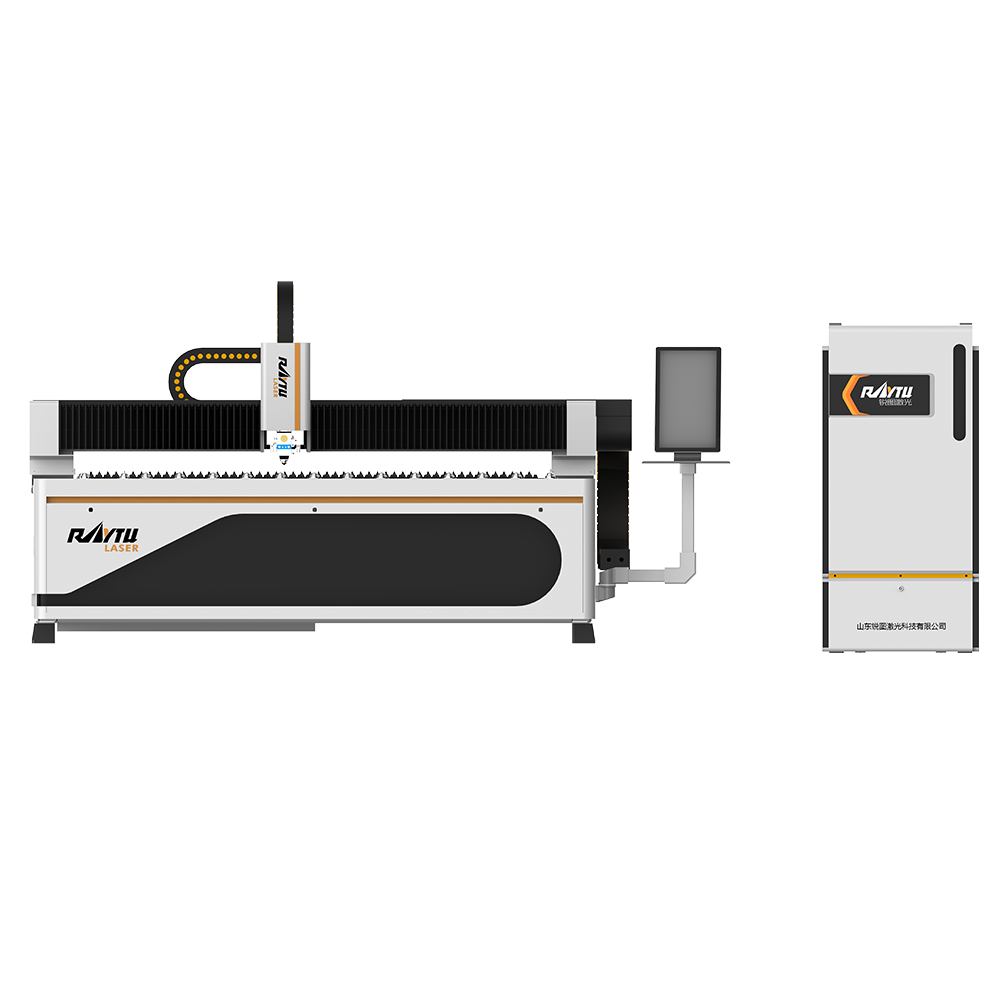
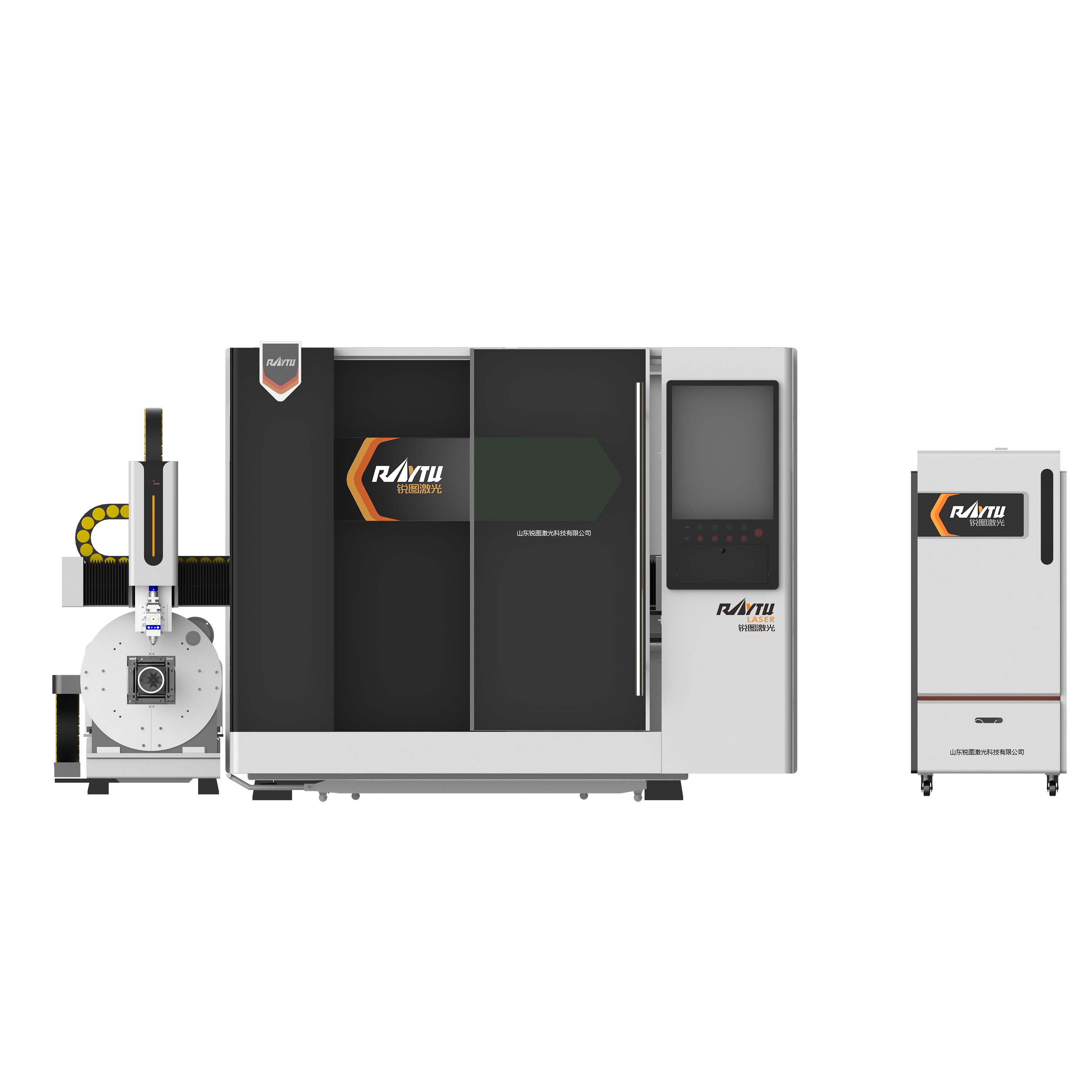
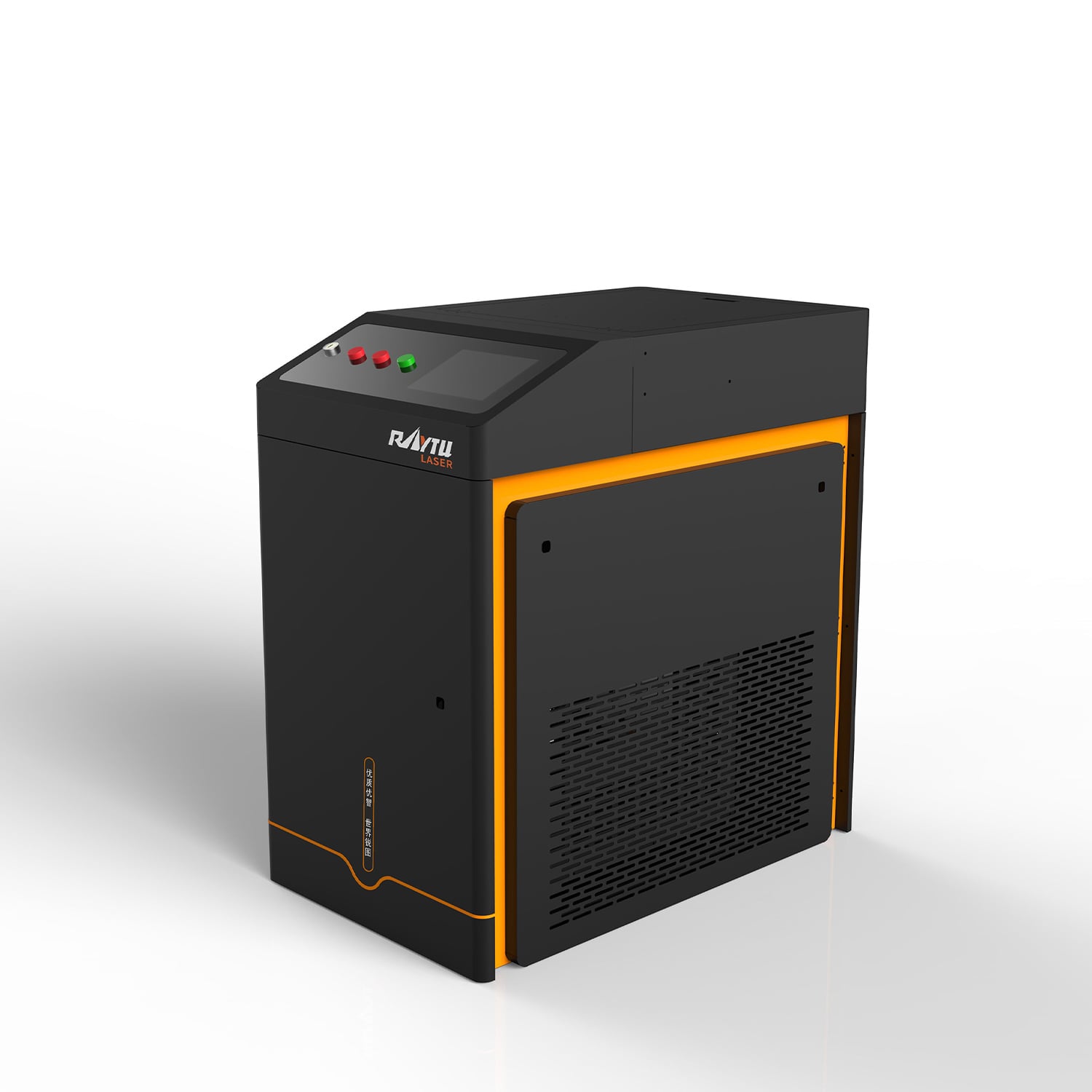
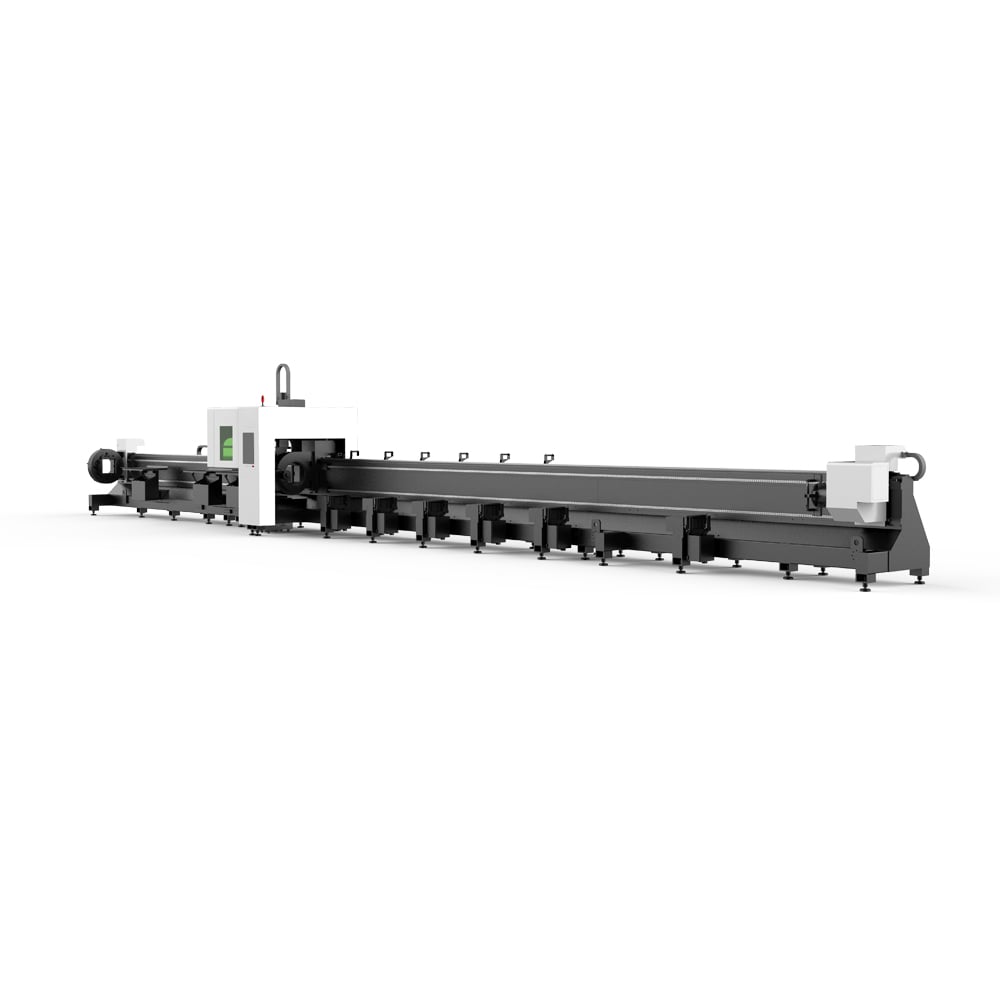
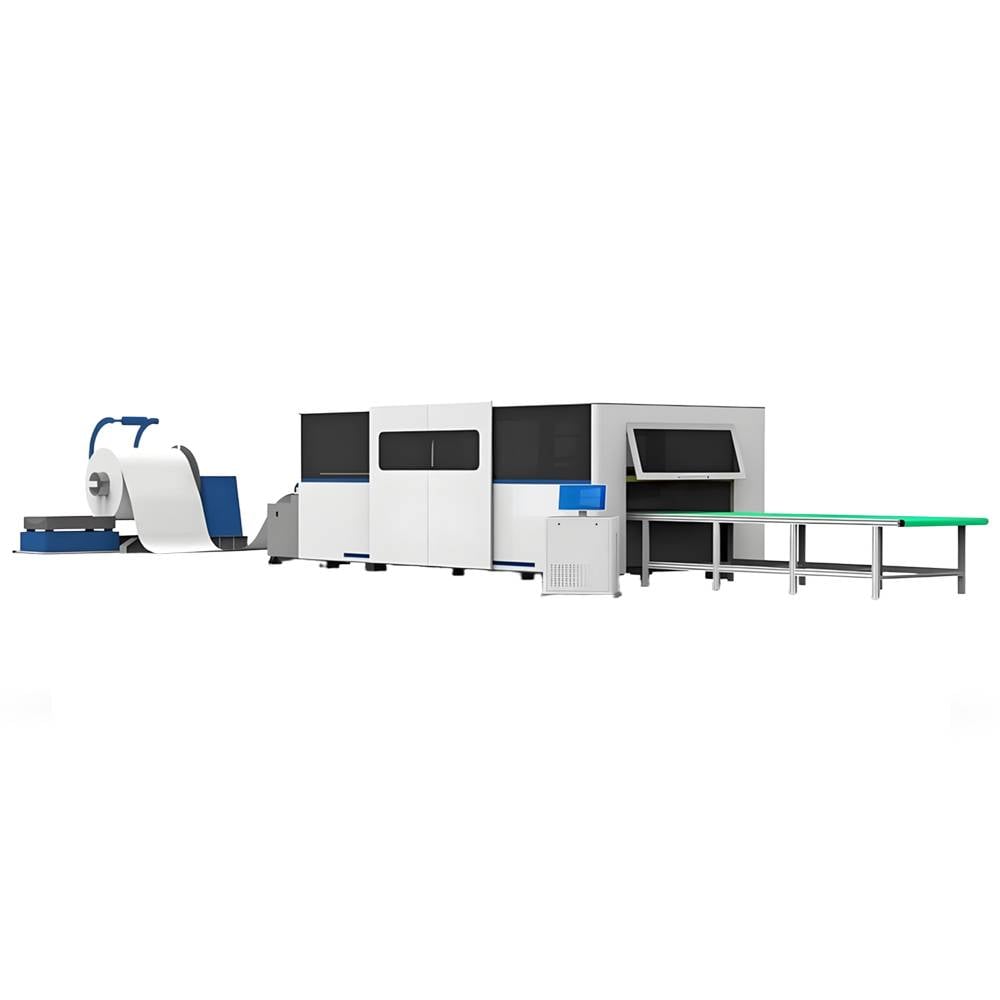
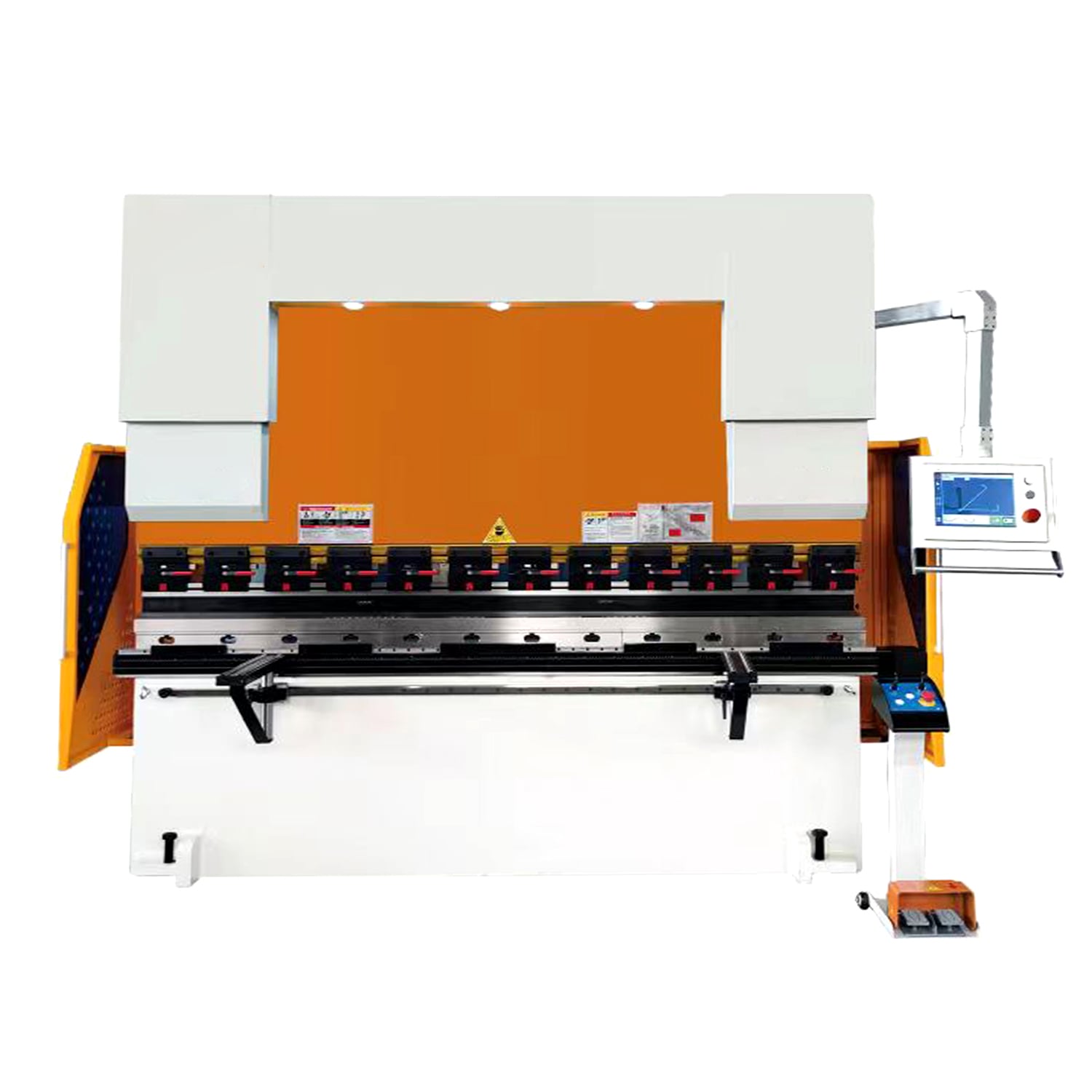
Modern pipe laser cutting machines effectively process six primary metals: carbon steel, stainless steel, aluminum, brass, copper, and titanium. These materials account for over 85% of industrial laser-cut tubing applications, with fiber laser systems proving particularly effective due to their wavelength adaptability and precision.
Stainless steel's corrosion resistance makes it ideal for marine components, while aluminum's lightweight properties drive its use in aerospace fabrication. Copper's thermal conductivity supports HVAC system manufacturing, as demonstrated in industry efficiency studies. Titanium tubes, valued for their strength-to-weight ratios, dominate medical implant production.
Fiber lasers use a 1,064 nm wavelength that non-reflective metals like carbon steel absorb efficiently. For reflective metals such as aluminum and copper, pulsed laser modes and nitrogen assist gases minimize energy deflection, ensuring consistent cut quality.
Cutting high-reflectivity metals requires precise focal adjustments and optimized assist gas delivery to prevent beam reflection. Operators must balance reduced cutting speeds (typically 20–40% slower than steel) with higher power settings (3–6 kW) to maintain edge integrity and avoid oxidation, as detailed in the 2024 Metal Processing Report.
For carbon steel tubes thinner than 8mm, most shops find that fiber lasers between 2 and 3 kW do the job pretty well when cutting at speeds around 3 to 5 meters per minute. Stainless steel tells a different story though. Because of all that chromium in there, it needs about 10 to 15 percent more power density. So for those 5mm to 10mm wall thicknesses, operators usually go with 3 to 4 kW lasers to get good quality cuts without too much melt residue. And don't forget the nitrogen assist gas either. Running it at pressures between 12 and 18 bar helps keep oxidation down during the cut, which makes a big difference in the final product quality for these types of ferrous materials.
When working with aluminum alloys such as 6061-T6, it's generally best to use lasers in the 3 to 4 kW range while slowing down the cutting speed to between 1.5 and 3 meters per minute. This helps keep things cool enough so thin walled tubes don't warp from too much heat buildup. With copper alloys, things get trickier because they tend to reflect laser light back. Most operators find success using pulsed laser settings where the duty cycle sits somewhere around 70 to 90 percent. Looking at recent industry reports from The Fabricator for 2024, there seems to be some pretty impressive gains happening too. They mention that adjusting the focal length dynamically during cutting operations can actually cut processing time by roughly a quarter when dealing specifically with 3 mm thick copper sheets. Pretty significant improvement if manufacturers can implement these techniques properly across their production lines.
A production trial using a 4 kW pipe laser cutting machine on 304 stainless steel showed:
6mm tubes:
12mm tubes:
Results indicate that laser power must scale significantly with thickness—requiring 33% more energy for double the material thickness—while tighter gas pressure control (20–25 bar) improves molten metal ejection.
Today's pipe laser cutting equipment works with all sorts of profiles including round, square and rectangular tubing commonly found in structural work, car frames, and heating/cooling systems throughout buildings. While round tubes still make up about half of what gets cut worldwide, there's been a growing trend toward angular shapes for modern architecture projects and transport infrastructure lately. The newer machines come equipped with features like auto centering chucks and adjustable rollers that help keep things stable when working on those tricky non-round sections. When it comes to handling materials like angle iron or C channels, manufacturers have found that using four chuck setups instead of the old two point method cuts down on bending issues by roughly a third during processing.
When dealing with mixed batches of materials like those 3 meter aluminum conduits alongside longer 9 meter stainless steel structural tubes, flexibility becomes really important. The latest modular laser cutters come equipped with adjustable chucks and smart nesting software that can get around 89 percent material usage even when working with all sorts of different sizes. These machines have some pretty cool features too. Quick change rotary attachments take less than four minutes to swap out, while the clamping pressure adjusts automatically between 20 and 200 psi depending on what's being cut. Plus there's that full 360 degree cutting head movement which cuts down on setup time by about half. Shops that run dual loading stations see their operations running non stop most of the time, and this usually translates to roughly 40 percent better return on investment for facilities that regularly handle over fifteen different tube shapes each month.
With a 6kW fiber laser system, carbon steel cuts can reach depths of around 25mm while stainless steel manages about 20mm thickness. When it comes to aluminum and copper alloys though, these materials usually hit their limit at approximately 15mm because they don't absorb laser energy as efficiently as steel does. Cutting these metals requires roughly 30 to maybe even 50 percent more power density compared to what's needed for steel work. Titanium presents another challenge altogether. Although possible to cut up to 12mm thick, special precautions must be taken since titanium tends to oxidize quickly during the cutting process. That means operators need to shield the material with inert gases throughout the entire operation to maintain quality results without unwanted surface reactions.
For thin wall aluminum parts ranging from 0.5 to 3 millimeters thick, getting within plus or minus 0.1 mm accuracy is absolutely critical for those aerospace applications. This level of precision typically comes from using pulsed laser technology which helps control the heat and prevent distortion problems. When we look at thicker carbon steel materials between 6 and 25 mm, the focus shifts somewhat. Edge squareness becomes really important here, needing to stay under half a degree deviation. And naturally, nobody wants any slag left on the finished product either. The addition of high pressure nitrogen during processing can boost edge quality by around 40 percent when working with 12 mm steel sheets. Something else worth noting is how much longer the pre piercing dwell time needs to be for 20 mm steel compared to just 5 mm aluminum. The difference is actually about three times longer because of these thermal mass characteristics between the two materials.
Adaptive piercing algorithms reduce copper alloy piercing times by 55%. Hybrid nozzles using oxygen-nitrogen mixtures produce 25% smoother edges on 15mm aluminum. Dual-wavelength lasers achieve 0.8µm Ra surface finishes on reflective metals—30% better than single-mode systems. These innovations have reduced post-processing steps by 18% in titanium medical components.
According to a recent industry benchmark from 2023, fiber lasers actually save about 30 percent more energy compared to traditional CO2 models when working with conductive metals such as stainless steel and aluminum. These lasers work best on metal sheets around 25mm thick or less. For non-conductive materials though, most professionals still stick with CO2 systems because they tend to perform better in those situations. The newer generation of fiber cutters comes equipped with something called adaptive wavelength control. This feature helps reduce problems caused by reflections when cutting copper and brass, which can be quite tricky with older equipment.
Advanced systems reach cutting speeds of up to 120 meters per minute with ±0.1mm accuracy, supporting continuous production of automotive exhausts and HVAC ducts. Automated loading combined with AI-powered nesting software reduces material waste by 18–22% compared to manual methods.
| Industry | Critical Requirements | Recommended Laser Features |
|---|---|---|
| Automotive | Precision welding prep (<0.2mm tolerance) | 3kW+ fiber laser with vision systems |
| Construction | Thick-wall steel (8–25mm) processing | 6kW laser with gas-assist cutting |
| HVAC | Complex 3D shapes in thin-wall materials | 5-axis cutting head with rotary axis |
For structural steel fabrication, prioritize machines with 25mm+ cutting capacity and automatic slag removal. HVAC contractors benefit from compact systems capable of handling 60–150mm diameter pipes with quick-change mandrels.
Pipe laser cutting machines can process materials such as carbon steel, stainless steel, aluminum, brass, copper, and titanium.
Fiber lasers use 1,064 nm wavelength, and reflective metals such as aluminum and copper are managed using pulsed laser modes and nitrogen assist gases to minimize energy deflection.
With a 6 kW fiber laser system, carbon steel cuts can reach depths of around 25mm.
Fiber laser cutters often save about 30% more energy compared to CO2 models when working with conductive metals, and they are equipped with adaptive wavelength control for better handling of reflective materials like copper and brass.
 Hot News
2026-09-08
2025-09-11
2025-08-25
2025-08-04

RT Laser is a nationally recognized high-tech enterprise specializing in the research, development, production, and sales of laser equipment. Our core products include fiber laser cutting machines, handheld laser welding machines, and bending machines.
No.6-8, Binhe industrial park, Jiyang district, Jinan city, Shandong province, China.
Copyright © 2025 by RAYTU LASER Technology Co.,Ltd. Privacy Policy
 EN
EN