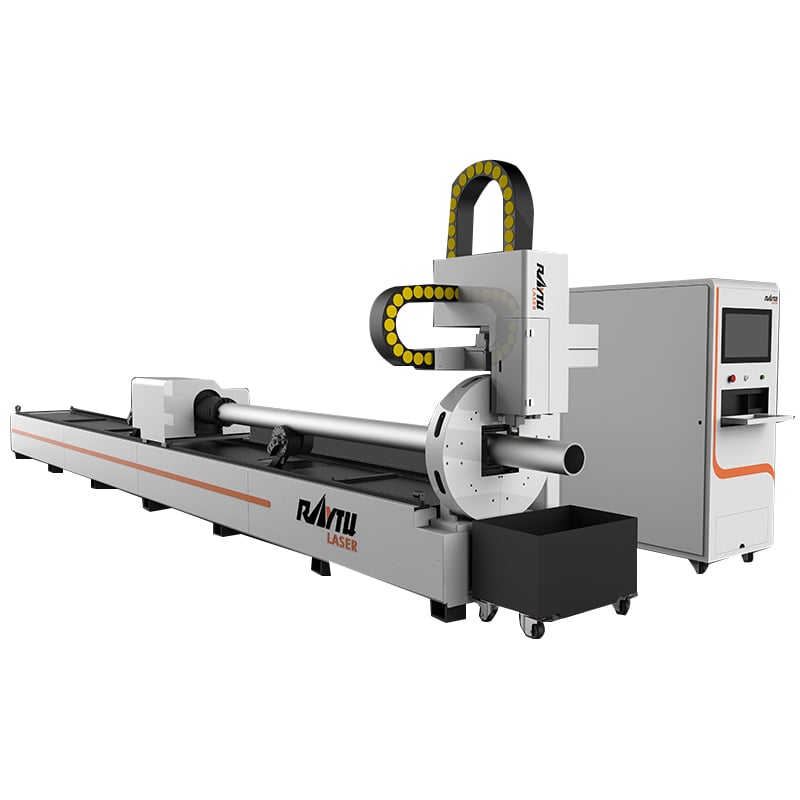
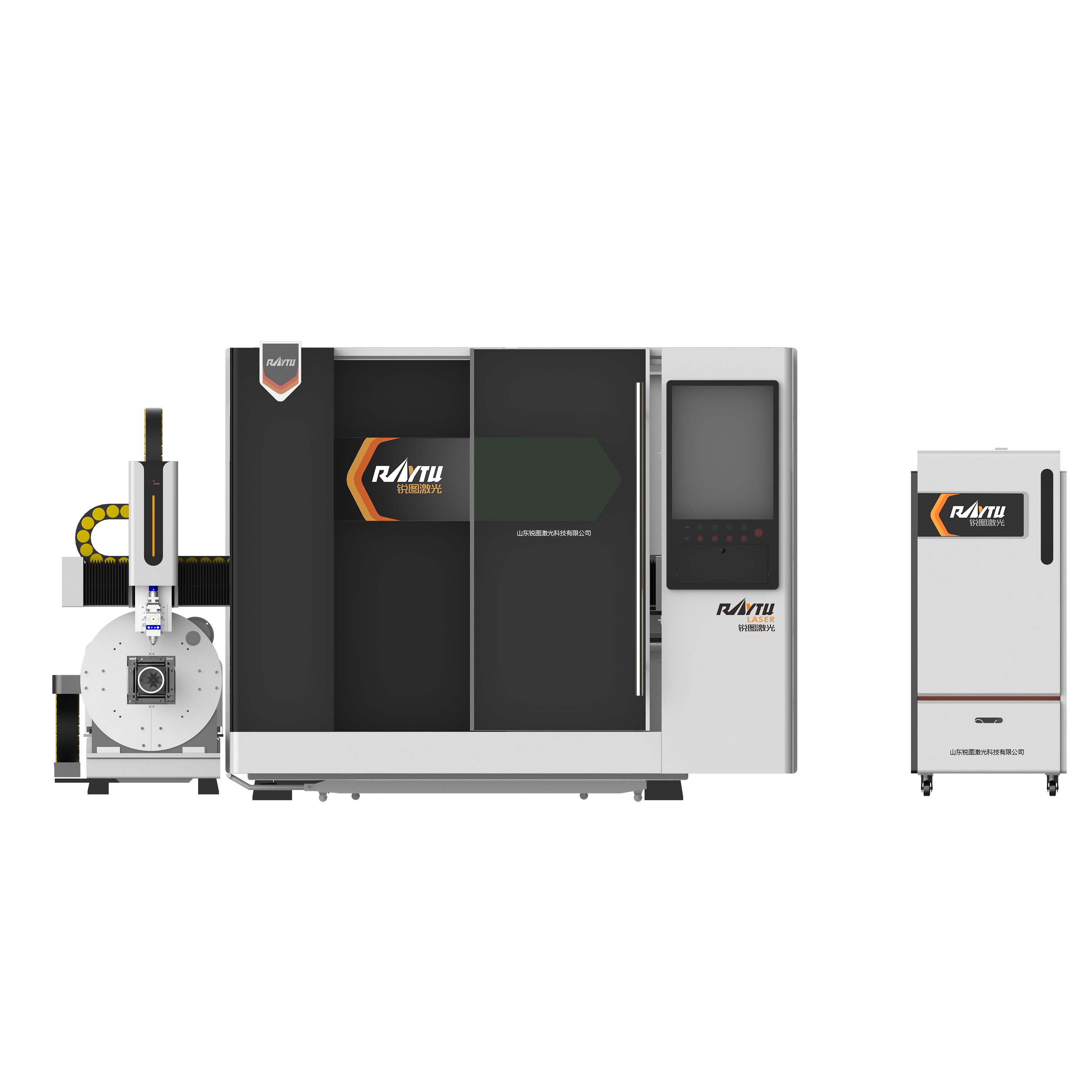
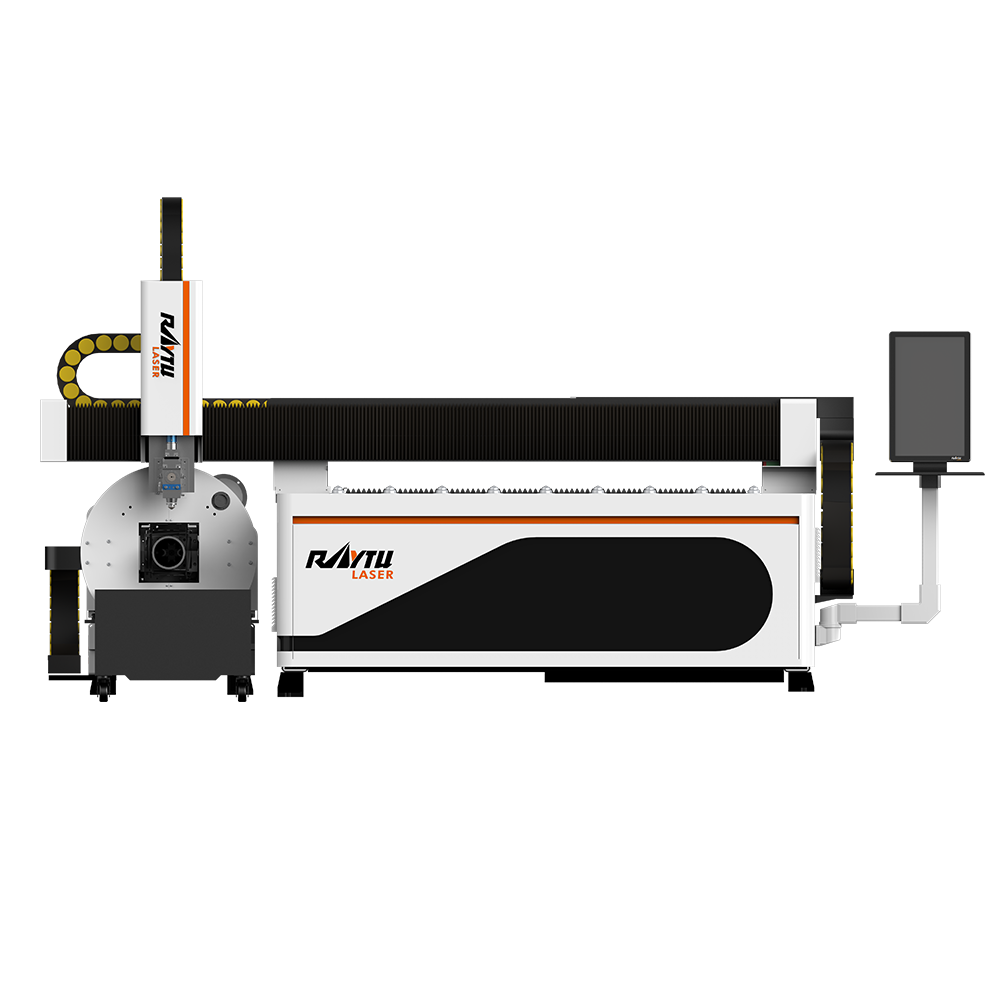
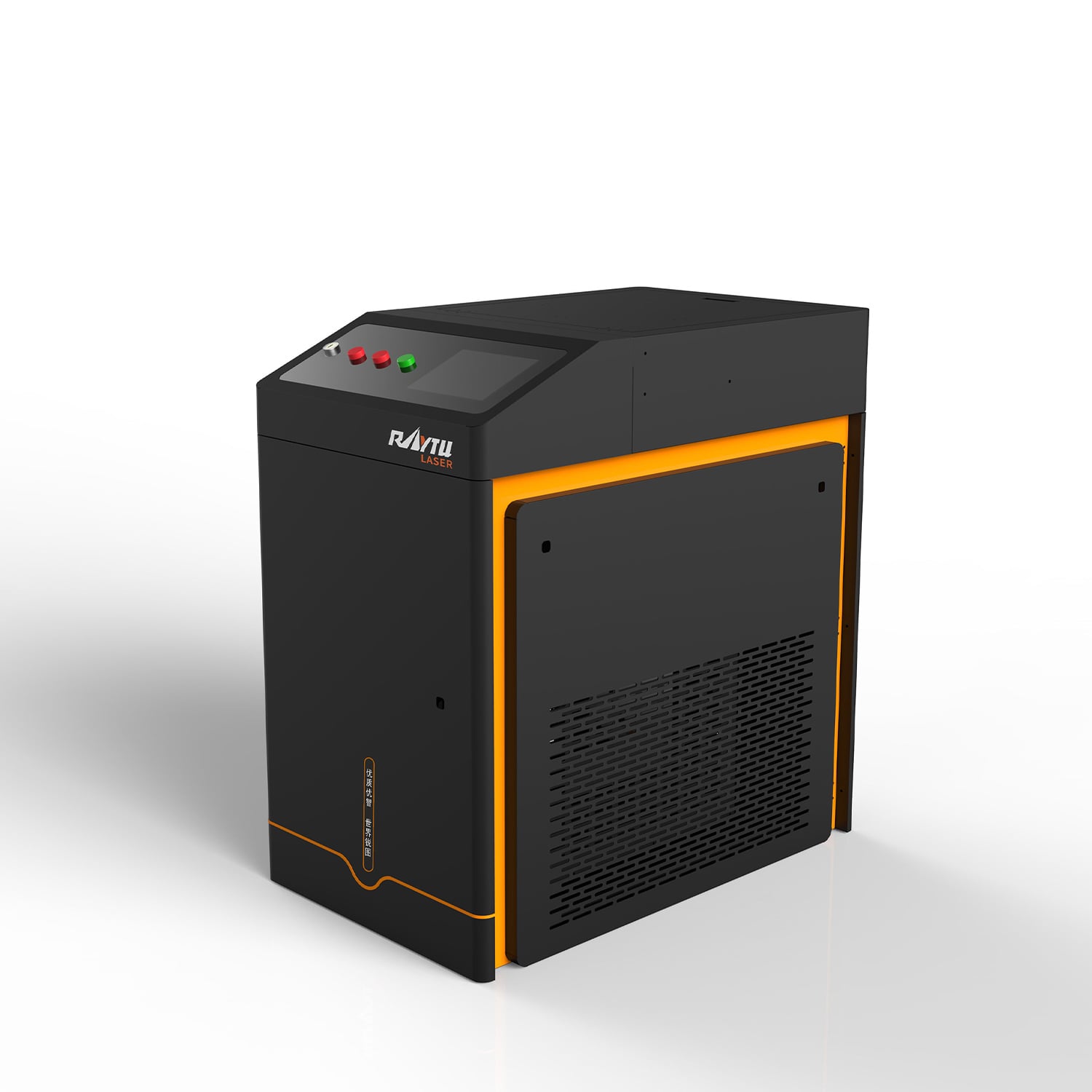
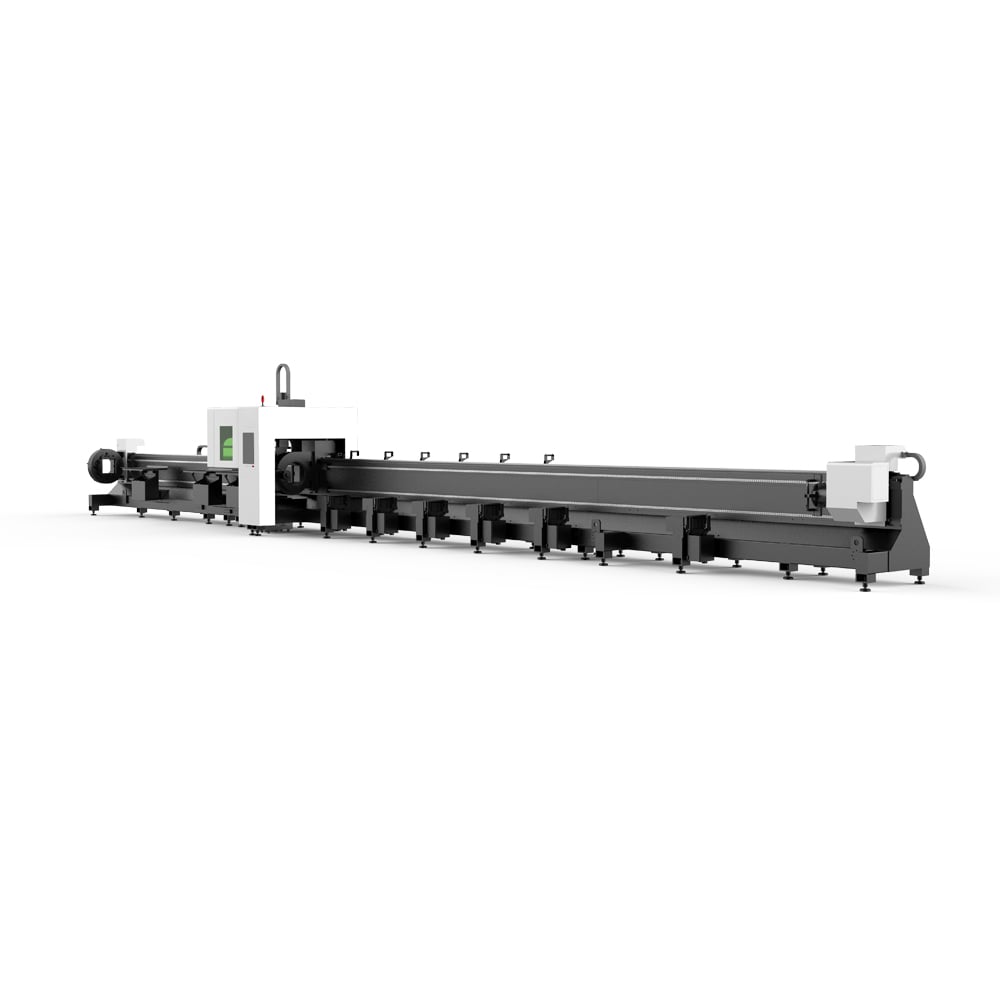
Fiber laser cutting machines achieve micron-level accuracy through beam quality metrics unmatched by traditional CO₂ lasers. With M² values under 1.1 (Findlight, 2024), these systems concentrate energy into a diffraction-limited beam diameter as small as 20 microns, enabling precision cuts on par with surgical instruments.
The narrow beam profile minimizes kerf widths while maintaining peak power density. This allows operators to execute intricate patterns on 0.1 mm stainless steel shims with ±5 μm repeatability, ideal for microelectronics and aerospace components requiring exacting dimensional standards.
Automated collimators dynamically adjust beam parameters to sustain ±0.01 mm positional accuracy across 1,500 mm/s cutting speeds. This consistency is critical when processing battery foils where a 50 μm deviation risks short-circuiting entire electrode stacks.
The concentrated beam creates HAZ zones up to 70% narrower than plasma cutting (Ephotonics, 2025). Coupled with pulsed operation modes, this results in Ra 1.6 μm surface finishes on copper alloys, eliminating secondary polishing for RF shielding components.
The fiber laser cutting machines tackle reflectivity problems thanks to their special wavelength around 1,070 nm that metals actually absorb better. When compared to traditional CO2 lasers, these fiber based systems cut down on energy bouncing back by roughly 85% during work with tricky materials like aluminum and copper. Research published in Nature last year showed this through detailed light reflection tests. What does this mean practically? The machines can maintain stable energy delivery even with those super reflective materials. We're talking about incredibly thin cuts too narrow as 0.1 millimeters in copper sheets just 2mm thick. This makes them much more reliable than older technologies for precision cutting tasks.
Three technical adaptations ensure reliable processing:
These methods reduce heat dispersion rates by 40% compared to conventional laser systems, according to material science trials.
From architectural copper panels to aerospace aluminum brackets, fiber lasers achieve ±0.05 mm tolerances in reflective metals. A manufacturing case study highlights a 200% throughput increase in brass electrical component production after switching to fiber systems. Key industries benefit:
Fiber laser cutters can achieve really tight tolerances needed across several demanding fields including medical devices, electronics manufacturing, and car parts production. For medical applications, getting down to around 0.001 inch accuracy matters a lot when making things like bone screws or tiny sensors inside the body since even small surface flaws could affect how well they work inside someone. Electronics makers need similar precision too, especially when working with delicate materials such as copper shielding or those tiny connectors where positions must be spot on within about 5 micrometers just so circuits can get smaller without losing functionality. Car companies also find value in this tech for parts like fuel injectors or transmission pieces where geometry needs to be almost perfect to avoid breakdowns later down the road.
These machines can cut materials down to less than 0.1mm kerf width even when working with incredibly thin foils at just 0.05mm thick. This capability helps maintain the necessary structural strength in delicate components like medical stents and pressure-sensitive sensors. For thicker materials such as 0.4mm battery tabs used in EVs, the system adjusts power levels automatically to prevent unwanted warping during cutting. The machine also makes on the fly changes to focal length settings, which keeps edges looking good even on those tricky warped metal sheets that often show up in aircraft heat exchanger manufacturing. Such precision matters a lot in these industries where component failure isn't an option.
According to a recent study from precision engineering specialists in 2023, manufacturers saw nearly a full 97% boost in their output when they made the switch to fiber lasers for making cardiovascular stents. These new lasers cut down on those pesky heat affected areas by around 82% compared to old fashioned CO2 models, which means no more extra work needed for those 316L stainless steel parts. The improvements not only meet the strict ISO 13485 requirements for medical gear but also shaved off about 35% from production cycles since there's less need for all that additional finishing work that used to take so much time.
Fiber laser cutters can hit around 0.1 mm accuracy when working on complicated shapes thanks to their smart motion control technology. This level of precision makes them absolutely essential for jobs involving detailed metalwork in architecture or parts needed for aircraft manufacturing. Looking at recent research into parameter designs shows just how well these machines handle complex patterns. They work with incredibly small focus points between 50 to 100 microns and maintain position accuracy within about 5 microns. These kinds of capabilities simply cannot be matched by traditional mechanical cutting approaches.
Operators fine-tune 15+ variables—including power density (0.5–2 J/cm²) and pulse duration (5–50 ns)—to optimize results for specific materials and thicknesses. This granular control minimizes kerf widths to 0.15 mm while maintaining cutting speeds up to 60 m/min, enabling precise execution of micro-perforations and complex contours without secondary processing.
Today's computer aided manufacturing systems take those CAD designs and turn them into actual machine instructions down to 0.01 mm precision paths, which means parts come out looking almost exactly the same from one batch to another at around 99.8% similarity. The built in simulation features can actually spot when things might warp due to heat before they happen and adjust on the fly something really important when working with metals that get messed up easily by temperature changes. When these systems work together with smart nesting software powered by artificial intelligence, factories end up wasting significantly less material than older methods typically do somewhere between 18 and 22 percent less according to industry reports.
Modern fiber laser cutting machines combine rapid processing speeds with robotic integration capabilities, making them indispensable for high-volume precision manufacturing. Unlike traditional methods that force a trade-off between speed and accuracy, these systems maintain tolerances under ±0.02mm even at cutting rates exceeding 100 meters per minute.
Advanced beam modulation technology ensures focused energy delivery across varying speeds. For example, a 6kW fiber laser can pierce 10mm stainless steel in 0.8 seconds while maintaining a kerf width of 0.15mm, critical for aerospace components requiring both speed and sub-millimeter accuracy.
Robotic load/unload systems coupled with fiber lasers enable 24/7 operation, reducing idle time by 65% compared to manual setups. Manufacturers report a 30% increase in daily output when integrating these machines with smart material handling systems, as consistent positioning eliminates alignment errors.
Multi-stage quality monitoring systems automatically adjust power settings and nozzle distances during long runs. This reduces scrap rates by 22% in automotive part production, where maintaining ±0.01mm edge consistency across 10,000+ units is non-negotiable.
Fiber lasers achieve higher precision due to superior beam quality metrics, allowing for tighter focus and more consistent energy transfer compared to CO2 lasers.
Fiber lasers utilize a specific wavelength that minimizes reflectivity issues, allowing for consistent energy delivery even on highly reflective materials like aluminum and copper.
Fiber laser cutting is widely used in electronics, automotive manufacturing, medical devices, and aerospace industries for its high precision and speed.
Advanced beam modulation and robotic integration allow fiber lasers to deliver high-speed cutting while maintaining tight tolerances and consistent quality.
Fiber lasers offer advanced control over cutting parameters, making them ideal for handling complex geometries and thin materials with precision.
 Hot News
2026-09-08
2025-09-11
2025-08-25
2025-08-04
RT Laser is a nationally recognized high-tech enterprise specializing in the research, development, production, and sales of laser equipment. Our core products include fiber laser cutting machines, handheld laser welding machines, and bending machines.
No.6-8, Binhe industrial park, Jiyang district, Jinan city, Shandong province, China.
Copyright © 2025 by RAYTU LASER Technology Co.,Ltd. Privacy Policy
 EN
EN