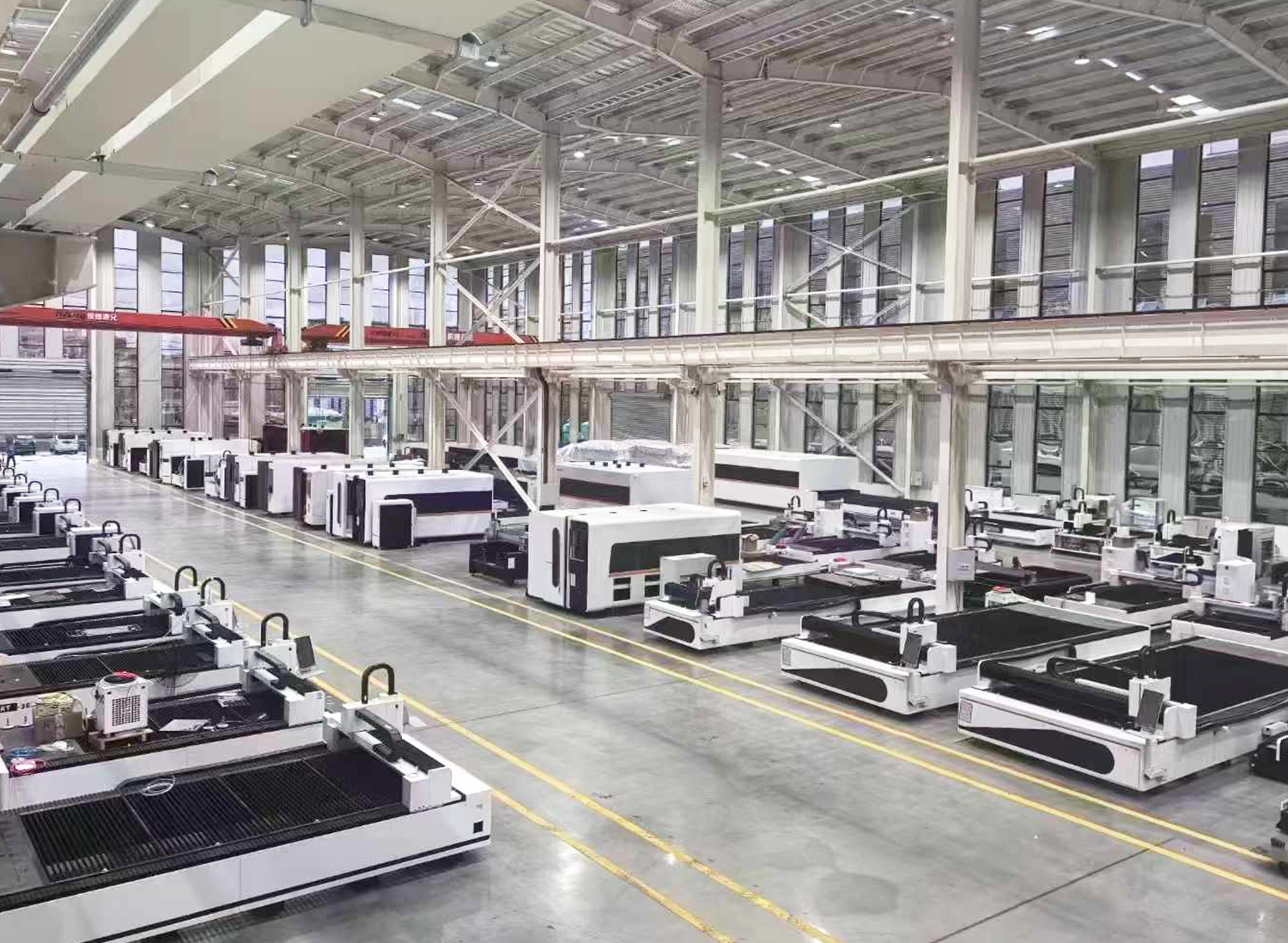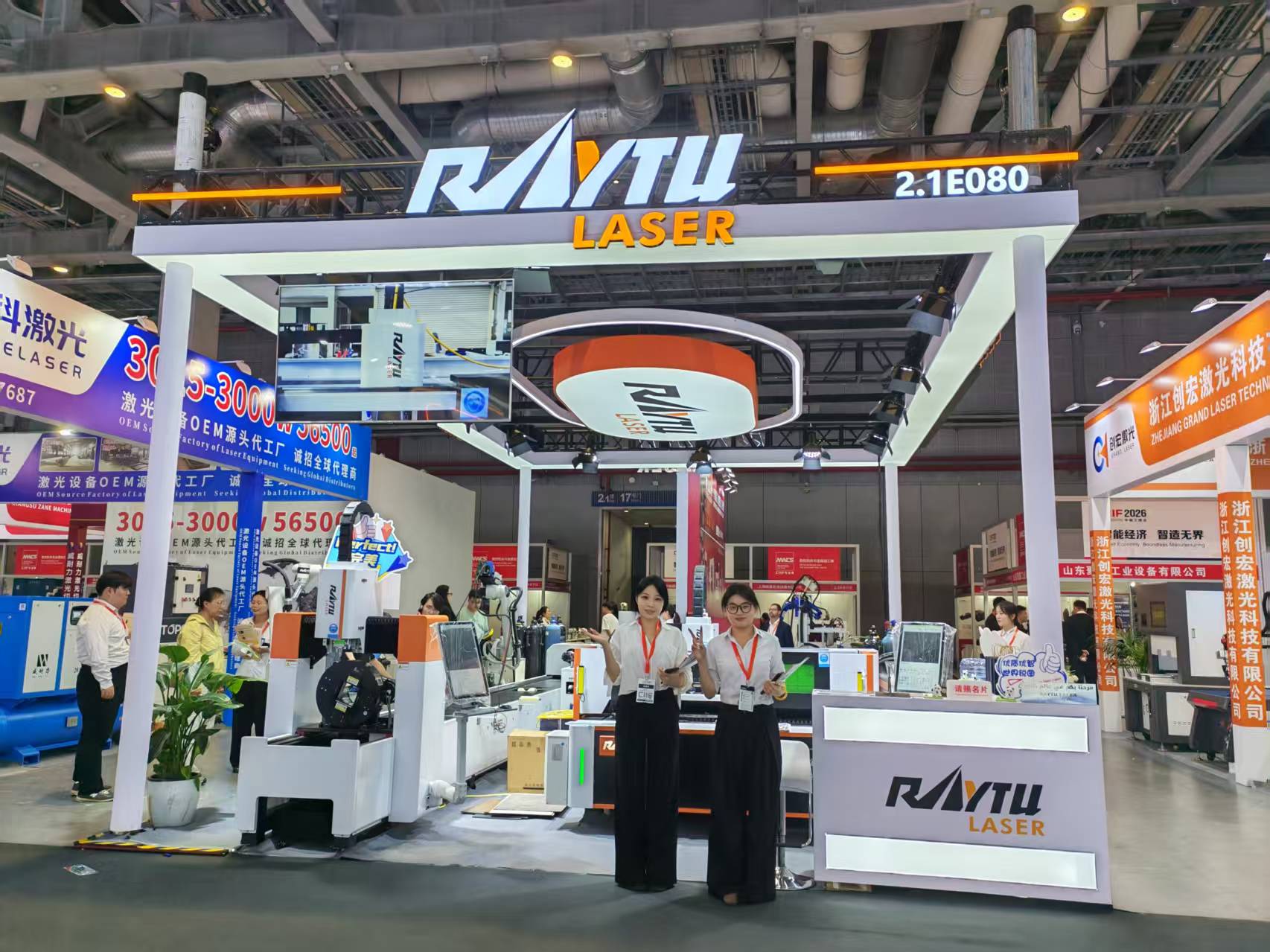
CIIF 2026 has opened in Shanghai, China. Raytu is exhibiting at Booth 2.1E080 from October 12 to 16, 2026. Our equipment on display includes: 3015H 3 kW laser cutting machine 60120 3 kW tube cutting machine 3 kW laser welding machine Here are some ...
Read More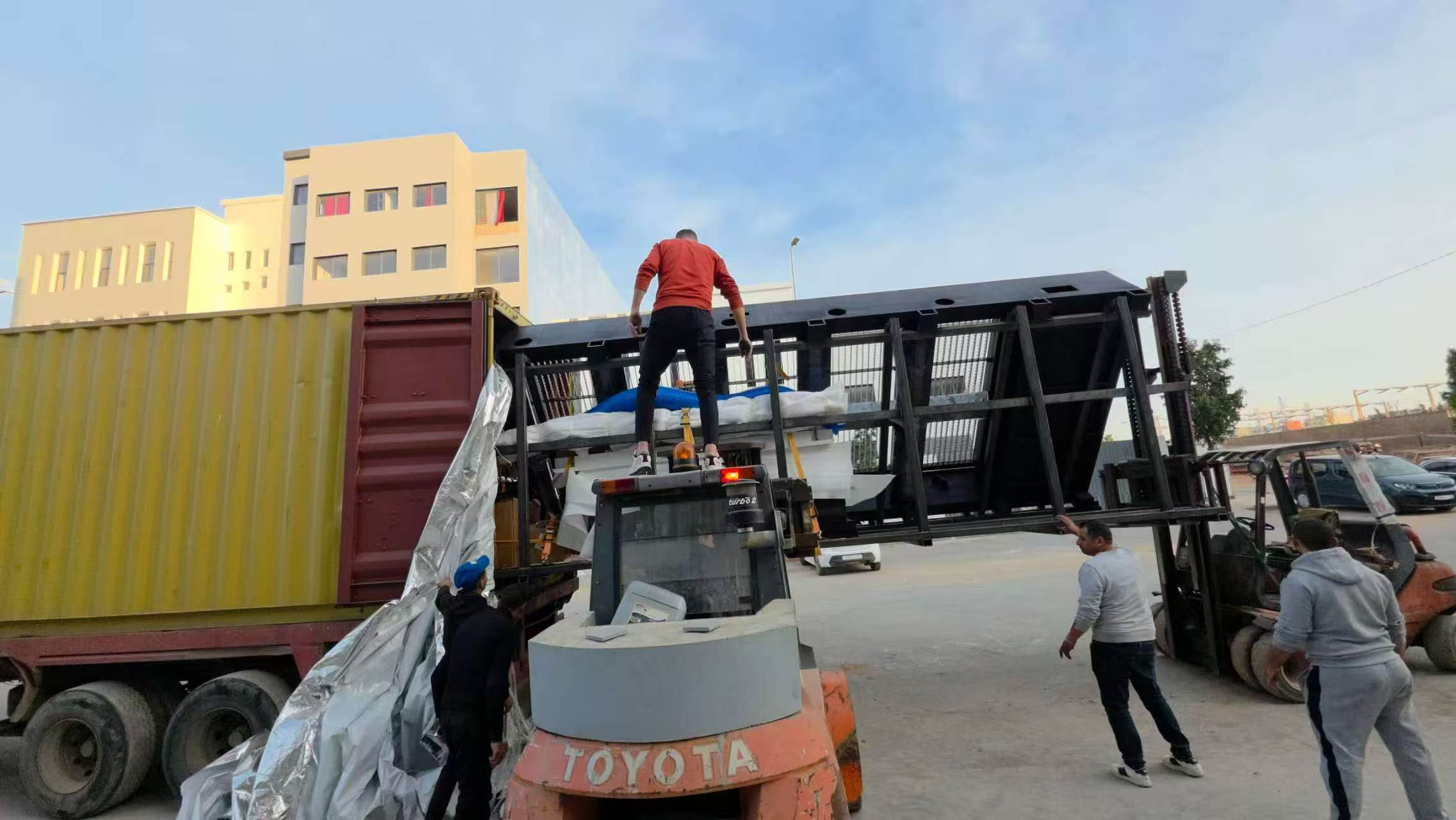
See how Raytu Laser helped a metal fabrication customer in Morocco build a complete laser equipment solution, from machine selection to shipment and technical support.
Read More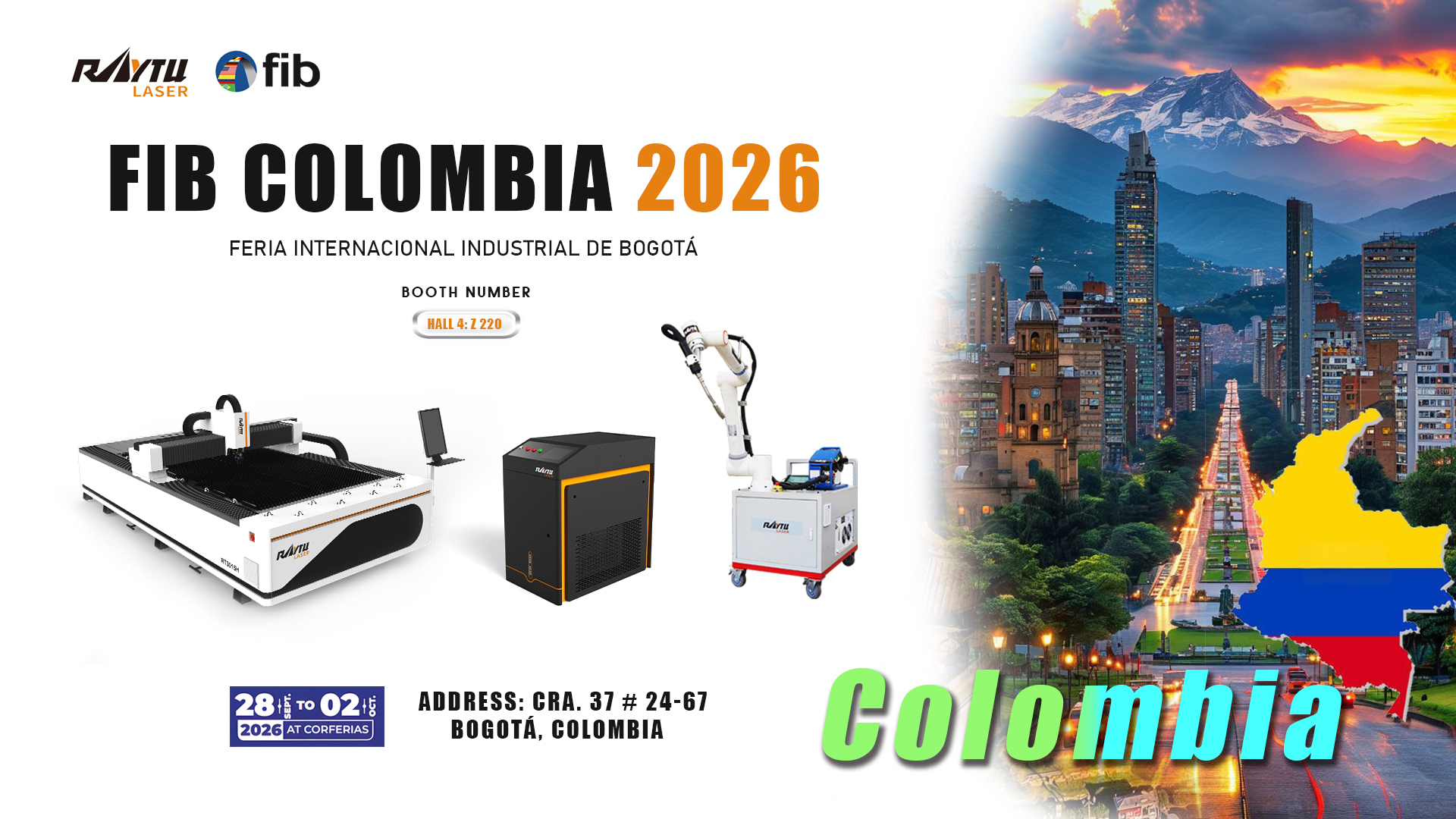
We're taking part in FIB COLOMBIA 2026 (FERIA INTERNACIONAL INDUSTRIAL DE BOGOTÁ) — one of Latin America's key industrial events. 🗓️ September 28 – October 2, 2026 📍 Location: Cra. 37 # 24-67, Bogotá Colombia🔢Hall 4, S...
Read More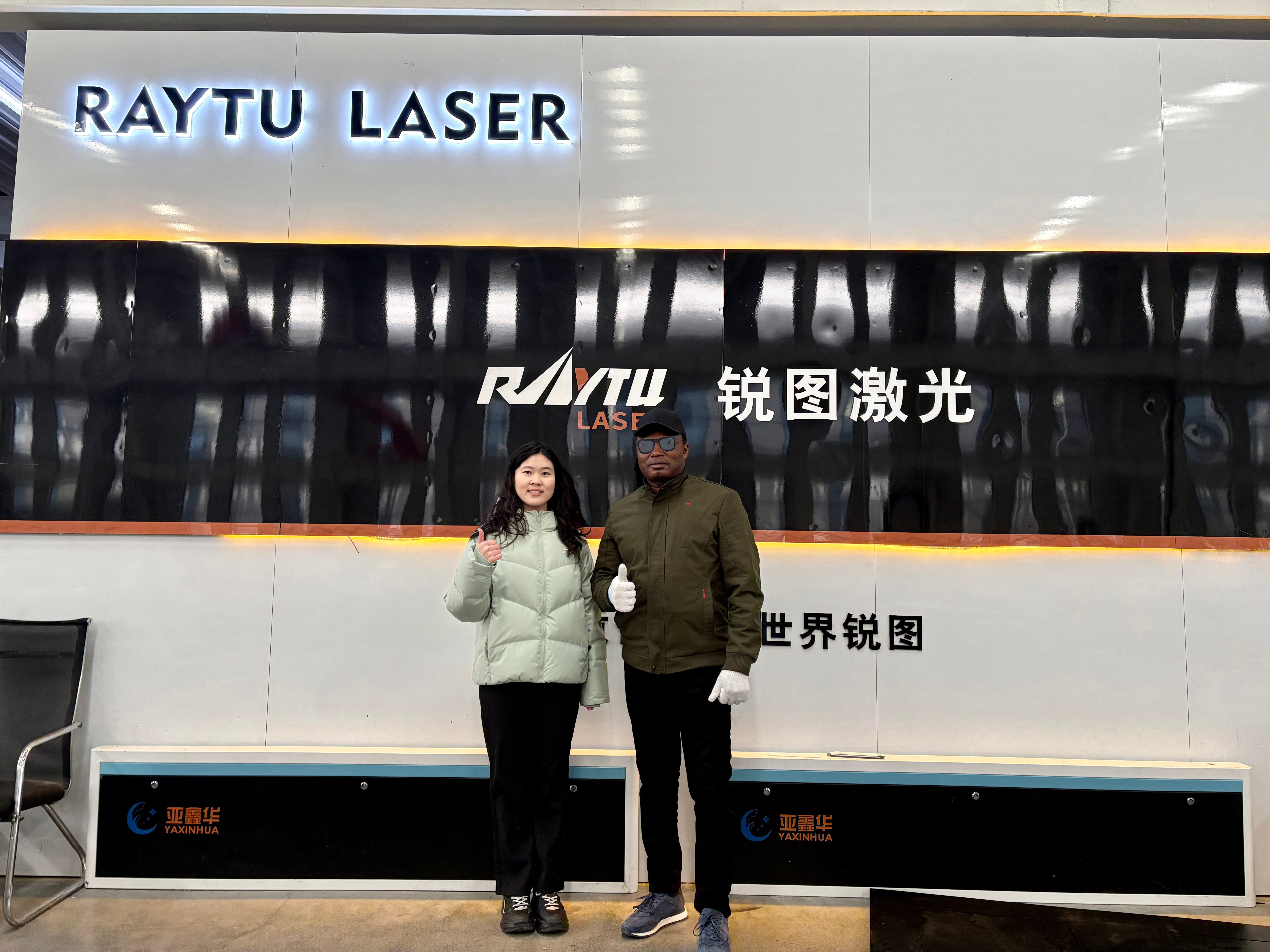
Read about our Benin customer's successful factory visit to inspect and receive a 3KW 3015H sheet cutting machine and a 3KW handheld welding machine.
Read More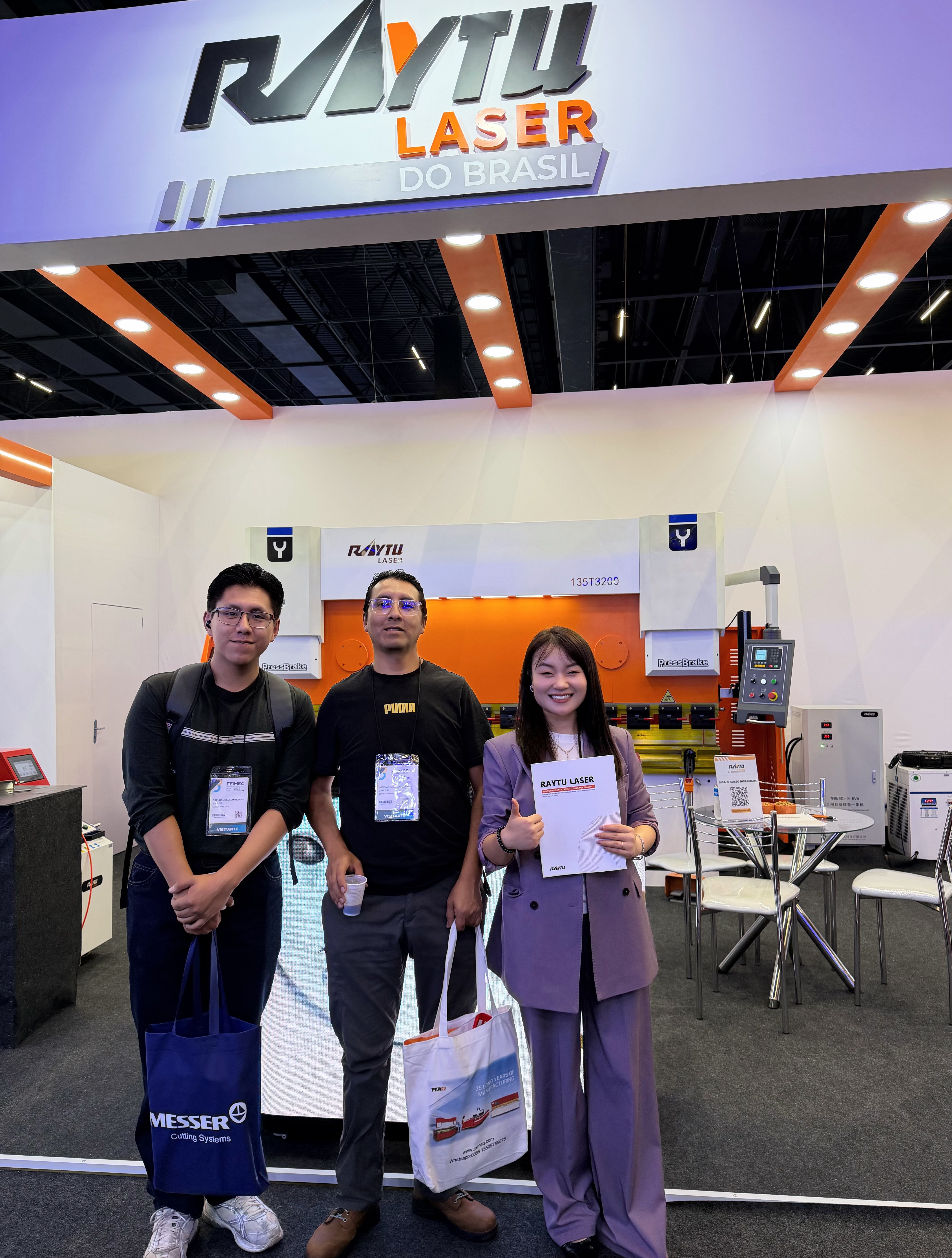
Discover Raytu Laser's latest flagship fiber laser cutting machines at FEIMEC 2026 in Brazil. Visit Booth E-120 to explore our high-efficiency metal processing solutions and meet our professional team.
Read More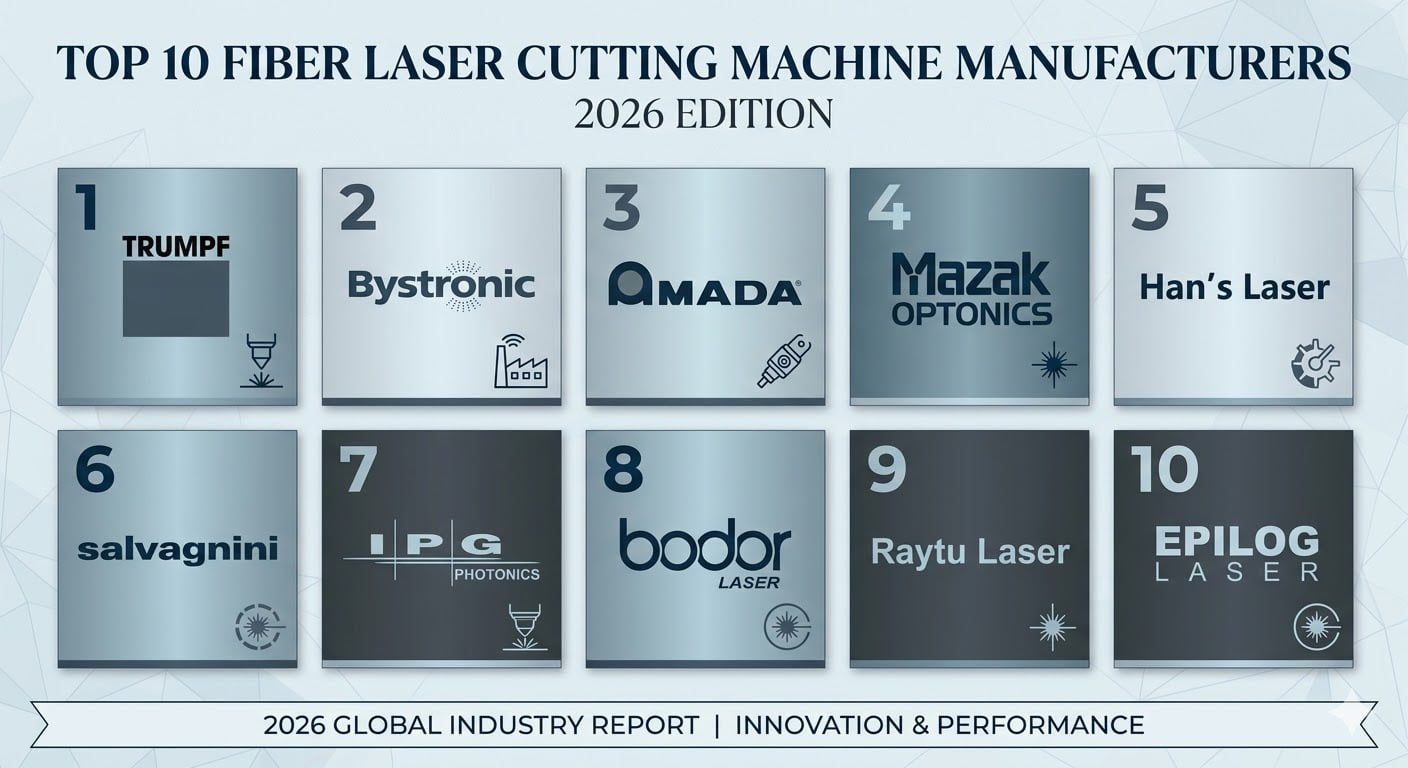
Compare the world's leading fiber laser cutting machine manufacturers in 2026. Explore the latest innovations from TRUMPF, Bystronic, and Raytu Laser. Get expert insights on AI-driven laser technology and ROI for your fabrication business.
Read More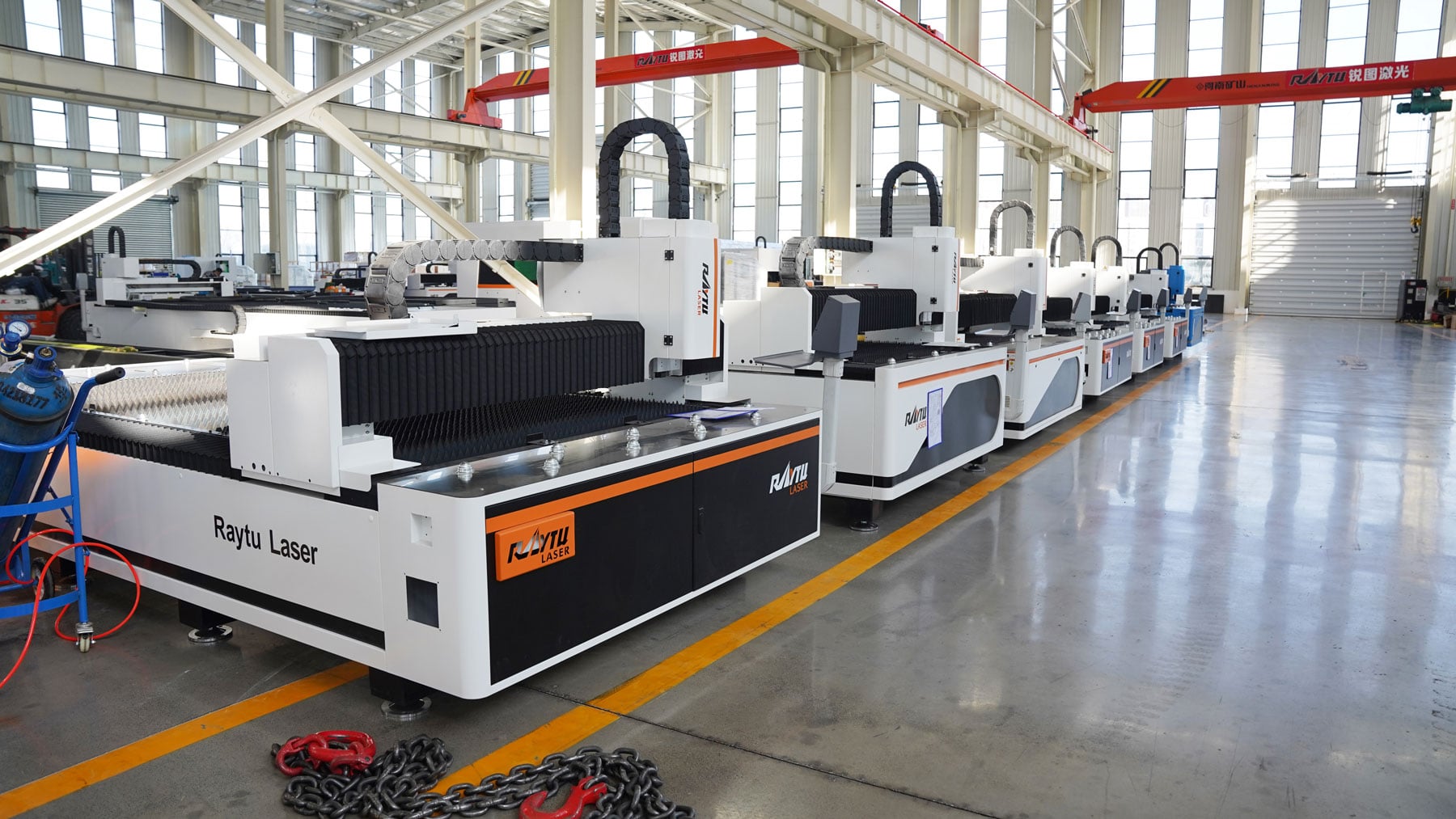
Stop downtime before it happens. A comprehensive daily, weekly, and monthly maintenance checklist for fiber laser cutting machines. Keep your Raytu laser running at peak performance.
Read More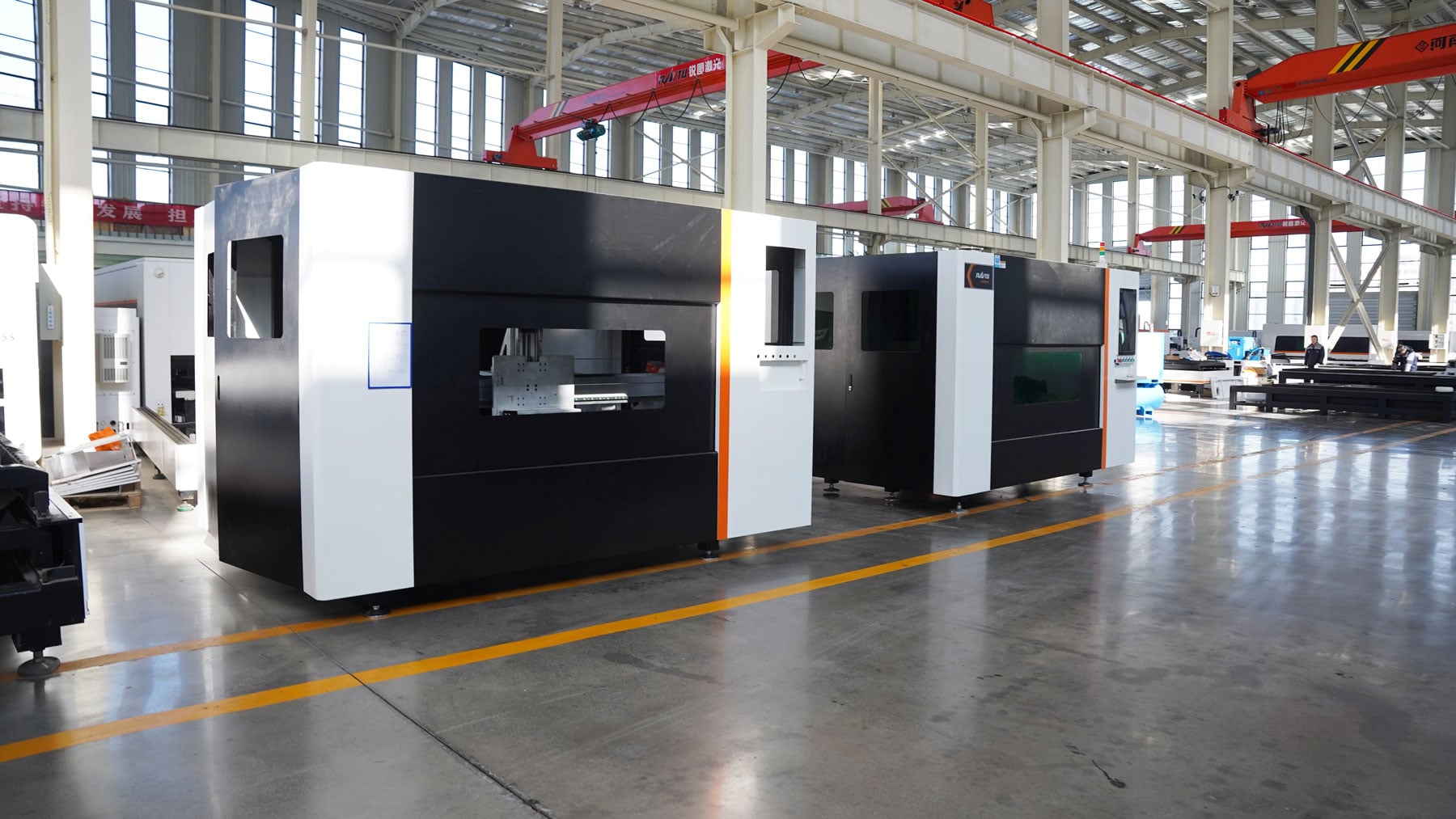
Maximize the lifespan of your CNC fiber laser cutter by mastering consumable management. This guide covers the critical roles of protective lenses, ceramic rings, nozzles, and auxiliary gases. Learn how to choose high-quality parts, prevent lens damage, and maintain stable cutting quality. Essential reading for operators looking to reduce downtime and optimize operational costs with Raytu Laser.
Read More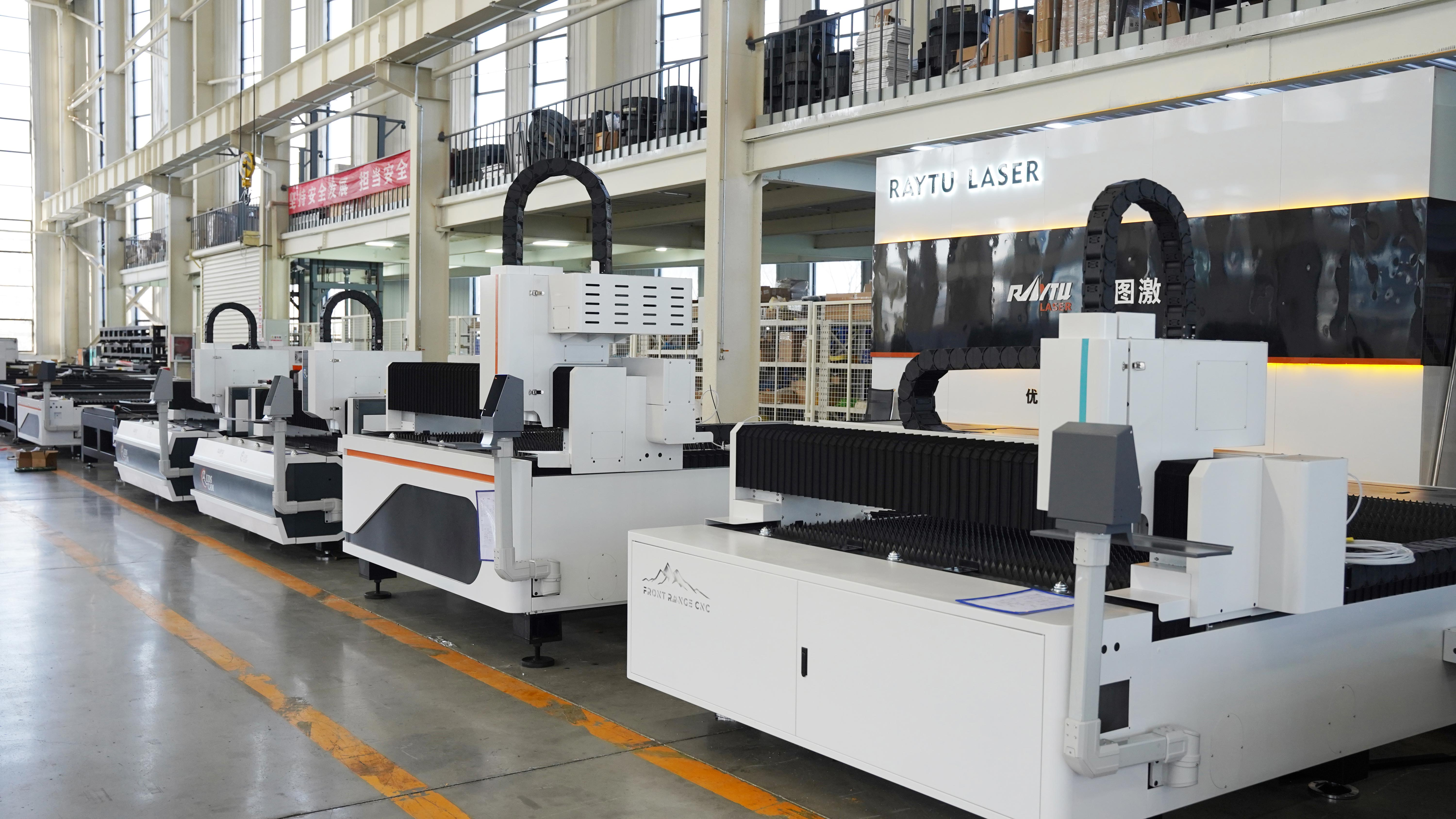
A comprehensive guide to laser cutting operating costs. Learn how assist gases like Oxygen and Nitrogen impact your budget and the differences between Fiber and CO2 gas requirements.
Read More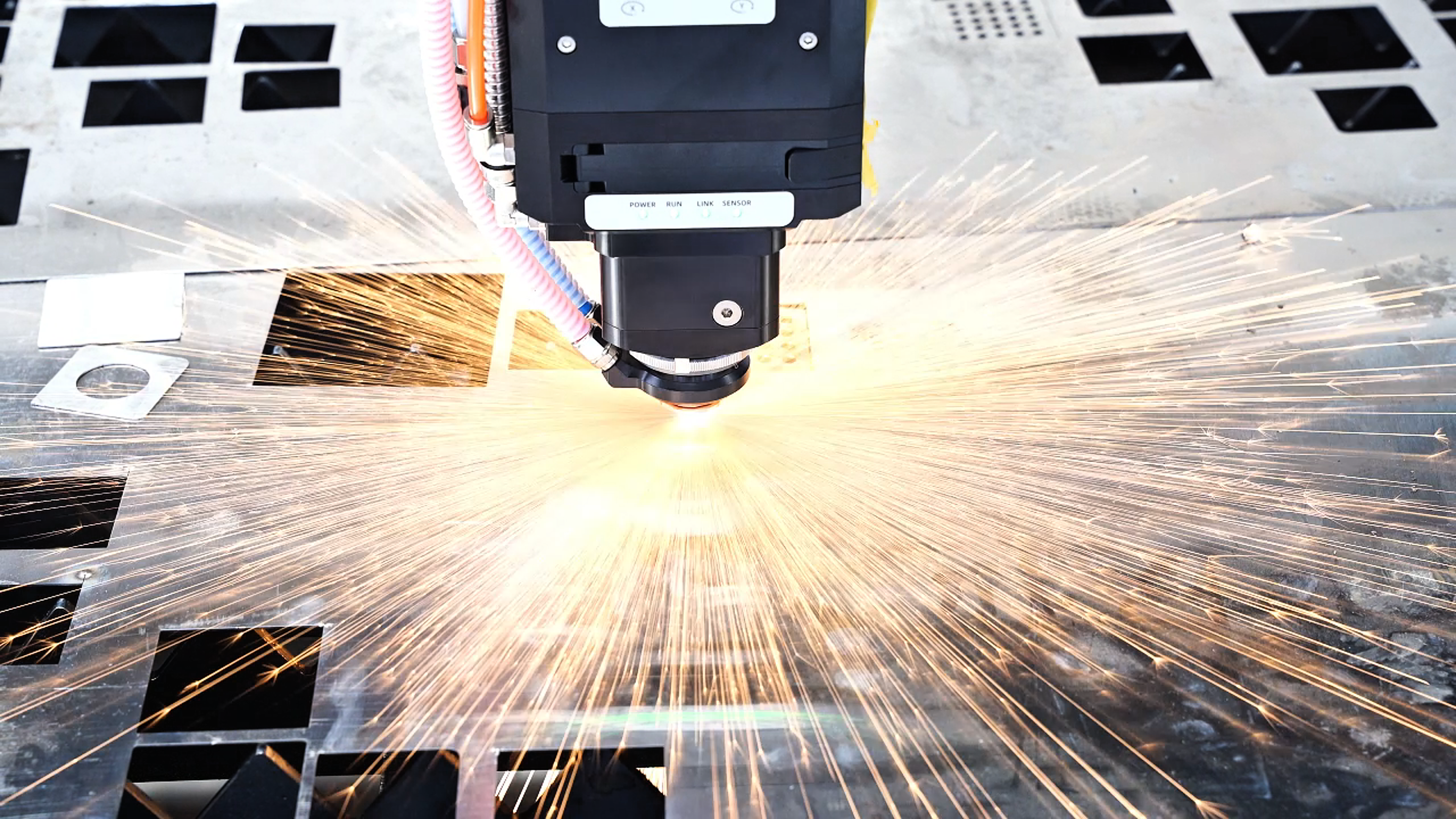
Stop wasting profits on high energy bills. Discover how fiber laser technology offers 30-50% efficiency vs 10% for CO2. Compare real-world power consumption, daily electricity costs, and see why the Raytu 3015H is the cost-effective choice for your factory.
Read More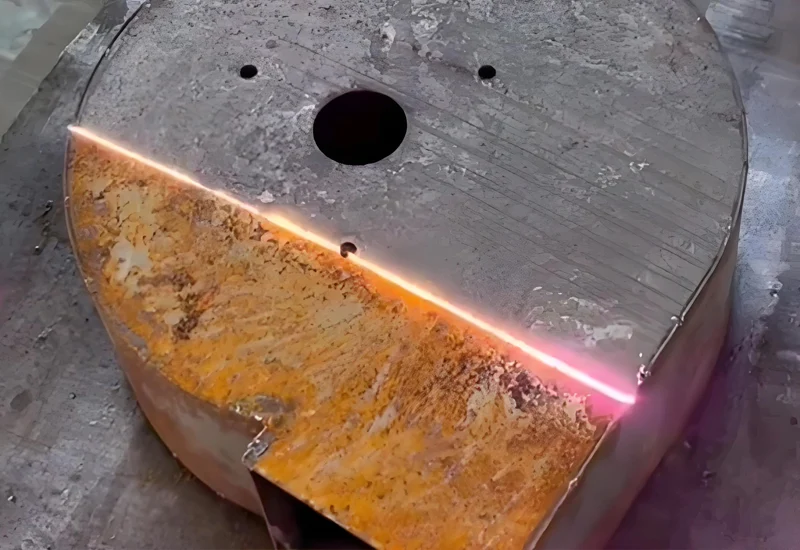
Unlock the precision of laser cleaning by mastering process parameters. Learn how wavelength, pulse width (ns, ps, fs), fluence (J/cm²), and repetition rate control ablation and ensure selective contaminant removal with zero substrate damage. Essential reading for industrial users.
Read More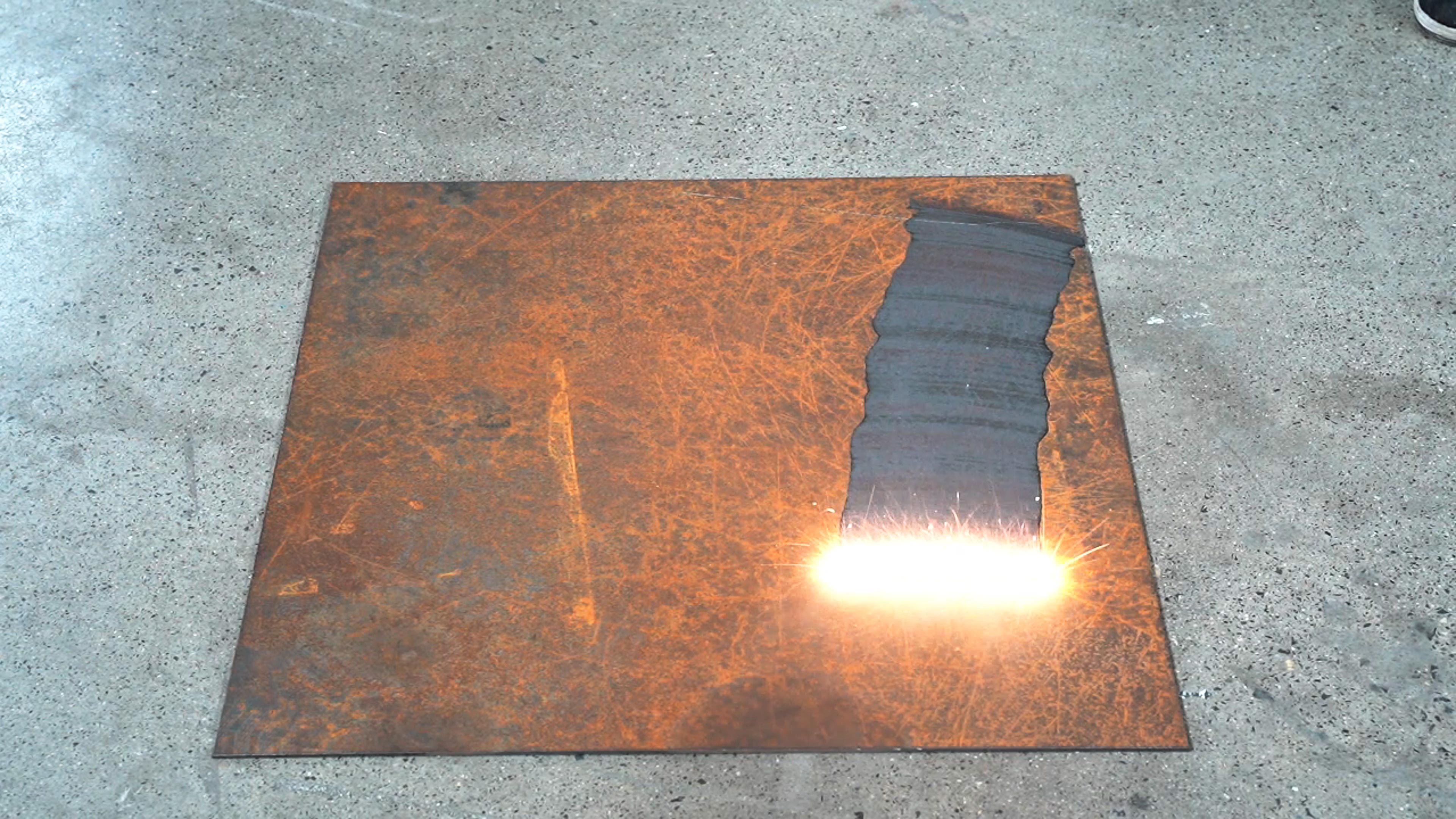
Discover the versatility of laser cleaning technology. Learn what materials and surfaces—from corroded steel on offshore rigs and aluminum oxide on aerospace parts to historic sandstone and PCB conformal coatings—can be safely and precisely cleaned using non-contact lasers. See why industries choose laser ablation for superior precision and environmental safety.
Read More Hot News
2026-09-08
2025-09-11
2025-08-25
2025-08-04
RT Laser is a nationally recognized high-tech enterprise specializing in the research, development, production, and sales of laser equipment. Our core products include fiber laser cutting machines, handheld laser welding machines, and bending machines.
No.6-8, Binhe industrial park, Jiyang district, Jinan city, Shandong province, China.
Copyright © 2025 by RAYTU LASER Technology Co.,Ltd. Privacy Policy
 EN
EN