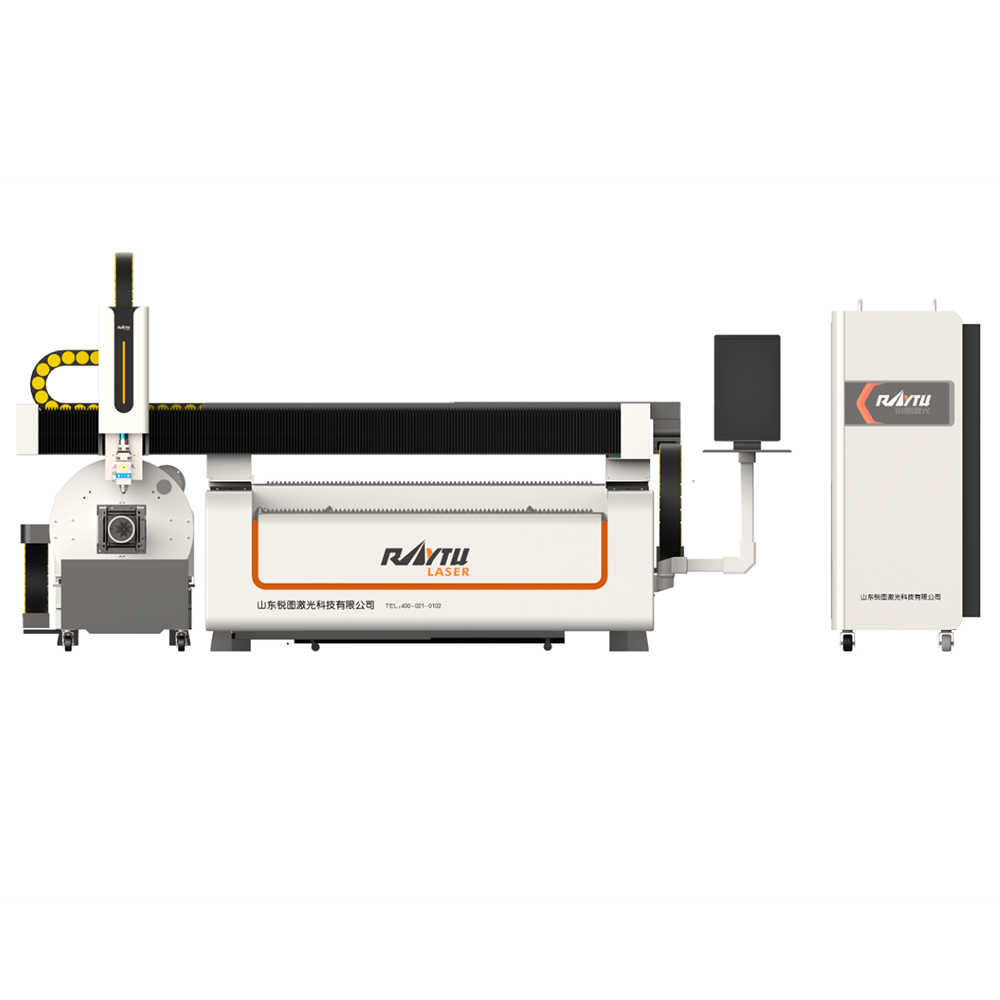
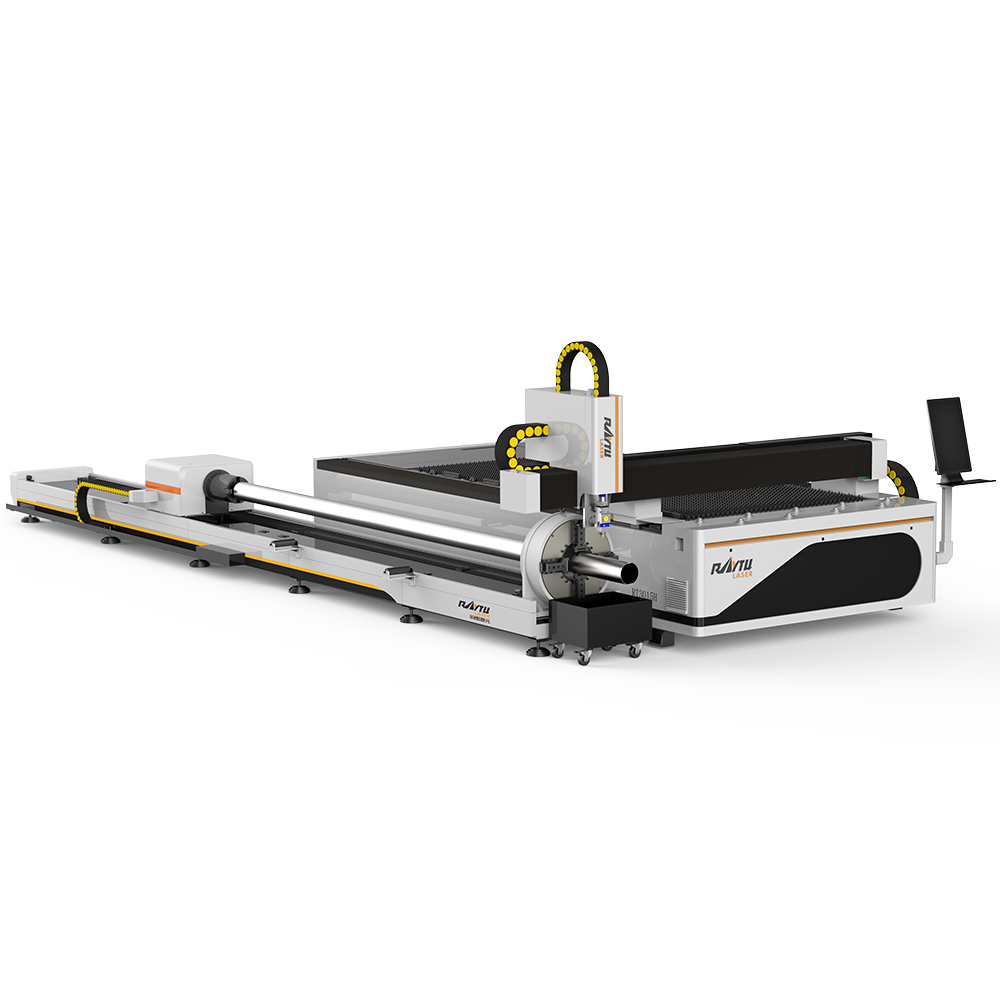
When it comes to laser cutting, fiber, CO2, and diode lasers each bring something different to the table based on what needs to be cut and how precise the job requires. Fiber lasers operate at around 1.06 microns and work really well with metals, especially stainless steel where they can hit accuracy within about 0.05 mm because the metal absorbs the laser energy so effectively. For non-metal materials such as acrylic sheets, CO2 lasers at 10.6 microns tend to give cleaner edges and can cut through stuff under 10 mm thick about 20% quicker than other options. Diode lasers aren't as strong as the others but they do create very narrow cuts, sometimes below 0.1 mm wide, which makes them great for working with delicate materials like thin foils and various plastics commonly used in electronic components manufacturing.
When we look at laser systems, those with a narrower beam diameter around 0.1 mm actually perform much better when paired with good quality focusing optics. These setups can cut down on heat affected areas by roughly 40 percent compared to what we see with the wider 0.3 mm beams. Fiber lasers work differently too because they have shorter wavelengths which pack about thirty times more energy density than traditional CO2 lasers do. This makes them great for doing detailed work on thin brass sheets that are less than a millimeter thick. There is one catch though. Diode lasers run into problems with certain materials that tend to reflect light back at them. For this reason, most applications stay below 300 watts power level where the heat doesn't warp things too badly, keeping distortions within about five micrometers per meter.
Lasers that pulse between 500 and 1,000 times per second cut down on dross formation in aluminum by around 60%, all while keeping tolerances within plus or minus 0.08 mm. When manufacturers tweak the duty cycle from 30% up to 70%, they see significant improvements in surface finish too. Edge roughness drops from about 3.2 microns down to just 1.6 microns in titanium alloys, as recent research in precision machining has shown. And for carbon steel pieces thinner than 6 mm, using burst mode with 1 millisecond pulses gets them almost perfect right angles, hitting 99% perpendicularity. This kind of accuracy matters a lot when making parts where even tiny deviations can cause problems in industrial applications.
Key Accuracy Factors by Laser Type
| Parameter | Fiber Laser | CO₂ Laser | Diode Laser |
|---|---|---|---|
| Optimal Material | Reflective Metals | Non-Metals | Thin Polymers |
| Speed (1 mm Steel) | 12 m/min | 8 m/min | 3 m/min |
| Edge Angle Variance | ±0.3° | ±0.5° | ±1.2° |
| Energy Efficiency | 35% | 15% | 22% |
The choice of material plays a big role in what level of precision can actually be achieved. When looking at thicker materials between 5 and 25 mm, we typically see kerf deviations that are about 15 to 30 percent wider compared to thin sheets below 3 mm. This happens mainly because of beam dispersion issues and inconsistent heat spread throughout the material. Metals tend to hold their shape better with tighter tolerances ranging from plus or minus 0.002 inches up to 0.006 inches. Polymers on the other hand often warp during processing. Recent research published in 2023 showed that 304 stainless steel pieces thinner than 3 mm maintained positional accuracy around ±0.0035 inches. Acrylic materials of comparable thickness however displayed much greater variation at approximately ±0.007 inches primarily caused by thermal expansion effects.
Metals that reflect a lot of light, especially aluminum, bounce back around 60 to 85 percent of laser energy. This means operators need to crank up the power by about 20 to 40 percent just to get decent results, which unfortunately raises the chances of cutting too much material away. Take copper for instance its thermal conductivity is over 400 W/mK, making temperature control during processing quite challenging for technicians working with these materials. When it comes to polymers like polycarbonate, there's another issue altogether. These materials tend to soak up infrared light inconsistently across their surface area, resulting in those annoying tapered edges when making cuts deeper than eight millimeters. Fortunately, recent advances have brought us anti reflective coatings for aluminum surfaces. Manufacturers report that these coatings cut down on beam scattering by roughly 40 percent in precision manufacturing scenarios where every micron counts.
| Material | Thickness (mm) | Dimensional Accuracy (±inches) | Edge Quality (Ra µin) | Common Applications |
|---|---|---|---|---|
| 304 Stainless | 2 | 0.002–0.005 | 32–45 | Medical instruments |
| 6061 Aluminum | 2 | 0.003–0.006 | 55–75 | Aerospace components |
Under identical 4 kW fiber laser settings, stainless steel maintained 98% dimensional consistency across 100 cuts, compared to aluminum’s 91%. Aluminum’s lower melting point resulted in an average edge burr of 0.0008" during high-speed cutting (>80 m/min).
The precision we see in laser cutting machines comes down to their motion components. Take servo motors for instance – modern ones can position tools within about plus or minus 5 micrometers. And those premium linear guides? They cut down on friction problems by somewhere between 40% and 60% compared to regular rails. The frame itself matters too. Good rigid construction can handle deflection forces reaching around 12 kilonewtons per meter when the machine accelerates. A recent study from the Robotics Automation field in 2024 found something interesting: how much industrial robots move out of place directly affects the quality of parts produced in these high precision jobs. That makes sense when looking at what manufacturers need from their equipment today.
Advanced vibration-damping systems in high-end machines limit harmonic oscillations to <0.8 μm amplitude, preserving ±0.01 mm repeatability. Granite composite bases and active mass dampers absorb 85–92% of ambient vibration energy, preventing resonance that can widen kerf by 15–30% in thin materials.
Beam delivery systems maintaining <0.03 mm focal spot drift achieve kerf widths under 0.1 mm in stainless steel, with edge roughness (Ra) below 1.6 μm. High-pressure assist gas (up to 25 bar) stabilizes plasma formation, reducing edge taper by 70%. Real-time beam monitoring corrects power fluctuations within 50 ms, ensuring ±2% energy density consistency.
Getting accurate results means getting the settings right on laser power which ranges from around 200 to 6,000 watts, adjusting feed rates between half a meter per minute up to 20 meters per minute, and accounting for how thick the material actually is. Some recent research back in 2025 found something interesting about different metals too. When cutting through 1mm thick stainless steel, operators can actually cut down on power usage by about 25 percent compared to working with aluminum at similar speeds if they want to stay within that tight tolerance window of plus or minus 0.05 mm. For thinner stuff under three millimeters thick, going faster between 10 and 15 meters per minute while keeping power levels low helps reduce those pesky heat affected areas. But when dealing with thicker plates ranging from 10 to 25 mm, things change completely. Slowing down to just 0.5 to 3 meters per minute becomes necessary along with carefully controlled power adjustments throughout the process to ensure proper penetration all the way through.
Modern systems use capacitive height sensors to dynamically adjust focal position, compensating for material warping during cutting.
Machine learning algorithms analyze real-time data from over 15 sensors (thermal, optical, positional) to adjust parameters mid-process. A 2024 process optimization study found adaptive systems improved edge perpendicularity by 22% in variable-thickness carbon steel. These systems also reduce setup time by 65% through material database matching and predictive power modulation.
Advanced controllers make up to 10,000 adjustments per second using PID loops and interferometric verification. Beam path corrections occur within 4 µs of detecting deviation, maintaining positional accuracy of ±5 µm even at cutting speeds of 25 m/min.
Laser cutting machines tend to drift off course if they don't get calibrated regularly. Studies from the Precision Engineering Institute show these machines can lose around half a millimeter in accuracy each year because of things like heat changes and parts wearing down over time. Regular checkups help avoid expensive mistakes by tackling common issues such as dirty lenses, mirrors that have shifted out of place, and bearings that are starting to fail after long hours of operation. Just keeping those optical components clean makes a real difference too. Some tests indicate that this simple step can boost beam stability by nearly 18 percent, which means cleaner cuts especially when working with thinner metals where precision matters most.
Automated calibration reduces human error by 90% and completes alignment five times faster than manual methods. However, manual calibration remains necessary for legacy systems requiring iterative tuning. High-mix production environments often combine both: automation ensures repeatability, while skilled technicians oversee critical custom jobs.
Thermal fluctuations beyond ±3°C can distort fiber laser wavelengths, while humidity above 60% accelerates lens oxidation. Proper operator training reduces accuracy loss by 32%, as experienced technicians quickly identify issues like assist gas misalignment. Best practices include:
Following ISO 9013:2022 standards helps maintain dimensional tolerances within ±0.1 mm despite changing shopfloor conditions.
Fiber lasers are highly effective for cutting metal, especially reflective metals like stainless steel.
CO2 lasers provide cleaner edges and quicker cuts for non-metal materials like acrylic sheets.
Diode lasers create very narrow cuts and are ideal for delicate materials such as thin foils and various plastics used in electronics.
Thicker materials often cause wider kerf deviations, whereas thinner materials can maintain tighter tolerances.
Servo motors help position tools precisely within a few micrometers, enhancing the overall accuracy of the cutting process.
 Hot News
2026-09-08
2025-09-11
2025-08-25
2025-08-04

RT Laser is a nationally recognized high-tech enterprise specializing in the research, development, production, and sales of laser equipment. Our core products include fiber laser cutting machines, handheld laser welding machines, and bending machines.
No.6-8, Binhe industrial park, Jiyang district, Jinan city, Shandong province, China.
Copyright © 2025 by RAYTU LASER Technology Co.,Ltd. Privacy Policy
 EN
EN