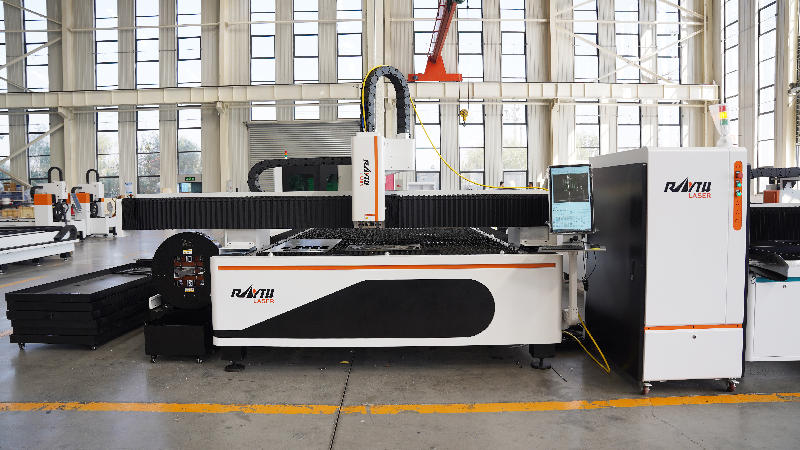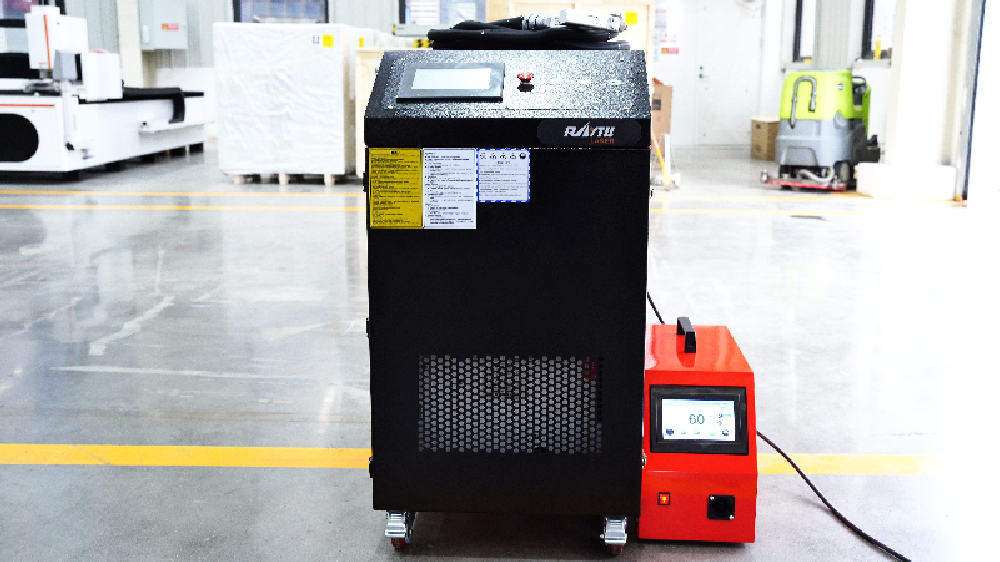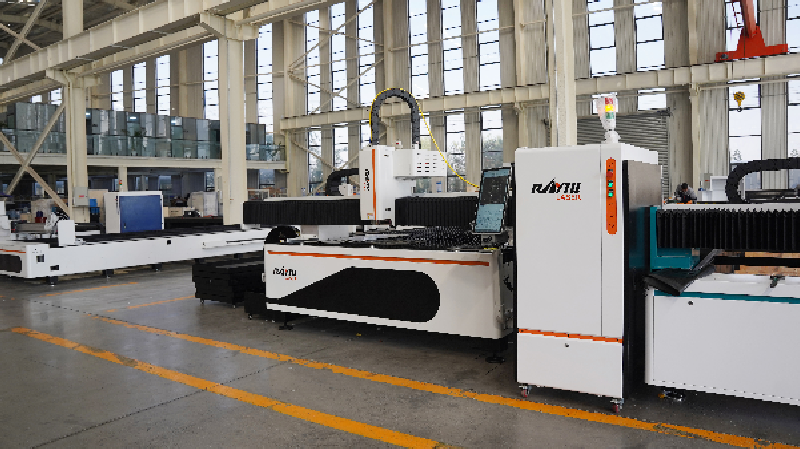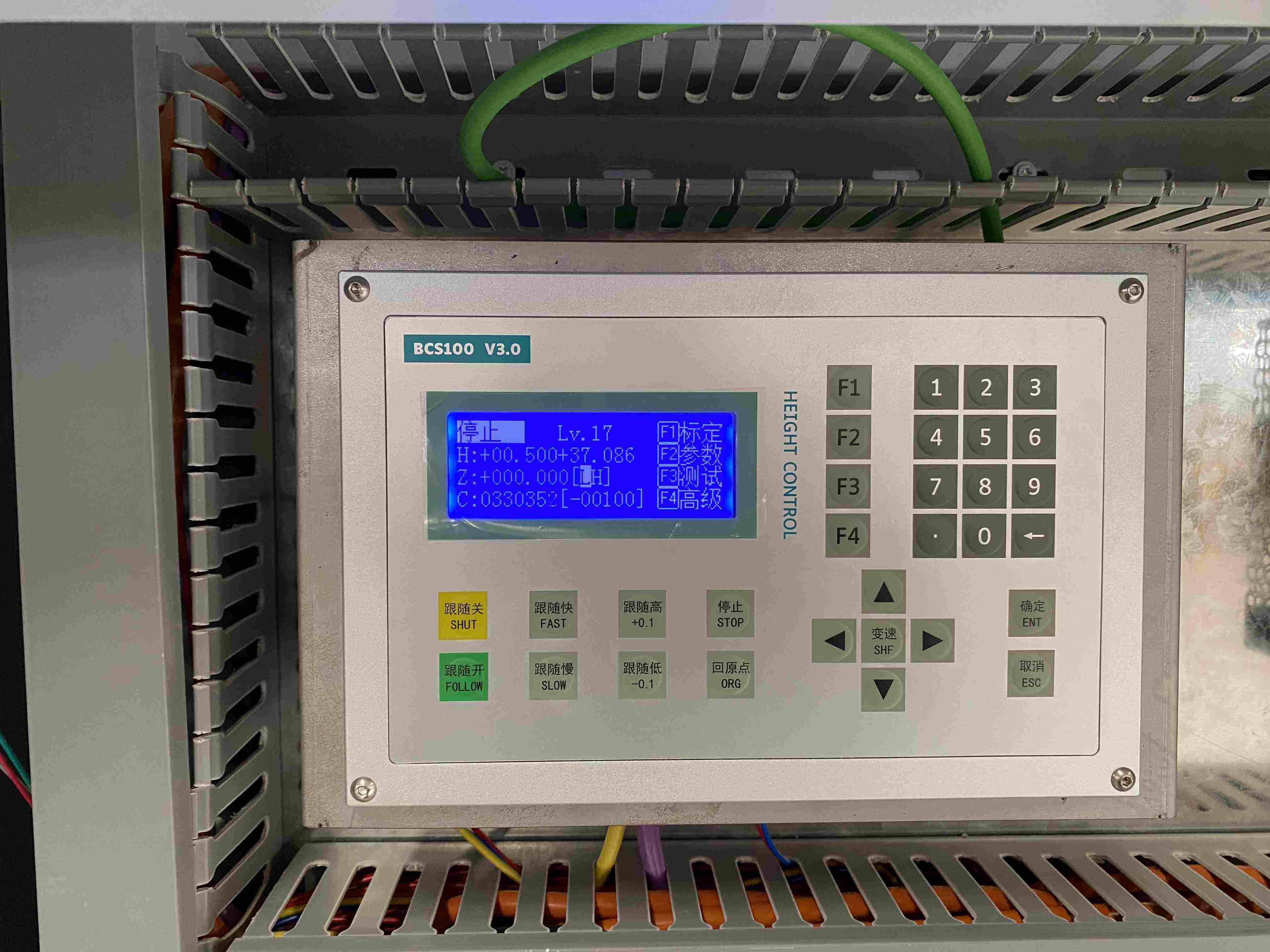

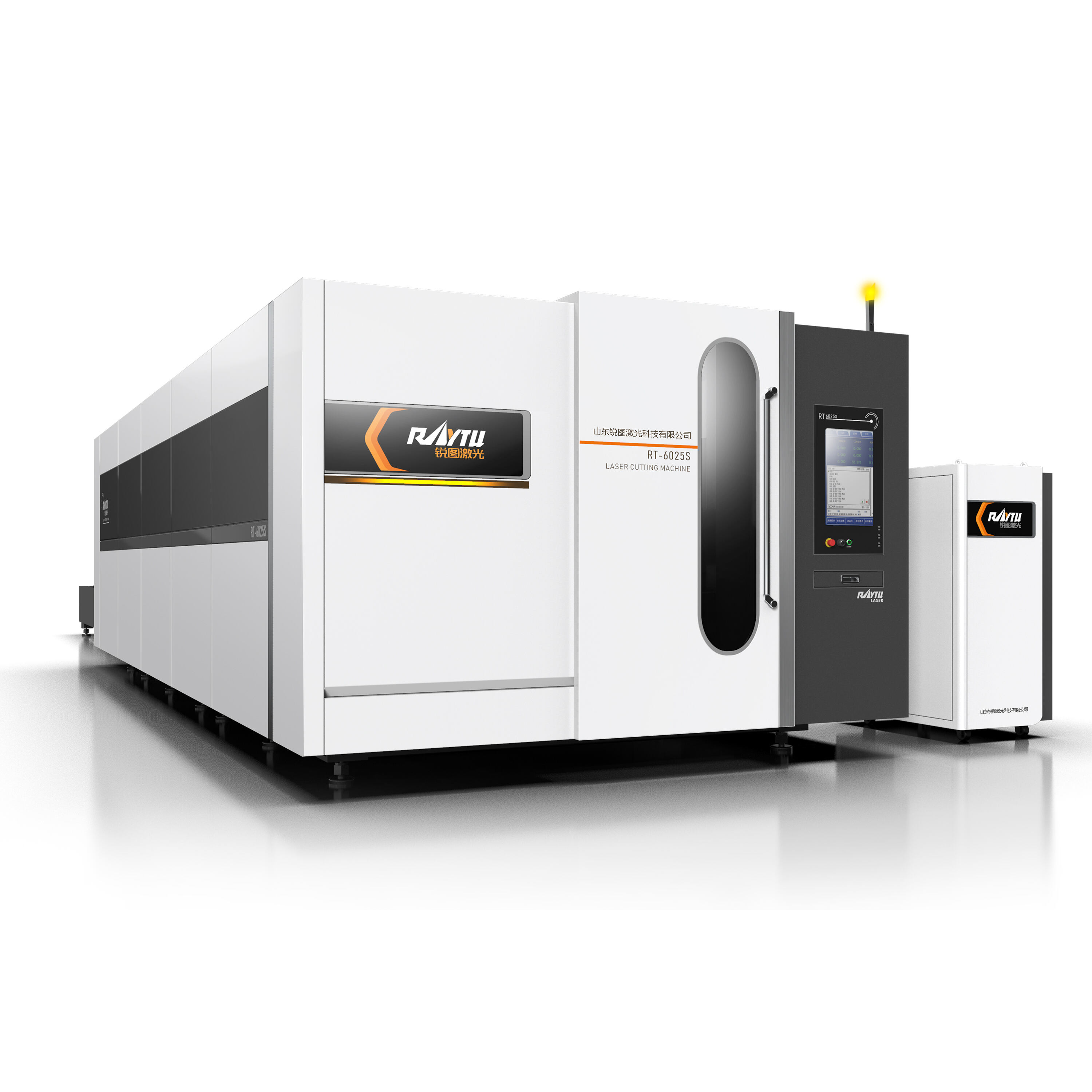
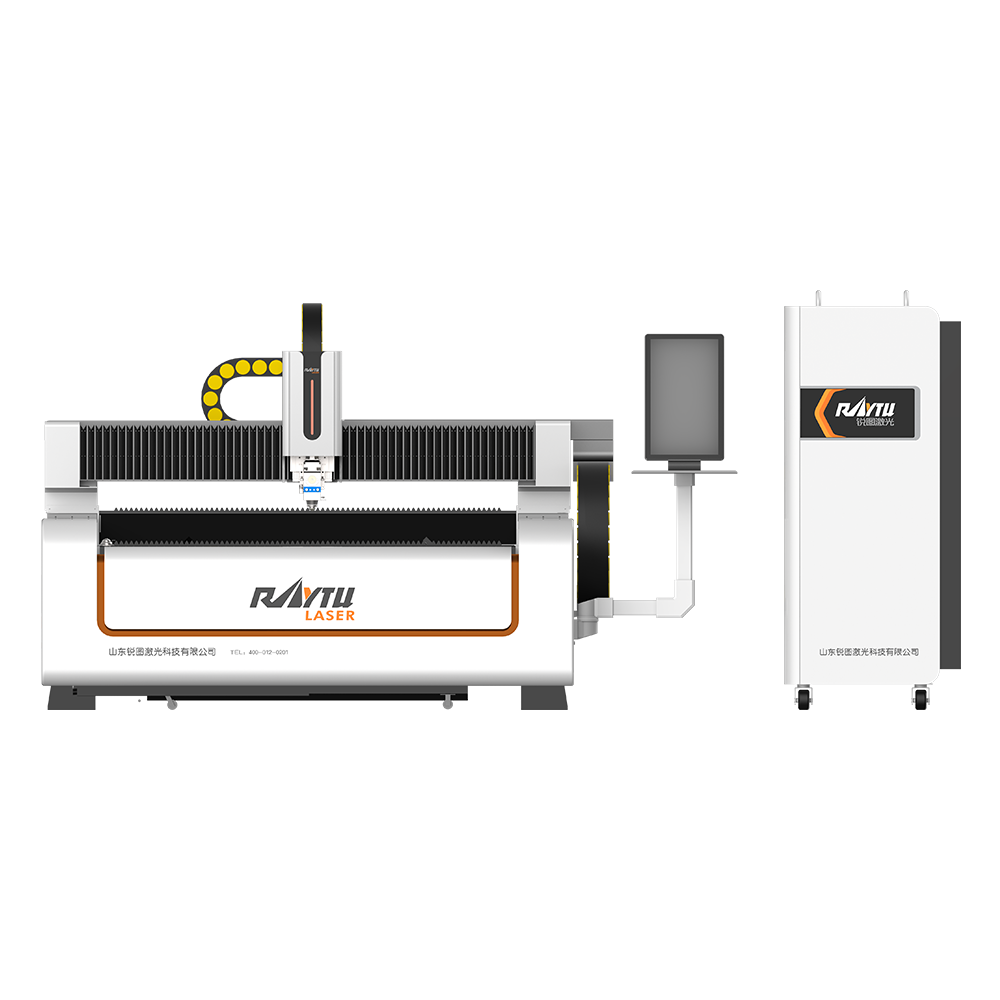
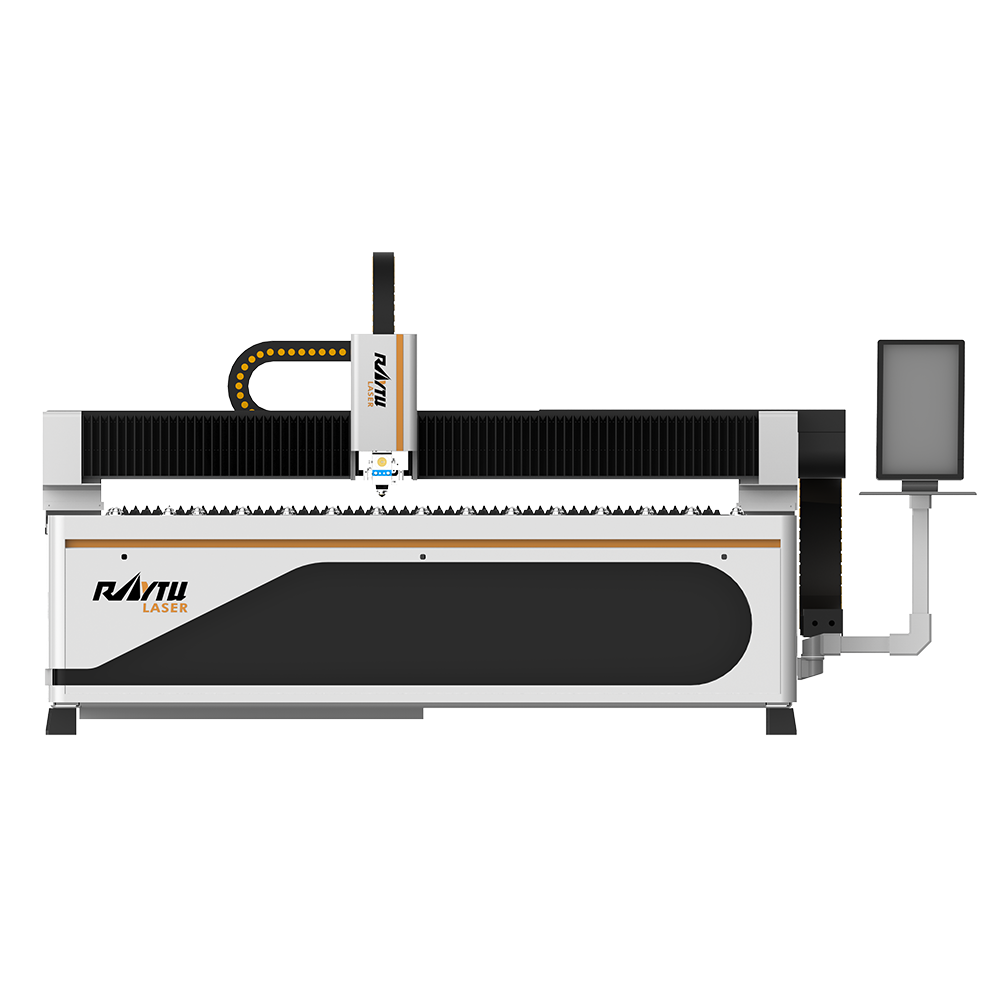
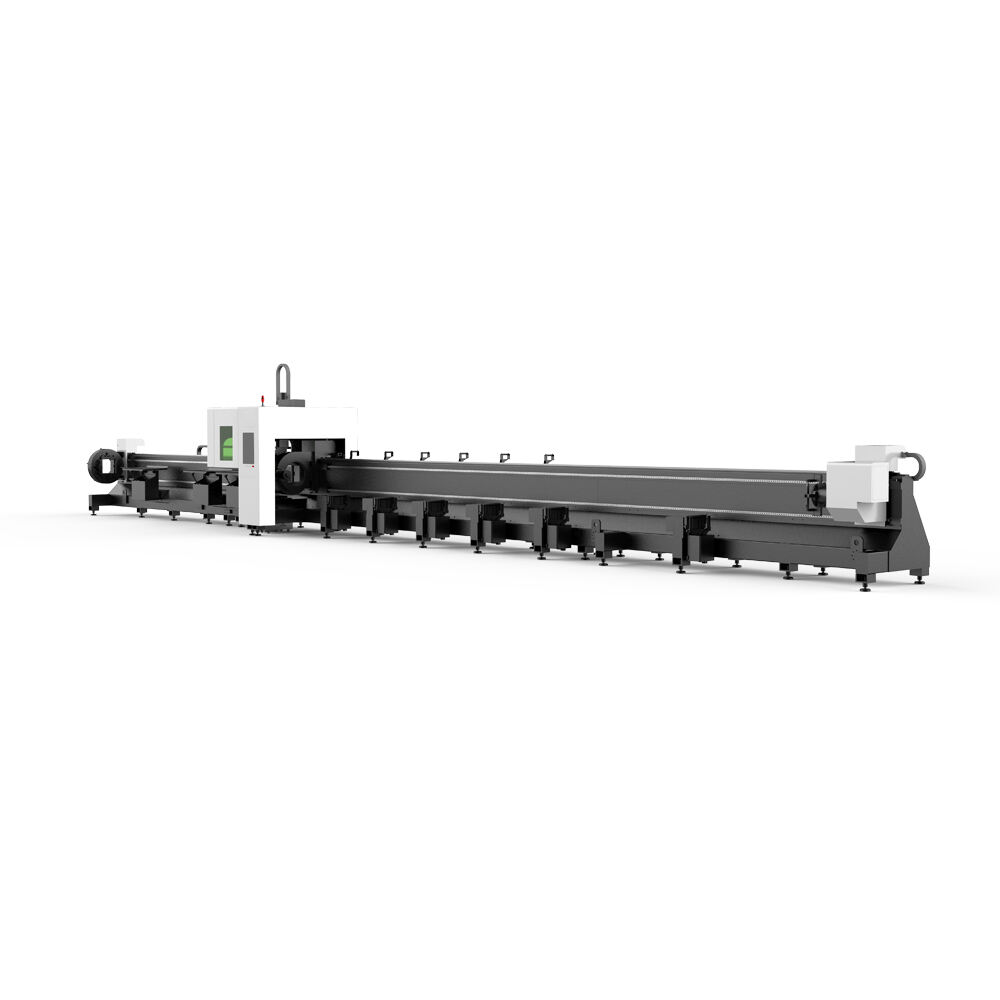
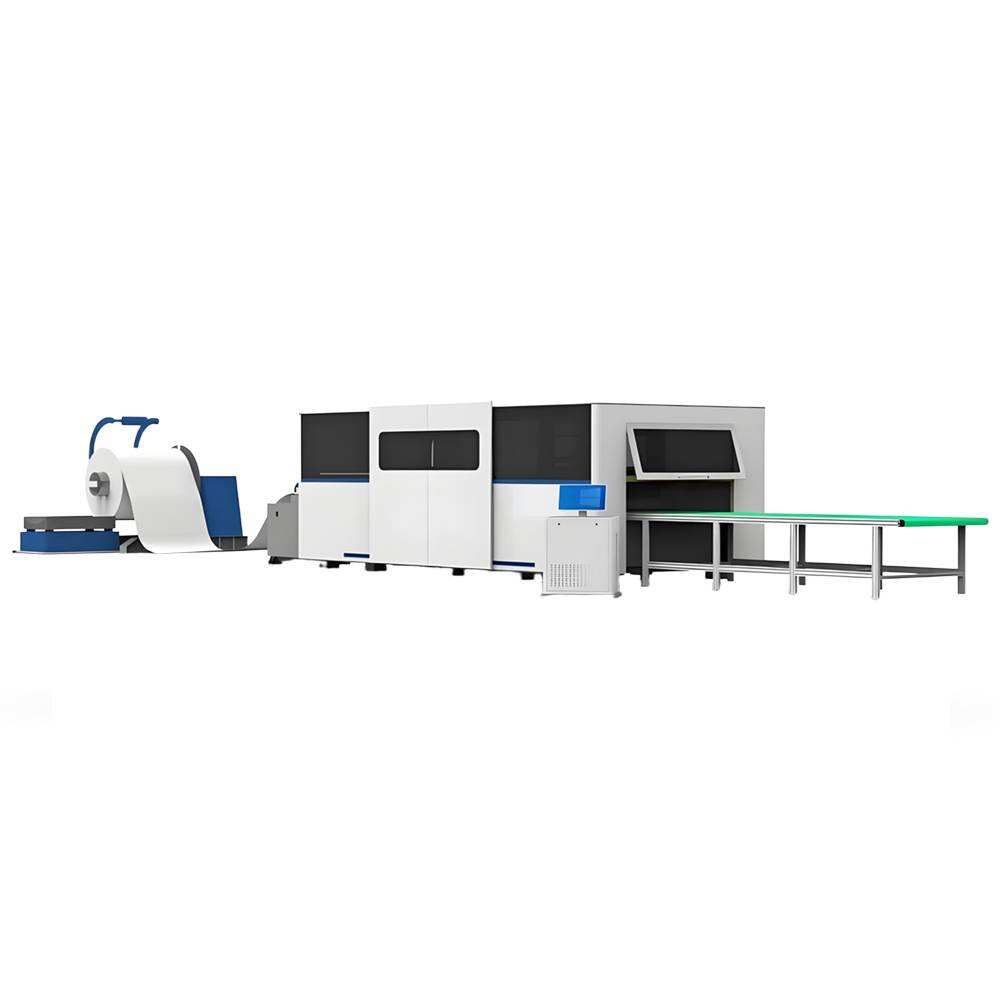
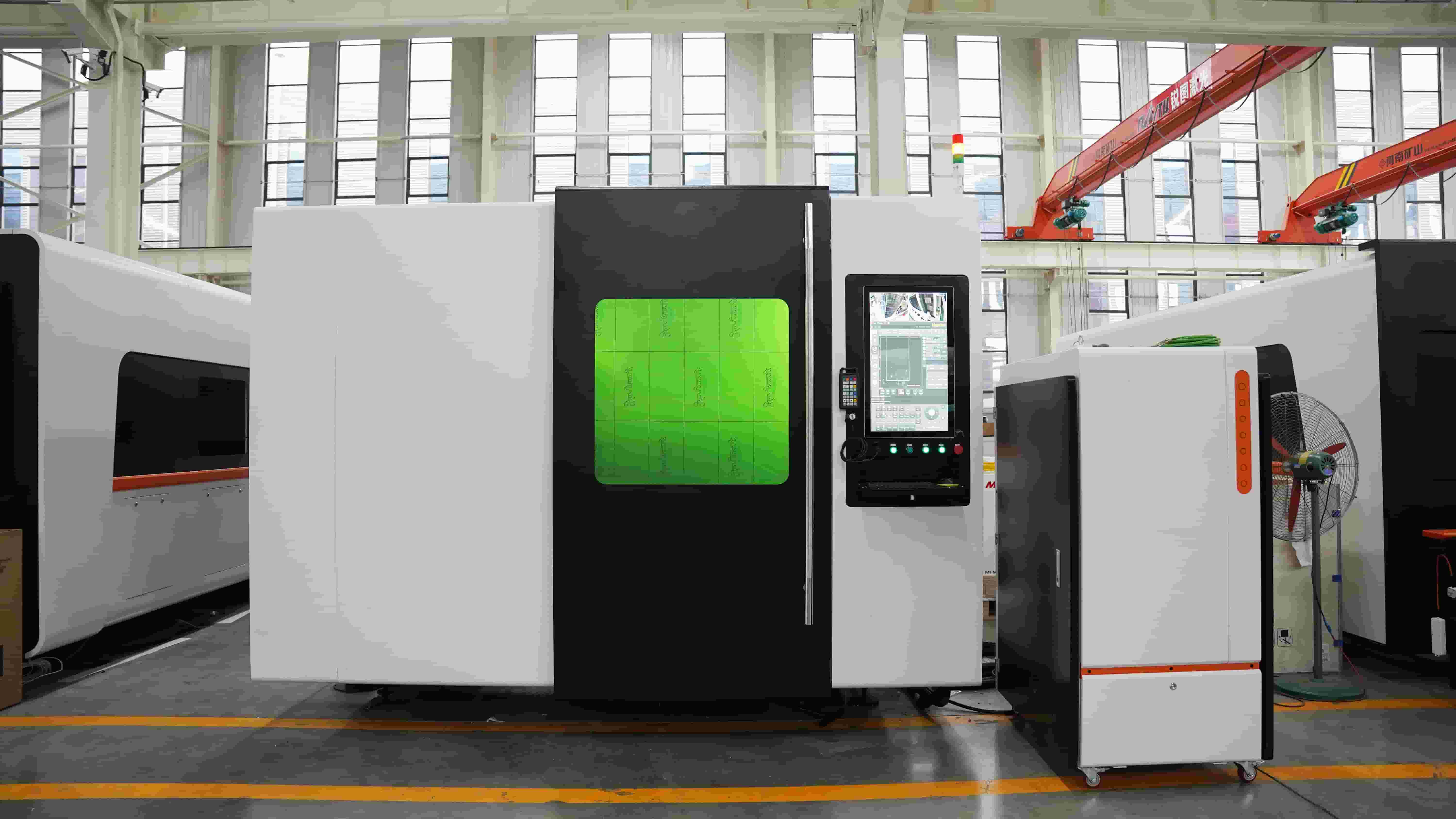
Fiber laser cutting systems operate on the fundamental principle of converting electrical energy into coherent optical radiation through diode-pumped fiber optic amplifiers. These systems generate laser beams with exceptional focusability, achieving spot sizes down to 15μm diameter with power densities surpassing 10^8 W/cm². The optical architecture incorporates multiple stages of fiber-coupled amplification, typically utilizing single-clad or double-clad gain fibers with cladding-pumping configurations. This design enables brightness levels orders of magnitude higher than conventional laser sources while maintaining beam quality factors (M²) approaching the theoretical limit of 1.05. The material processing mechanism involves precisely controlled thermal penetration where the laser energy interacts with materials through absorption coefficients varying with wavelength and material properties. Modern systems incorporate dynamic beam control with programmable focus shift capabilities up to ±10mm and frequency modulation from continuous wave to 50kHz pulsed operation. Industrial applications in shipbuilding demonstrate processing of 35mm mild steel with 15kW lasers at 1.0m/min, producing kerf widths of 0.4mm with excellent edge squareness. The technology proves indispensable in pressure vessel manufacturing, where 8kW systems cut 12mm carbon steel at 3.5m/min while maintaining material integrity in heat-affected zones below 100μm. For architectural applications, fiber lasers create intricate patterns in 5mm brass sheets with cutting speeds of 6m/min and minimal thermal distortion. Aerospace component manufacturers utilize the technology for processing 8mm titanium alloys with nitrogen-assisted cutting producing oxidation-free edges. Advanced systems feature integrated vision systems for automatic part recognition and precision piercing protocols that minimize splash formation. The operational framework includes smart factory connectivity with OPC UA interface for real-time production monitoring and predictive maintenance alerts based on optical component degradation analysis. The economic advantages manifest through reduced consumable costs with nozzle life extended to 300 cutting hours and elimination of external gas generators for nitrogen-assisted cutting. For application-specific technical consultations and detailed process demonstrations, our technical team remains available to provide comprehensive support and equipment customization services.