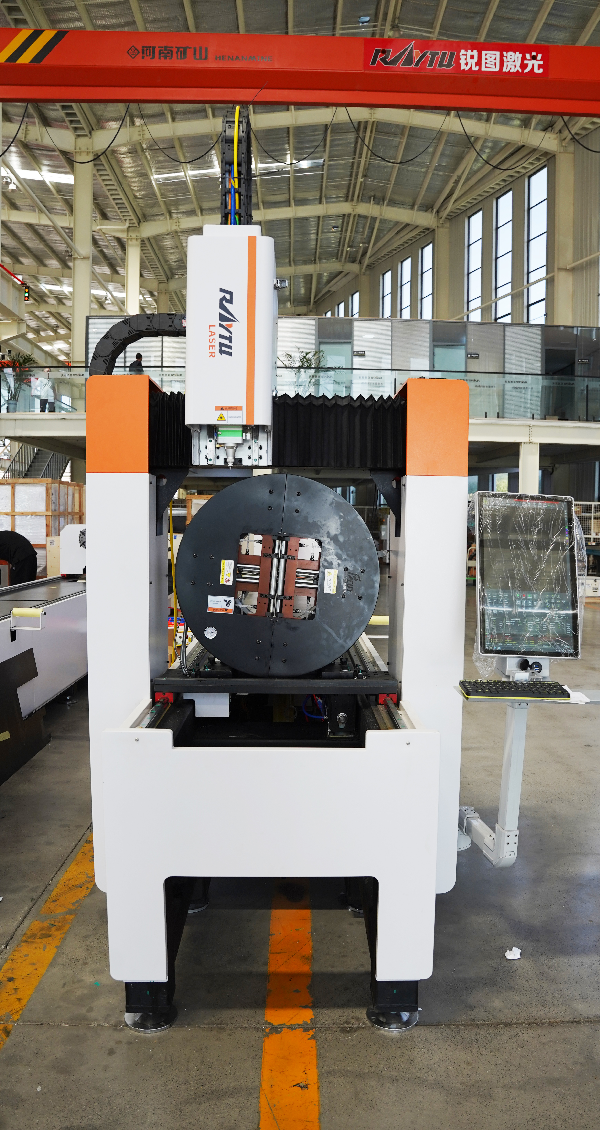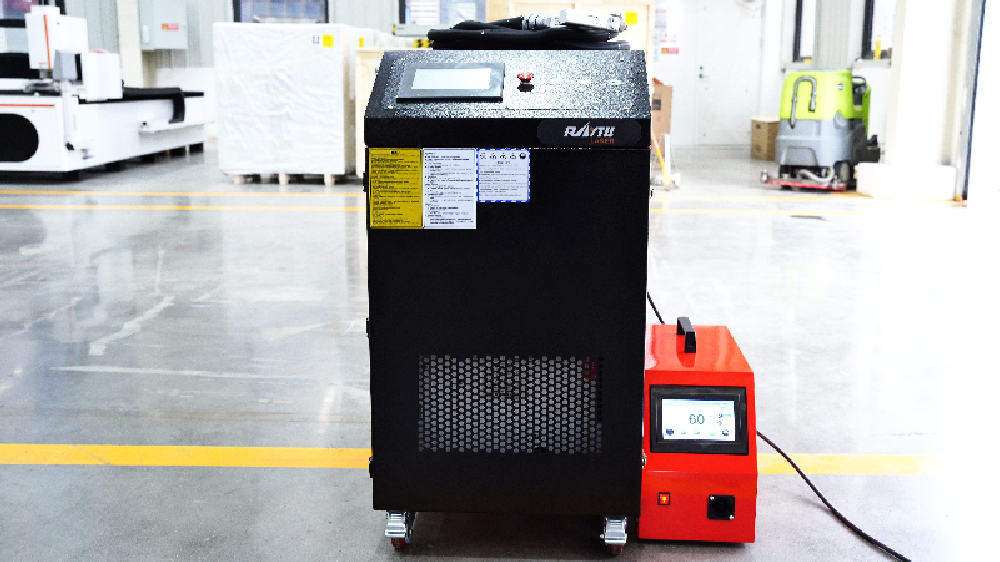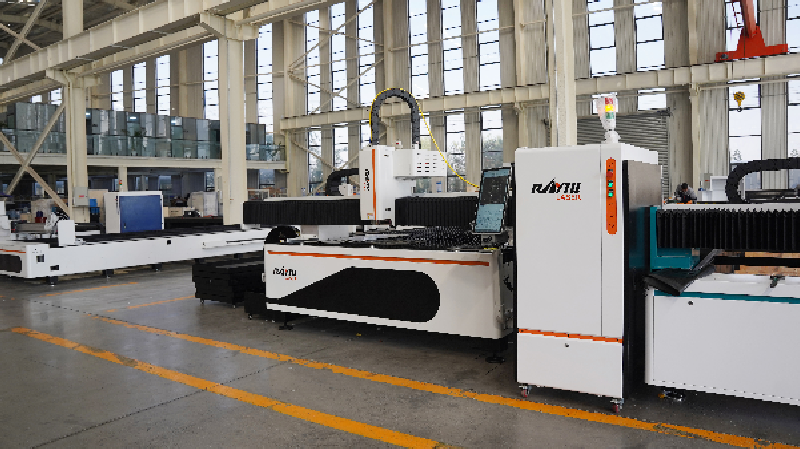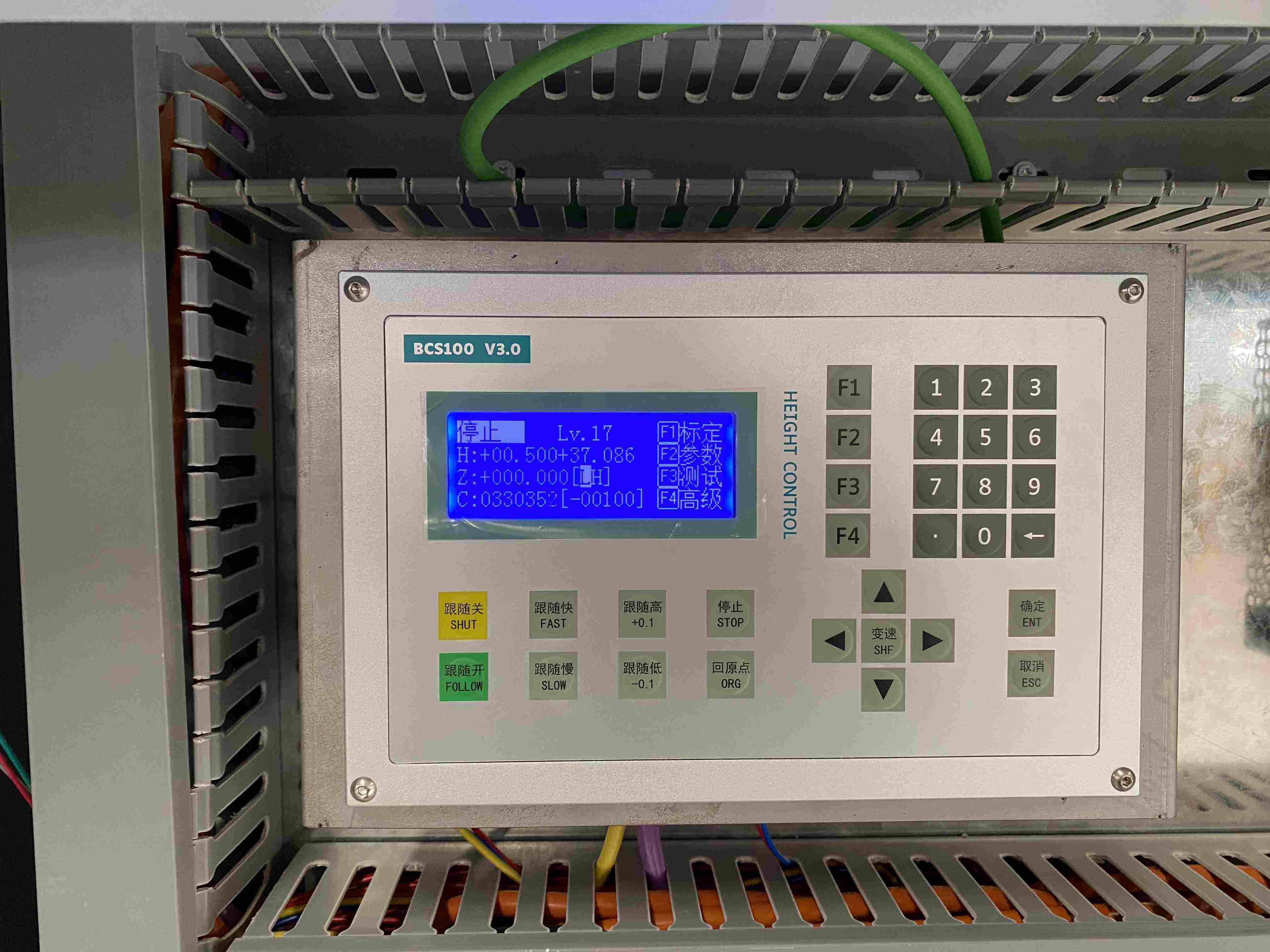

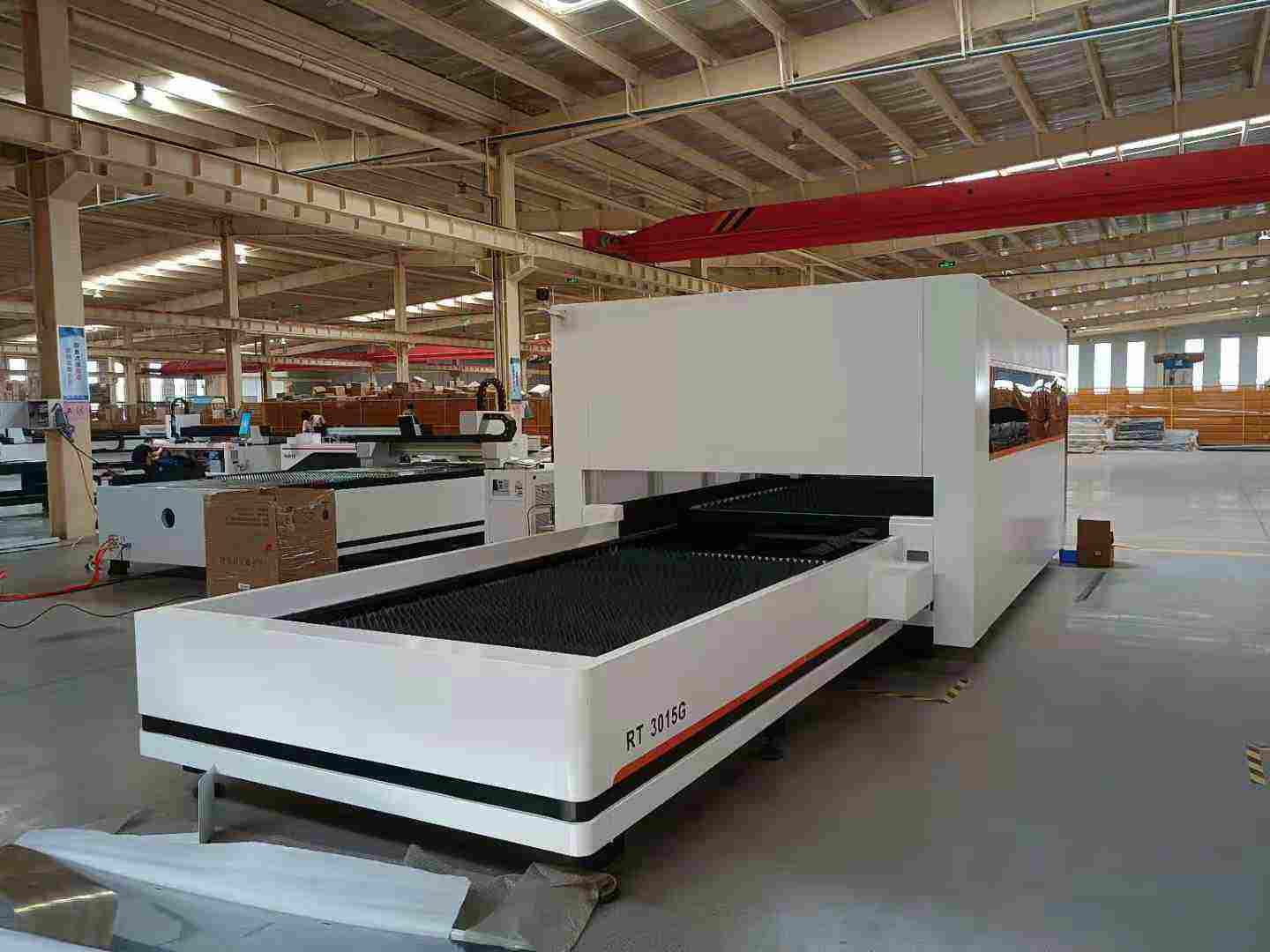
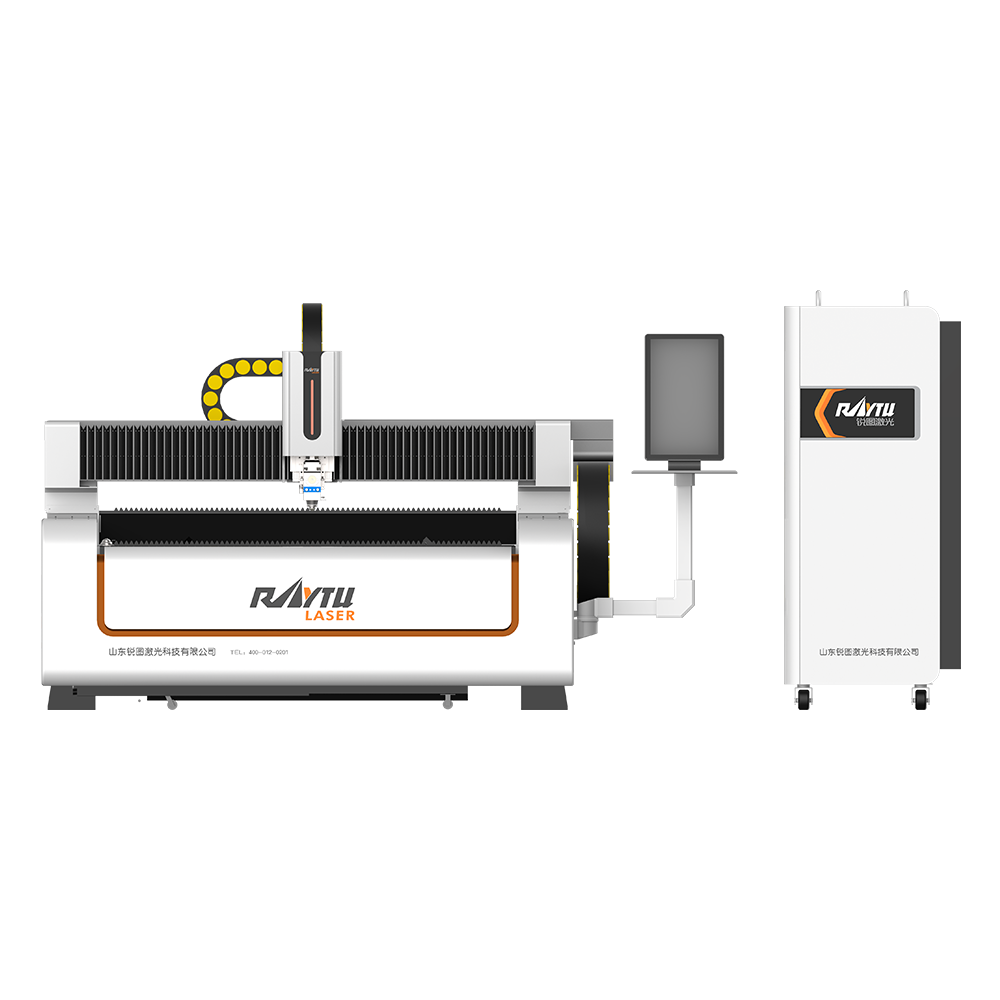
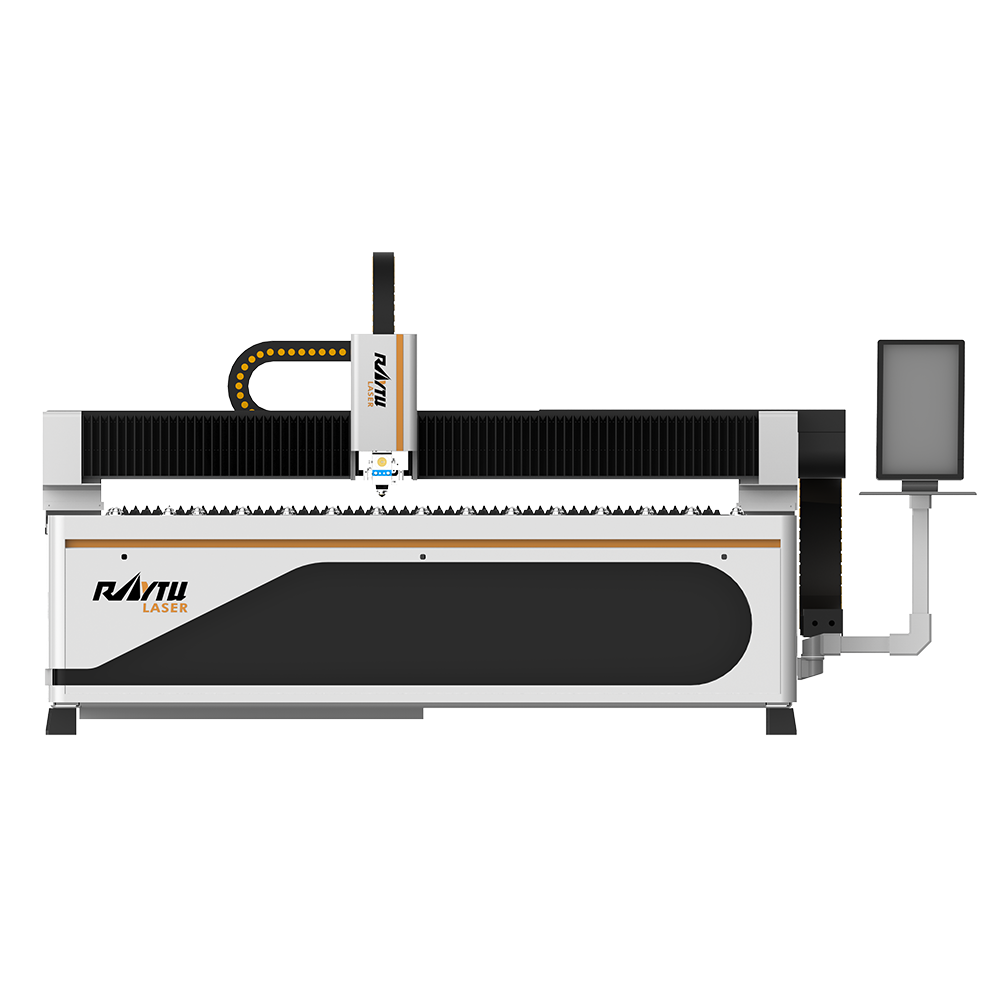
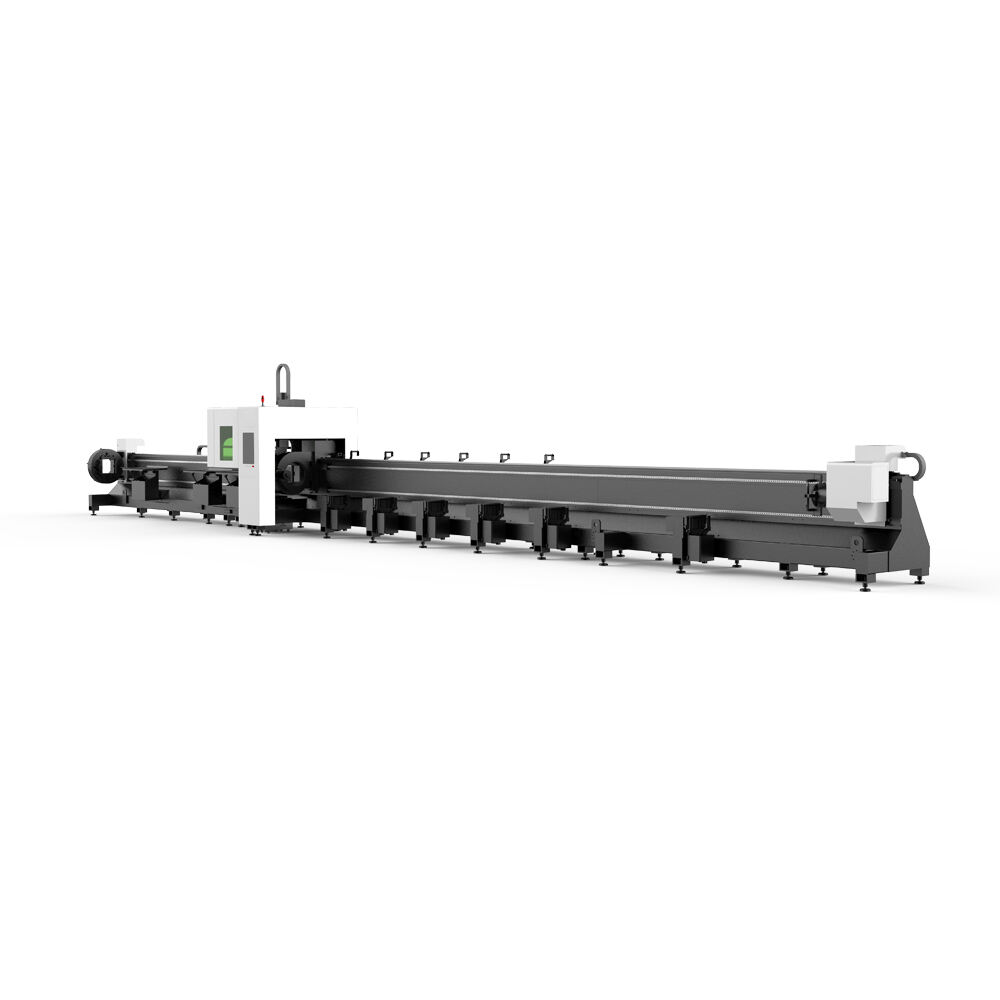
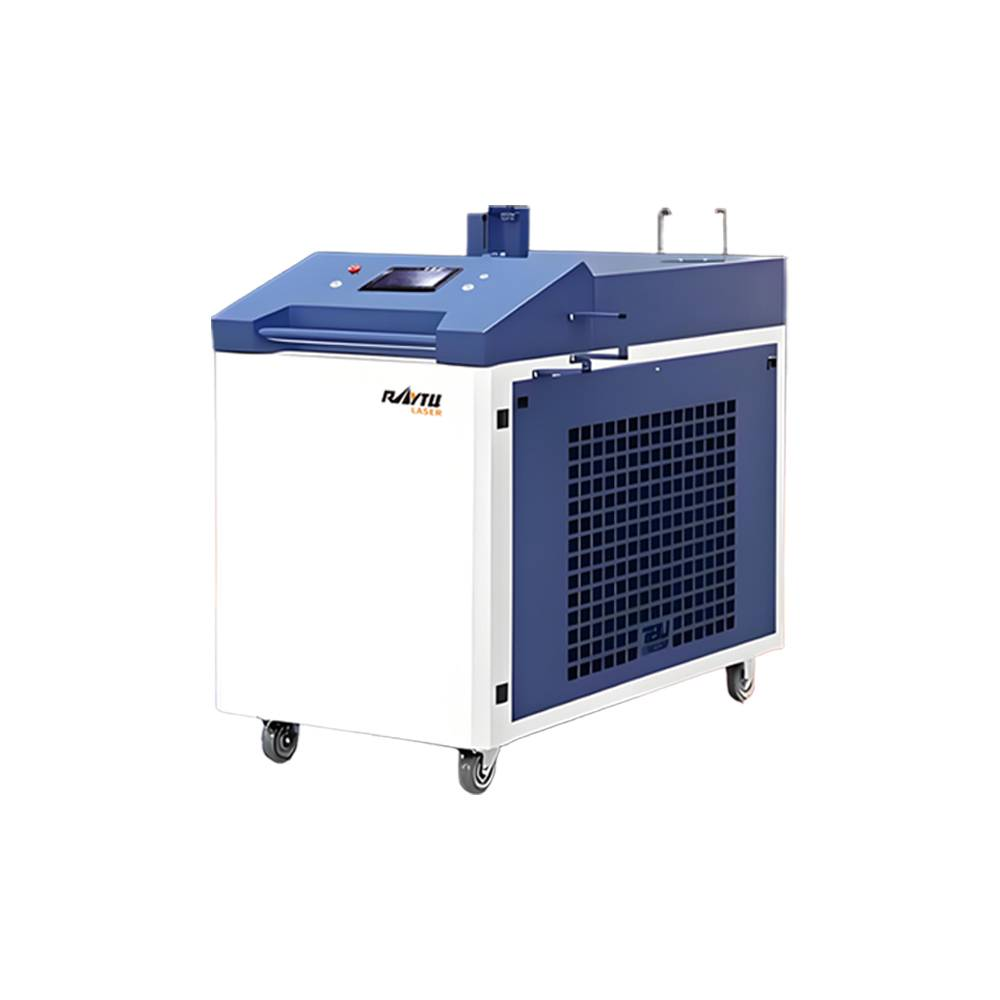
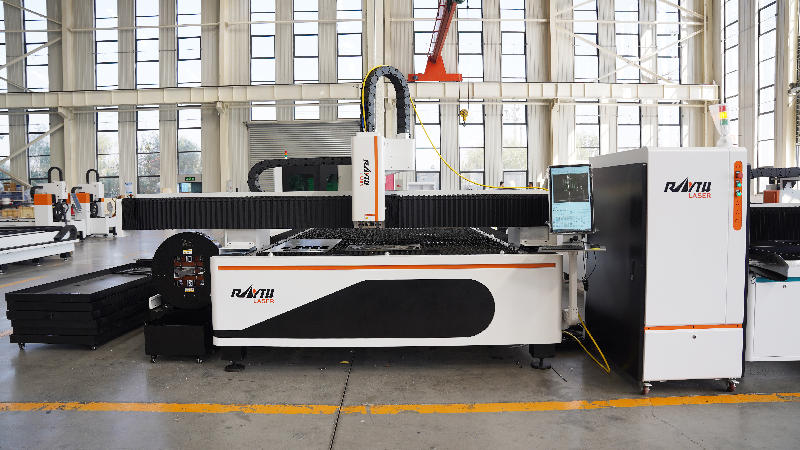
The operational principle of fiber laser cutting systems centers on the generation of laser beams through rare-earth-doped glass fibers optically pumped by laser diodes. This architecture produces beam quality factors (M²) typically below 1.1, enabling exceptional focusability that achieves power densities exceeding 10^7 W/cm² at the workpiece surface. Modern industrial configurations employ single-mode or multi-mode fiber configurations with output powers ranging from 500W to 60kW, suitable for processing reflective materials including copper, brass and aluminum without back-reflection damage. The cutting process involves precisely controlled thermal mechanisms where focused laser energy raises material temperature beyond vaporization point, while coaxial assist gases (compressed air for thin sheets, nitrogen for oxidation-free edges, oxygen for exothermic reactions in thick steels) remove molten material from the kerf. Advanced systems incorporate frequency modulation capabilities from 1-10kHz with pulse durations adjustable between 0.1-10ms, allowing precision control of heat input for thermally sensitive applications. Industrial implementations in agricultural machinery manufacturing demonstrate capabilities in processing 8mm weathering steel at 4.5m/min with surface roughness below Ra 3.2μm. The technology excels in kitchen equipment production where 3kW systems cut 10mm stainless steel with minimal dross formation and heat-affected zones under 80μm. For ventilation system fabrication, fiber lasers process galvanized steel sheets of 2mm thickness at 25m/min while maintaining strict dimensional tolerances of ±0.1mm across complex ductwork patterns. Electrical cabinet manufacturers benefit from the technology's ability to create precise knockouts in 2.5mm electro-zinc coated steel without damaging the protective surface treatment. Modern systems integrate vision-assisted positioning with CCD cameras achieving registration accuracy of ±0.05mm, coupled with automatic material thickness detection through capacitive sensing. The environmental advantages include elimination of laser gas consumption and 40% reduction in overall energy footprint compared to traditional cutting methods. Advanced software suites provide nesting optimization with material utilization rates reaching 95% for mixed-batch production, while cloud-connected monitoring systems track consumable usage and predict optical component maintenance needs. For project-specific technical parameters and customized workflow integration proposals, please consult our application engineering department for comprehensive support.