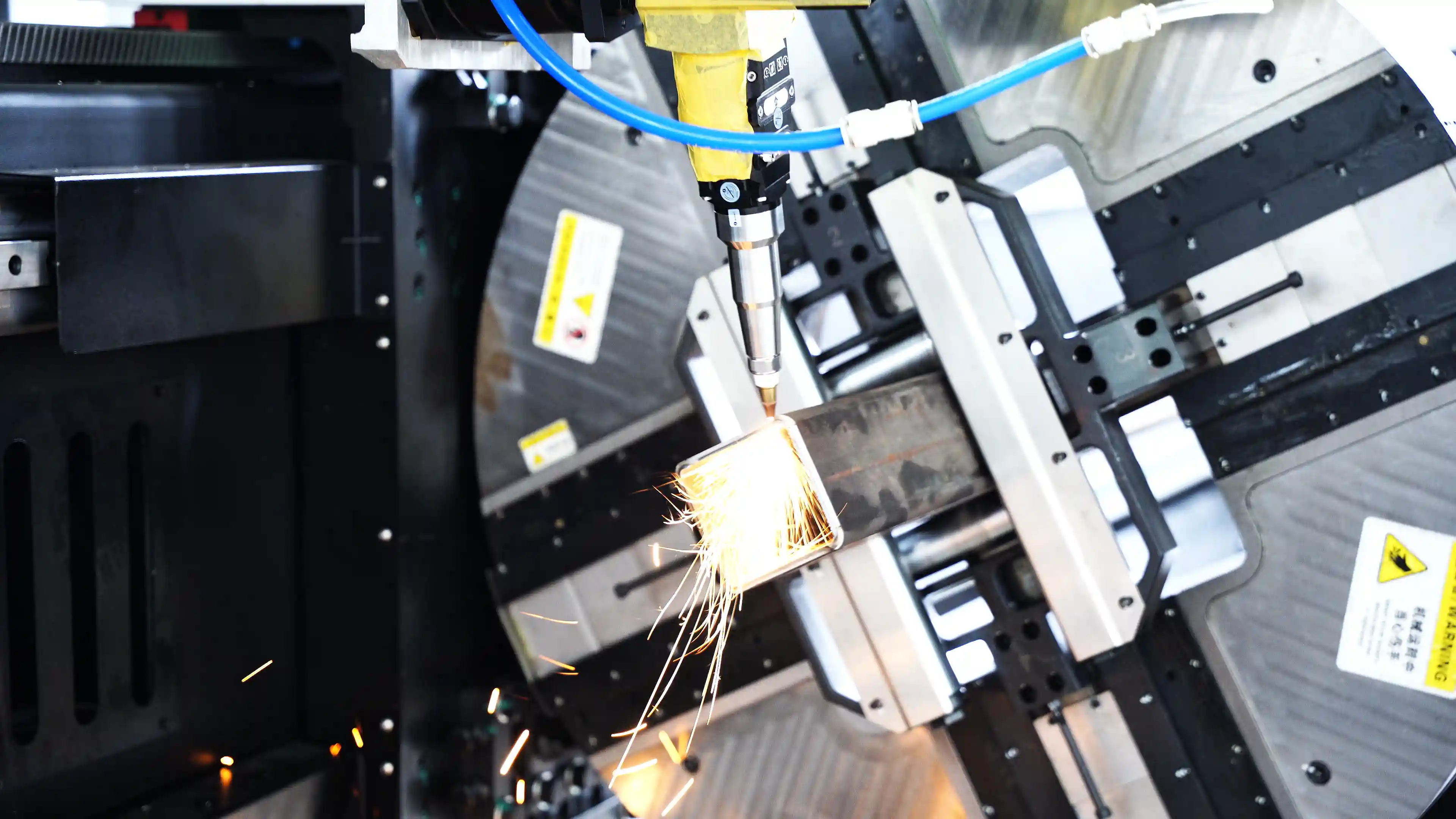
Not sure how to choose a fiber laser cutting machine? Start with your materials, thickness, sheet size, production needs, machine configuration and core components. Buying a fiber laser cutting machine is a big decision. When customers first start co...
VIEW MORE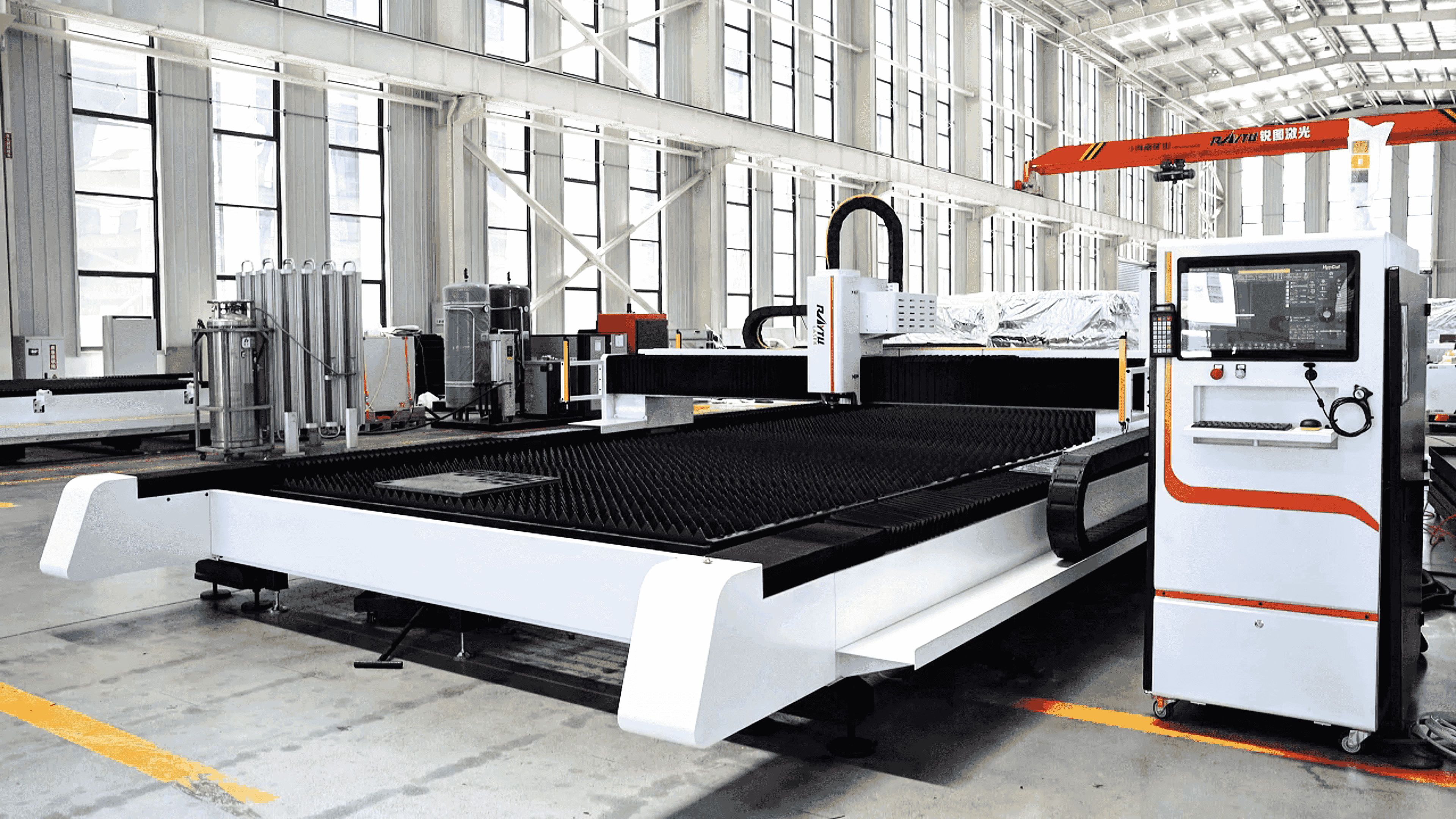
Fiber vs. CO2 Laser Cutting Machines: Matching Technology to Metal and Volume Why fiber lasers dominate small-batch metal cutting: efficiency, reflectivity handling, and footprint Fiber laser cutters really shine when working with small quantities ...
VIEW MORE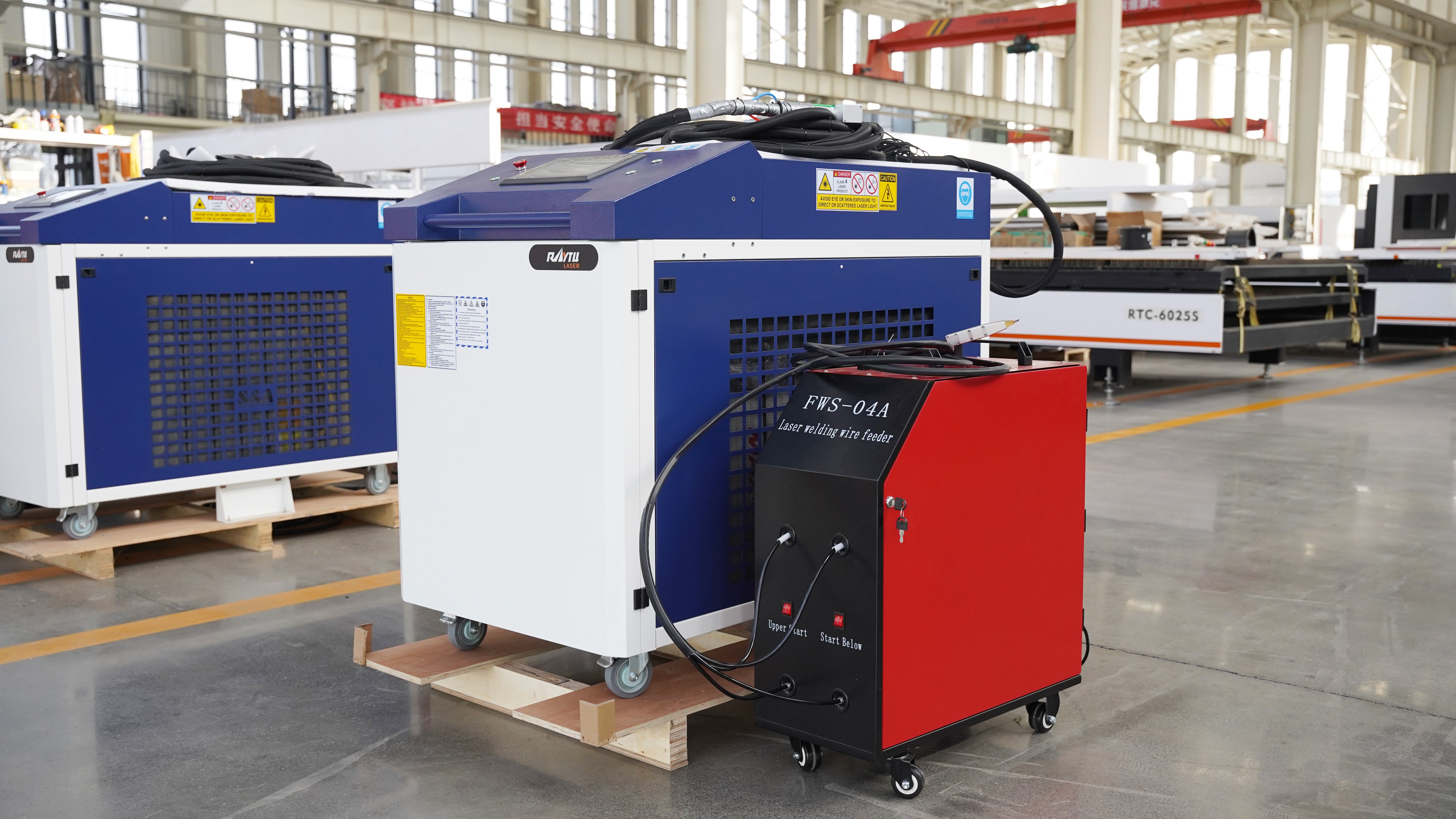
Real-Time Laser Output Monitoring and Data-Driven Stability Control Why continuous power and beam profile monitoring prevents process drift in industrial laser welders Keeping power stable within about plus or minus 1.5% and maintaining good beam f...
VIEW MORE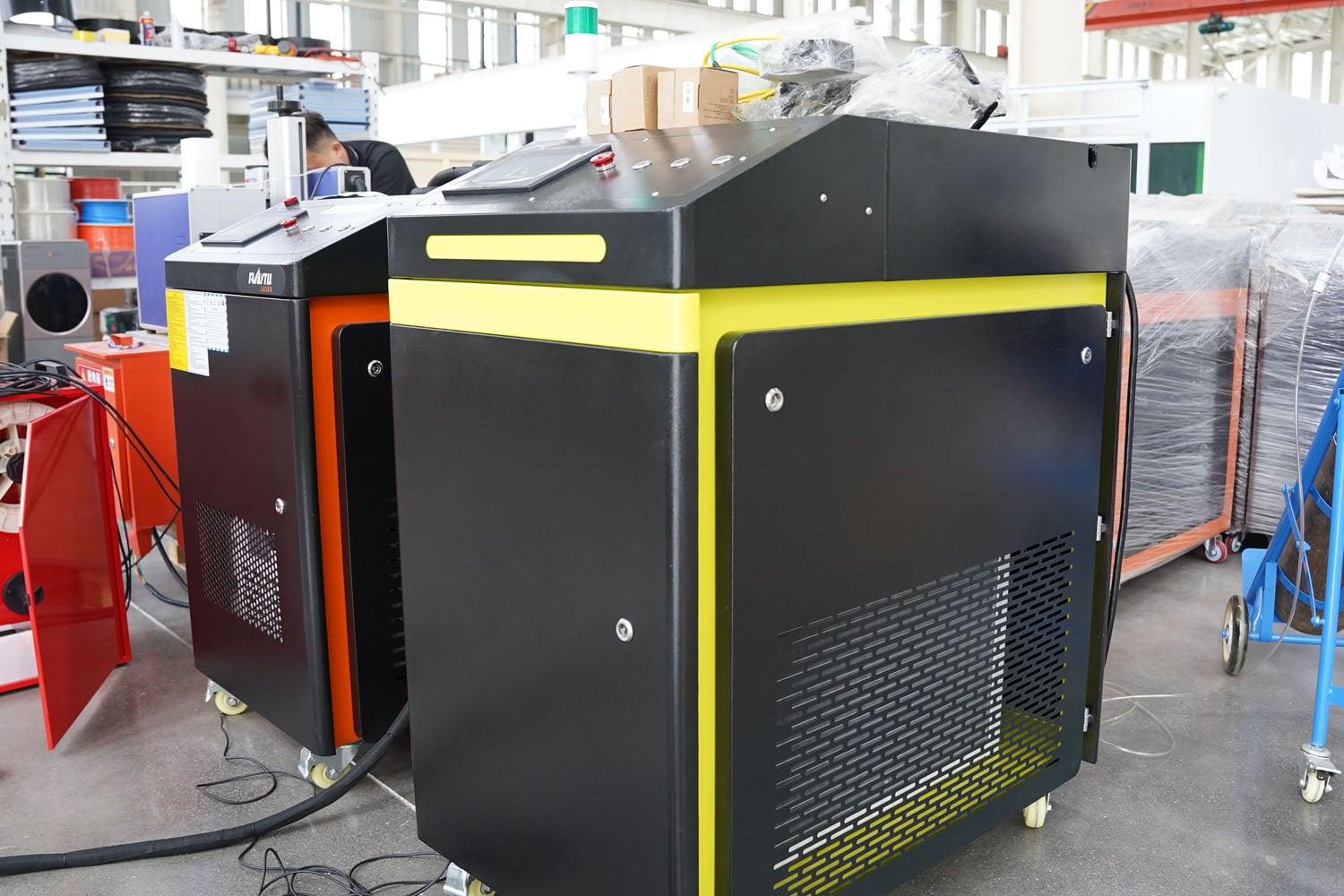
How Laser Cleaning Machines Remove Common Metal Contaminants Photothermal and photomechanical ablation: Why laser cleaning machines selectively vaporize contaminants without damaging metal substrates Laser cleaning works because different materials...
VIEW MORE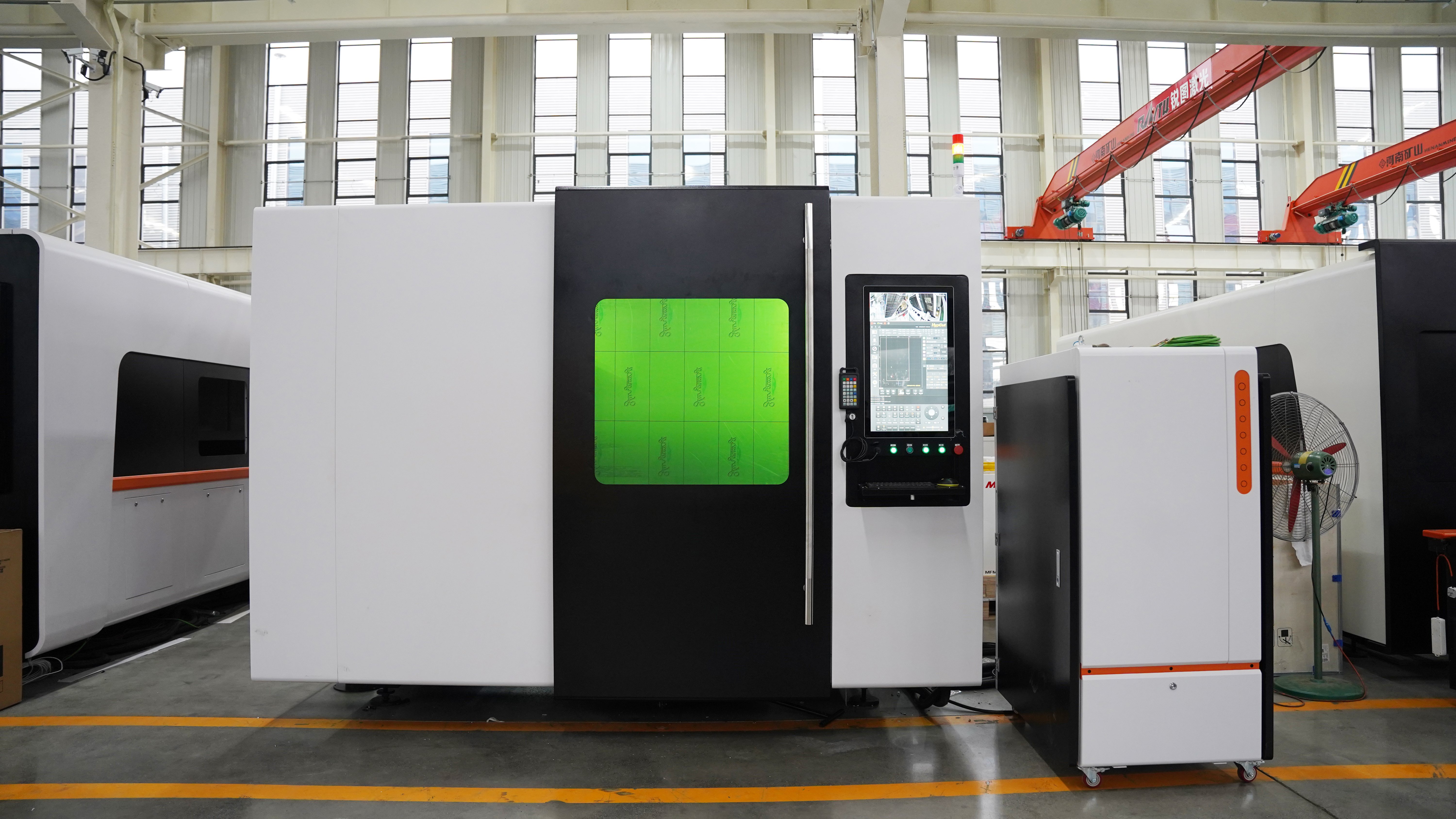
Energy Efficiency and Operational Cost Savings Lower Power Consumption per Cut: Quantifying kWh Reduction Fiber laser cutters actually use around 30 to 50 percent less power than plasma systems when working on similar materials because they focus t...
VIEW MORE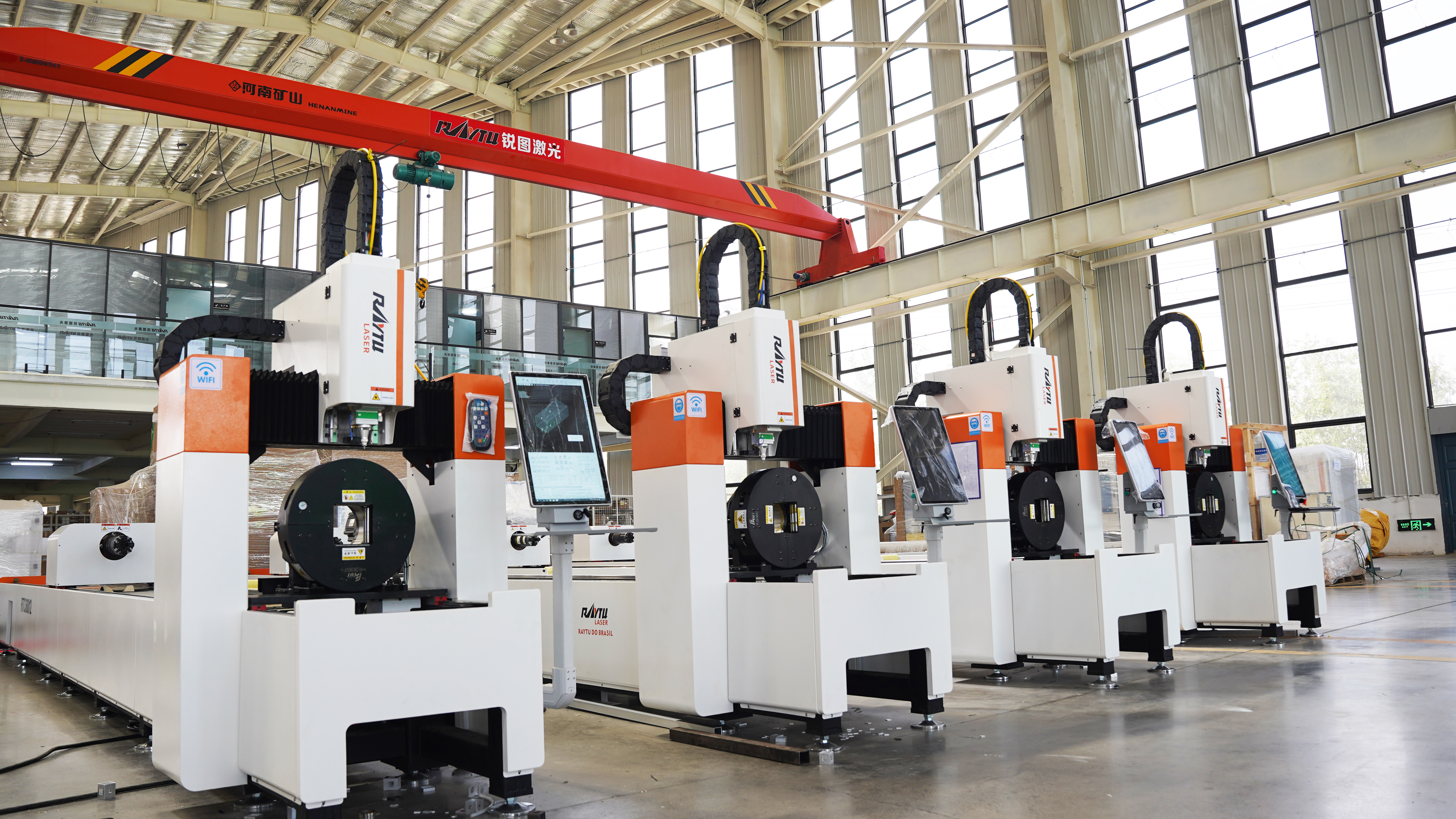
Why 5-Axis Pipe Laser Cutting Machines Are Essential for Complex Tube Geometries Limitations of conventional and 3-axis systems with non-round, asymmetric, or structural tubes Old fashioned pipe laser cutters and basic 3 axis systems run into serio...
VIEW MORE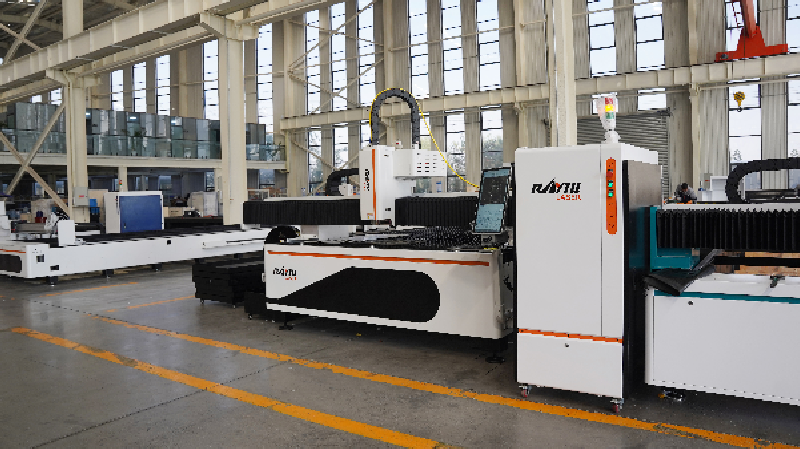
Understanding Laser-Specific Hazards and Safety Classifications Laser Radiation Protection and Exposure Risks Exposure to laser radiation poses serious risks for both eyes and skin, especially when dealing with Class 4 lasers. These high-powered de...
VIEW MORE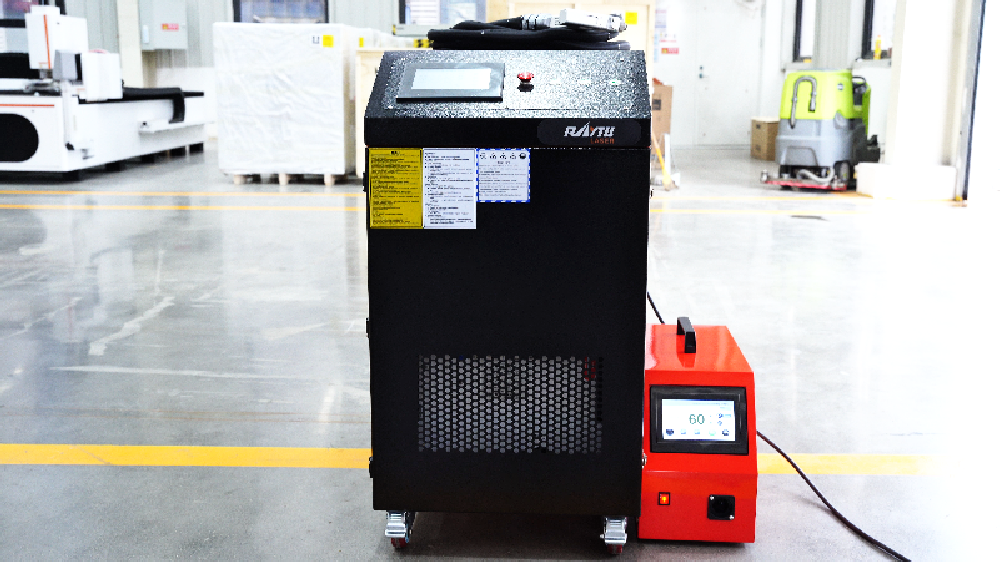
Laser Parameters and Their Impact on Welding Quality Precision control of laser parameters determines weld integrity across manufacturing sectors. Four critical factors govern welding outcomes in laser welder systems: power regulation, motion speed...
VIEW MORE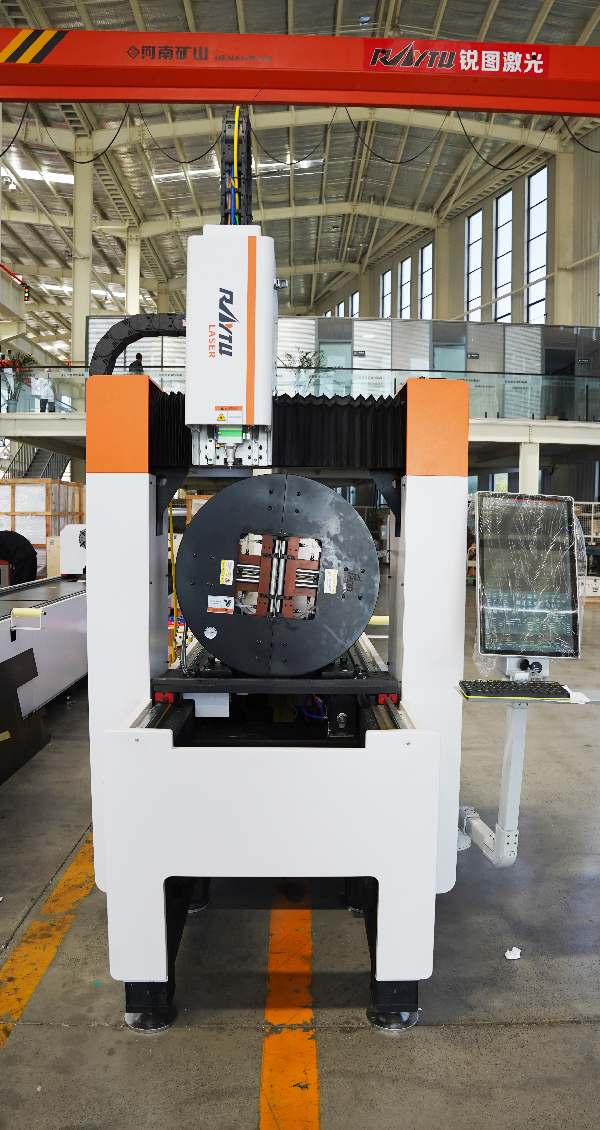
Precision and Accuracy in Complex Tube Geometries How fiber laser systems achieve sub-millimeter precision on intricate tube shapes Modern tube laser cutting machines achieve remarkable ±0.1mm accuracy through three key innovations: Adaptiv...
VIEW MORE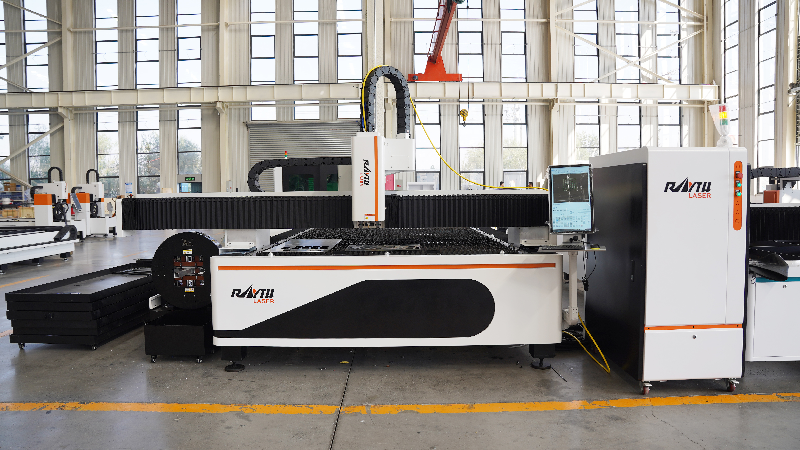
Unmatched Precision and Cut Quality Superior Edge Quality and Minimal Heat Affected Zone (HAZ) Fiber laser cutting machines reduce thermal distortion by 73% compared to CO₂ systems (Fiber Laser Systems Study 2023), delivering smooth edges with near...
VIEW MORE
Material Compatibility and Its Impact on Pipe Laser Cutting Performance Common tube materials compatible with laser tube cutting (stainless steel, aluminum, brass, copper, titanium) Fiber laser cutters work really well with five main types of metal...
VIEW MORE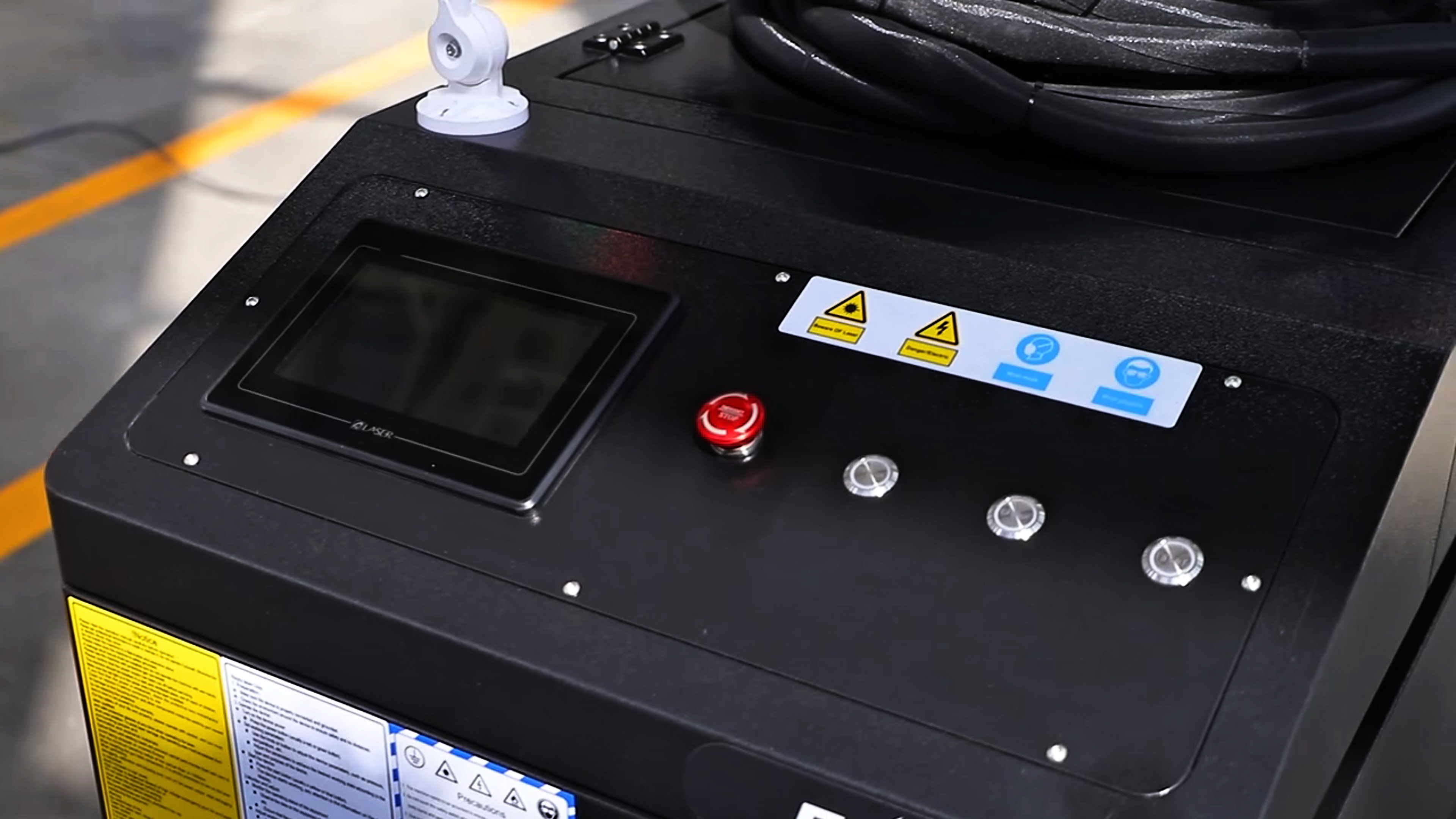
Identifying the Root Causes of Weak Welds in Laser Welding When using laser welding machines, identifying why welds fail is critical for improving outcomes. Weak joints often stem from four preventable issues that engineers must systematically addr...
VIEW MORE
RT Laser is a nationally recognized high-tech enterprise specializing in the research, development, production, and sales of laser equipment. Our core products include fiber laser cutting machines, handheld laser welding machines, and bending machines.
No.6-8, Binhe industrial park, Jiyang district, Jinan city, Shandong province, China.
Copyright © 2025 by RAYTU LASER Technology Co.,Ltd. Privacy Policy
 EN
EN